-
-

Logo
-
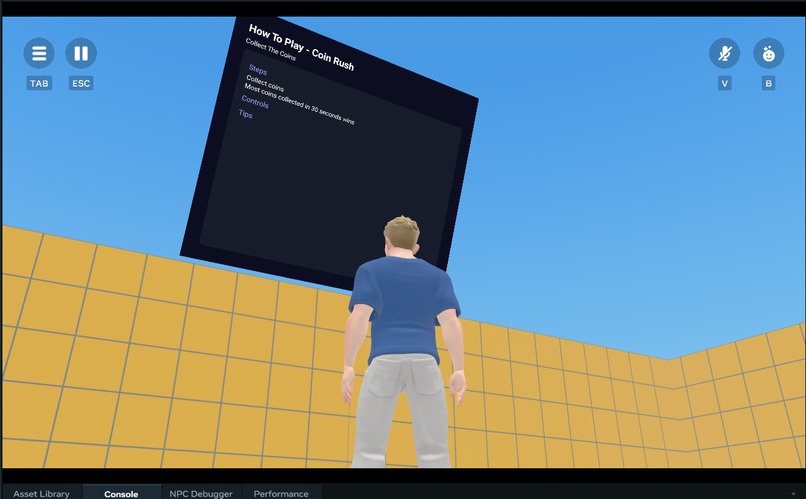
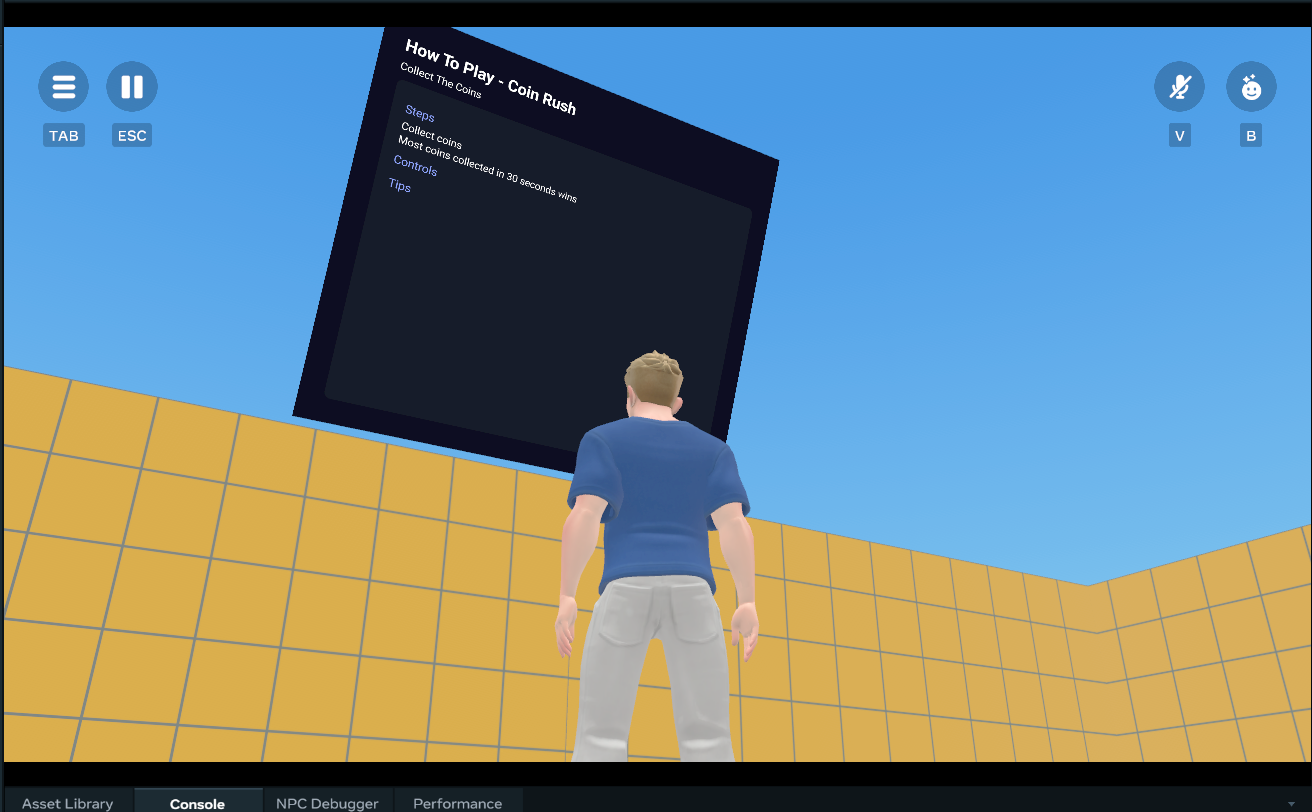
Our how to play UI
-
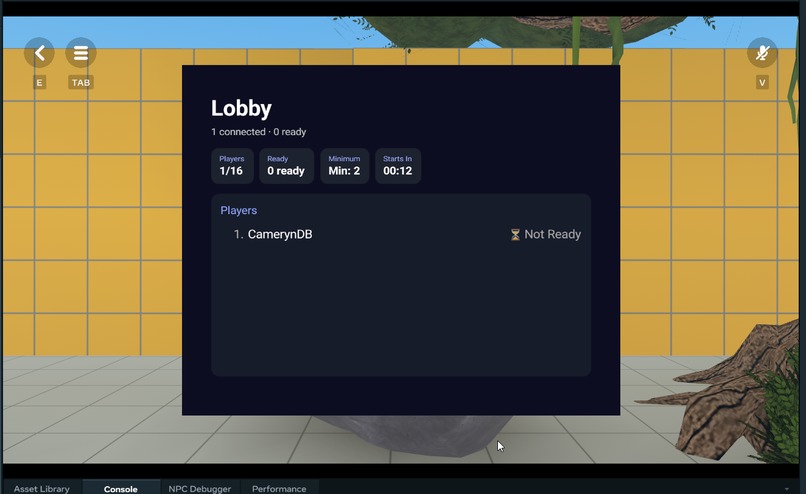
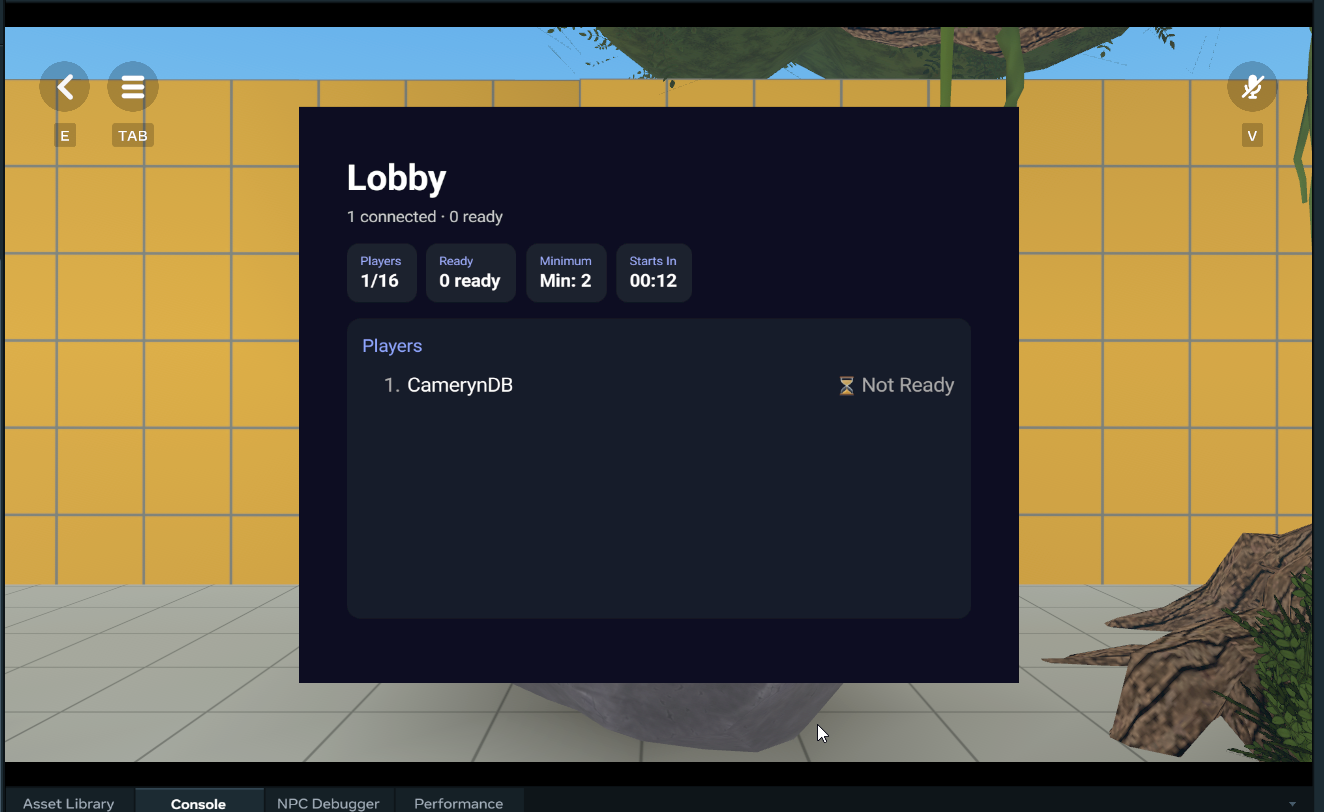
Our lobby display UI with ready checking
-
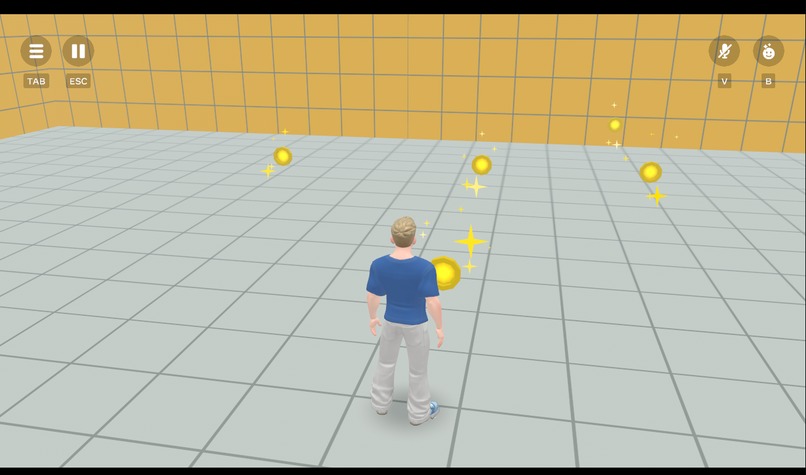
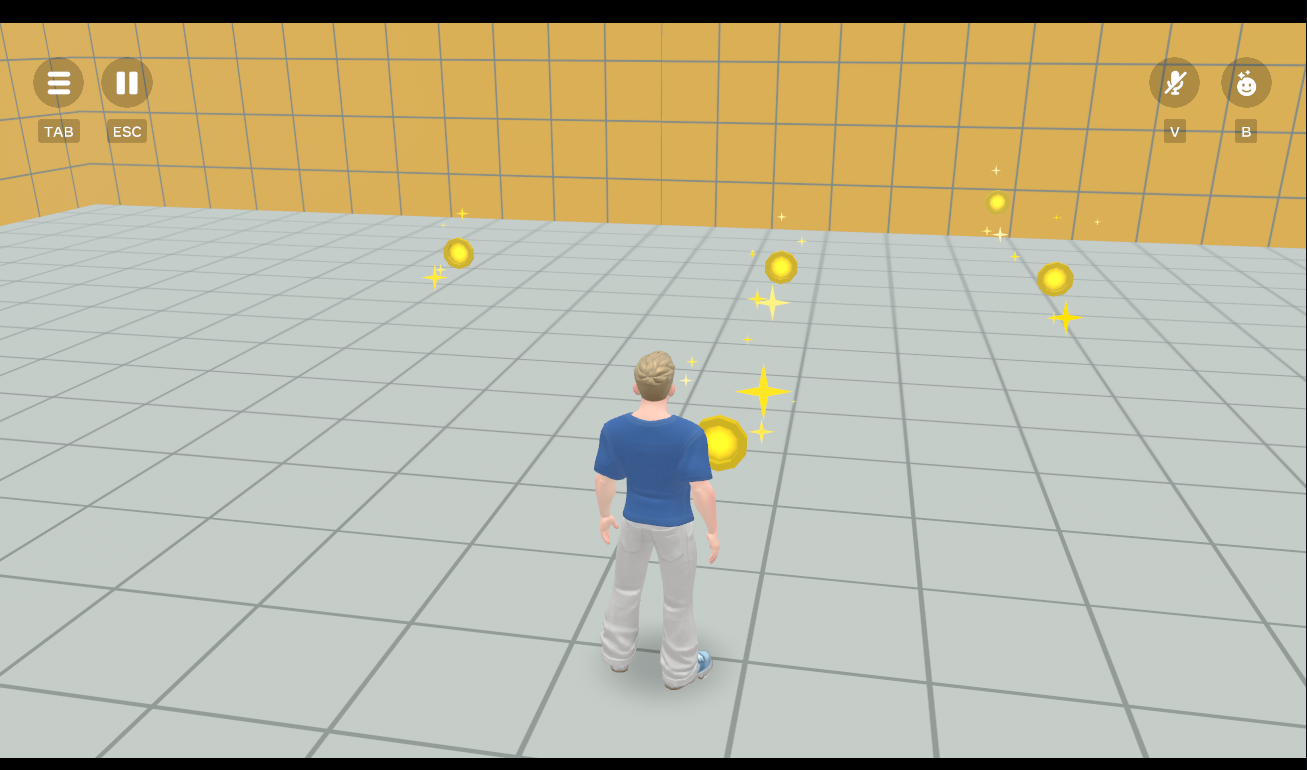
Collect the coins minigame
-
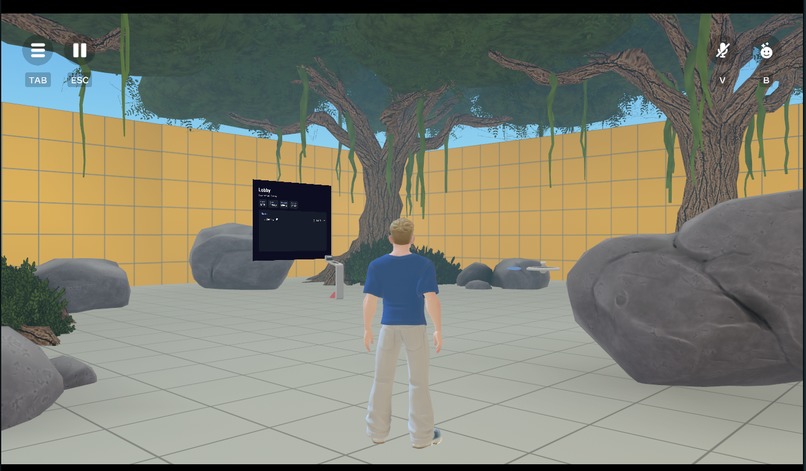
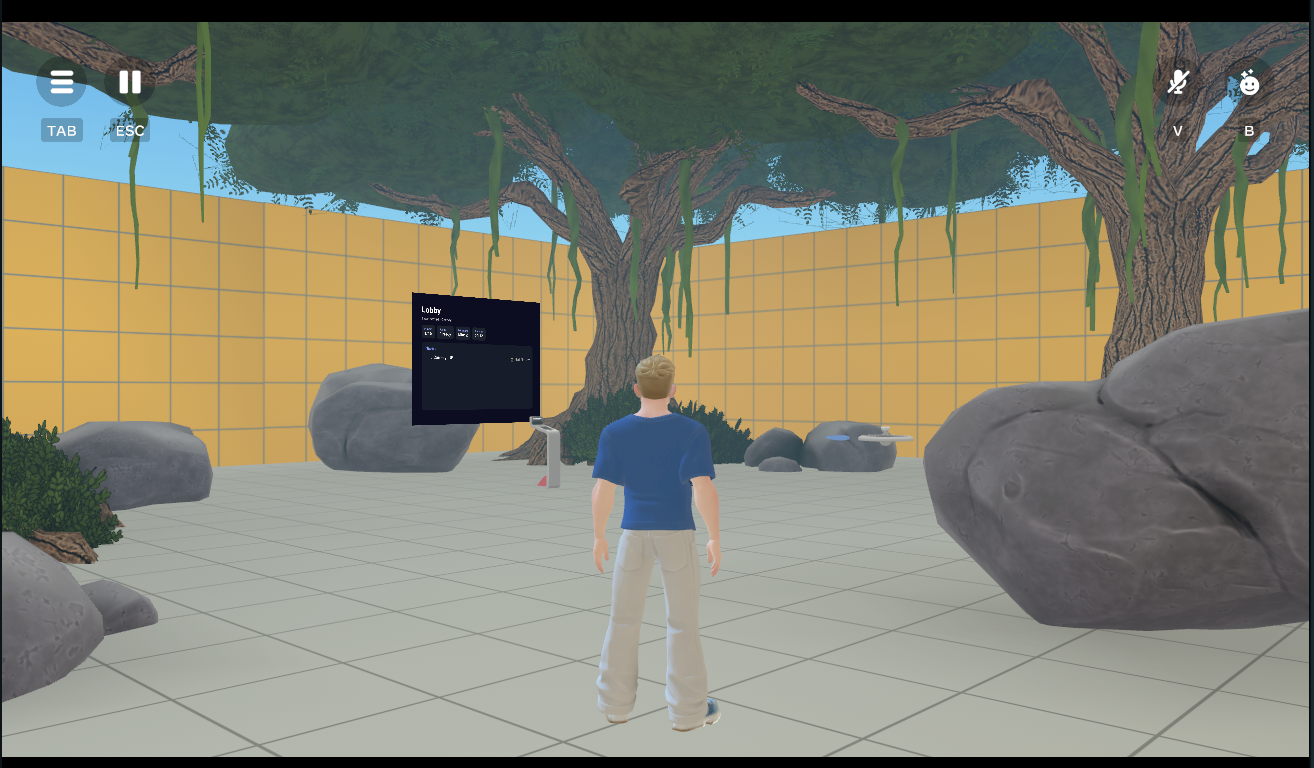
Lobby area
-
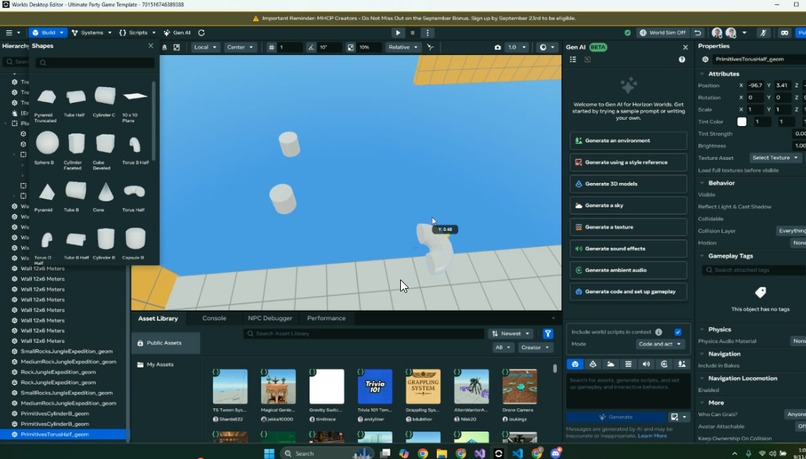
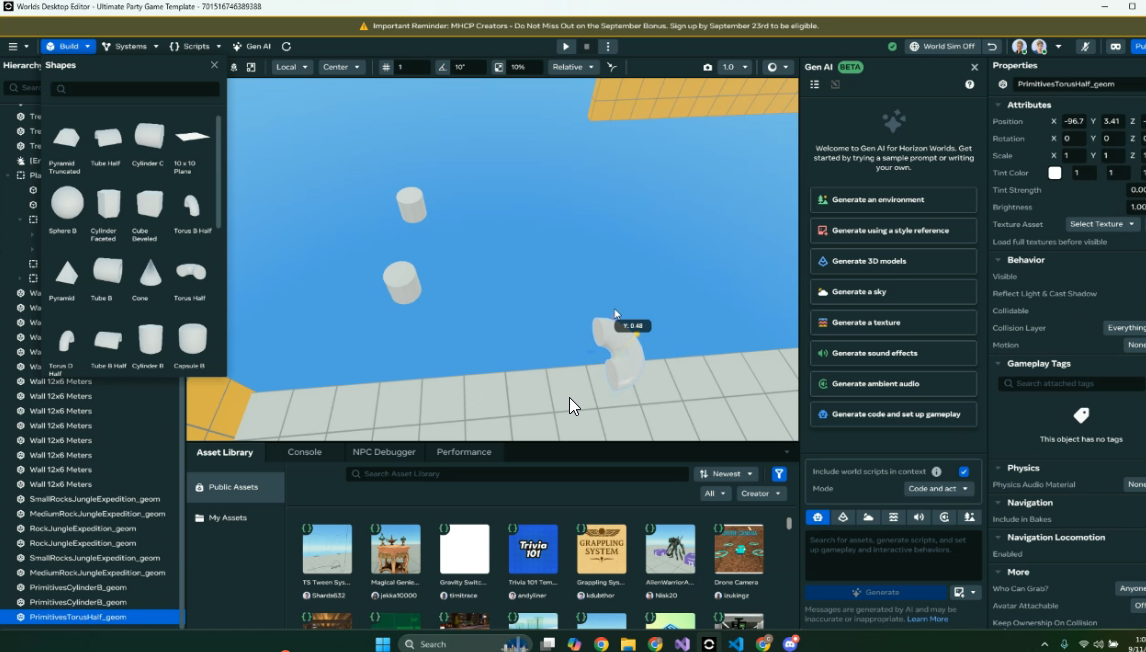
Minigame Creation
About the Project
We built this framework because we love party games, the kind of quick, fun loops where friends can jump in, play a round, and move on. Our inspiration was to make creating new minigames as simple and approachable as possible, even for developers with little experience.
What We Learned
- How to design clean tooling around Horizon Worlds that reduces boilerplate.
- How to use policies (scoring, end conditions, respawns, countdowns) as pluggable modules, giving every minigame consistent rules.
- How to drive UI entirely through a typed event bus, using bridges to separate logic from presentation.
- How to apply TypeScript strongly for clarity and safety in game scripts.
How We Built It
- A thin base class (
MinigameBase) coordinates policies and lifecycle, so authors only need to override a few hooks. - An orchestrator (
DB_WorldOrchestrator) controls session states, teleports, timers, and reporting. - A router (
RoundRouter) runs one minigame at a time, listens for outcomes, and handles cleanup. - Config-driven flow (
DB_Config,DB_MinigameConfig) sets lobby, round, intermission, and results timing without extra code. - AutoVars (our own tool): we created
DB_AutoVars.tsto eliminate repetitive prop wiring. It auto-sets references, validates data, and gives minigame authors strongly typed access with almost zero setup. This was one of the biggest boosts to developer experience.
Challenges
- Designing a framework that is both scalable and approachable.
- Ensuring that even a new developer can copy the template, fill in a few hooks, and immediately ship a minigame.
- Balancing flexibility (local events for power users) with simplicity (sensible defaults for everyone else).
In the end, we delivered a framework where the lifecycle is clean, the policies are modular, the UI is event-driven, and our custom AutoVars system keeps authoring friction low.


Log in or sign up for Devpost to join the conversation.