Inspiration
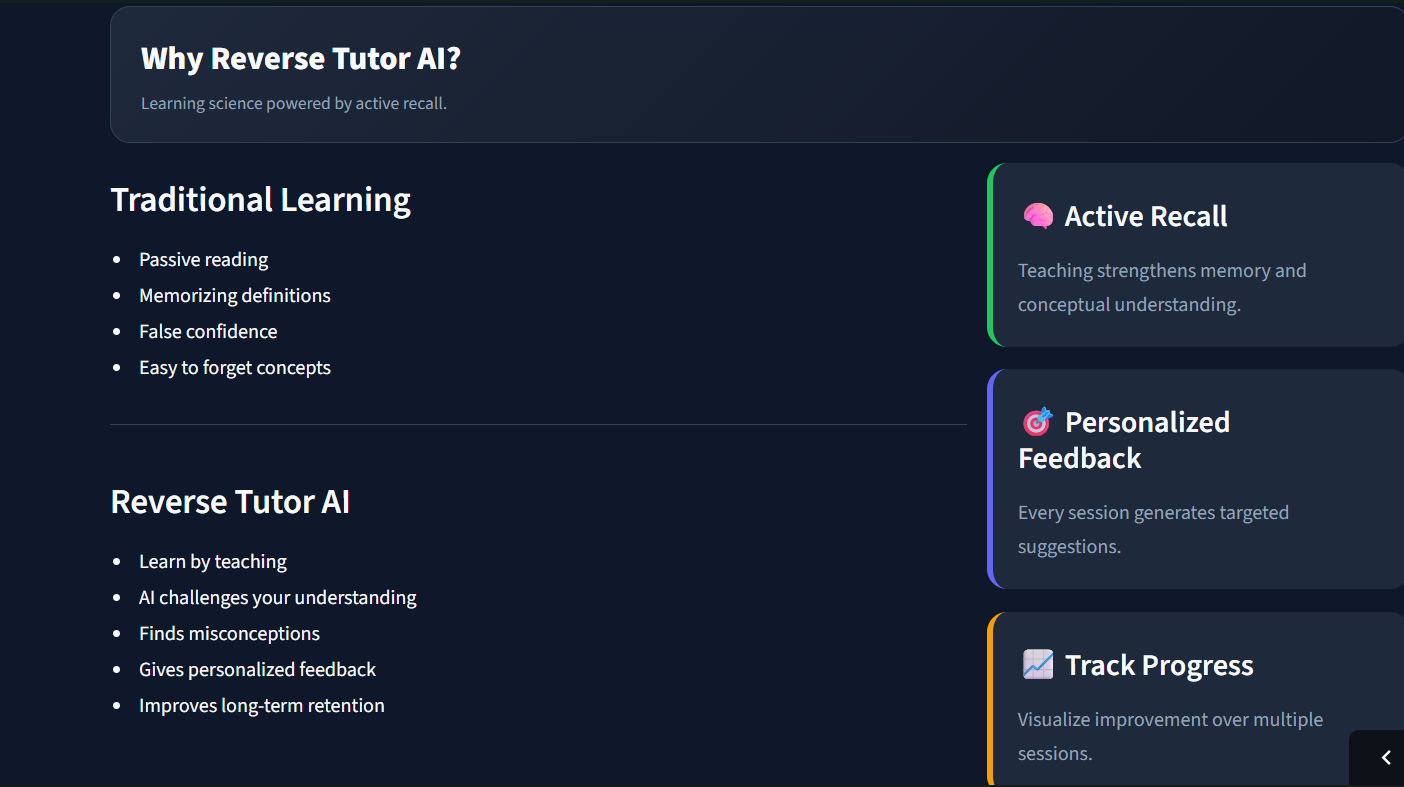
Most learning tools deliver content in one direction: the system teaches and the student responds. We wanted to reverse that flow by building a platform where the student’s mistakes, reasoning patterns, and learning behavior become the main signal for adaptation. The idea behind Reverse Learning was simple: instead of forcing every learner into the same path, the system should first understand how that learner thinks and then respond accordingly.
What it does
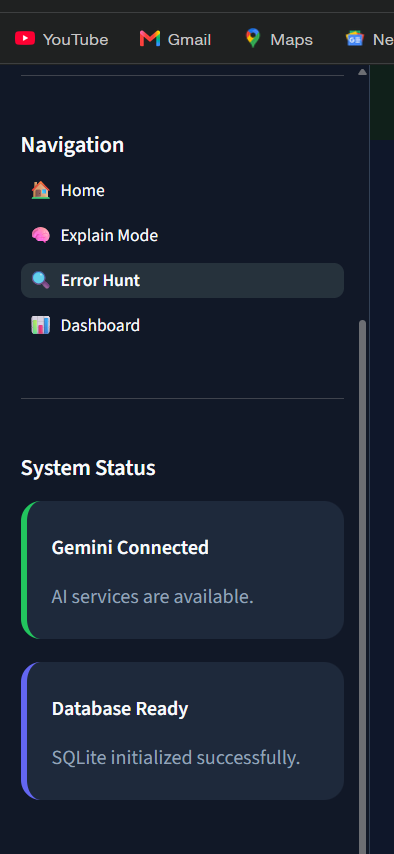
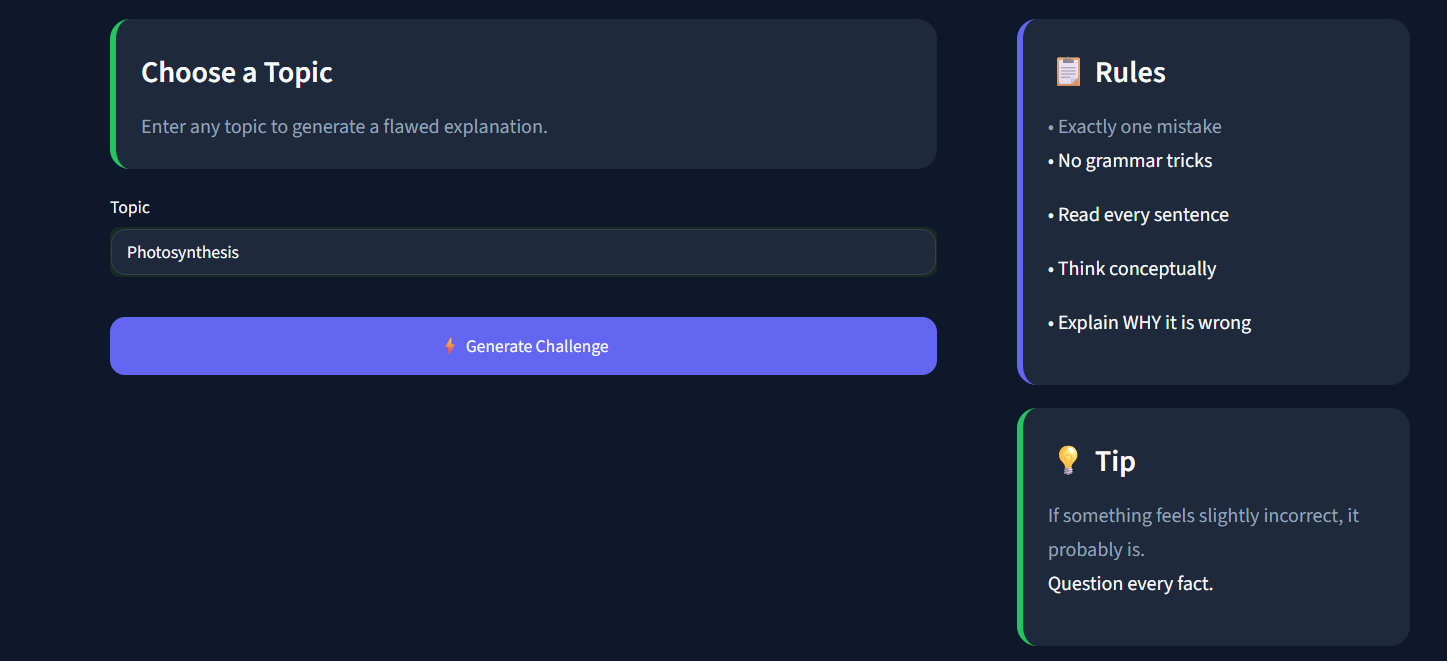
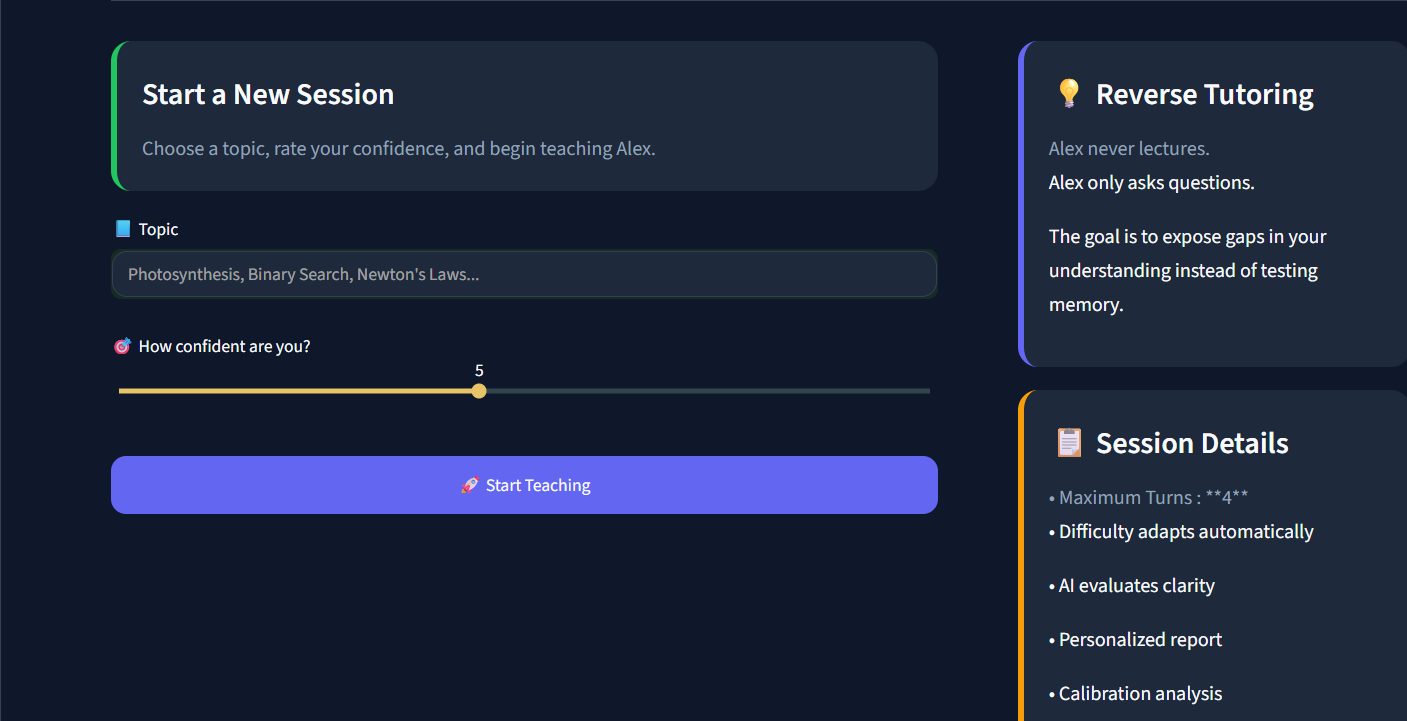
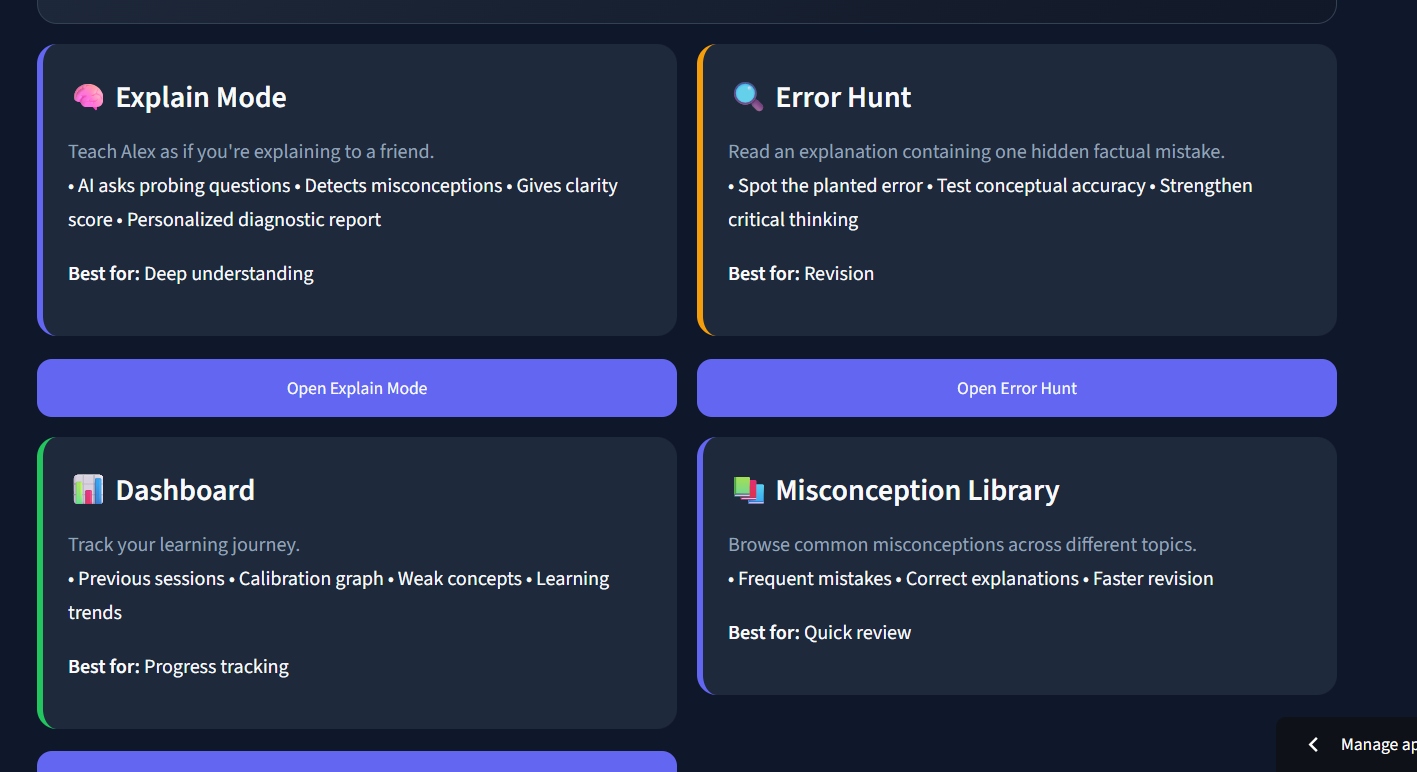
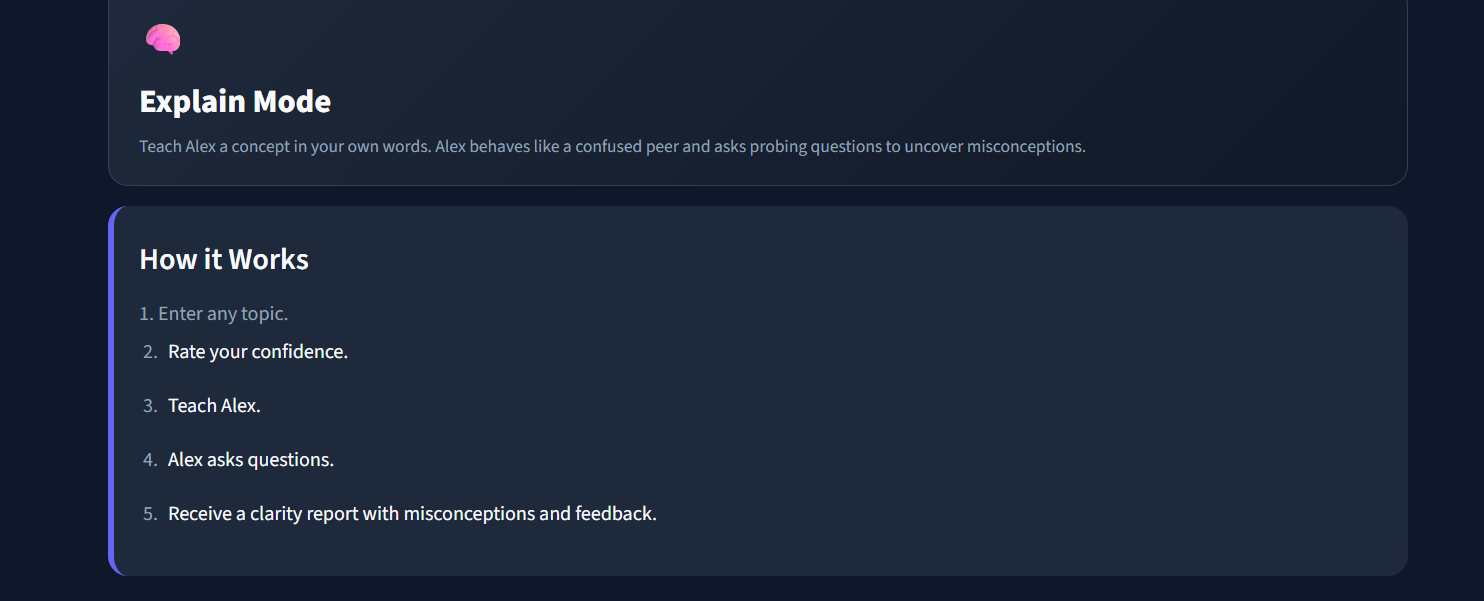
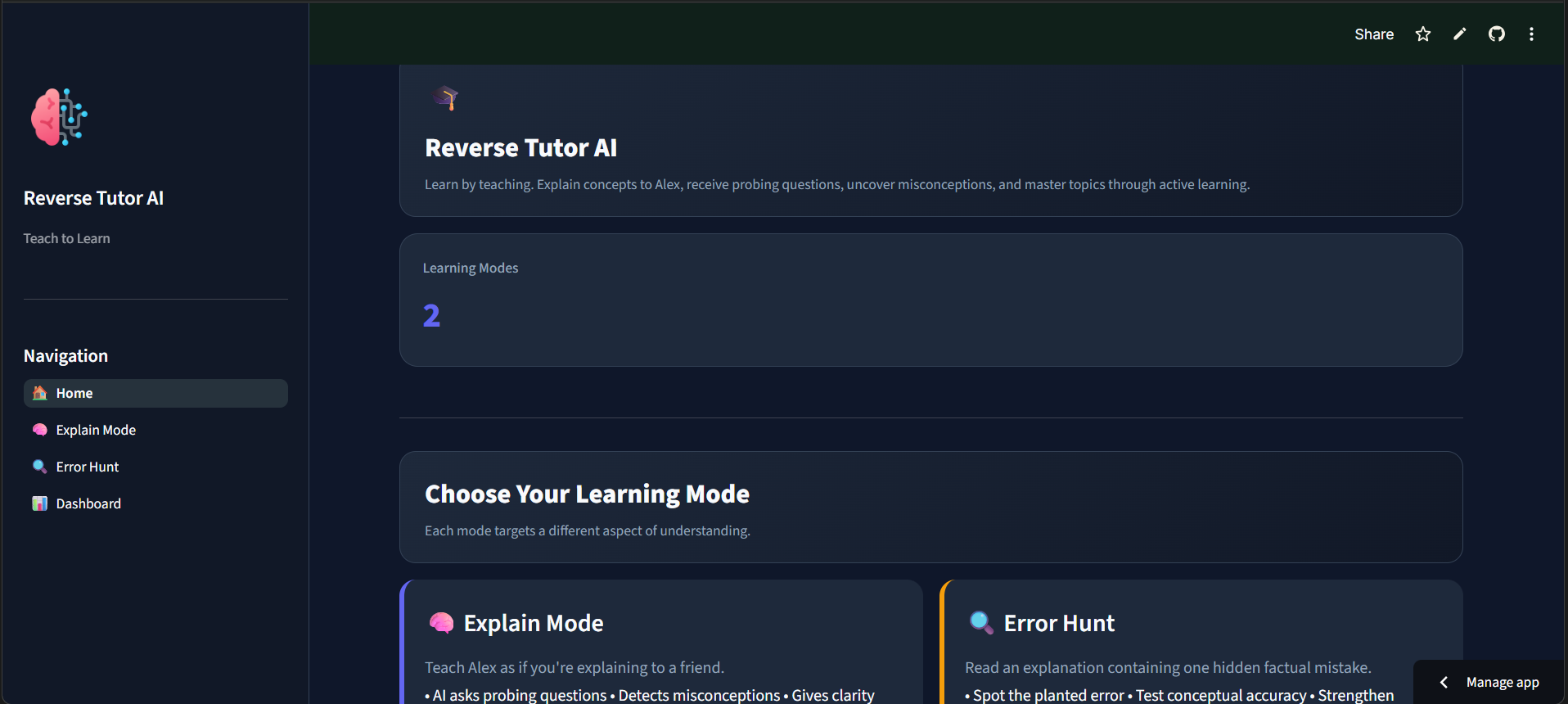
Reverse Learning is an AI-powered personalized tutoring system that learns from how a student solves a problem, not just whether the final answer is correct. It analyzes step-by-step attempts, identifies recurring misconceptions, and builds a learner profile that reflects weaknesses, strengths, pacing, and conceptual gaps. Based on this profile, the platform generates targeted hints, reverse prompts, and adaptive follow-up questions so that every mistake becomes useful feedback for both the learner and the system.
How we built it
We built the project as a multi-layer pipeline with an interactive frontend, a backend API layer, and an AI-driven personalization engine. The frontend captures user problem-solving behavior, including intermediate steps, retries, and response patterns, while the backend structures this data into learner-state features. On top of that, we integrated LLM-based reasoning and prompt orchestration to generate context-aware hints and explanations, creating a loop where the model continuously adjusts guidance based on the learner’s evolving understanding.
Challenges we ran into
One of the hardest problems was representing human learning behavior in a form that the AI could actually use meaningfully. We had to experiment with different ways of encoding student actions, mistakes, and progress without making the system too noisy or computationally heavy. Another major challenge was keeping generated hints relevant and grounded, especially when students took unusual but valid solution paths, so we had to carefully design prompt constraints and contextual memory handling.
Accomplishments that we're proud of
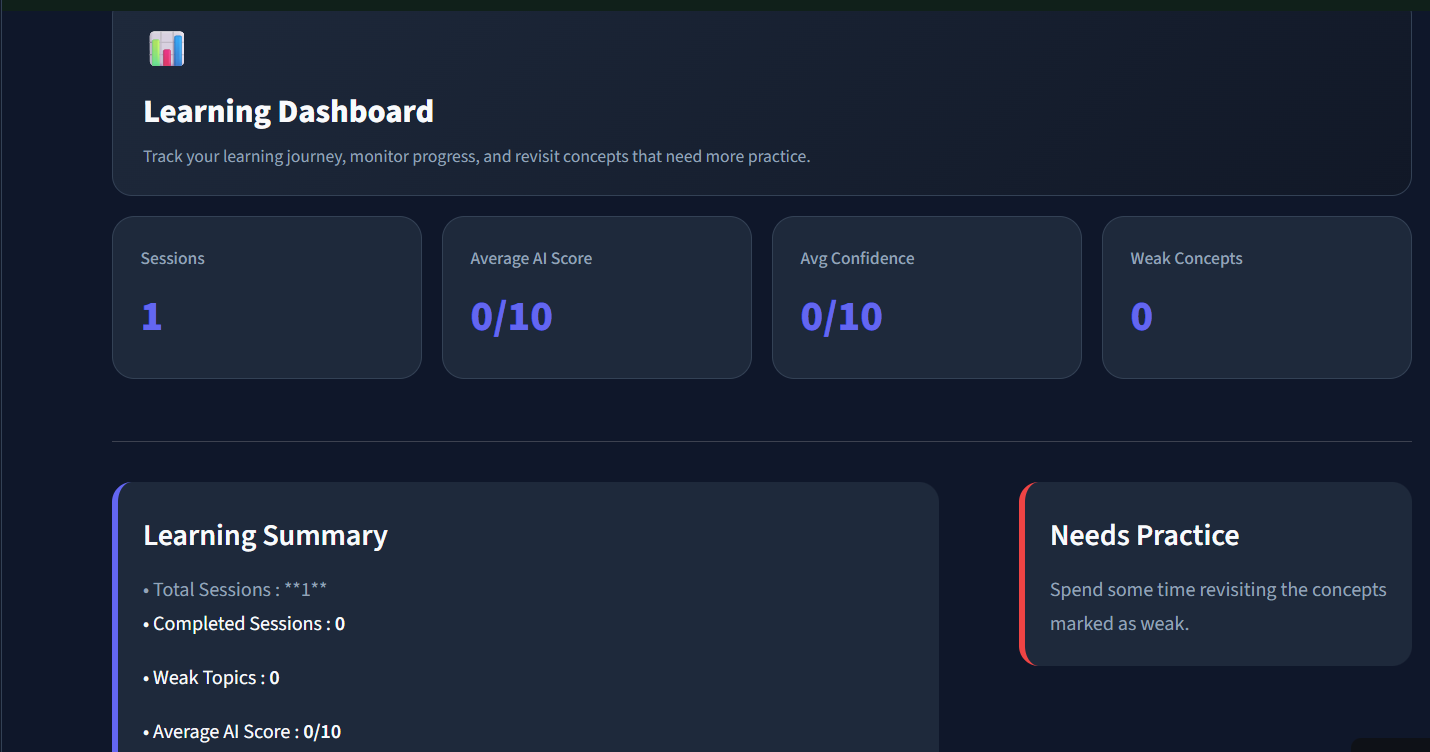
We are proud that we built a working prototype that does more than give static explanations — it actively adapts to the learner. The system can detect repeated mistakes, infer likely weak concepts, and change its responses across sessions rather than starting from zero every time. What felt especially rewarding was seeing the AI shift from generic feedback to guidance that more closely matched the learner’s own reasoning style.
What we learned
This project taught us that the process of solving is often more valuable than the final answer when building educational AI systems. We learned how important structured feedback loops, prompt design, and learner-state modeling are for creating meaningful personalization. We also learned that building trustworthy AI for education requires balancing adaptability with reliability, so the system stays helpful without becoming misleading.
What's next for Ultima8 AI
Our next step is to make Reverse Learning more multimodal by supporting diagrams, handwritten inputs, equations, and code-based workflows. We also want to expand the system with teacher-facing analytics so educators can understand class-wide misconceptions and use the AI as a collaborative teaching assistant. In the long term, we aim to turn Ultima8 AI into a scalable adaptive learning platform that can plug into real classrooms, online courses, and self-paced learning environments.
