-
-
-
-
-
-
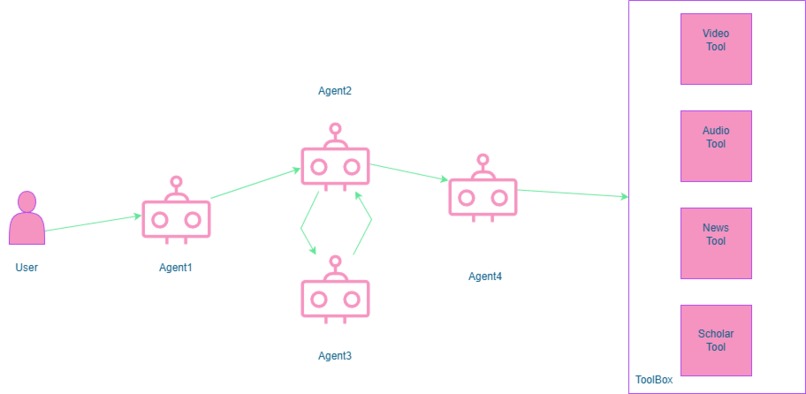
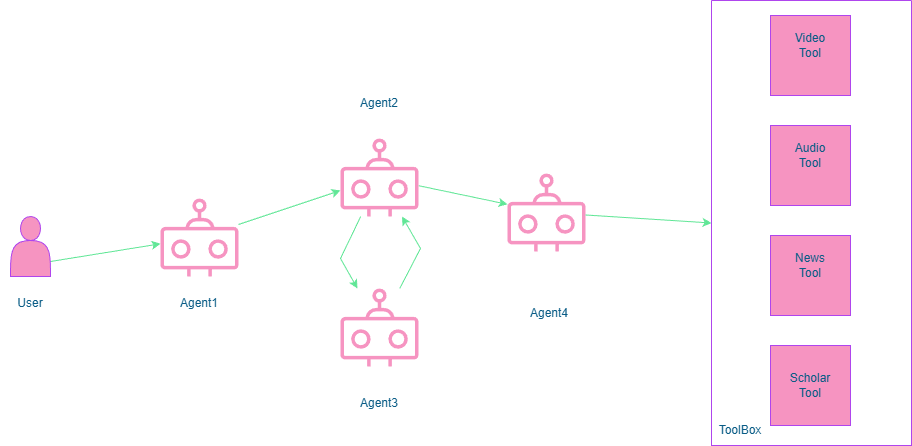
Data flow of the Multi-Agent-System (MAS)
Inspiration
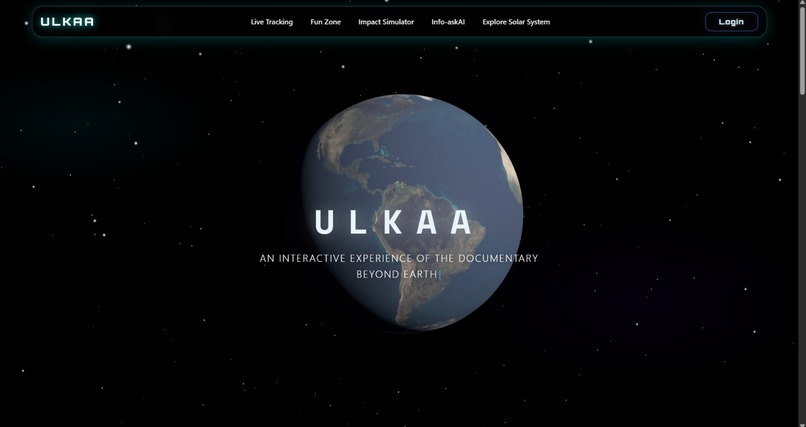
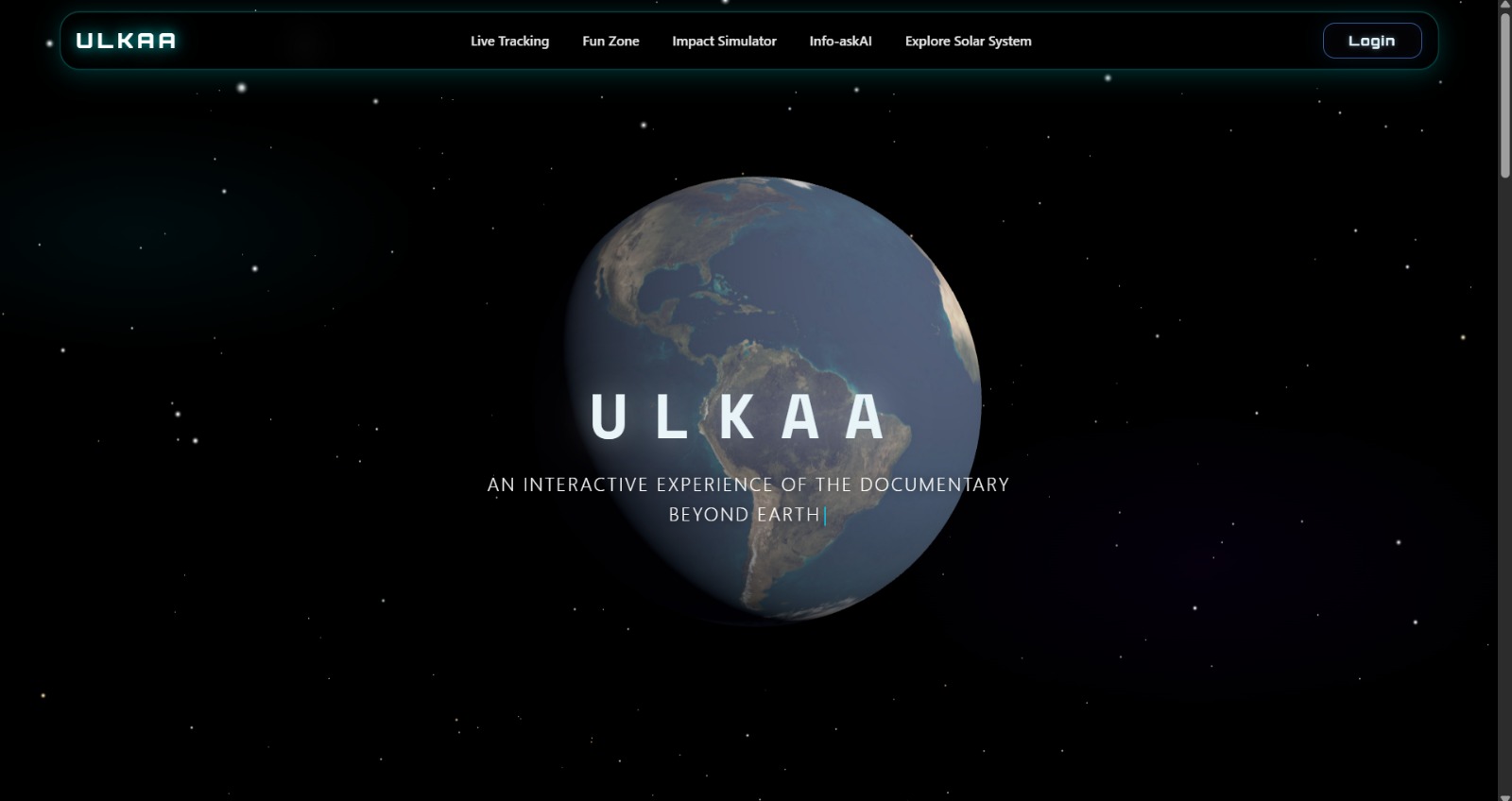
"Ulka" is the Sanskrit term for Meteoroid.
We built a website to make space education exciting and interactive.
While meteoroids often spark wonder, most learning platforms present them through static text or dull visuals.
We wanted to change that — by combining AI agents and immersive simulation, Ulka transforms how learners explore the cosmos.
It brings the thrill of discovery to every student, turning curiosity about meteors into an engaging, hands-on learning experience.
What It does
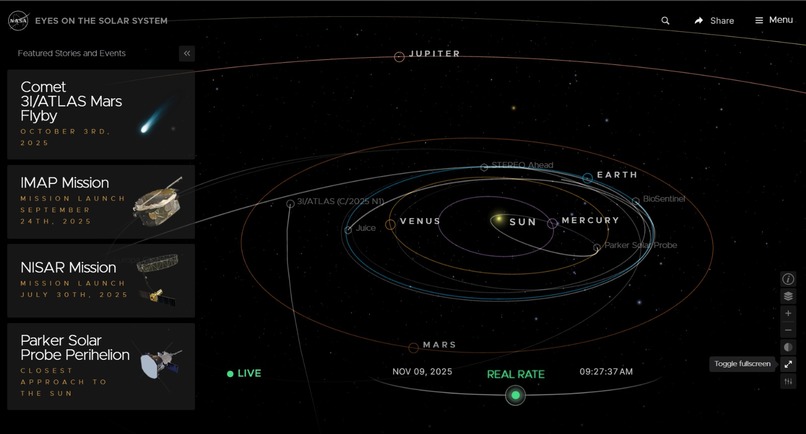
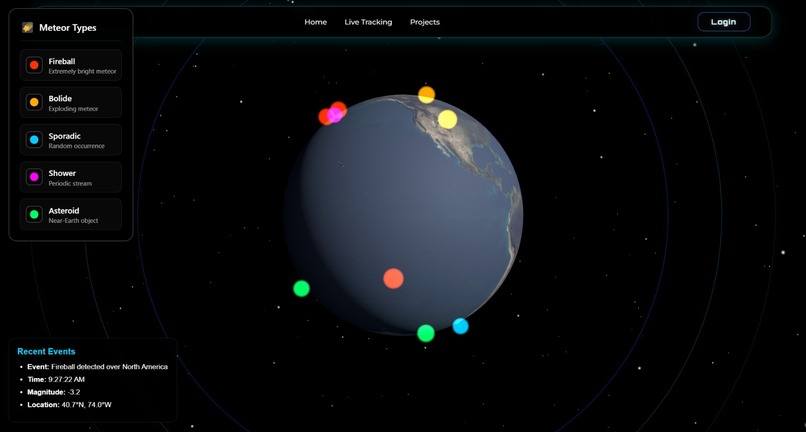
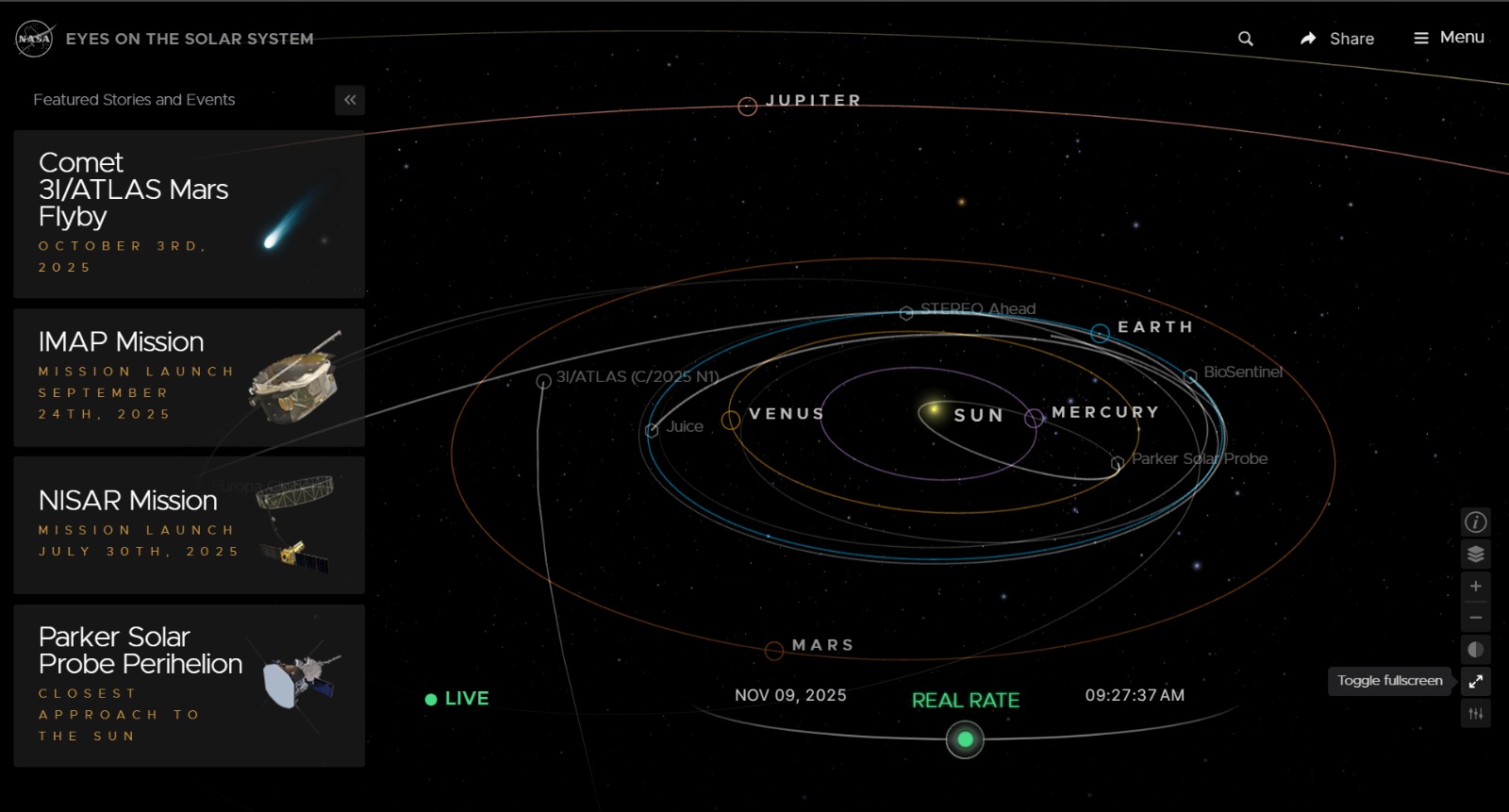
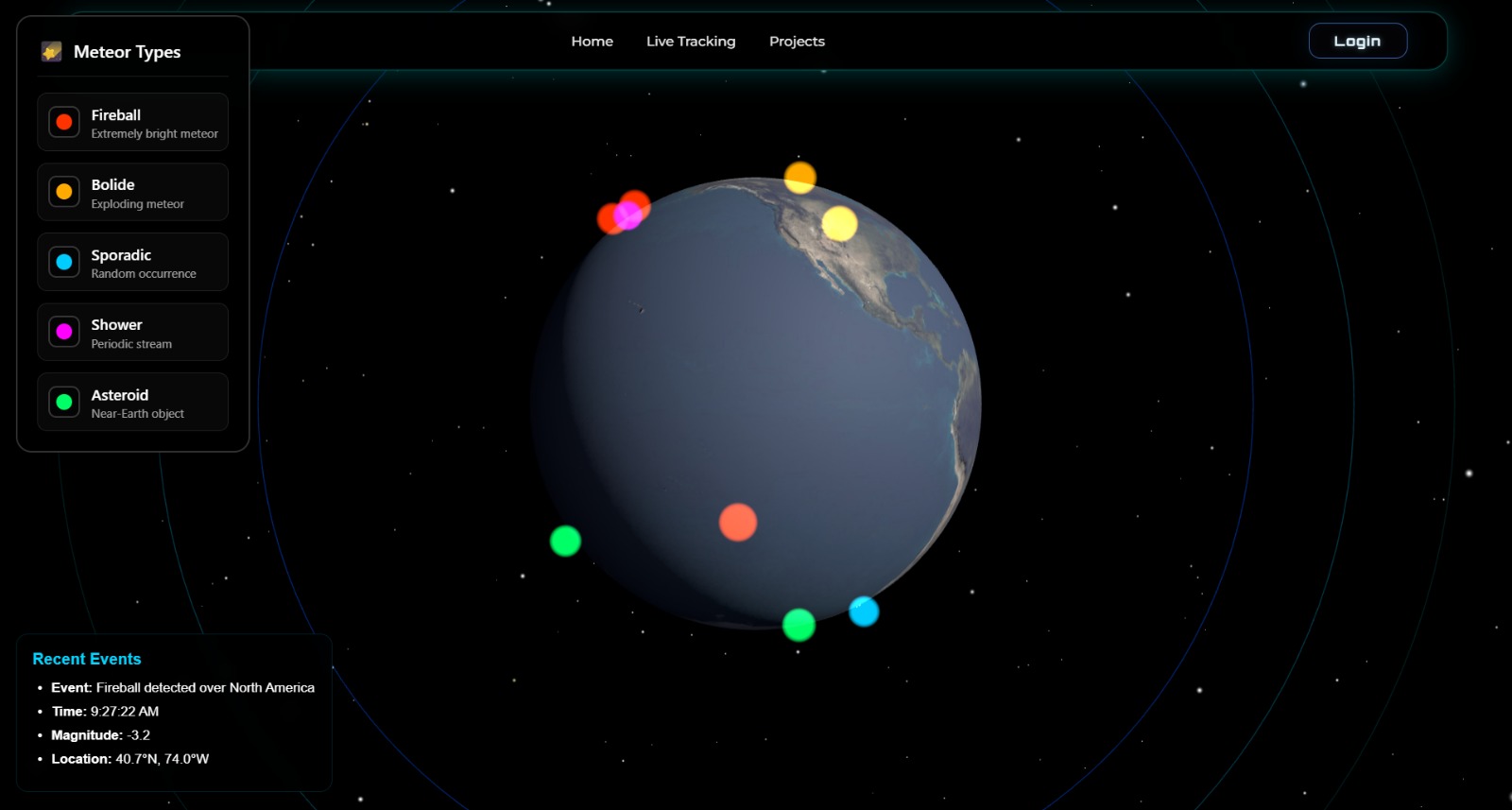
- Live meteoroid tracking
- Meteoroid Impact 3D Simulation
- An educative game to learn more about it
- An AI Agent to teach you with video and visuals
How We Built It
1. Frontend foundation with React
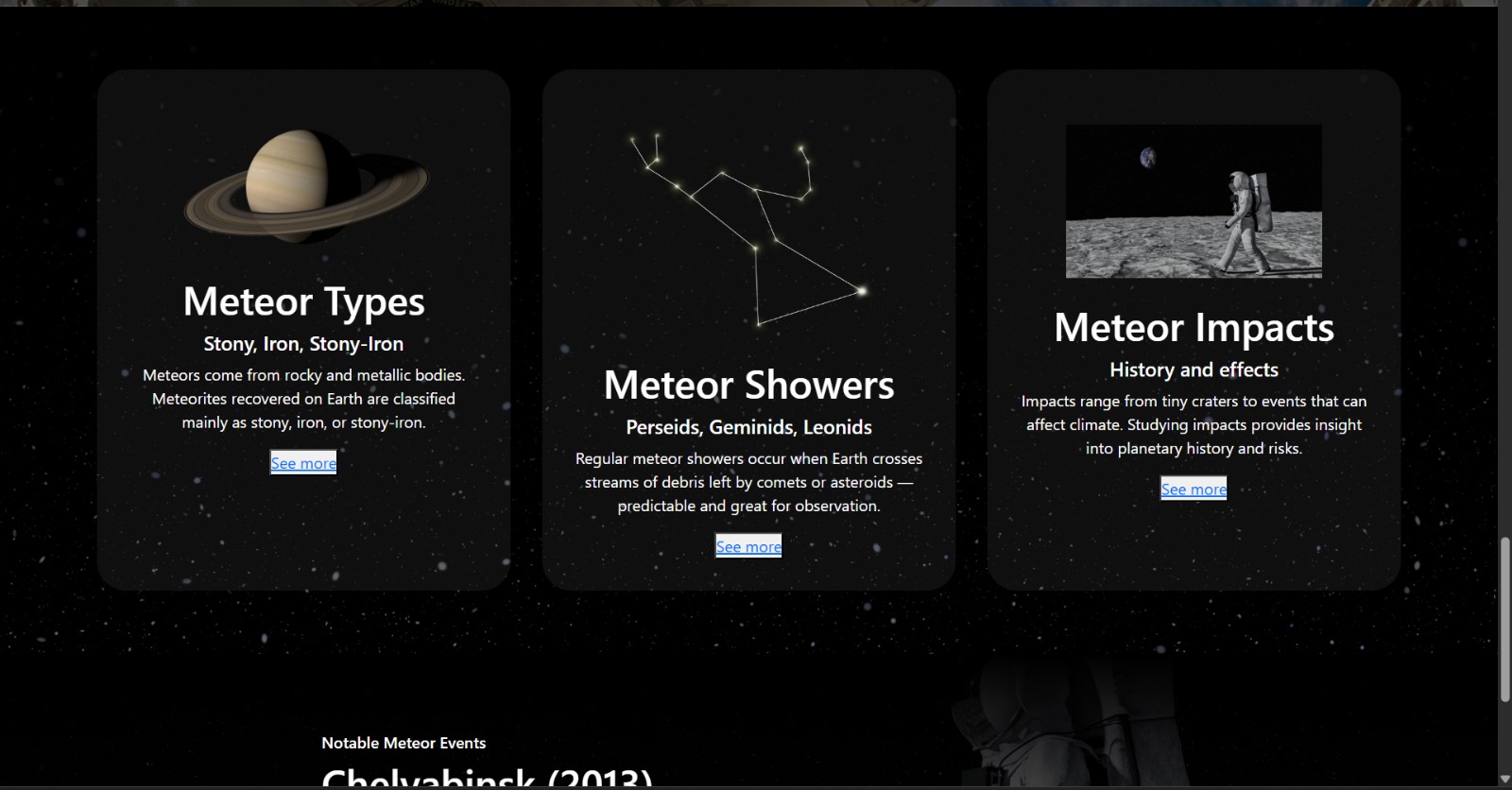
We built the entire interface using React, structuring it into reusable components for each section — Home, Learning Zone, Live Tracking, Fun Zone, and Impact Simulator. React’s state management made it simple to synchronize UI changes with user progress and API responses in real time.
2. 3D environment with Three.js
For interactive visualization, we integrated Three.js to render rotating meteoroids, asteroid belts, and orbit animations directly in the browser. We used shaders and lighting effects to simulate depth and realism, while keeping performance optimized through lightweight mesh geometries and controlled animation loops.
3. Dynamic interactivity and animation
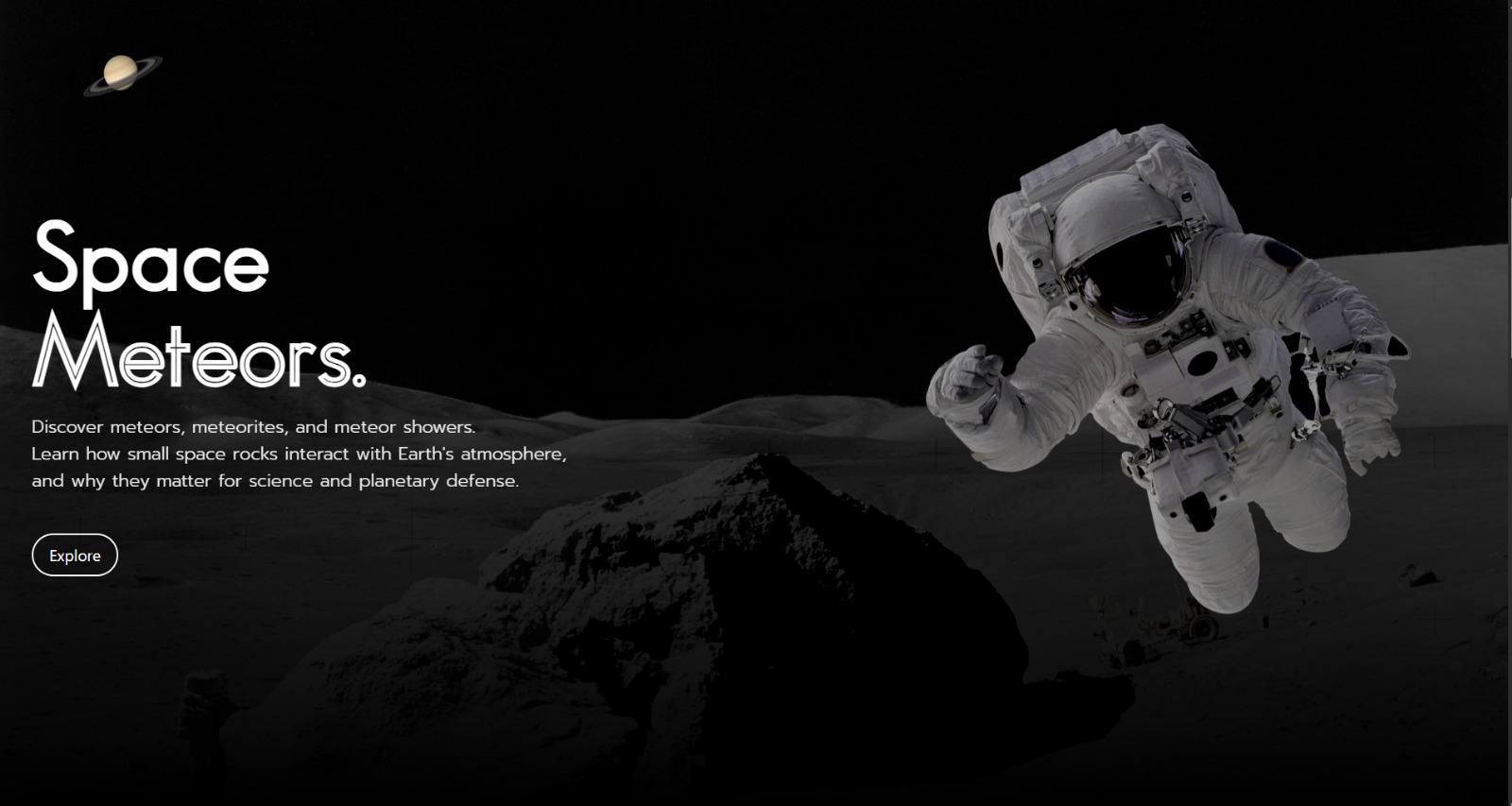
We combined CSS transitions and Framer Motion for smooth UI animations, enhancing user immersion. The layout adapts responsively across screens, and components dynamically load 3D models or flashcards depending on the learning phase.
4. Design and visual consistency
The dark-space aesthetic was crafted using a minimal palette (#020617, #0f172a, #38bdf8) with glowing accents for depth. Fonts like Orbitron and Space Mono reinforced the sci-fi tone, while the background used a particle system to simulate a living universe.
5. Integration and deployment
We hosted the frontend on Vercel, integrated it with the Spring Boot backend via secure CORS configuration, and optimized build performance using lazy loading and code splitting for faster load times.
Auth0 Integration
Auth0 Integration
We used Auth0 as the central identity layer across Ulka’s backend, agents, and React frontend. All users authenticate through a unified tenant with SSO, passwordless login, and adaptive MFA, ensuring both simplicity and security.
Roles are managed with RBAC and Actions, enabling dynamic authorization based on user type. The Universal Login was customized with Ulka’s dark cosmic theme, Orbitron font, and WCAG accessibility for a seamless visual experience.
Auth0’s Credential Guard, breached password detection, and log streaming provide enterprise-level protection and compliance. This let us focus on building interactive 3D learning instead of managing authentication — a secure, scalable identity core for all of Ulka.
Agent Dataflow (ADK + Gemini LLM)
The system uses Google’s Agent Development Kit (ADK) with Gemini LLM to coordinate four agents and multiple API tools.
When the User sends a request, Agent₁ interprets it and generates an initial text response. This response is passed to Agent₂, which collaborates with Agent₃ through three iterative reasoning loops: [ \text{Agent₂} \leftrightarrow \text{Agent₃} \quad (3\times) ] They refine the context, extract search keywords, and generate a structured data object:
{"text":"","image":"","news":"","paper":"","video":""}
Tool Invocation and Final Assembly
Based on the generated keywords, Agent₃ calls the right external API from the ToolBox, which includes:
- Video Tool — retrieves educational or reference videos
- Audio Tool — fetches relevant sound or narration data
- News Tool — extracts current information from news APIs
- Scholar Tool — gathers academic papers or research insights
After fetching content, Agent₄ aggregates all multimodal results — text, media, and research — to create a unified and context-aware response for the User Interface.
Challenges we ran into
- We found it really difficult to deploy our agent on google cloud run
Accomplishments we're proud of
- Built a sequential Multi Agent System (MAS) which completes a workflow. We used Google's Agent Development Kit and Gemini AI as the brain of the agent.
What We Learned
- Learned how to use Three.js to create immersive 3D visualizations for space education.
- Gained hands-on experience with multi-agent workflows using Google’s ADK and Gemini LLM.
- Understood how to orchestrate API-based tools for fetching real-time data like images, news, and research papers.
- Realized the importance of optimizing agent communication loops for faster, more accurate responses. ** The second try out link doesn't work as domain name is under approval.


Log in or sign up for Devpost to join the conversation.