-
-
Ujuzi AI
Inspiration
The rise of generative AI has been revolutionary—but deeply unequal. Most AI platforms assume people have access to the internet, smartphones, English fluency, and digital literacy. In Kenya and much of Africa, the majority of people still rely on basic 2G feature phones, communicate in local languages, and live outside the digital ecosystem.
We asked ourselves: What if the very people who could benefit the most from AI—farmers, parents, students in rural areas—were able to access it as easily as sending a text?
That question gave birth to Ujuzi AI: an inclusive, SMS-based AI assistant that works on any phone, in any language, without internet.
What it does
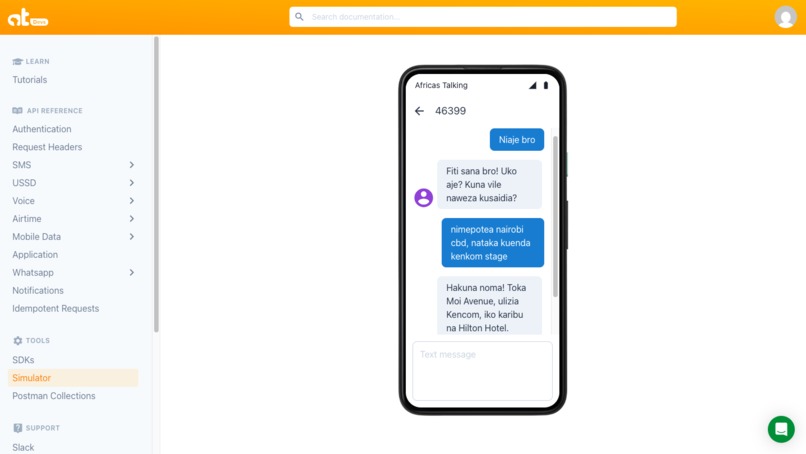
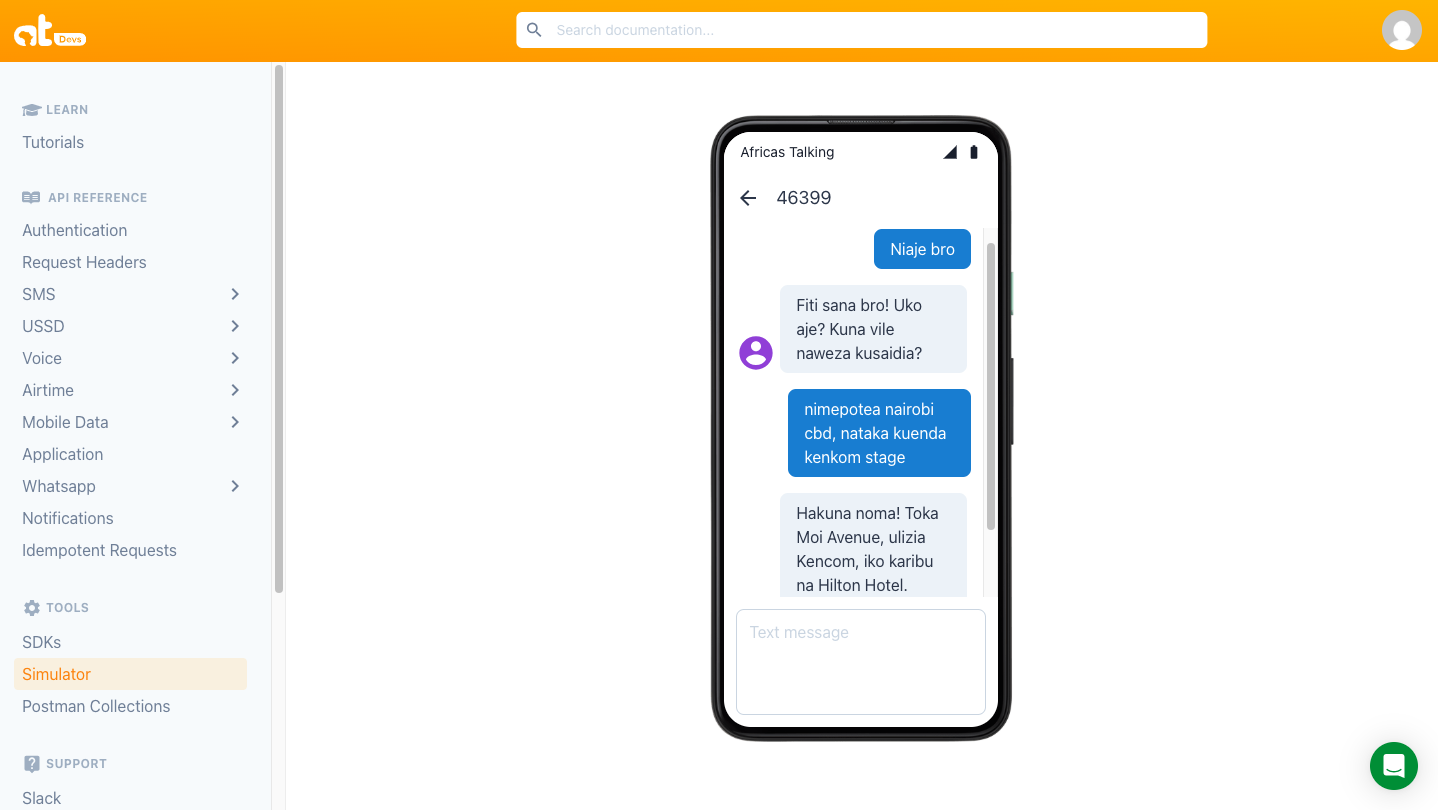
Ujuzi AI is an SMS-based AI assistant that works on both basic 2G feature phones and smartphones—no internet or English required.
Users simply text a question in Swahili or local languages, and the AI responds with helpful, localized answers in real time.
It can provide:
- Health information and guidance
- Agricultural tips (e.g., pest control, planting advice)
- Educational support and career insights
And it's all delivered via a simple SMS conversation.
We're currently building a voice-enabled feature so users who cannot read or write can call and speak directly to the AI in Swahili.
How We Built It
We started by building a prototype AI system that receives text messages via SMS, forwards the content to a language model (LLM) through a server-side Node.js backend, and responds instantly in the user's local language.
Key technologies used:
- Node.js & Express for the backend server
- OpenAI GPT API for language understanding and response generation
- Africa’s Talking SMS API for local SMS delivery and reception
- MongoDB for logging queries and responses
- Custom prompt engineering to enable multilingual support.
Challenges We Faced
- Latency: SMS processing and API response time introduced delays of about 5 seconds, which felt slow to users. We optimized caching and threading but plan to explore edge deployment for speed.
- Multilingual NLP: Supporting non-English queries consistently in Swahili and Sheng was a huge challenge, especially with slang and rural phrasing. We're working on training a more localized prompt pipeline.
- Cost of SMS/API calls: Running LLMs and SMS interactions is expensive at scale. We’re actively exploring cheaper LLMs and batching techniques to reduce overhead.
- User testing in remote areas: Due to time constraints, we weren’t able to do as much live user testing with rural communities as we would’ve liked—but that’s next.
- Non-literate users: Reaching people who cannot read or write requires a reliable, affordable voice interface—which we’re currently developing.
Accomplishments that we're proud of
- We built and deployed a working prototype that allows real-time AI interaction over SMS—on 2G feature phones!
- Engineered a system that supports non-English, local language input, which many mainstream platforms don’t.
- Created a solution that truly meets people where they are, rather than requiring them to adapt to tech they don’t have access to.
- Built something that could genuinely bridge the digital divide across Africa.
What We Learned
- AI is only powerful if it's accessible. Simplicity matters more than flashy tech when you're solving real problems.
- We deepened our understanding of how to build AI applications that work offline or on low-connectivity setups.
- We learned a lot about language inclusion and localization, especially how important tone, dialect, and vocabulary are for user trust and comprehension.
- Prompt engineering for underserved contexts is fundamentally different from mainstream chatbots. Local relevance is everything.
What's next for Ujuzi AI
- Finalize the development of voice-enabled AI assistant, allowing users to call and speak to the AI in Swahili
- Expand support to additional local languages and regions
- Partner with NGOs, county governments, and telcos for real-world deployment and scale
- Explore low-cost LLM alternatives to reduce per-interaction costs and increase sustainability
- Launch targeted pilots in healthcare, agriculture, and education, measuring real-world impact


Log in or sign up for Devpost to join the conversation.