-
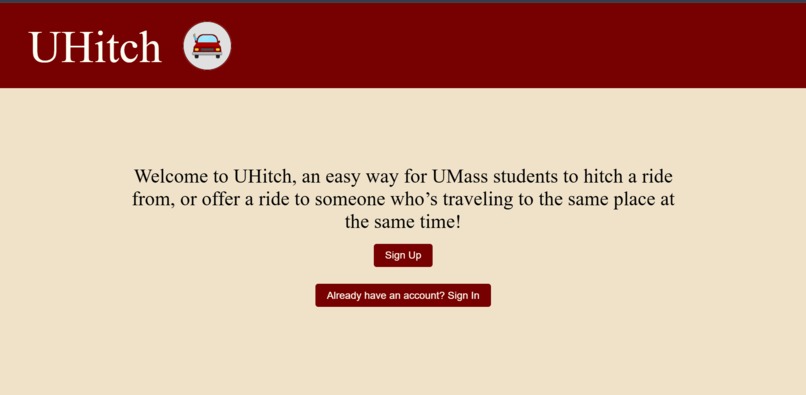
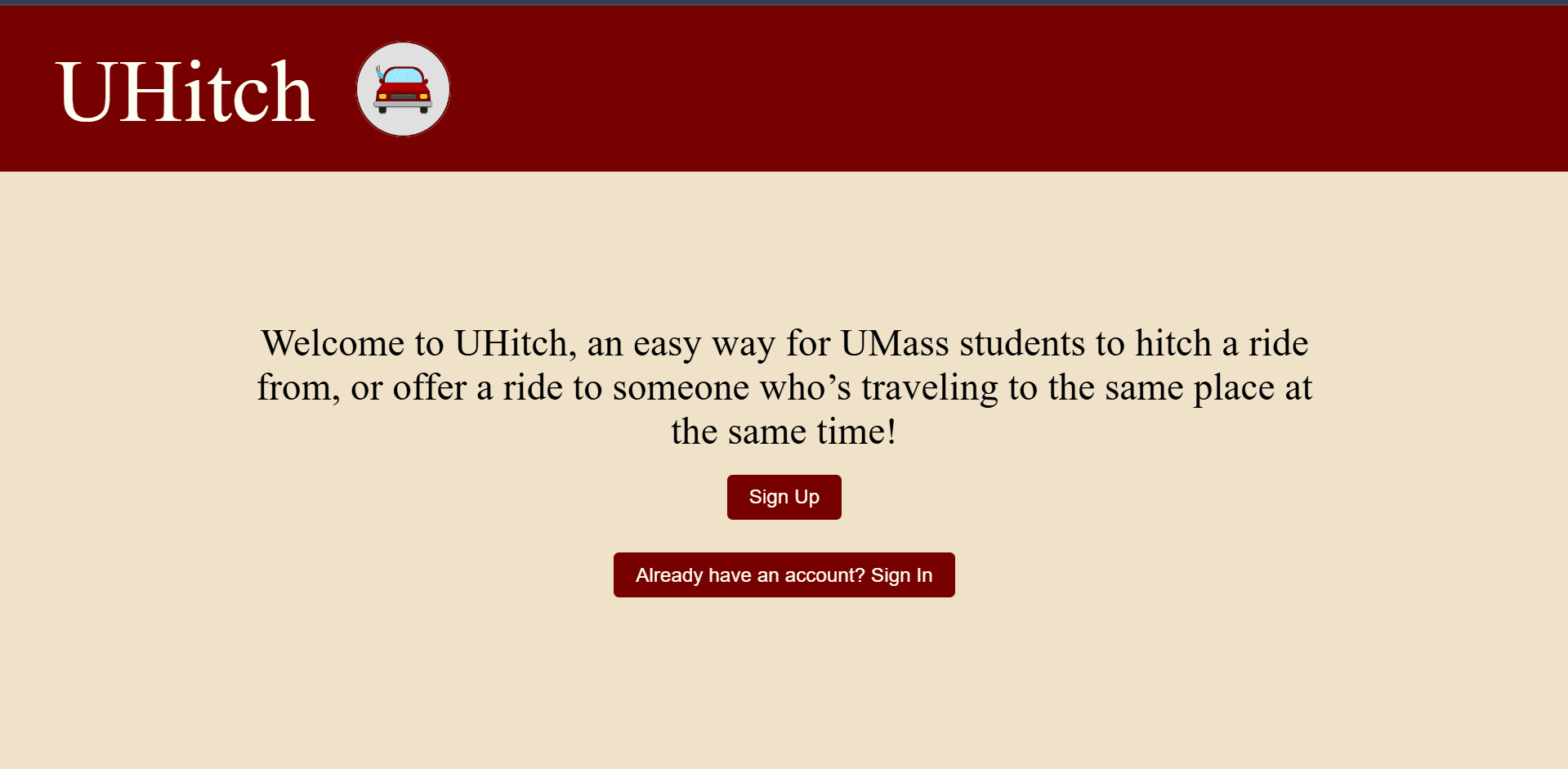
Welcome Screen
-
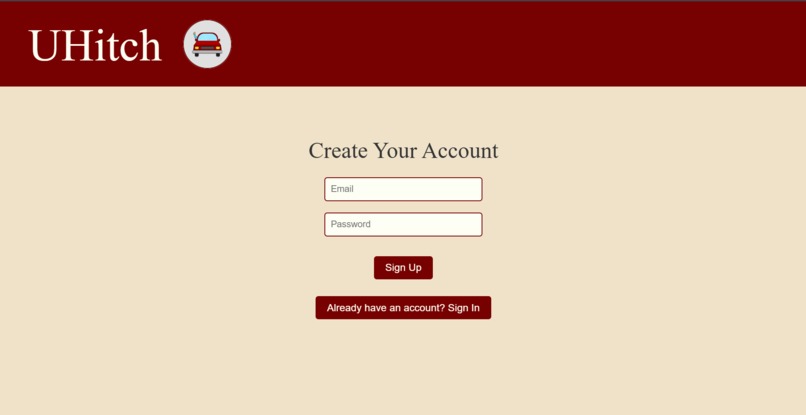
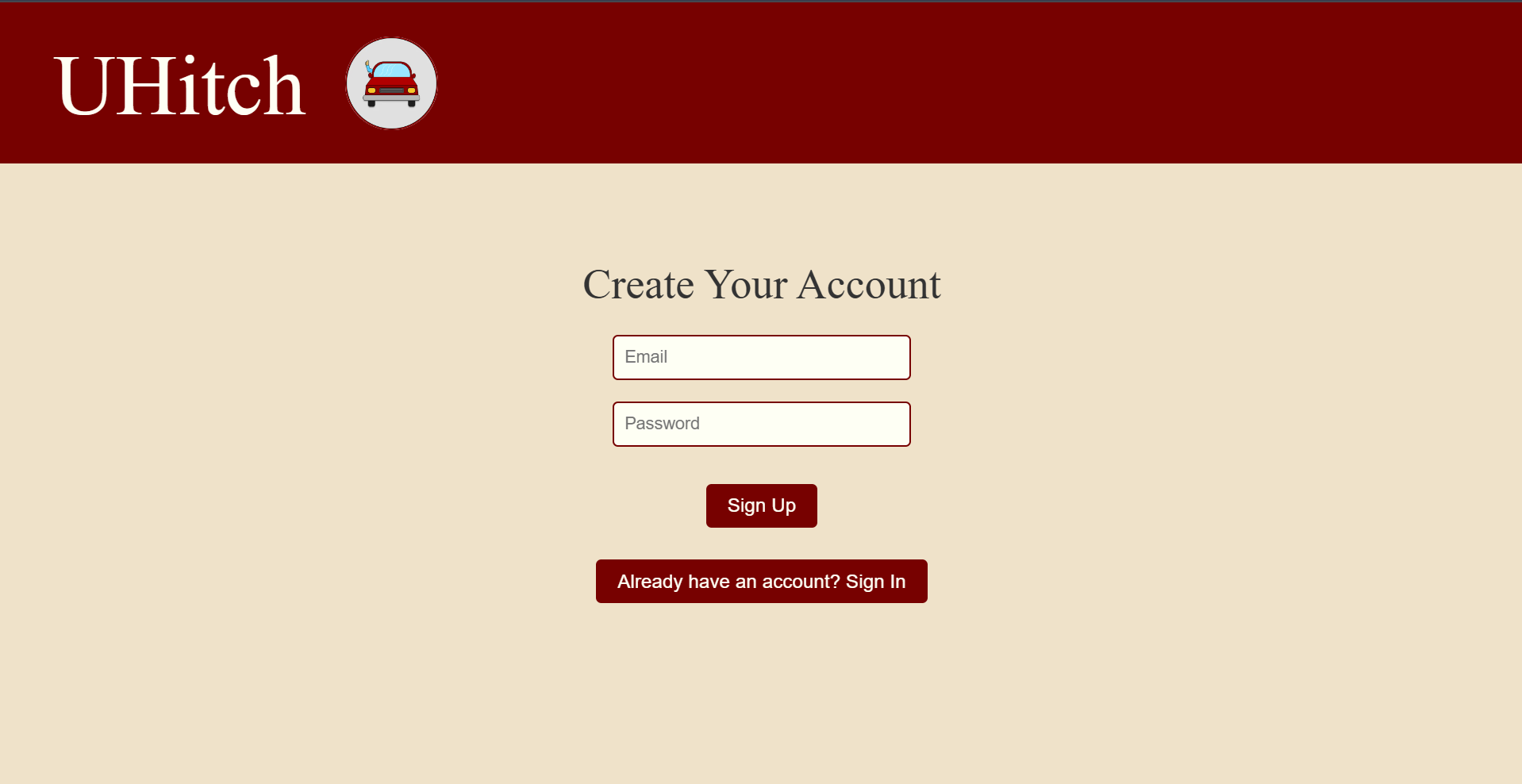
Create Account Screen
-
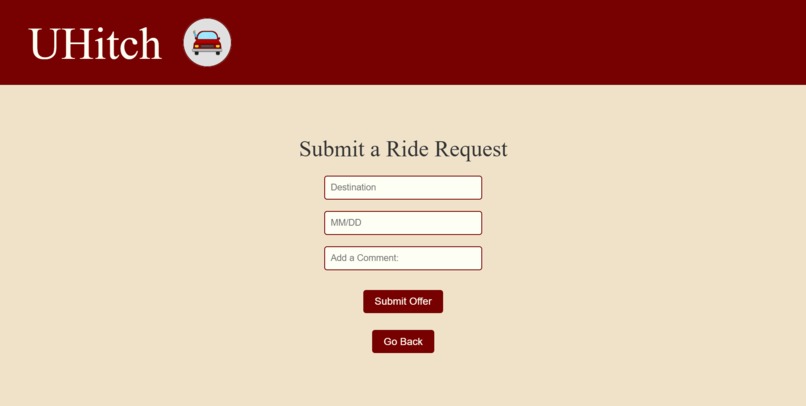
-
Inspiration
Last year, without a car at school, I faced a choice every holiday: spend $70 on bus rides or stay on campus. One weekend, I took the bus home, wishing there were a better way. Later, I realized I wasn’t alone—countless UMass students were posting on the UMass Snapchat stories, also searching for rides. That’s when our team decided to create a solution: an easy, eco-friendly way to connect students who need rides with those offering them.
What it does
Our app connects college students who need rides with others heading to the same destinations. Drivers with extra seats can post their trips, and students looking for a ride can easily search, view, and request to join those trips. The app provides a simple way to coordinate shared rides, making travel more affordable, reducing the environmental impact, and helping students build connections on their journeys.
How we built it
We split our team into front-end and back-end developers and chose the MERN stack to build our web application. For the front end, we designed the interface in Figma and brought it to life using React. On the back end, we utilized MongoDB Atlas for data storage and built our API with Express.js and Node.js.
Challenges we ran into
This was definitely a challenging project, as we started with little knowledge regarding web development. This meant we had to learn a lot of things on the fly. Specifically, we struggled with connecting our front-end components to our back-end components, as well as our back-end components to the database. We also started with ambitious hopes for our project, so there was definitely a pressure to get each task done in a timely manner.
Accomplishments that we're proud of
Our biggest accomplishment is that we have a functioning website after starting with little knowledge about full stack. We're also proud of being able to bridge both ends of the stack, creating an account system with an authenticator through jwt, and encoding passwords.
What we learned
We learned how to use Figma for web design, how to use the MERN stack (MongoDB, Express.js, React, Node.js), how to write React contexts, and basic authentication. We also learned how to divide crucial tasks based on individual strengths, as well as how to bring each of our works together into a cohesive and functioning product.
What's next for UHitch
One feature we'd like to implement is a way to estimate the cost of traveling to a destination based on the miles per gallon of a driver's car and the miles they are projected to travel. This would use web-scraping and data from Google Maps. We'd also like to finish implementing a way for users to interact with each other after one user expresses interest in another's request. This would allow them to share previously collected contact information only when both parties confirm the request. We were unable to implement it on time, but we also created a feature that enables a user to delete one of their posts. The option is currently hidden to the user. Lastly, our final step would be hosting the site non-locally, which would allow other students to use it.


Log in or sign up for Devpost to join the conversation.