-
-
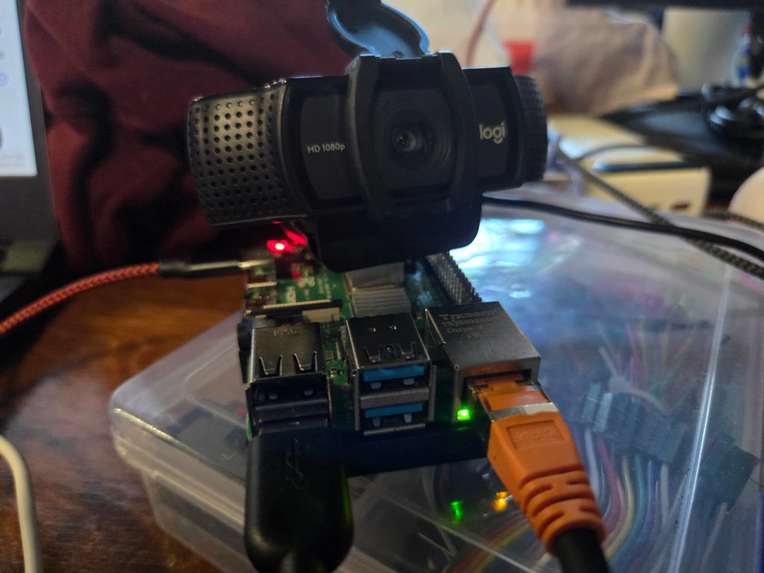
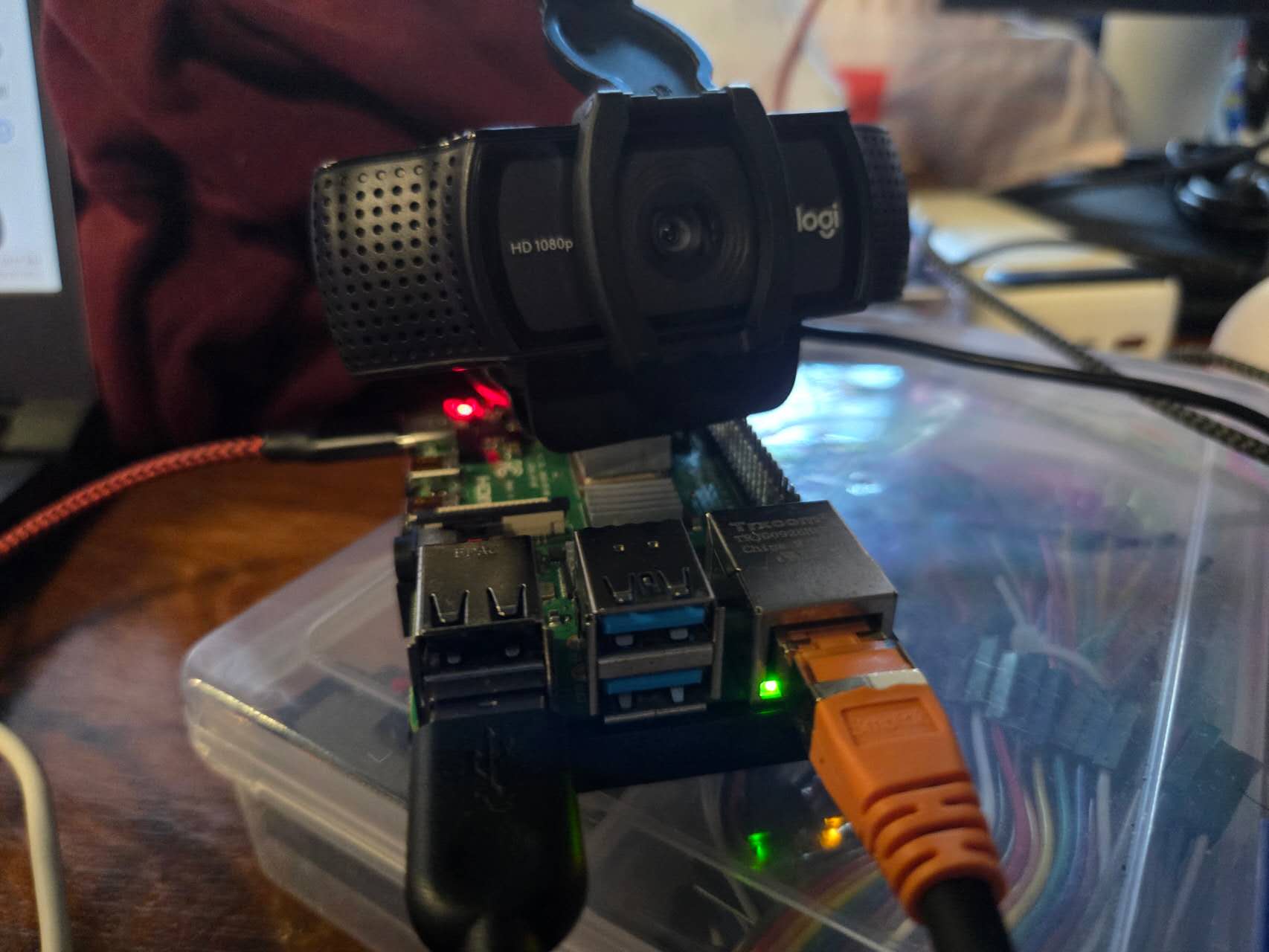
Camera to be operated while plugged in to a raspberry pi
-
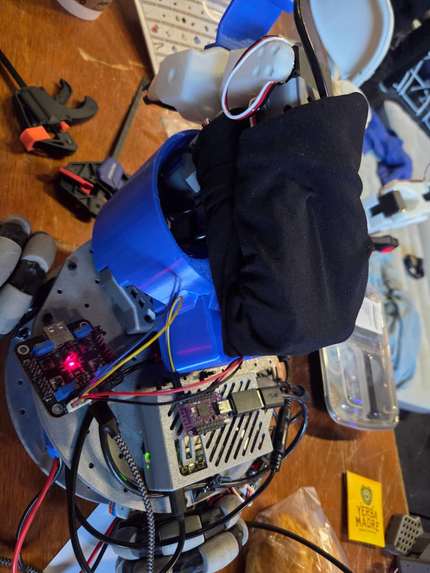
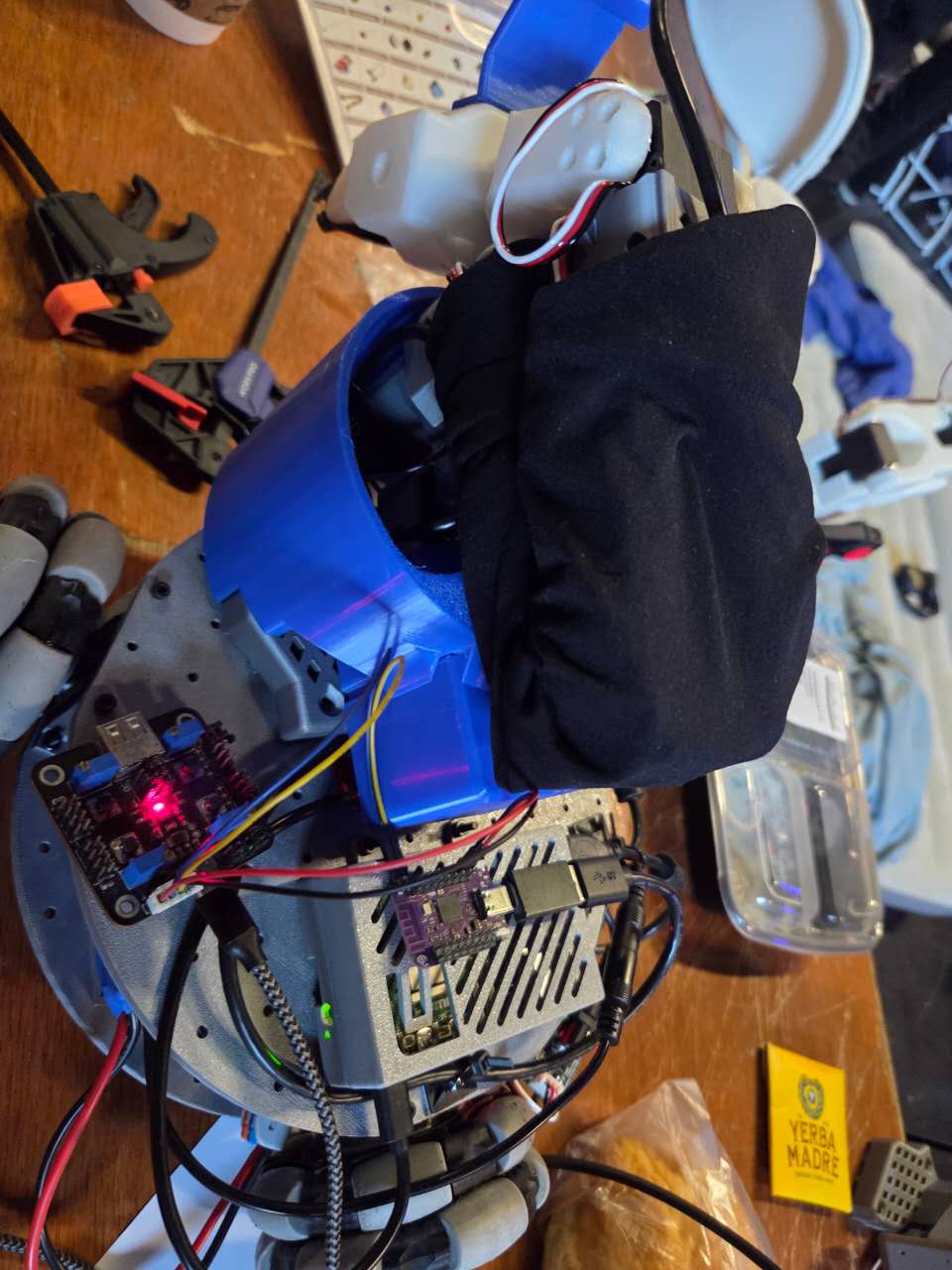
ESP32 on a Robot Arm, enabling the MCP server to easily detect the device
Inspiration
MCP is one of the hottest topics right now. It allows AI models to talk to software and do amazing things. But hardware developers got left behind in this. That’s what inspired us to build UCHub — to bring the same simplicity and power of MCP to the physical world, so hardware developers can finally join the conversation.
What it does
It standardizes how hardware interfaces and communicates extending the contextual understanding of MCP into the physical world. With UCHub, AI agents can easily interact with hardware devices through a unified communication layer. Despite how messy the setup or how many different physical connecting method is used, USB, Wi-Fi, Bluetooth, or GPIO, UCHub makes everything work together effortlessly.
How we built it
Read usb specification and usip protocol documentation, we were able to build a framework that can work on almost any microcontroller. Then we built a MCP service that uses this feature to reach to hardwares.
Challenges we ran into
We did not have any prior experience with MCP. So, developing that part took us a lot of time.
Accomplishments that we're proud of
One of our proudest moments was when we successfully used Claude Desktop to directly interact with a device remotely connected through an ESP32. Seeing an AI agent communicate with real hardware in real time proved that our framework works. We felt how this could help hardware devlopers in many aspects.
What we learned
We learned about methods to integrate hardware with AI agents and the MCP server applications.
What's next for UCHub
We plan to expand UCHub to support more communication protocols.


Log in or sign up for Devpost to join the conversation.