-
-
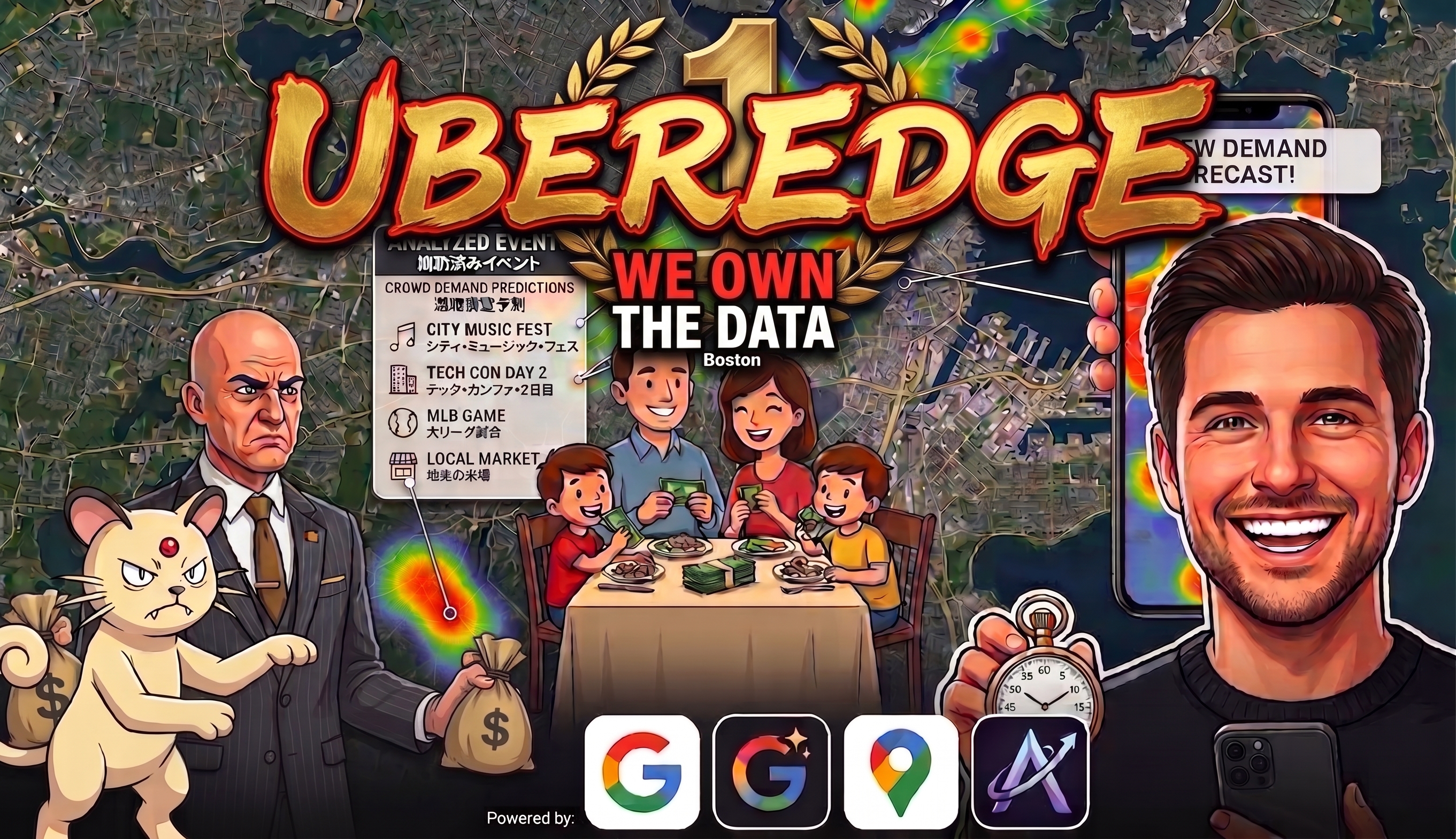
thumbnail
-
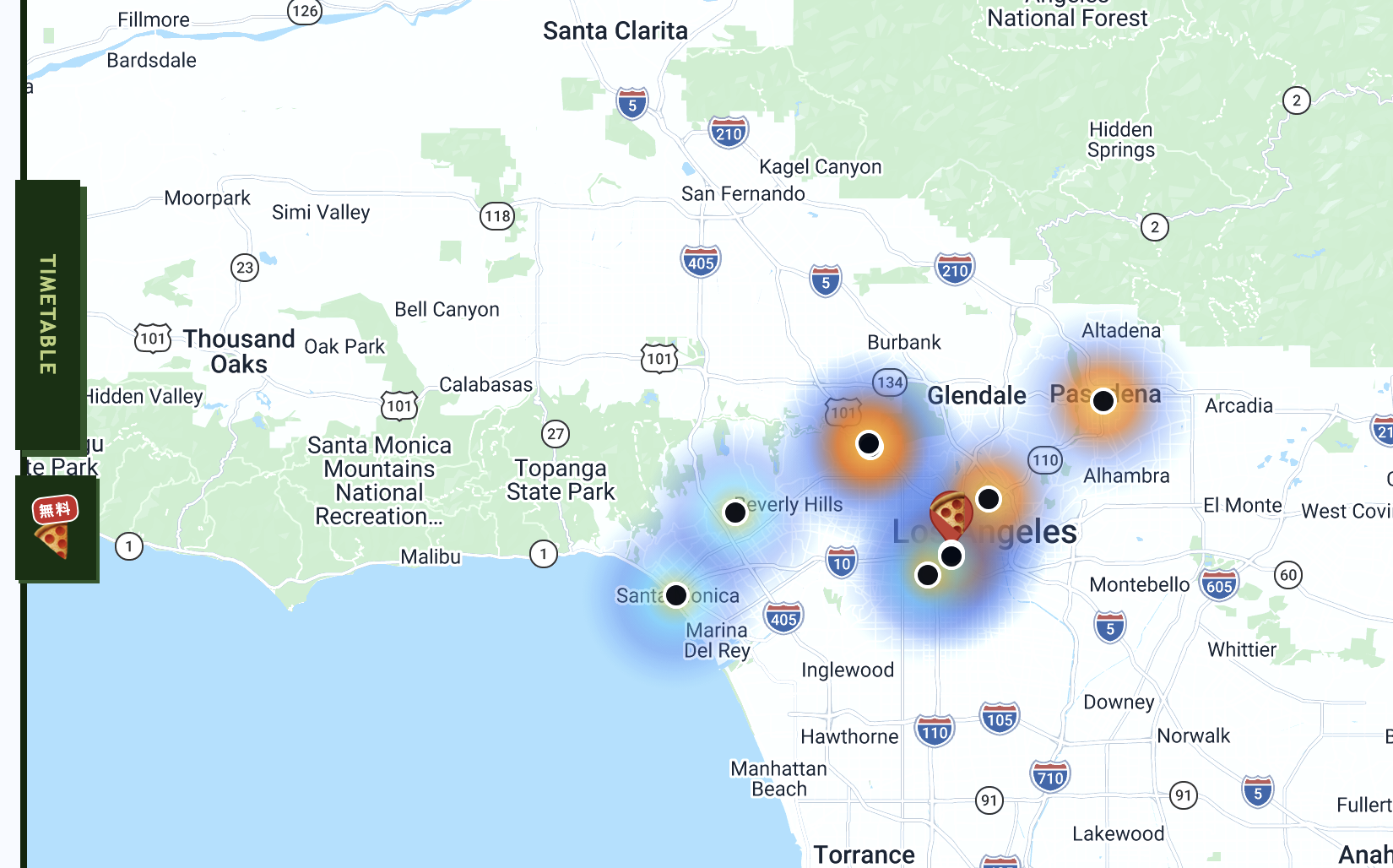
heatmap
-
-
-
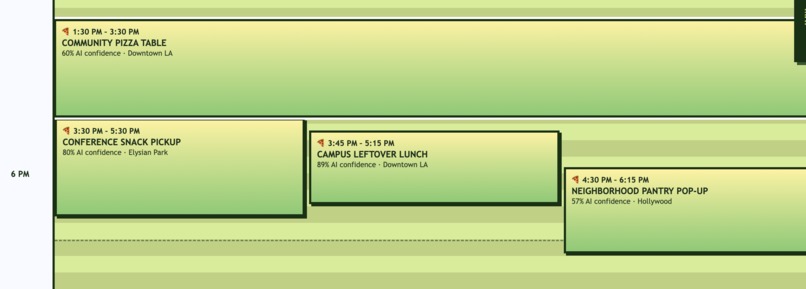
Free food navi
Inspiration
Workers should not have to wait for a platform to announce a surge before deciding where to go. Uberedge was inspired by firsthand delivery experience and the opportunity to combine computational modeling with Google AI to help workers anticipate demand rather than chase it.
What it does
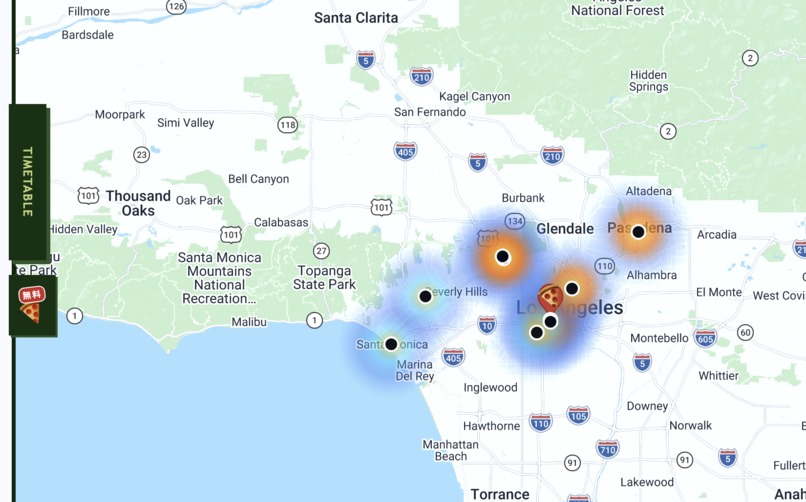
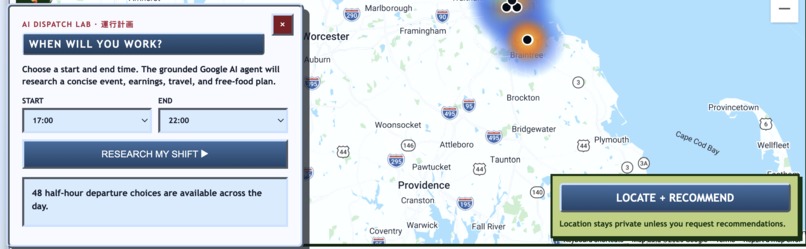
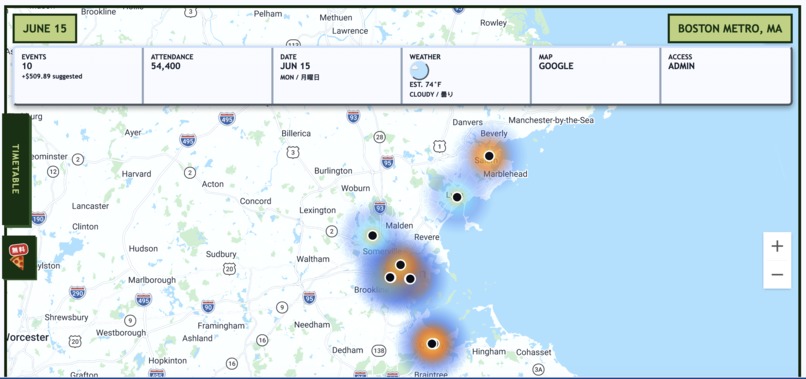
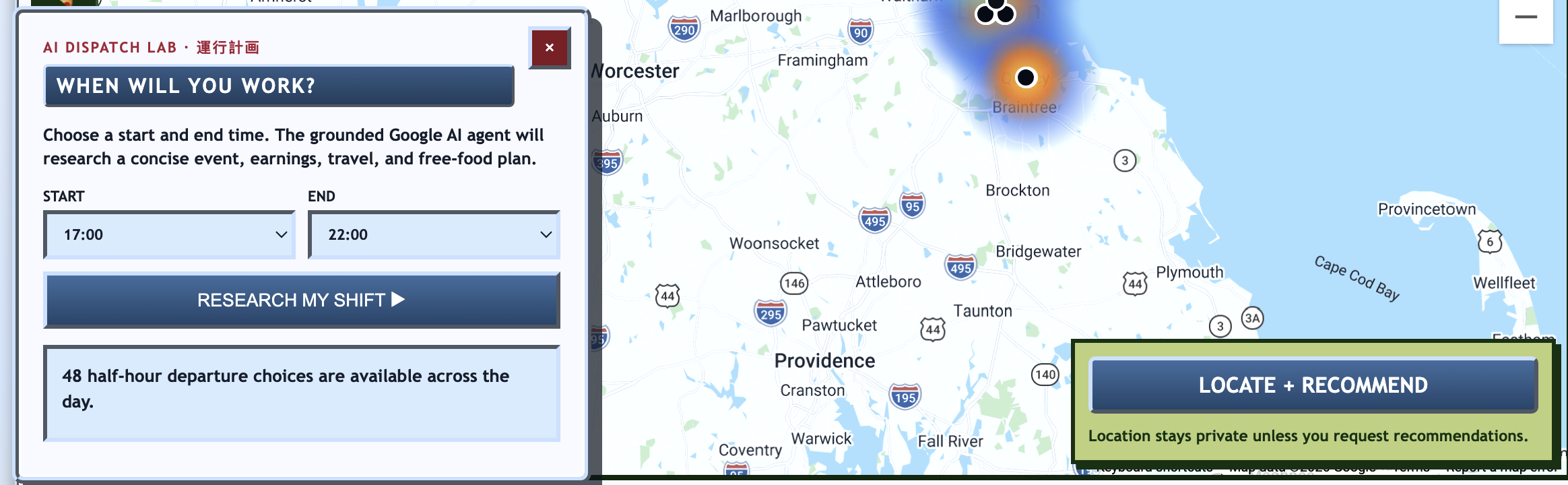
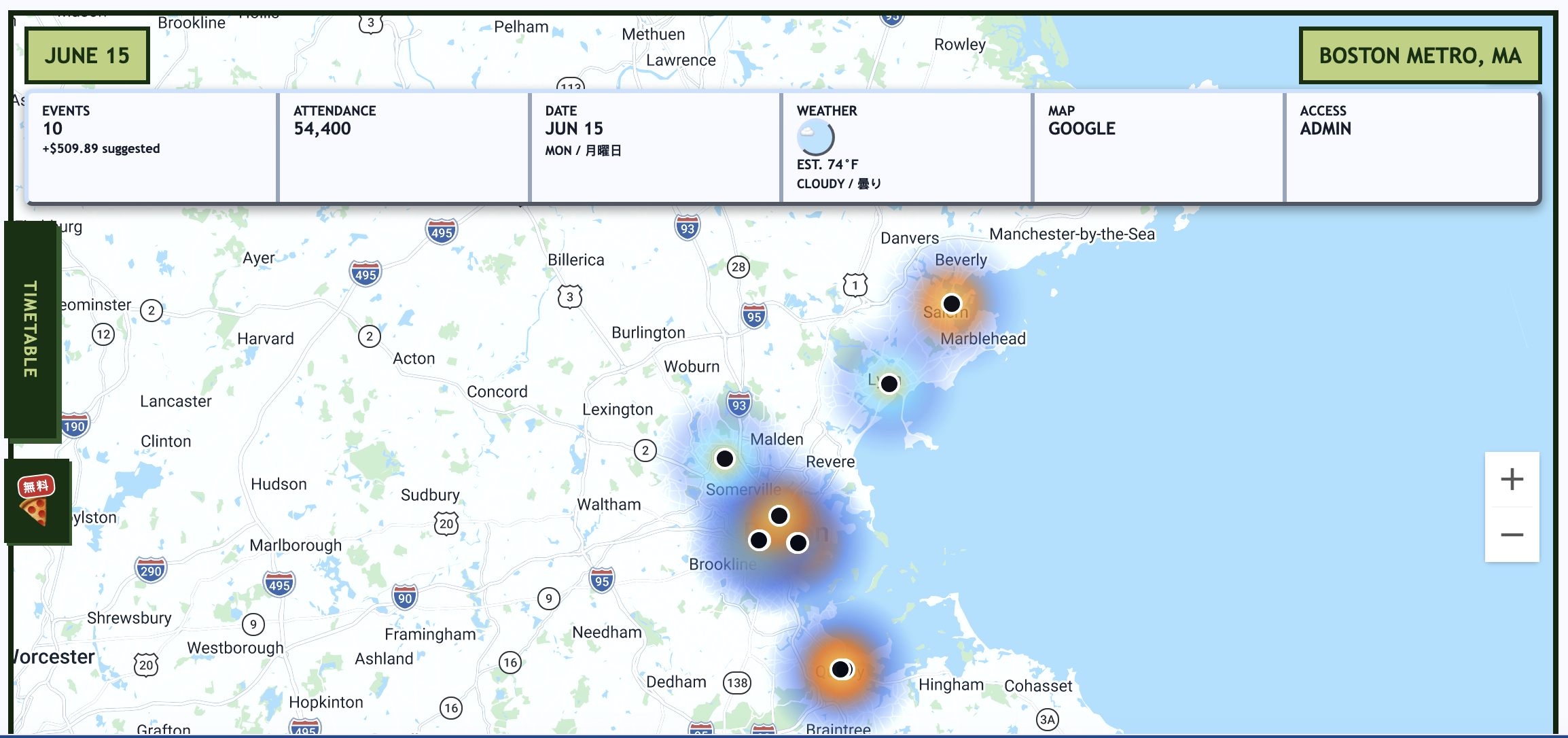
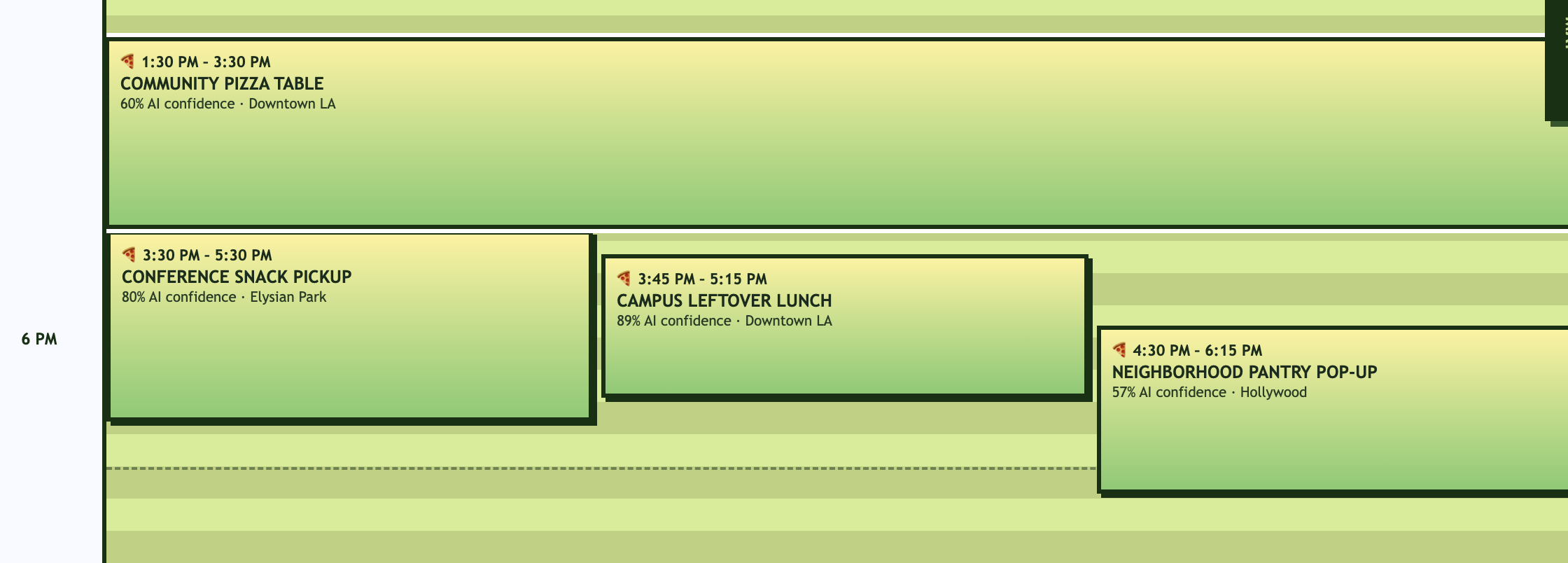
Uberedge combines AI-powered event discovery, daily predictive heatmaps, chronological schedules, and route suggestions. It helps rideshare, food delivery, and grocery delivery workers identify promising areas earlier, understand when events begin and end, and minimize unpaid waiting time. Its Gemini-powered questionnaire also provides concise recommendations based on the worker’s location, availability, nearby events, and free-food opportunities.
How we built it
We built Uberedge using only Google ecosystem. We provide chronological event and free-food timetables Through the Google Map API and AI Studio API, Uberedge uses supported Gemini 3.7, 3.6, and 3.5 Flash models to research events, estimate attendance, detect less obvious crowd signals, and generate location-aware recommendations. The system automatically discovers a compatible Gemini model and avoids retired models. The application is deployed on Google Cloud using Gunicorn, Nginx, and Cloudflare.
Challenges we ran into
The greatest challenge was converting incomplete and inconsistent event information into useful predictions. We also had to synchronize heatmaps, markers, timelines, and routes across two mapping systems while keeping the interface responsive. Other challenges included handling truncated or malformed Gemini responses, adapting to model availability changes, validating structured AI-generated event data, and ensuring that uncertain attendance and earnings estimates were never presented as guarantees.
Accomplishments that we're proud of
We created a working platform that transforms scattered information into an accessible daily demand forecast. Uberedge supports multiple metropolitan areas, presents events by location and time, distinguishes large and small crowd opportunities, identifies free-food stops, and provides personalized Gemini-powered suggestions. We are especially proud that the system uses Google AI Studio and Gemini Flash models to identify smaller demand signals that major platforms may overlook.
What we learned
We learned that predicting demand requires more than collecting major event listings. School dismissal times, shift changes, community classes, graduations, public appearances, and neighborhood gatherings may all create meaningful local demand. We also learned that integrating generative AI into a real application requires careful prompting, model discovery, output validation, timeout handling, transparent uncertainty, and reliable fallbacks.
What's next for Uberedge
Next, we plan to expand the quality and coverage of real-time data sources and continue evaluating Gemini 3.7, 3.6, and 3.5 Flash through the Google AI Studio API. We want to improve attendance and demand forecasting, incorporate traffic, transit, weather, and historical demand signals, and compare predictions with observed outcomes. We also plan to add personal-calendar integration, ios app, stronger route optimization, and support for more cities. Ultimately, Uberedge aims to give gig workers an independent AI intelligence layer for making earlier and better-informed decisions.

Log in or sign up for Devpost to join the conversation.