Inspiration
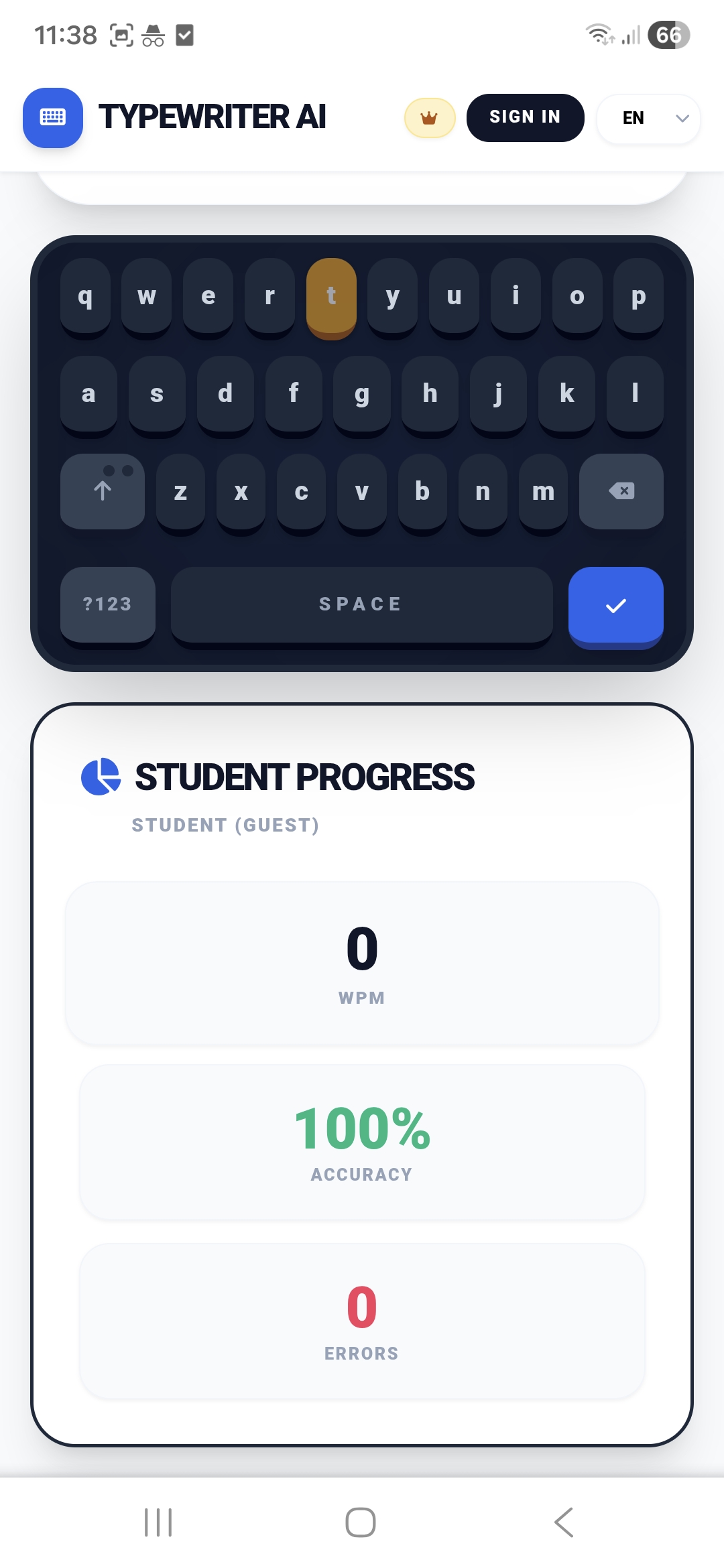
My concept for developing a Typewriter AI, a form of assistive technology, was motivated by combining the performance monitoring features of TypingTest.com with the functionality of Microsoft Word. I envisioned creating a solution that would integrate both elements, enabling students with disabilities to enjoy an enhanced learning experience through an audio typing assistant that provides immediate feedback to the student both during and after they input a character using a computer keyboard.
What it does
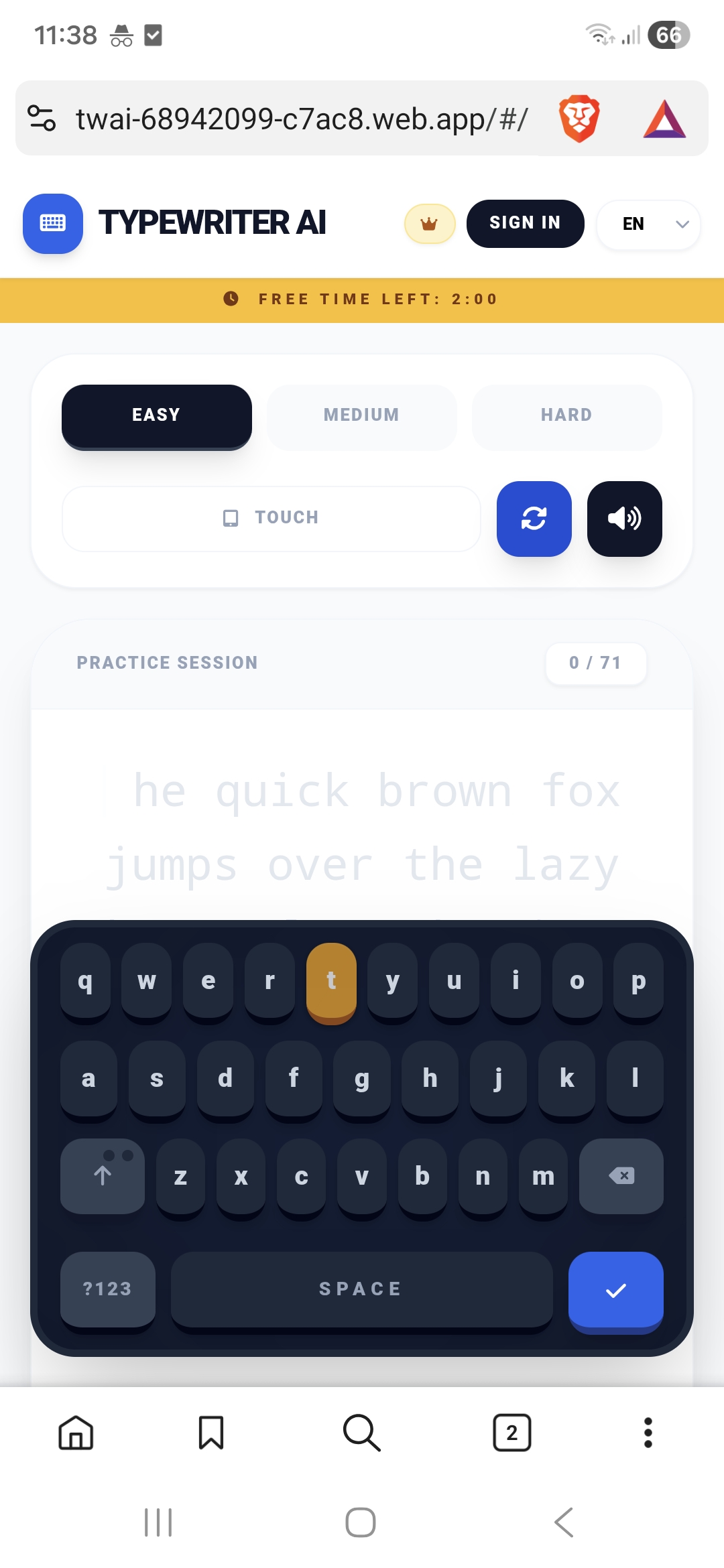
For pupils, typewriter AI serves as an instant friend. Similar to a typing test, it tracks accuracy and speed in words per minute (WPM) while the user types. Additionally, Typewriter AI serves as a word processing tool that "speaks back" to the user both prior to and following their typing. Students benefit from the fact that each character, space, or backspace key push correlates to a phoneme or auditory signal.
How we built it
Using TypeScript and React, I created Typewriter AI on Google AI Studio, which makes use of the Gemini API to create dynamic, multilingual narratives. This guarantees that the content is always new. Using the online speech API to create the audio assistant that speaks each character was essential for the assistive technology portion of this project. Additionally, student performance has been measured using performance indicators like accuracy rates and WPM.
Challenges we ran into
Deploying the application with Firebase Hosting and Cloud Run (cloud account billing setup error), enabling the Gemini API to generate stories without requiring an upgrade to a Blaze plan.
Accomplishments that we're proud of
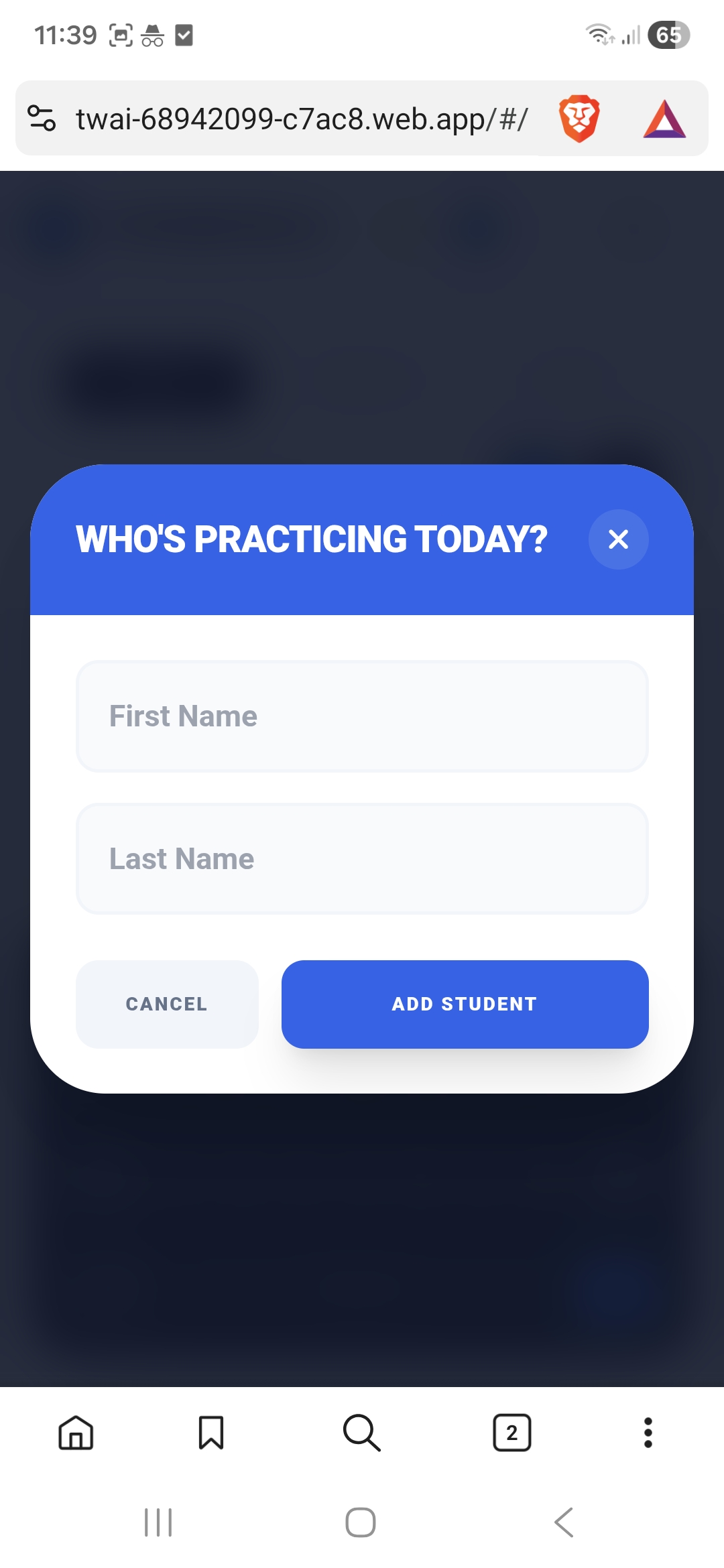
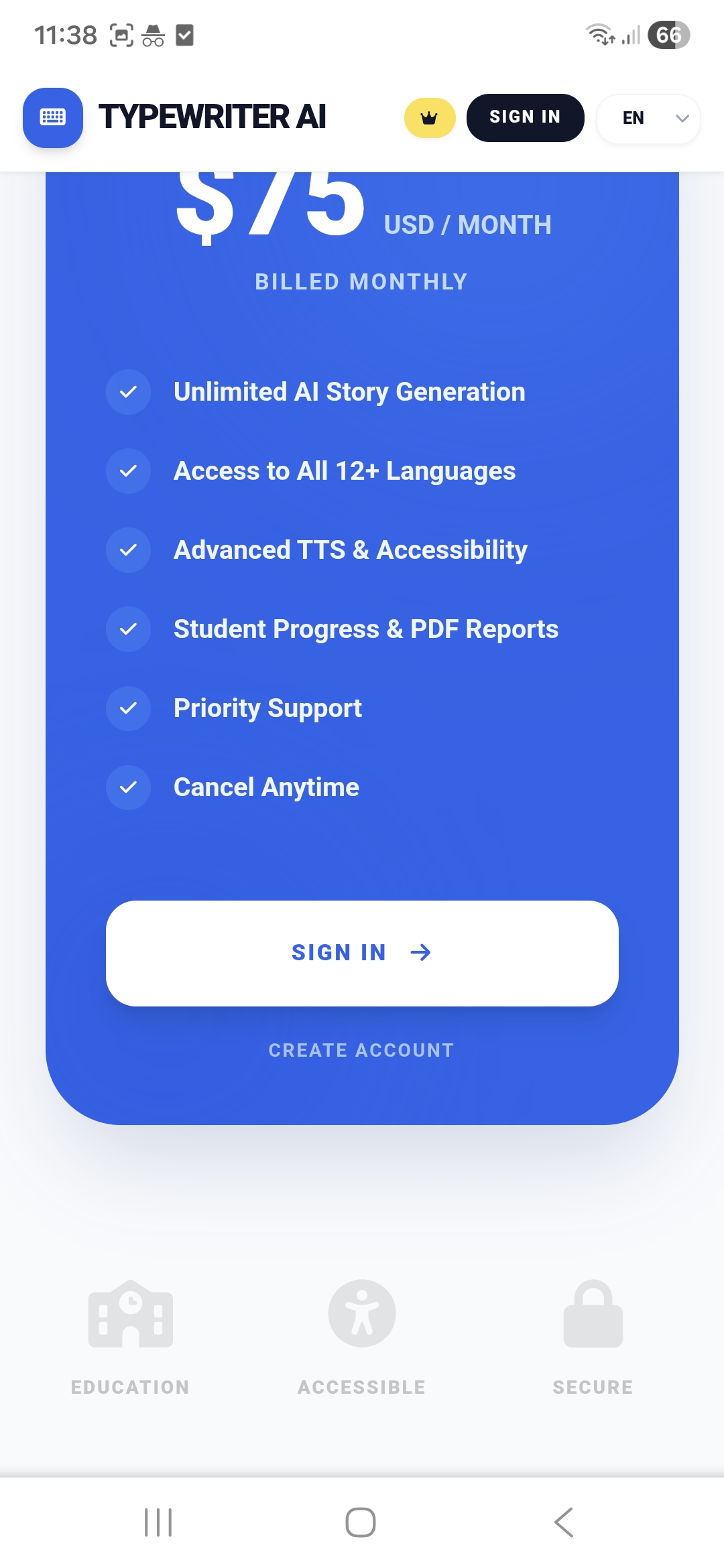
When implemented via Google Cloud Platform, Typewriter AI has great potential and can instantly scale across whole school districts. Students with impairments will have a new method of learning on their own by incorporating Gemini-driven story creation and real-time audio support into the classroom, giving them a voice-led writing experience. With the right cloud infrastructure, we can improve digital literacy for thousands of students worldwide. This is demonstrated by the ability for instructors to create formal progress reports and manage multiple student profiles, transforming what was once only a typing tool into a full-fledged academic aid.
What we learned
There is no "one size fits all" approach to accessibility; learning requires sensory reinforcement. Our brains function better when we use all of our senses to learn.
What's next for Typewriter AI
In addition to our current performance tracking capabilities, we intend to introduce other languages and a dedicated Exam Mode.
Built With
- gemini-api
- google-web-speech-api
- react
- typescript

Log in or sign up for Devpost to join the conversation.