-
-
RealiTV - Bringing Stories into the real world...
-
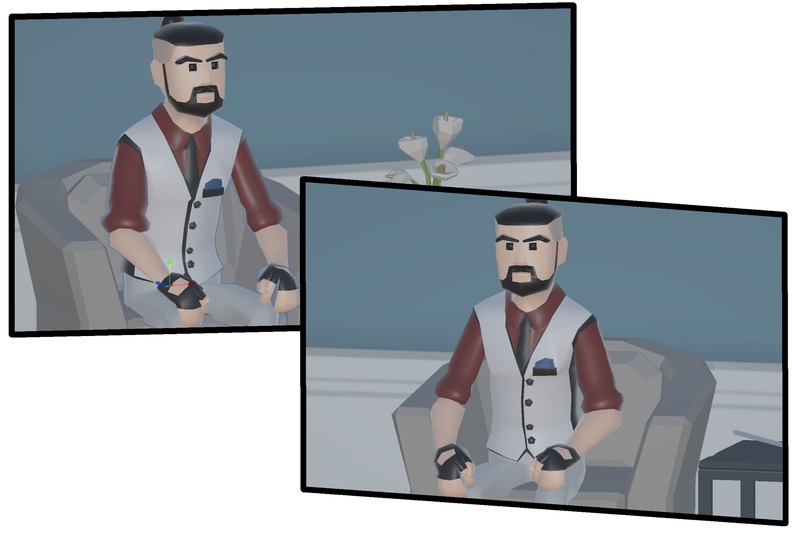
Experience _true_ 3D cinema or gaming on a flat screen...
-
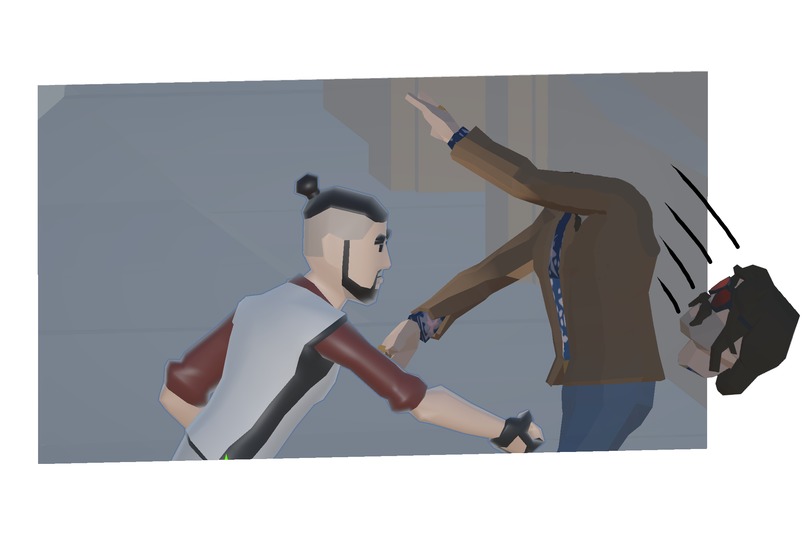
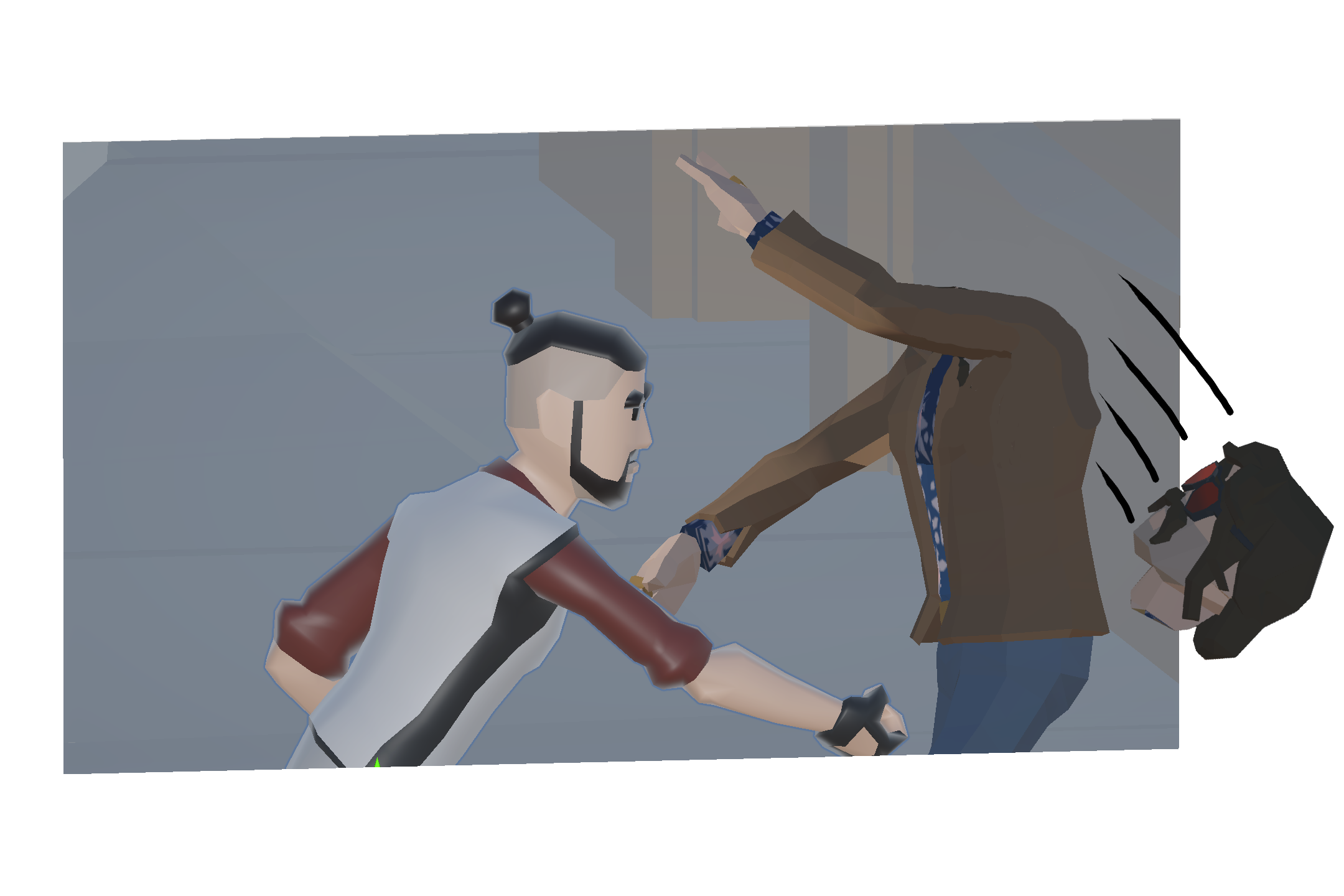
Experience cinematic elements breaking out into the real world...
-
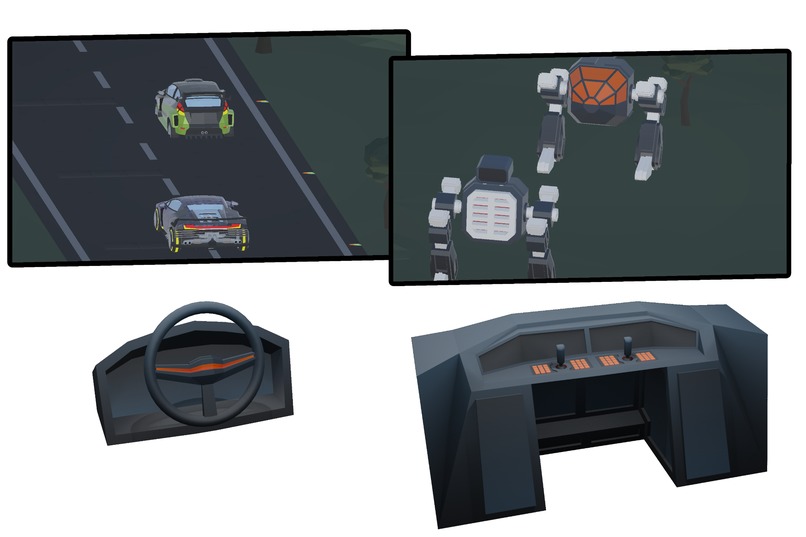
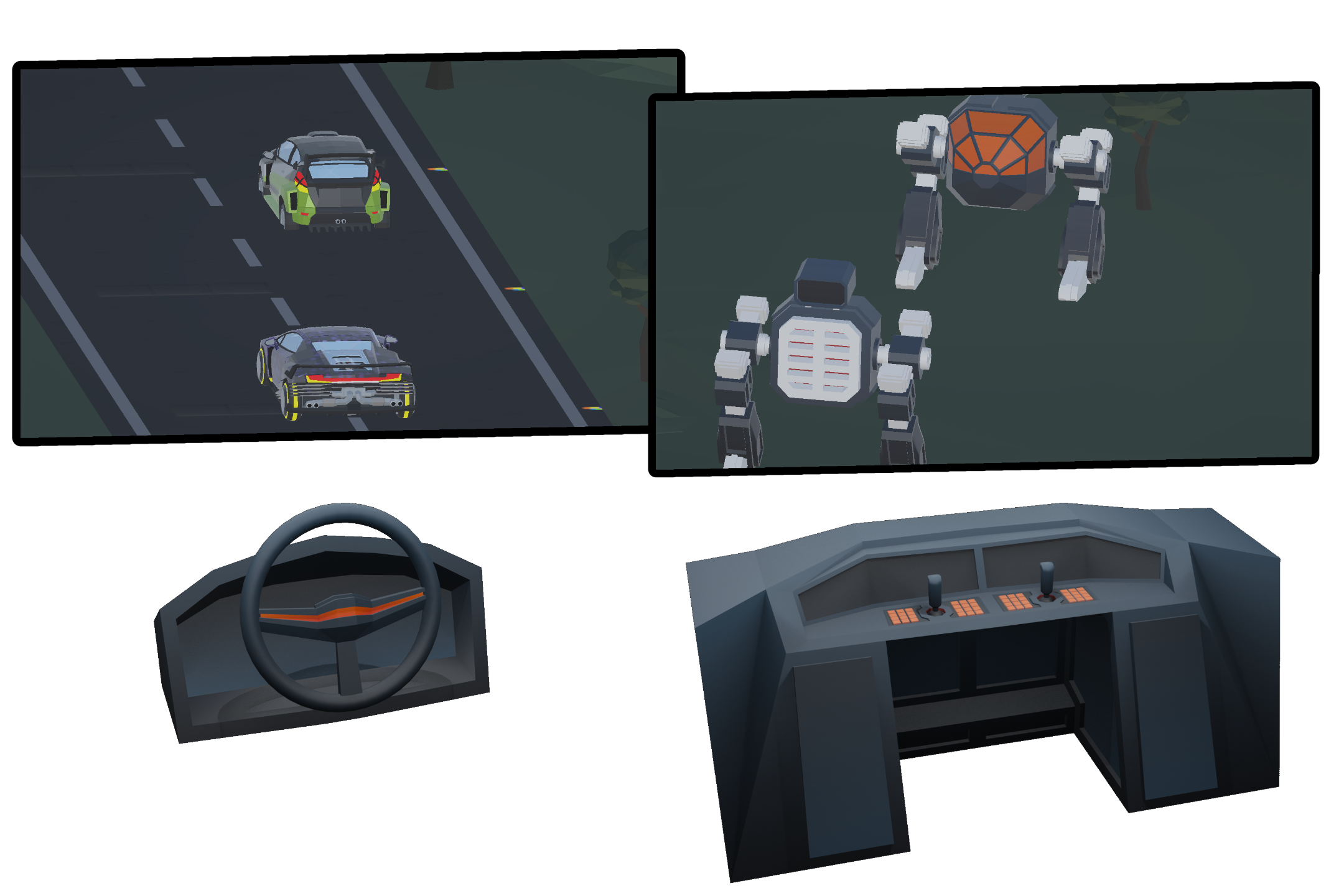
Create custom controllers for games..
Inspiration
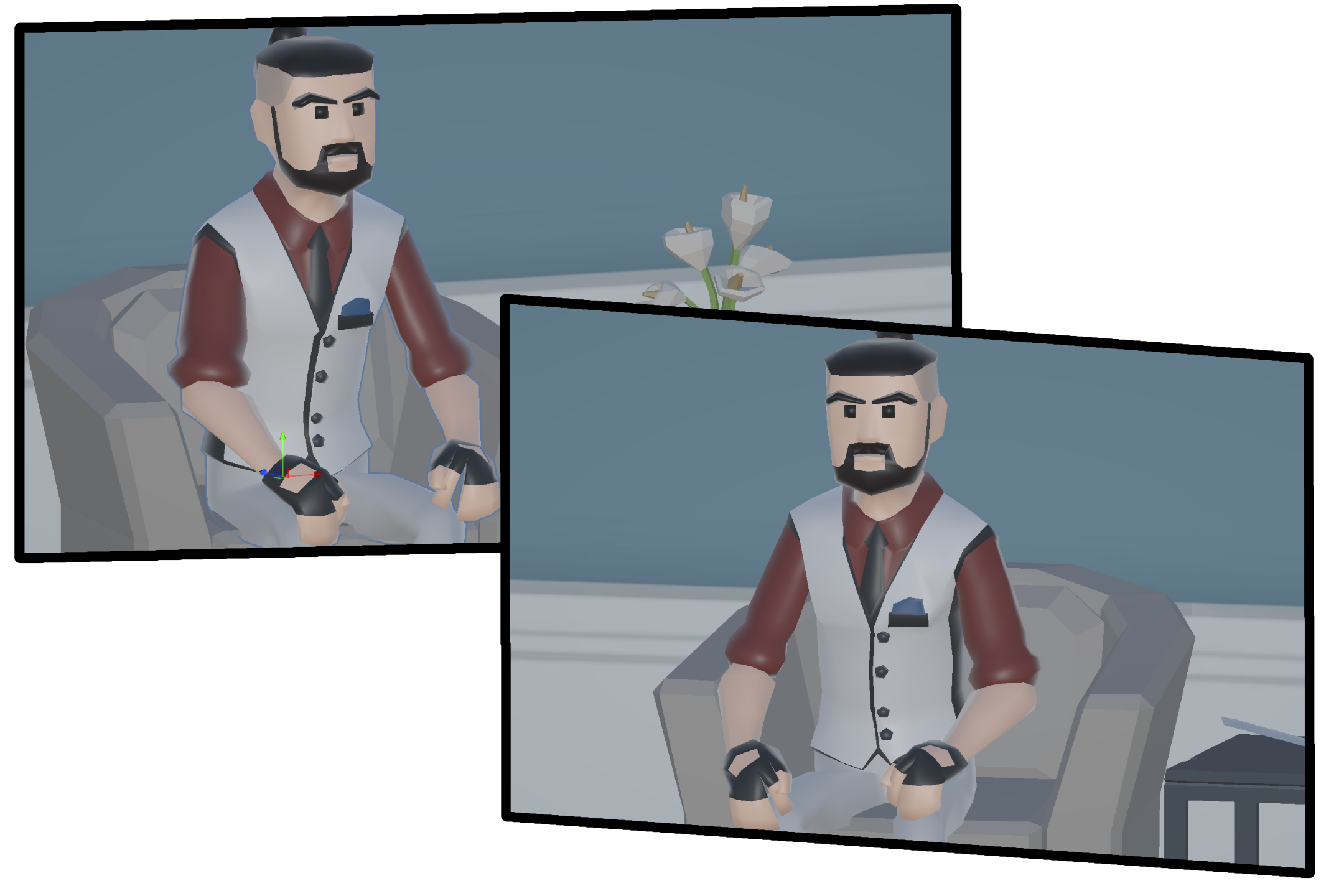
RealiTV explores what happens when we take the familiar language of films and video games—framing, composition, pacing, staging—and bring it into true 3D space. Instead of watching a world through a camera, we let that world exist behind a dynamic portal you can interact with. The goal is simple: turn passive viewing into an immersive, interactive cinematic experience.
What It Does
This prototype demonstrates the foundations of “screen-portal cinema.” It includes:
- A virtual screen that behaves like a window into a 3D scene (using stencil/cutout shaders, precise placement, scaling, etc.)
- A timeline-driven, movie-style sequence
- Early interaction concepts such as grabbable assets and the beginnings of a scene API
By replacing a traditional TV screen in your environment, RealiTV shows how a cinematic experience can gain all the benefits of XR: depth, interaction, spatial presence, and Meta SDK features.
How We Built It
RealiTV was created in Unity 6.2 using the Meta SDK v81 and Synty’s low-poly asset packs. Much of the development effort went into getting many different systems—custom shaders, timeline, animation, spatial logic, and interaction—working together smoothly.
Challenges We Ran Into
As a 3D generalist rather than a dedicated programmer, the technical implementation was the most difficult part of the process. Many tutorials for portal-style rendering were built for Unity 2022 or older Meta SDK versions, so updating and adapting them required considerable debugging. With a tight deadline and scattered documentation, several features had to be simplified or cut entirely. Ultimately, the functional prototype you see was built in just over a week once I found more up-to-date reference.
Accomplishments We’re Proud Of
The biggest success was proving that the “immersive screen portal” works exactly as imagined. Now that a foundation exists, the experience can grow gradually—even as a solo project. With more time and resources, I can envision integrating the full Meta toolset: Scene and Depth API, hand tracking, spatial audio, occlusion, and more. Nearly every part of the SDK presents a creative opportunity for this medium.
What We Learned
Sometimes the best way to innovate is to take a step backward—re-examining a familiar medium through a new technological lens. Recreating a TV-based experience in XR opens up so many design and interaction possibilities. I also deepened my technical skills across shaders, and Unity’s animation pipeline—knowledge I plan to use both for RealiTV and for future XR tabletop and hybrid-media concepts.
What’s Next for RealiTV
The next step is to expand this into a longer, more polished, and truly interactive cinematic story using higher-quality assets or create a small old school video game and see what can be done with this new medium creatively. I’ll also be looking for a programmer/developer to help evolve the prototype into its full potential. Beyond narrative experiences, I plan to explore how traditional 2D games could “break out” of the screen and spill into the player’s room in playful, unexpected ways.
Ultimately, RealiTV hints at a new storytelling or gaming medium—and I’m excited to keep exploring its full potential.
Built With
- meta-sdk
- synty
- unity


Log in or sign up for Devpost to join the conversation.