-
-
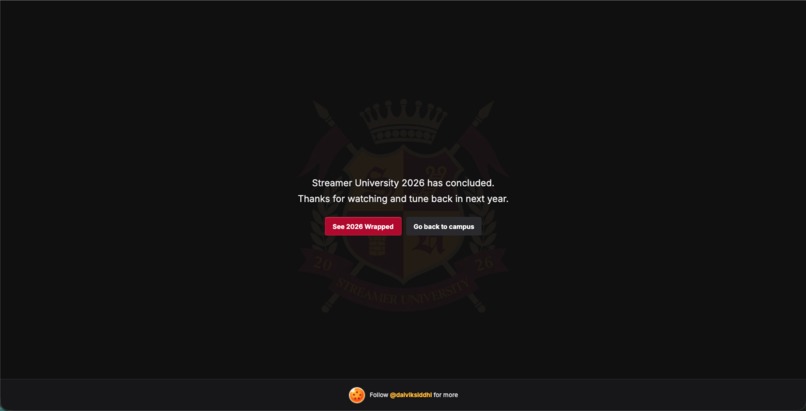
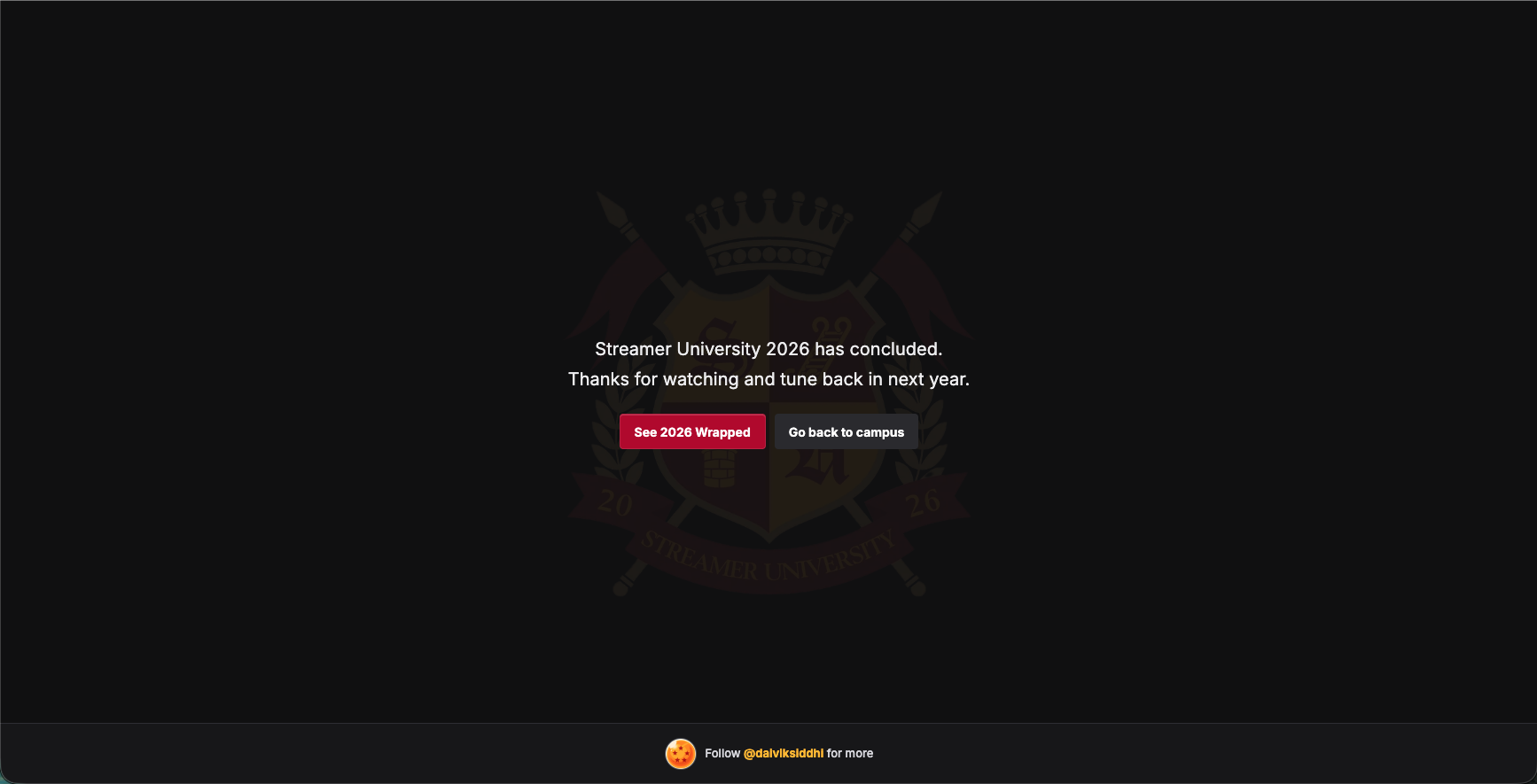
What you see now
-
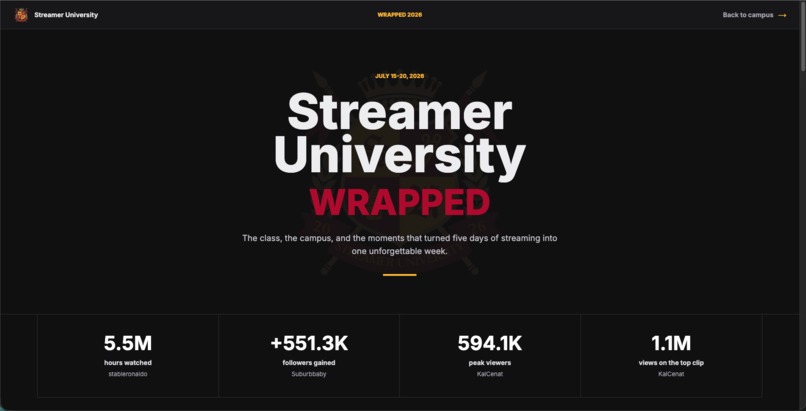
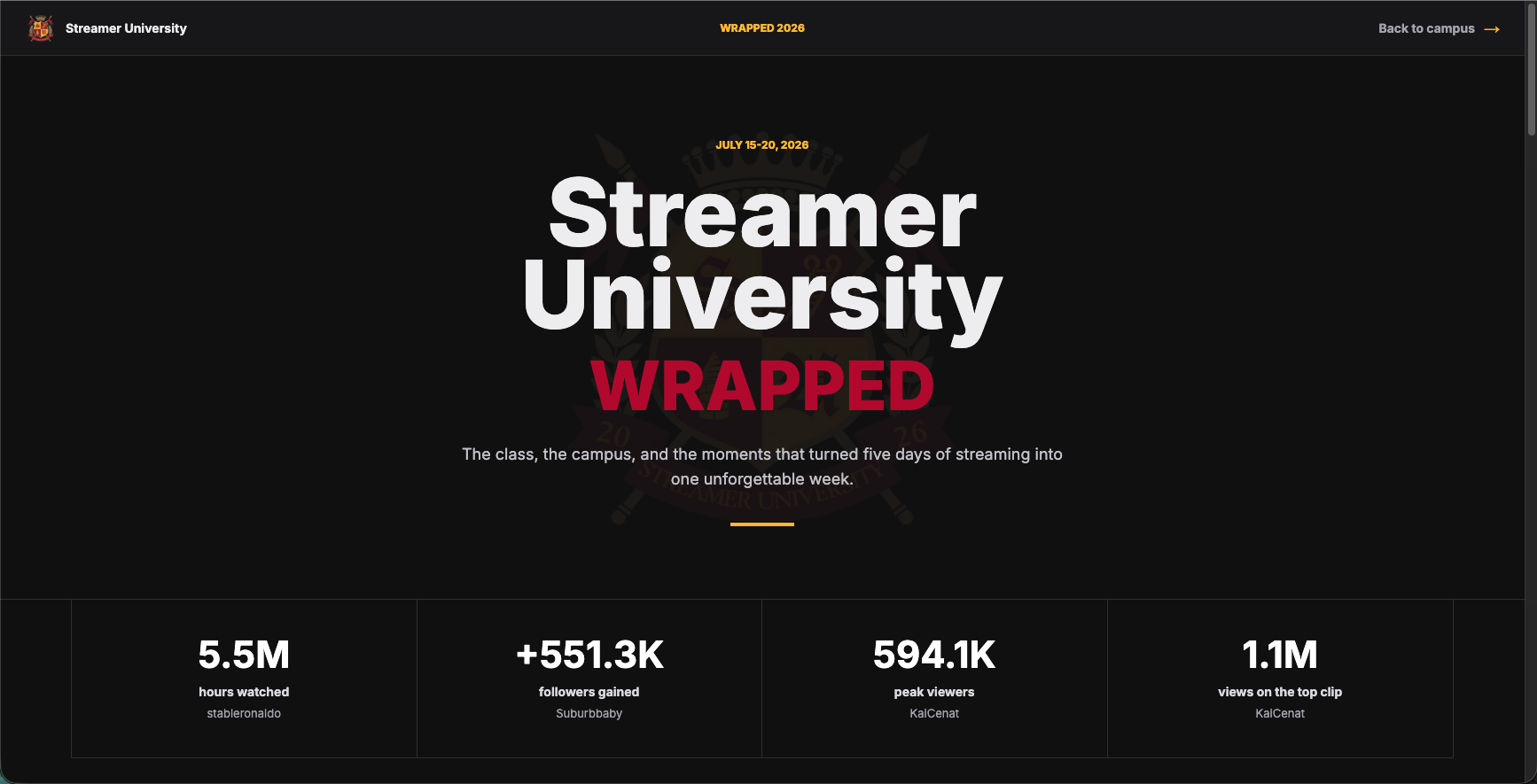
Wrapped page
-
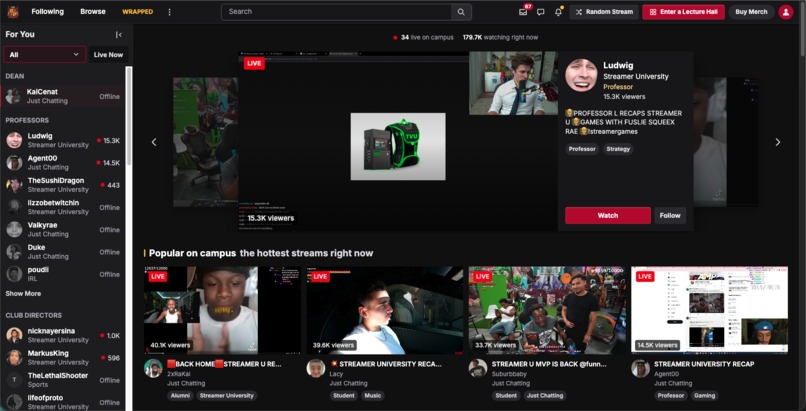
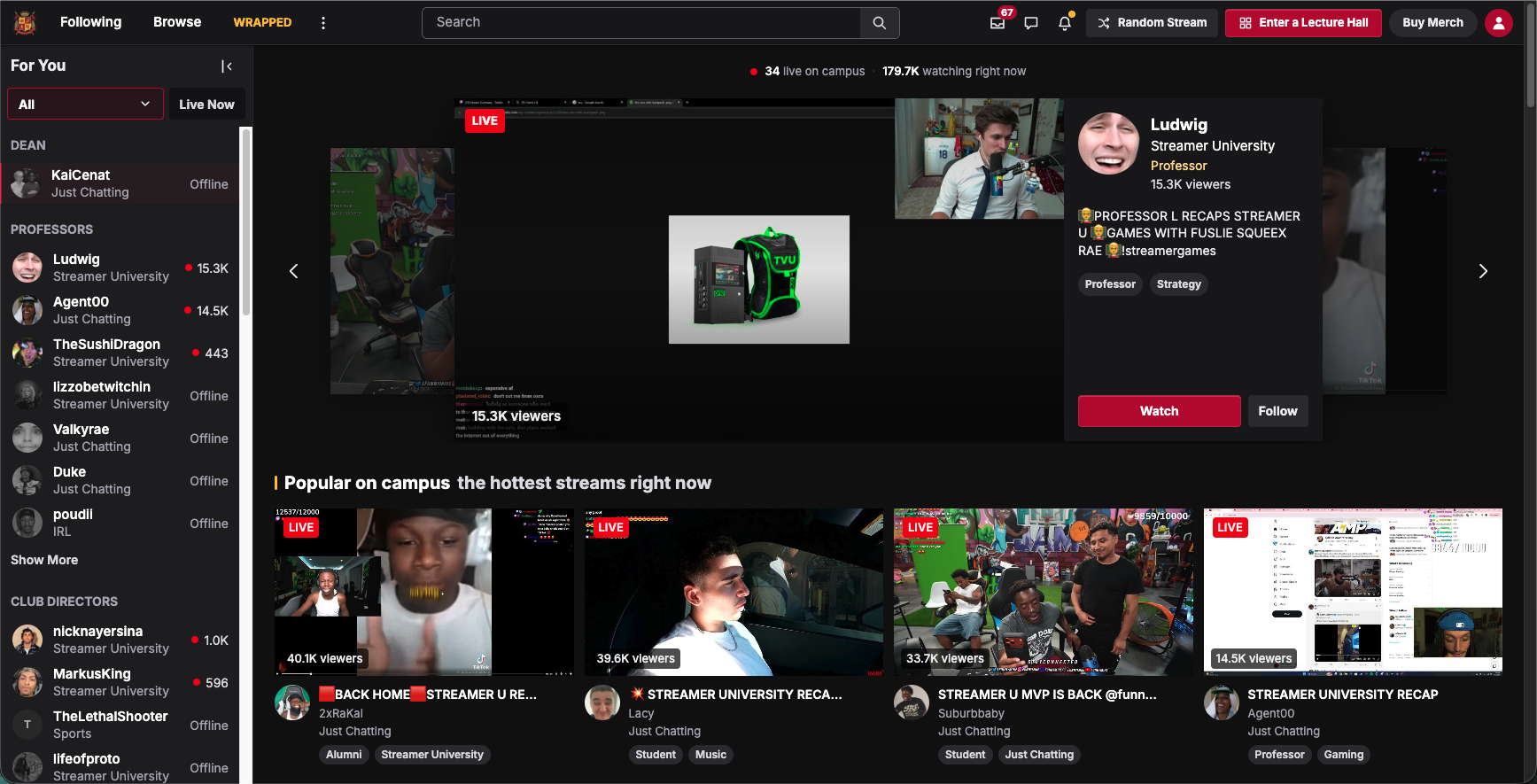
Main page
-
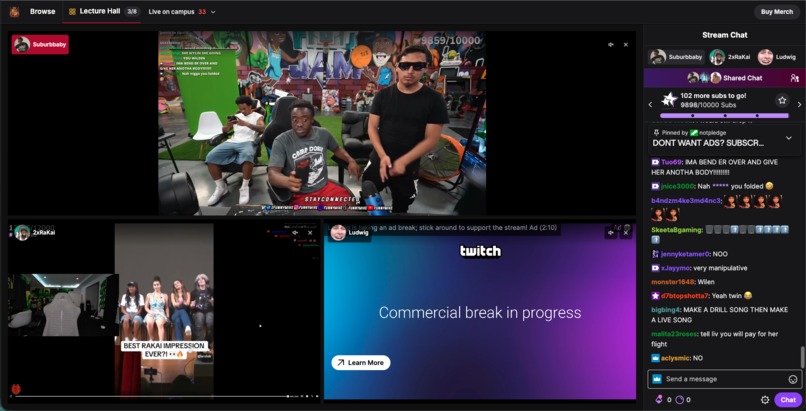
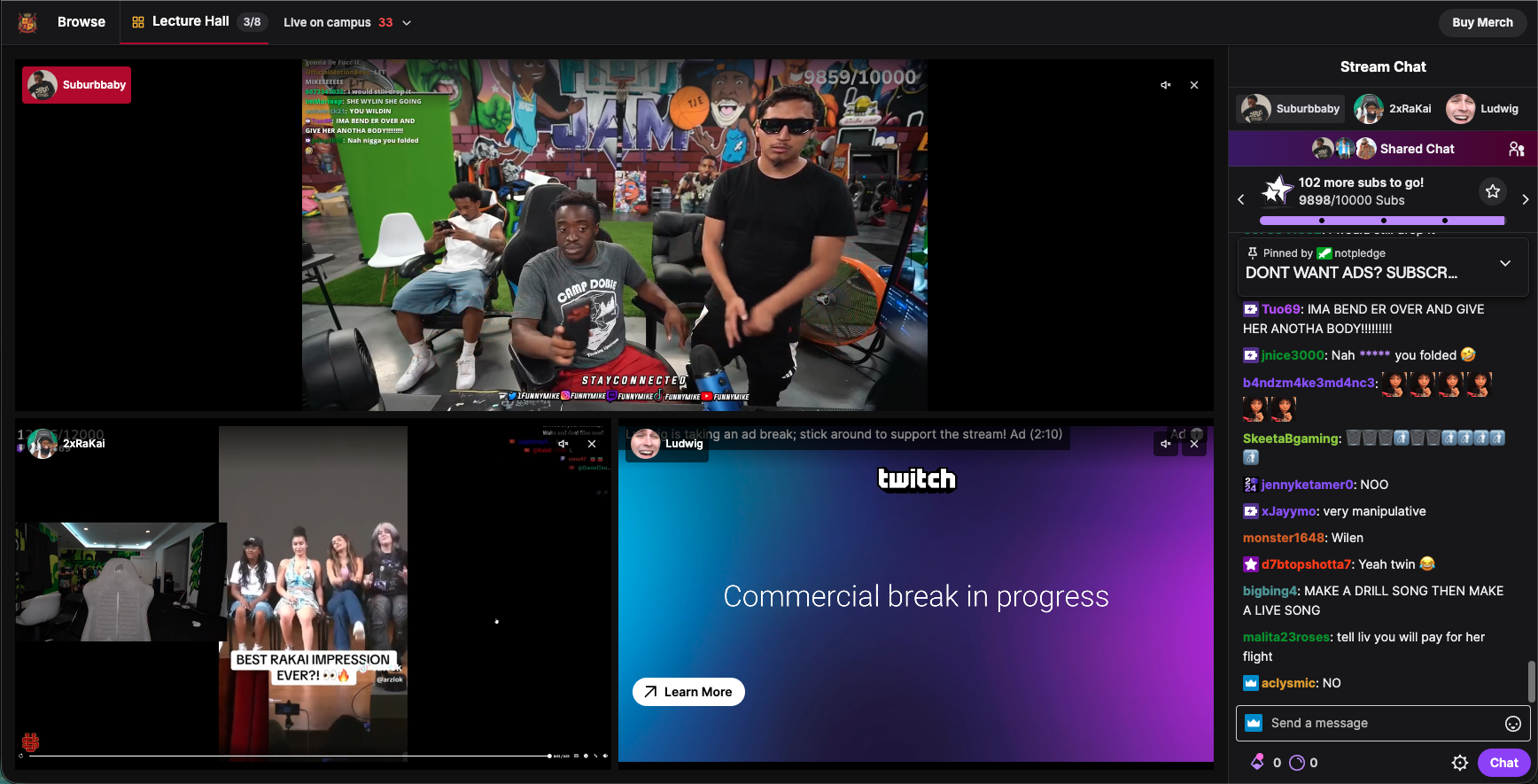
Multiview
Inspiration
Streamer University 2026 brought together hundreds of faculty members, students, and returning alumni, all broadcasting the same event from different perspectives. The problem was that following the event required viewers to already know every creator’s username, search for each channel individually, and constantly switch between tabs. I built Streamer University Watch to create one central place for the community to discover and watch everyone on campus. The interface intentionally feels familiar to Twitch users, but reorganizes the experience around Streamer University rather than individual follows or platform-wide recommendations. The response demonstrated that this was a real problem. During the event, the project received more than 200,000 views on social media and generated over 600,000 page views from nearly 90,000 visitors.
How we built it
built the application with Next.js, React, TypeScript, and Tailwind CSS, and deployed it on Vercel. It integrates live data from Twitch, Kick, and YouTube, while Stream Charts data powers parts of the post-event analytics. The site includes a searchable campus directory containing faculty, students, and alumni. Live channels automatically appear first, and viewers can filter the directory or explore Popular and Rising shelves. A random-stream feature provides another way to discover someone currently broadcasting. The main technical feature is Lecture Hall, a custom multiview experience that supports up to eight simultaneous streams. Users can select active channels, search within the live directory, choose from layouts that adapt to the number of selected streams, and switch between chats. I also built a mobile experience, a rolling shelf of popular clips from the previous 24 hours, and individual viewing pages with embedded streams and chats. After the event concluded, I created Streamer University Wrapped, which preserves the week through total viewing statistics, follower growth, creator rankings, top clips, and awards from the closing ceremony. OpenAI Codex acted as my engineering collaborator throughout the project. I used it to translate product ideas and visual references into working interfaces, iterate on responsive layouts, normalize data from different APIs, debug production issues, and improve the application’s caching strategy.
Challenges we ran into
The largest challenge was supporting a live event whose data changed constantly. Viewer counts, live statuses, thumbnails, titles, and categories needed to remain current without sending enough API requests to trigger rate limits. I addressed this through request batching, shared caching, longer cache windows for clips, graceful degraded responses, and periodic client-side refreshes. Different streaming platforms also returned inconsistent data. Usernames, channel metadata, authentication, embeds, and live-status responses all behaved differently, so I created a common internal channel model that could represent Twitch, Kick, and YouTube creators consistently. Responsive design was another challenge. A desktop interface with a directory, video player, and chat does not translate naturally to a narrow mobile screen. I redesigned the mobile homepage around horizontally scrollable shelves and reduced channel pages to the two elements that matter most while watching: the stream and chat.
Accomplishments that we're proud of
200K+ views on social media, 600K page views, 90K visitors
What we learned
This project taught me how to design for real traffic and real-time information rather than static demo data. I learned how important caching, failure handling, responsive constraints, and API normalization become once thousands of people begin using a product simultaneously. More importantly, I learned the value of building around a specific community. The most successful features were not simply copies of existing streaming functionality. They were features designed for how people actually experienced Streamer University: finding unfamiliar students, following several perspectives at once, catching up on missed moments, and revisiting the event after it ended.
What's next for Twitch-Clone for Streamer University 2026
We will be live again for SU2027 which will be held in Europe.
Built With
- api
- codex
- next.js
- typescript


Log in or sign up for Devpost to join the conversation.