-
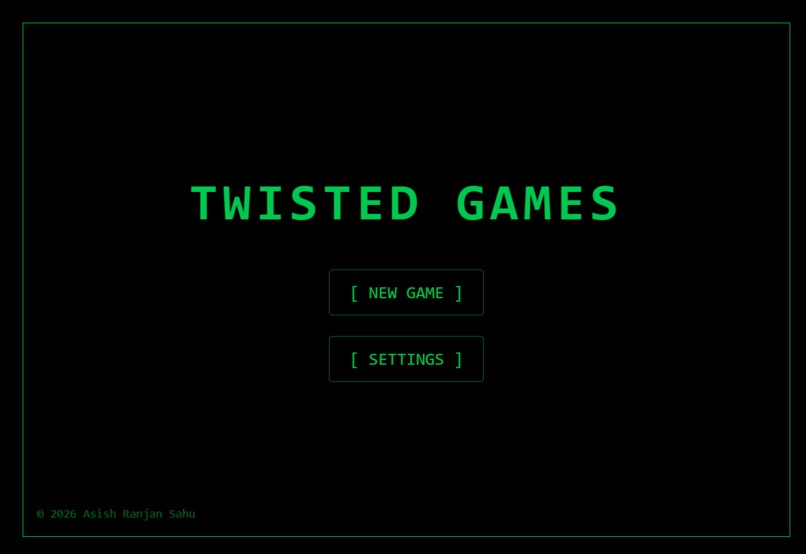
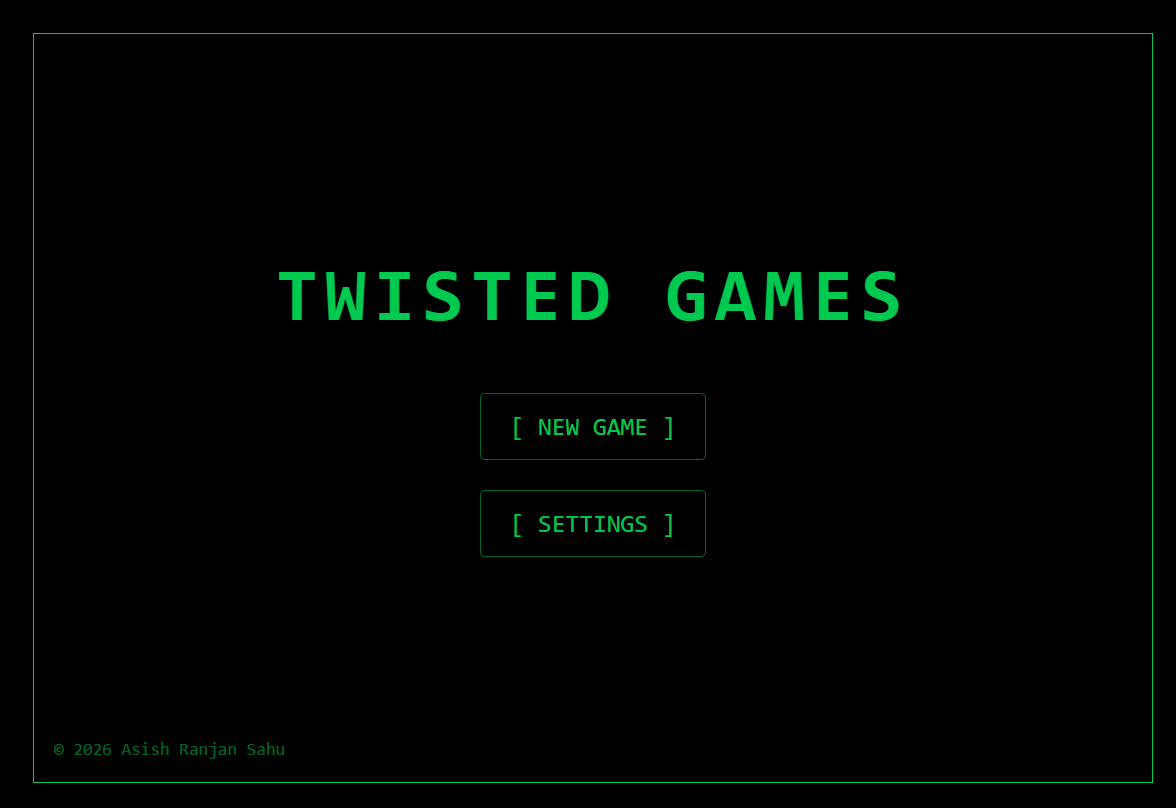
Title Screen
-
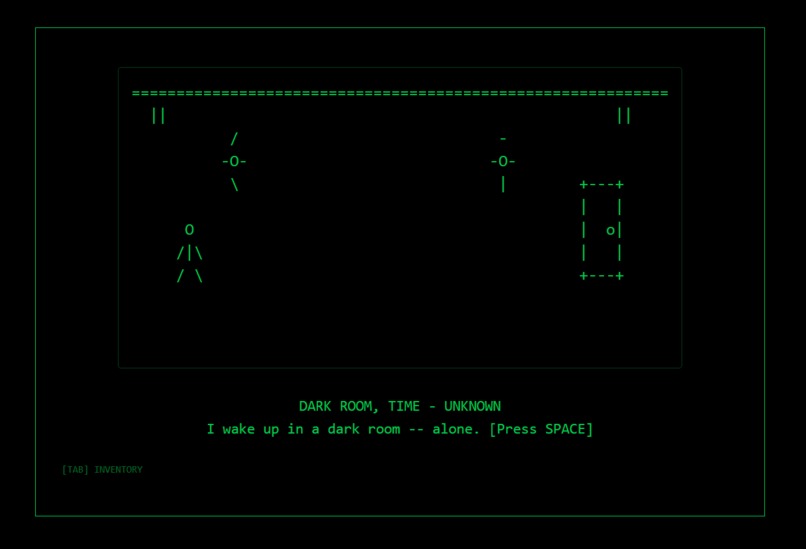
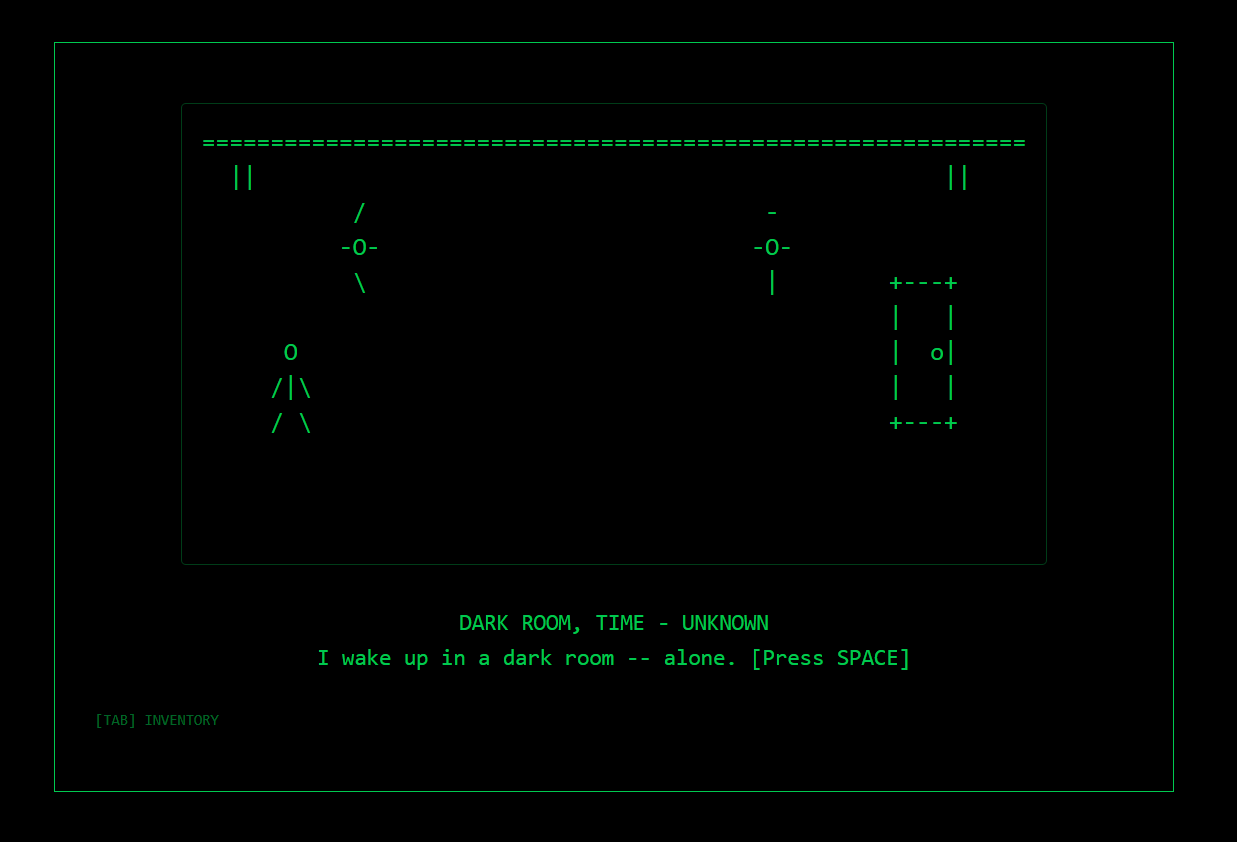
Intro
-
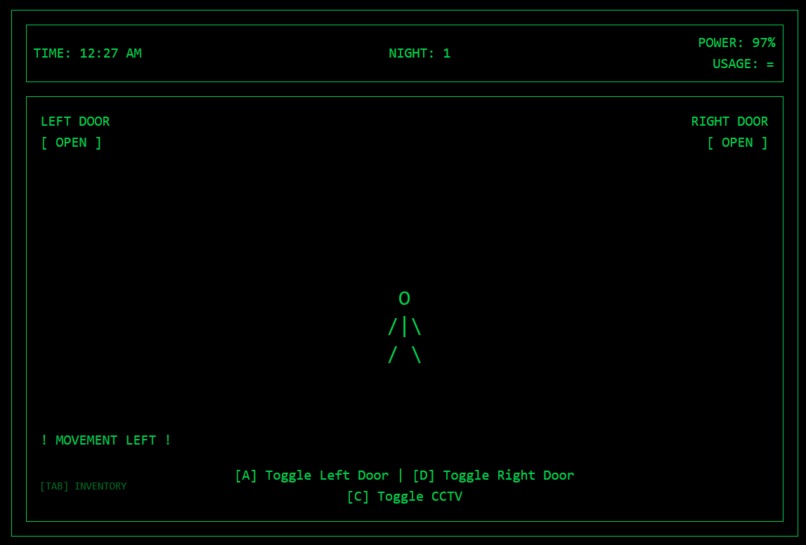
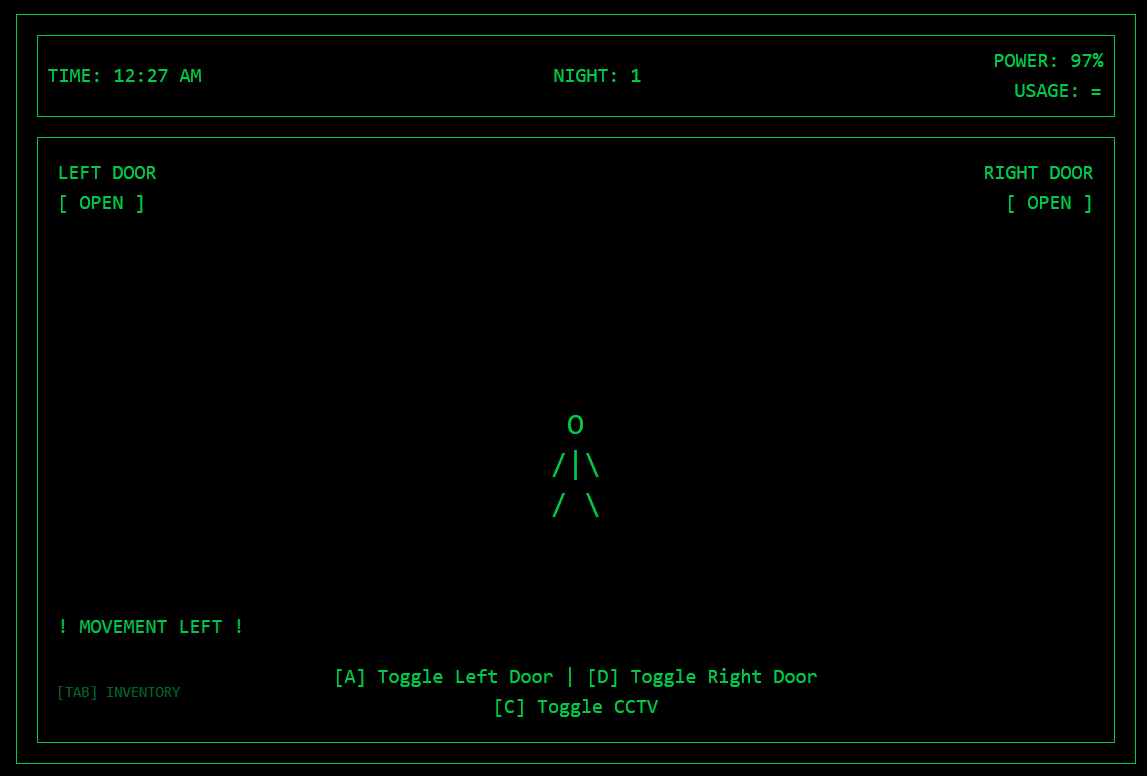
Main Area
-
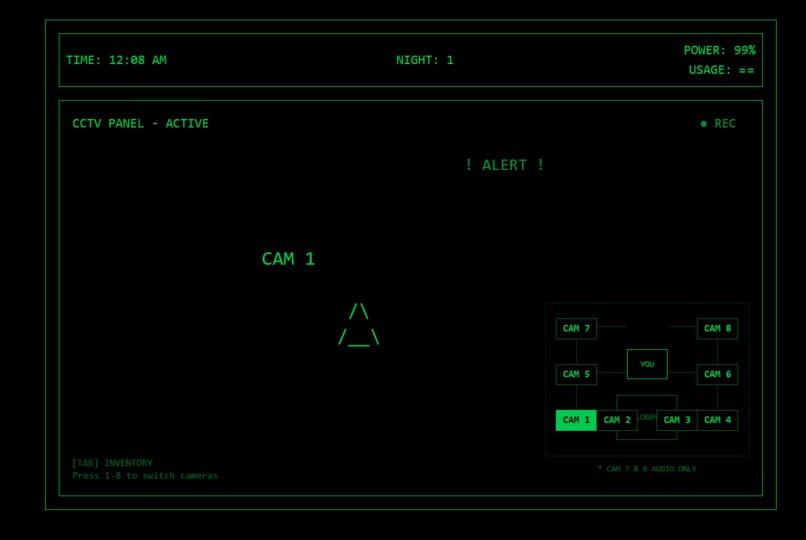
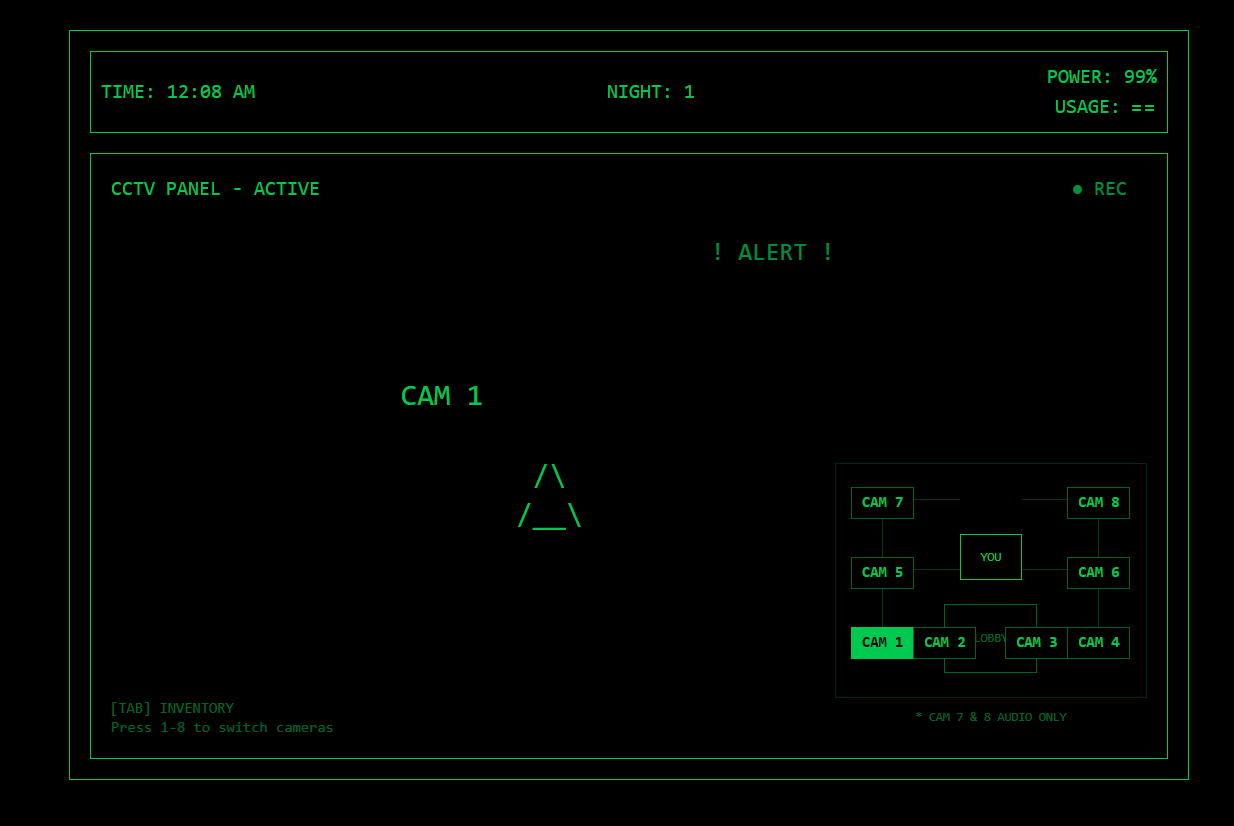
Main Area CAM View
Inspiration:
We were heavily inspired by the tense, resource-management gameplay of classic survival horror games like Five Nights at Freddy's, but we wanted to strip away the high-fidelity graphics to see if we could evoke genuine fear using minimalism. We drew inspiration from retro terminal interfaces, old-school text adventures, and analog horror to create an eerie, nostalgic atmosphere where the player's imagination does the heavy lifting.
What it does:
Twisted Game is a web-based, retro-terminal survival horror experience. You play as a subject trapped in a mysterious, experimental facility.
The game features:
Narrative Intro: An interactive prologue where you explore the facility, pick up lore notes, and uncover the dark backstory of "Subject 42."
Core Survival Loop: You must survive 5 nights in a security room. You have to monitor 8 CCTV cameras, track manifesting geometric anomalies (the Triangle and the Circle), and manage limited power to operate your blast doors.
Genre-Shifting Climax: On Night 5, the system is overridden, and the game suddenly shifts from a point-and-click management game into a real-time, grid-based "bullet hell" dodging sequence. Inventory System: A persistent inventory (accessed via TAB) that stores the lore notes you find, piecing together the narrative.
How we built it:
We built the game entirely using React and TypeScript, styled with Tailwind CSS.
Rendering: Instead of canvas or WebGL, we used a purely DOM-based approach, utilizing pre tags, monospace fonts, and ASCII art arrays to render the cameras, rooms, and entities.
Game Engine: The core logic is a complex React state machine that manages the progression of nights, power drain calculations, enemy AI distances, and camera views.
Controls: We implemented global keyboard event listeners to handle everything from camera switching (1-8) and door toggling (A/D) to real-time movement (W, A, S, D) and item interaction (R).
Challenges we ran into:
State Management: Managing the complex state transitions (Intro -> Night -> Jumpscare -> Game Over/Win) required very careful handling of React useEffect hooks. We had to ensure intervals and timeouts were properly cleared to avoid memory leaks, double-triggering audio, or enemies moving while the game was paused.
The Night 5 Shift: Transitioning the control scheme from static point-and-click management to a real-time, grid-based collision system for the Night 5 dodging mechanic was a major architectural challenge.
Balancing: Tuning the difficulty was tough. We had to find the perfect balance for power drain rates and enemy movement speeds so the game felt tense and challenging, but not unfair.
Accomplishments that we're proud of:
We are incredibly proud of the atmosphere we managed to create using almost no traditional graphics. By relying purely on green terminal text, ASCII art, and well-timed audio cues (footsteps, static, ringing phones), the game feels genuinely unsettling. We're also really proud of the seamless transition from the narrative-driven intro sequence into the core survival loop, and the surprise mechanical twist on Night 5.
What we learned:
We learned a massive amount about using React for game development. Specifically, we mastered handling real-time game loops using setInterval() within hooks, managing complex dependency arrays, and optimizing keyboard event listeners to ensure responsive controls. We also learned a valuable lesson in game design: minimalism and audio are incredibly powerful tools for building suspense.
What's next for Twisted Game:
Expanded Lore: Adding more hidden notes, secret rooms, and branching dialogue choices with the mysterious voice on the phone.
Custom Nights: A "Night 6" or Custom Night where players can manually set the AI difficulty of the anomalies.
New Anomalies: Introducing new shapes with entirely different movement mechanics (e.g., an entity that only moves when you are looking at it).
Soundtrack: Implementing a dynamic, ambient synth soundtrack that reacts to the player's power level and enemy proximity.
Built With
- css
- dom
- html5-audio
- react
- tailwind-css
- typescript
- vite
