-
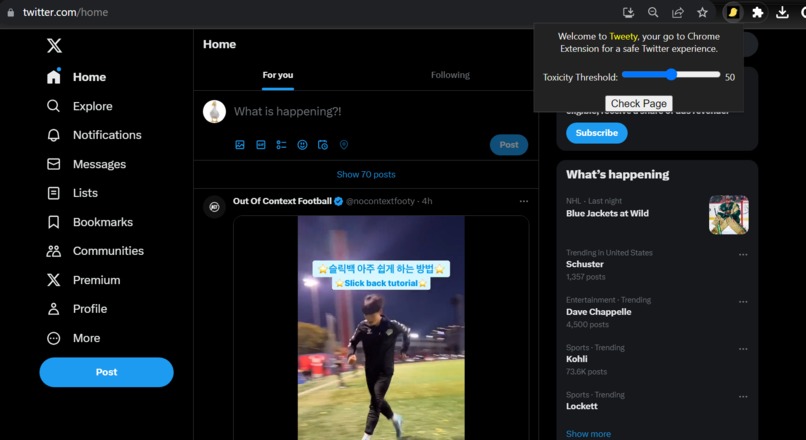
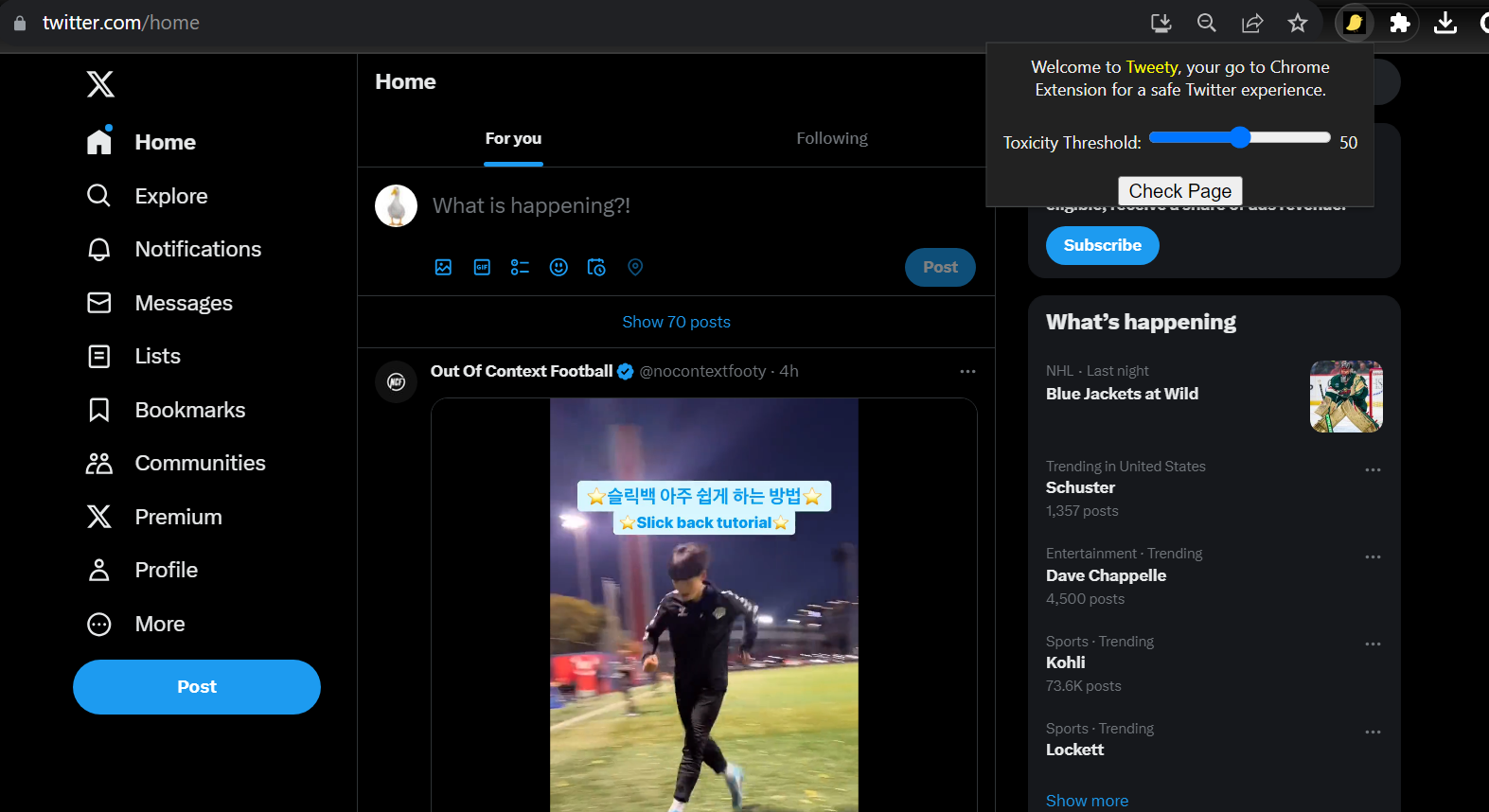
The Tweety Interface
-
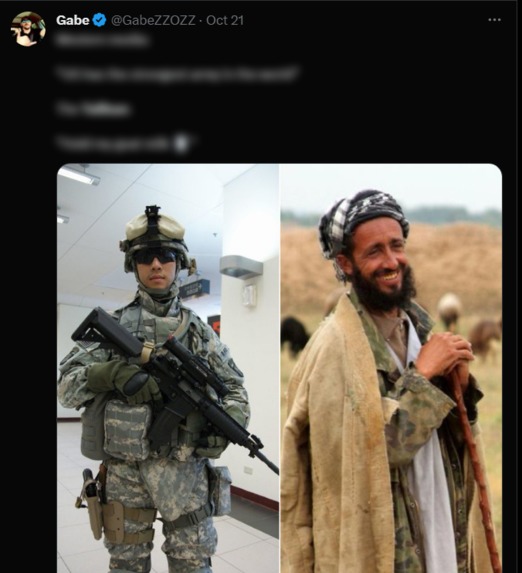
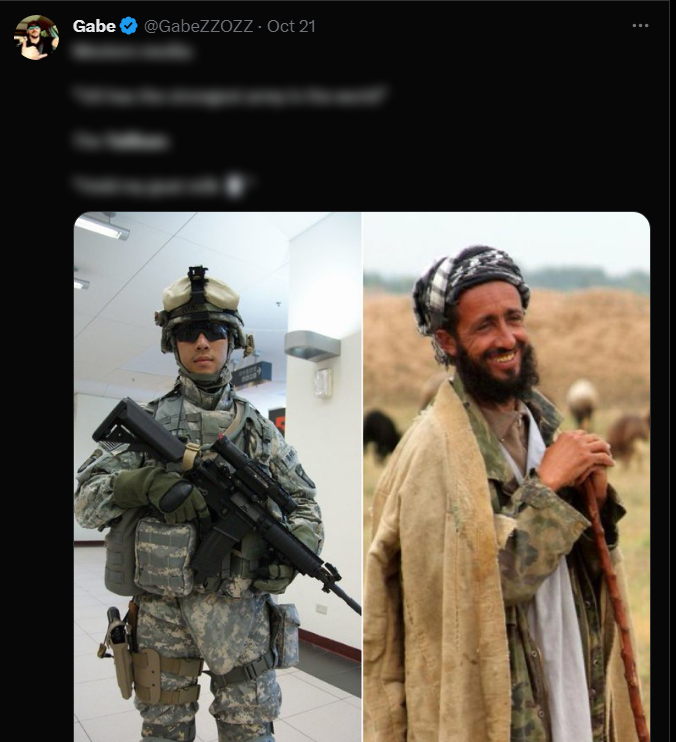
Tweety Blurring Toxic Posts
Inspiration
The inspiration for Tweety came from the need to create a safer and more pleasant Twitter experience. We wanted to tackle the issue of sensitive and toxic content on the platform, ensuring that users, especially families and younger individuals, can enjoy Twitter without encountering harmful tweets.
What it does
Tweety works by parsing the Twitter web information to locate displayed tweets on your feed. Once identified, it runs these tweets through a trained machine learning model specifically designed to evaluate the level of toxicity within each tweet. If the tweet meets a certain threshold of toxicity, as determined by the model, Tweety steps in and expertly censors it, ensuring that you have a safer and more pleasant Twitter experience. This intelligent content filtering process is aimed at keeping your Twitter feed free from harmful or offensive content.
How we built it
We built Tweety using a combination of cutting-edge AI and Chrome extension development technologies. The content filtering mechanism relies on natural language processing (NLP) algorithms to analyze and classify tweets. The Chrome extension was developed using JavaScript, HTML, and Flask, ensuring a smooth and efficient integration with the platform.
Challenges we ran into
During the development of Tweety, one of the major challenges we encountered was seamlessly connecting the parsed tweets with our NLP (Natural Language Processing) algorithm for toxicity evaluation. After exploring various approaches, we eventually settled on using a separate Flask server to efficiently process and evaluate the toxicity scores of each tweet. This server-based solution proved to be a robust and effective way to integrate the AI component into our Chrome extension, ensuring a smooth and accurate evaluation of tweet content while maintaining a responsive user experience.
Accomplishments that we're proud of
Our journey with Tweety has been an exhilarating one, considering that this was all our first hackathon. We're immensely proud of achieving several milestones, such as creating a safer Twitter environment, successfully integrating AI algorithms – including our NLP model through a Flask server, and receiving positive user feedback. Our unwavering commitment to user privacy, coupled with the determination to overcome the challenges of launching a project of this complexity, underscores the dedication we've poured into Tweety. These achievements continue to fuel our drive to enhance it into an even more essential tool for a safer and more enjoyable online experience.
What we learned
The development of Tweety taught us valuable lessons about the importance of adaptable AI algorithms and user customization. We also gained insights into the significance of privacy in online content filtering tools and the need for ongoing updates to keep pace with the ever-changing social media landscape.
What's next for Tweety
In the coming stages, we have ambitious plans for Tweety. Our vision extends beyond Twitter, as we plan to expand Tweety to other social media platforms, providing a comprehensive solution for a safer online experience wherever you go. Additionally, we're excited to announce that we have future plans to incorporate picture and video evaluation, enabling Tweety to analyze not only text-based content but also multimedia. This will make it an even more versatile and robust tool down the road. As always, we'll continue to listen to user feedback, ensuring that Tweety remains at the forefront of online content filtering, user-centric, and effective.


Log in or sign up for Devpost to join the conversation.