-
-

Sign In
-
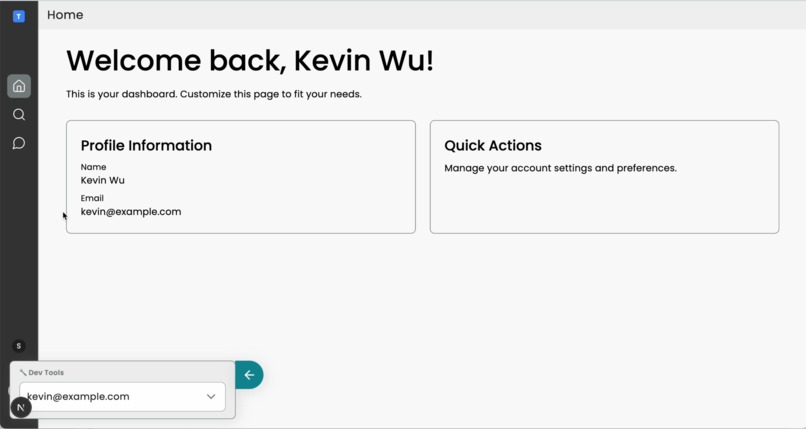
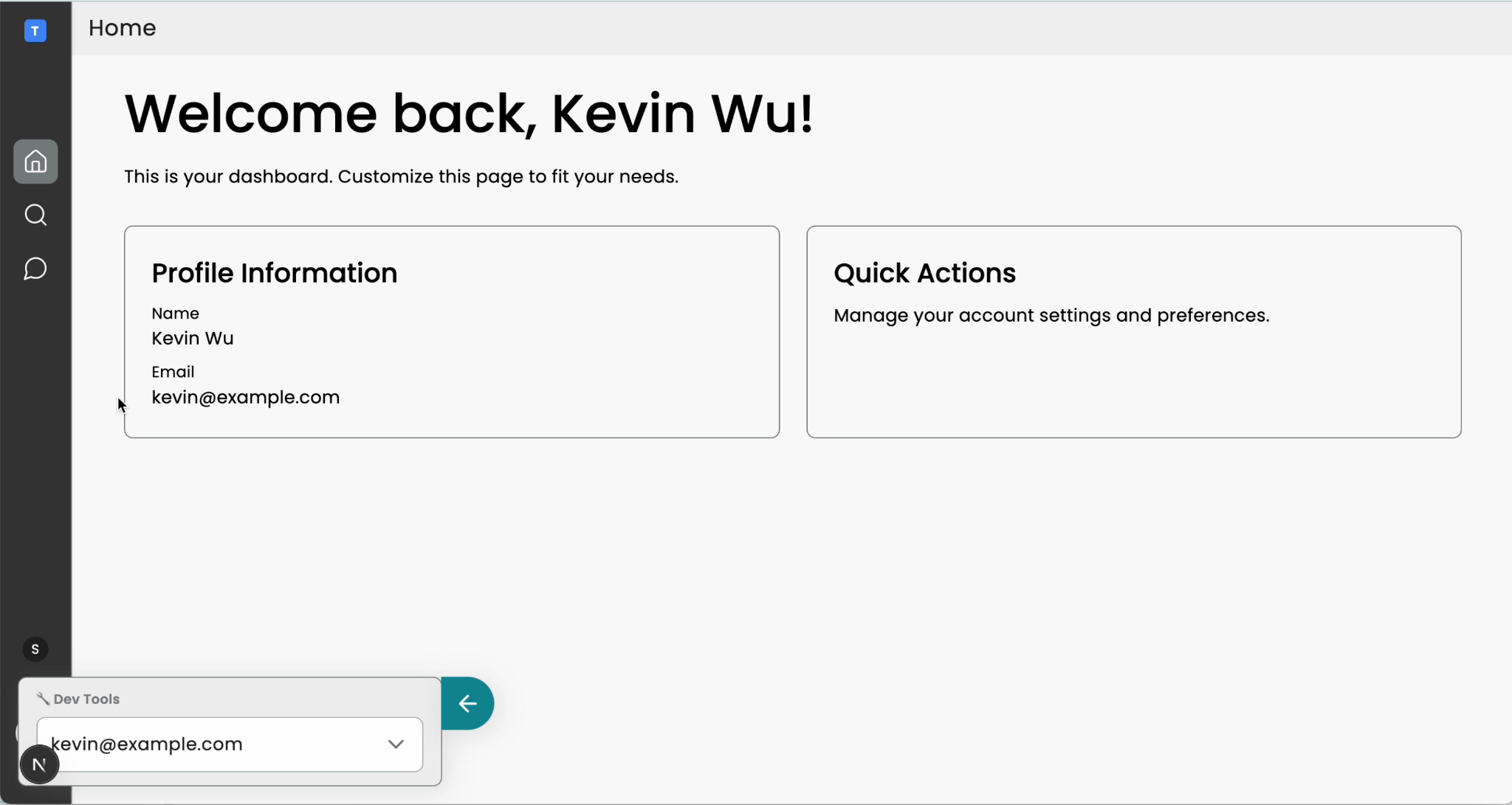
User DashBoard
-
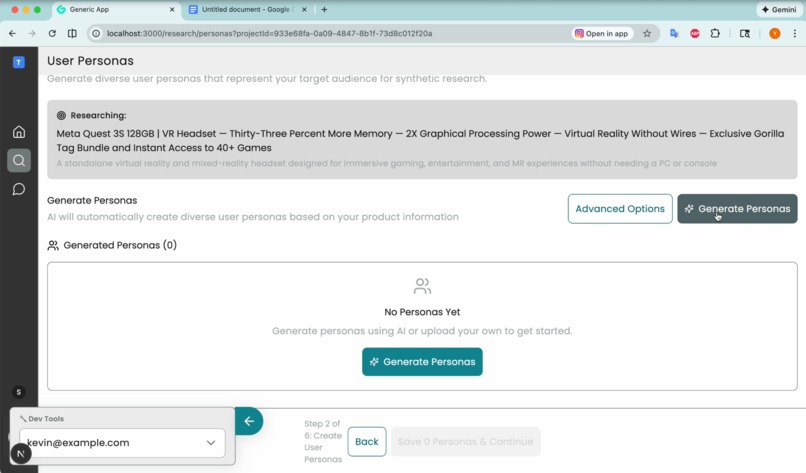
User Personas
-
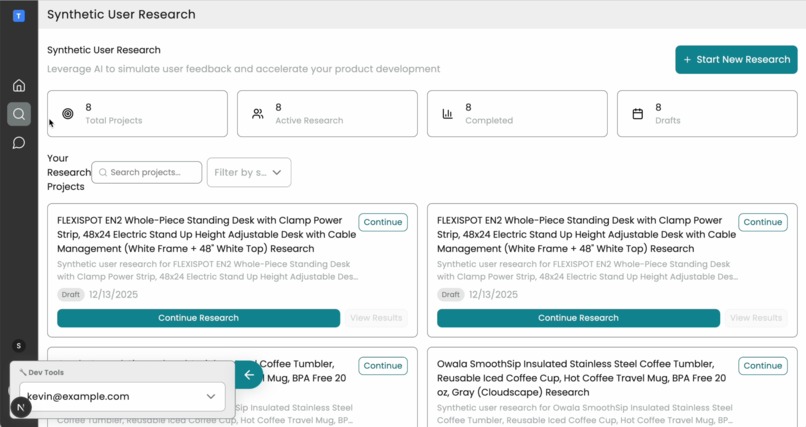
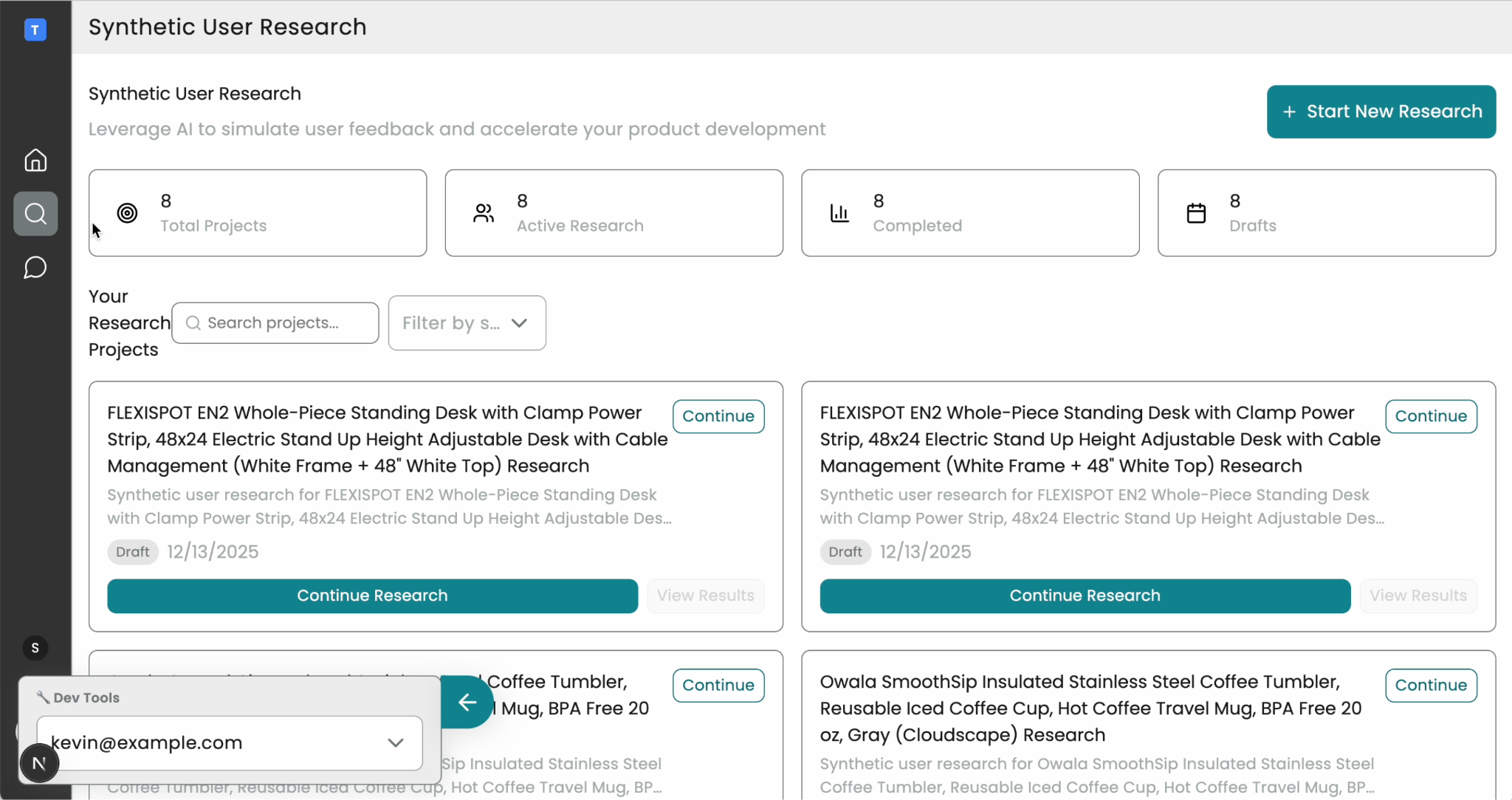
Synthetic User Research

Inspiration
User research is slow, expensive, and difficult to scale—especially when teams need feedback from a very specific audience. Traditional interviews and panels can take months and tens of thousands of dollars, yet still fail to represent niche or emerging user segments.
We were inspired by recent breakthroughs showing that well-designed LLM agents can simulate human reasoning with surprisingly high fidelity. We asked a simple question: what if user research could run at the speed of product development?
That question led to Turk.
What it does
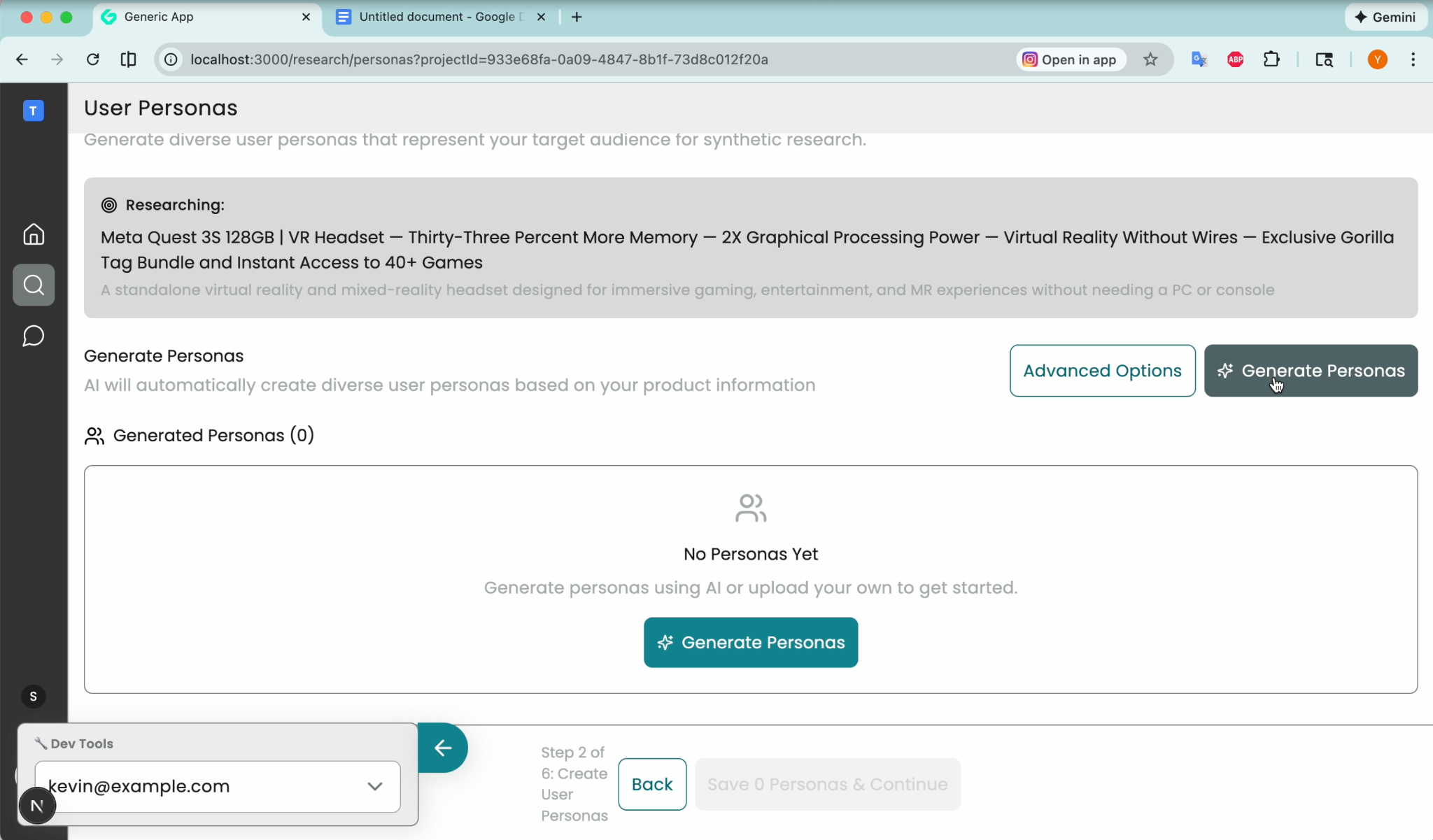
Turk is a synthetic user research platform that uses LLM-driven personas to simulate real users and generate large volumes of targeted qualitative feedback.
With Turk, teams can:
- Define or upload target user personas
- Run simulated interviews, surveys, and product journeys
- Test both success and failure scenarios
- Automatically extract key insights, sentiment, and friction points
Instead of analyzing existing feedback, Turk creates primary research on demand—in days, not months.
How we built it
We built Turk around a generative agent architecture rather than simple prompt-based responses.
Key components include:
- Persona generation pipelines (prompt-based, data-summarized, and hybrid human–LLM grouping)
- Memory-enabled LLM agents using Retrieval-Augmented Generation (RAG) to maintain long-term persona consistency
- Adaptive interview logic that changes questions based on persona traits and prior responses
- An insights dashboard that converts raw LLM outputs into structured data, sentiment scores, and key observations
We also designed a hybrid pricing and usage metering model from the start to reflect real LLM compute costs.
Challenges we ran into
- Maintaining persona consistency across multi-turn conversations
- Preventing hallucination while preserving realistic variability
- Avoiding over-trust and anthropomorphization of synthetic users
- Tracking and attributing LLM compute costs across complex agent workflows
These challenges pushed us to prioritize memory systems, explicit constraints, and transparent confidence indicators.
Accomplishments that we're proud of
- Built high-fidelity synthetic personas that remain coherent across extended interactions
- Demonstrated how synthetic users can generate actionable, segment-specific insights quickly
- Designed a system that focuses on insight quality, not just volume
- Created a scalable architecture that can evolve into continuous research, not one-off studies
What we learned
- Memory matters more than prompts for realism and consistency
- Synthetic data must be measurable and auditable to be trusted
- Speed fundamentally changes how teams use research
- Ethical transparency and bias awareness are product features, not afterthoughts
What's next for Turk
Next, we plan to:
- Expand into multi-turn, multi-session simulations with long-horizon memory
- Add multimodal testing (visual prototypes, ads, and flows)
- Introduce automated bias and consistency scoring
- Integrate Turk directly into product and pricing decision pipelines
Our goal is to make Turk a continuous research engine—not just a research tool.
Built With
- docker
- elasticsearch
- github
- google-vertex-ai-search-engine:-elasticsearch-database:-supabase-(postgresql)-containerization:-docker-infrastructure-hosting:-vercel-(frontend)
- gradientai
- next.js
- playwright-e2e-(multi-browser)-analytics:-amplitude-with-autocapture-and-session-replay-code-quality:-eslint
- postgresql
- prettier-backend-ai-processing-ai/ml:-google-gemini-api
- react
- supabase
- tailwind
- typescript
- vercel

Log in or sign up for Devpost to join the conversation.