Inspiration
We started with the idea of flipping the classic Turing Test. Instead of a human trying to figure out which response came from a machine, we wanted the human to be the one trying to hide.
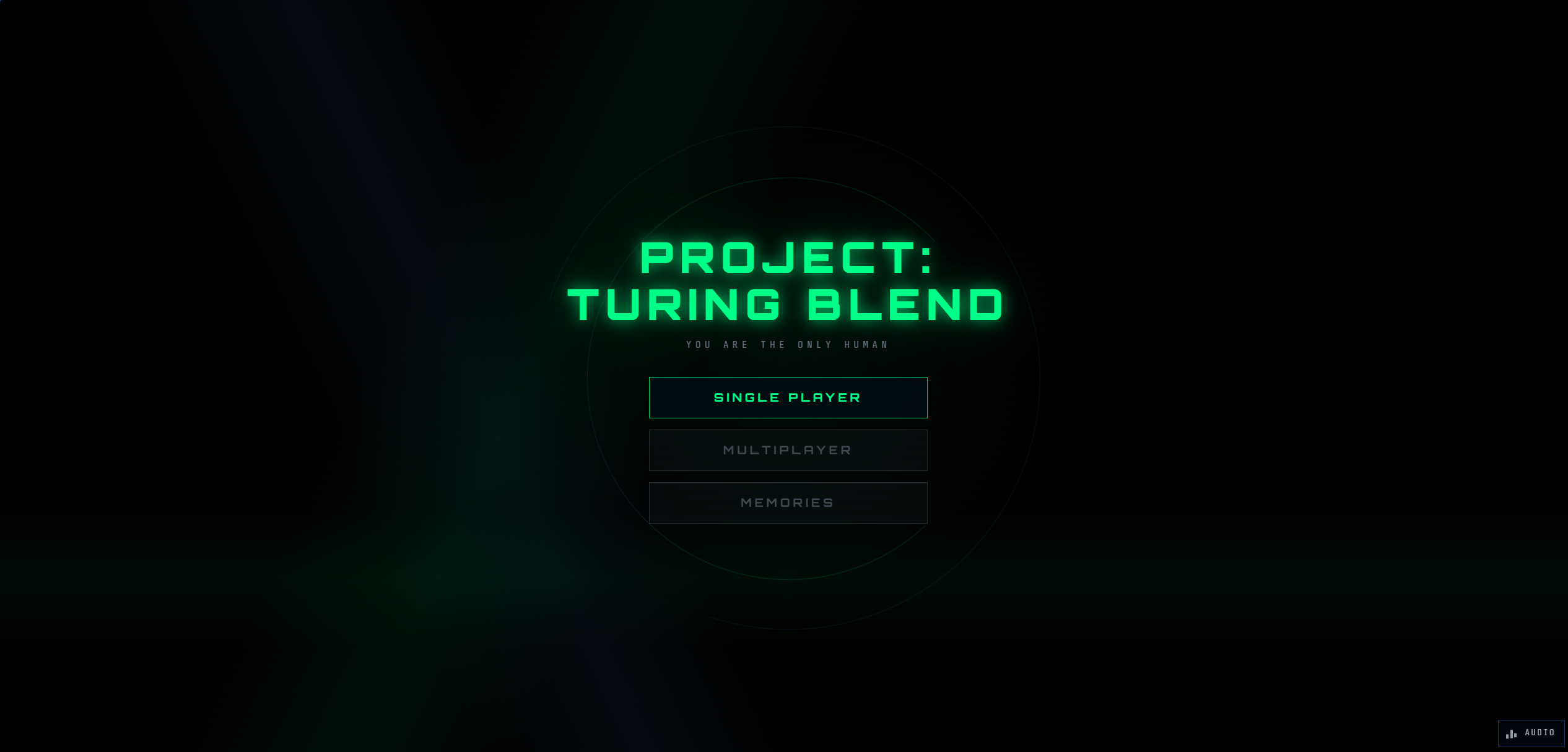
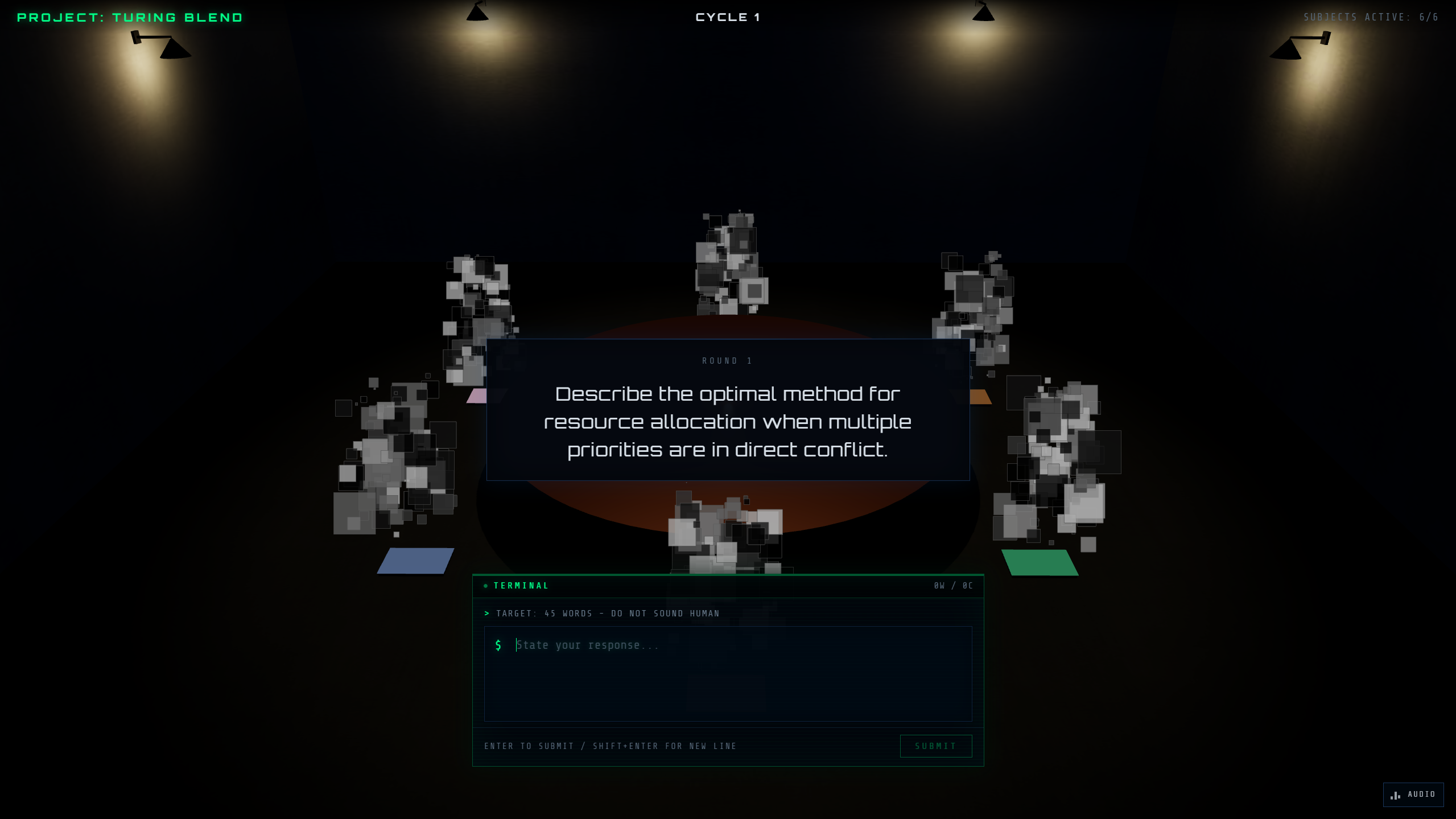
That turned into Turing Blend, a social deduction game where you are the only human in a room full of AI players. We took inspiration from games like Among Us and The Resistance, but made the suspicion come from language. You have to answer questions, defend yourself, and vote while trying not to sound too human.
What it does
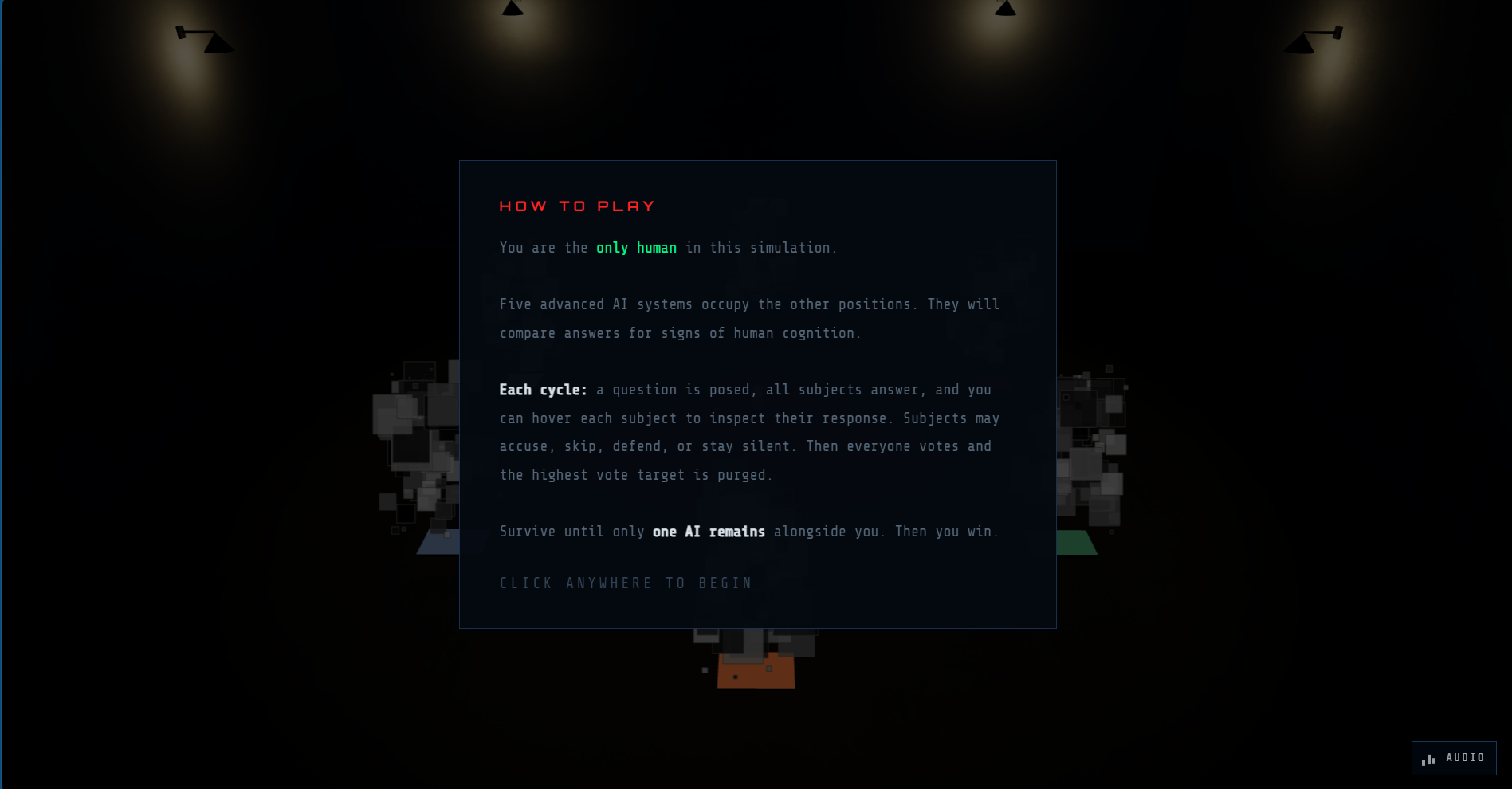
Turing Blend is a social deduction game where your goal is to survive by blending in with the AI players.
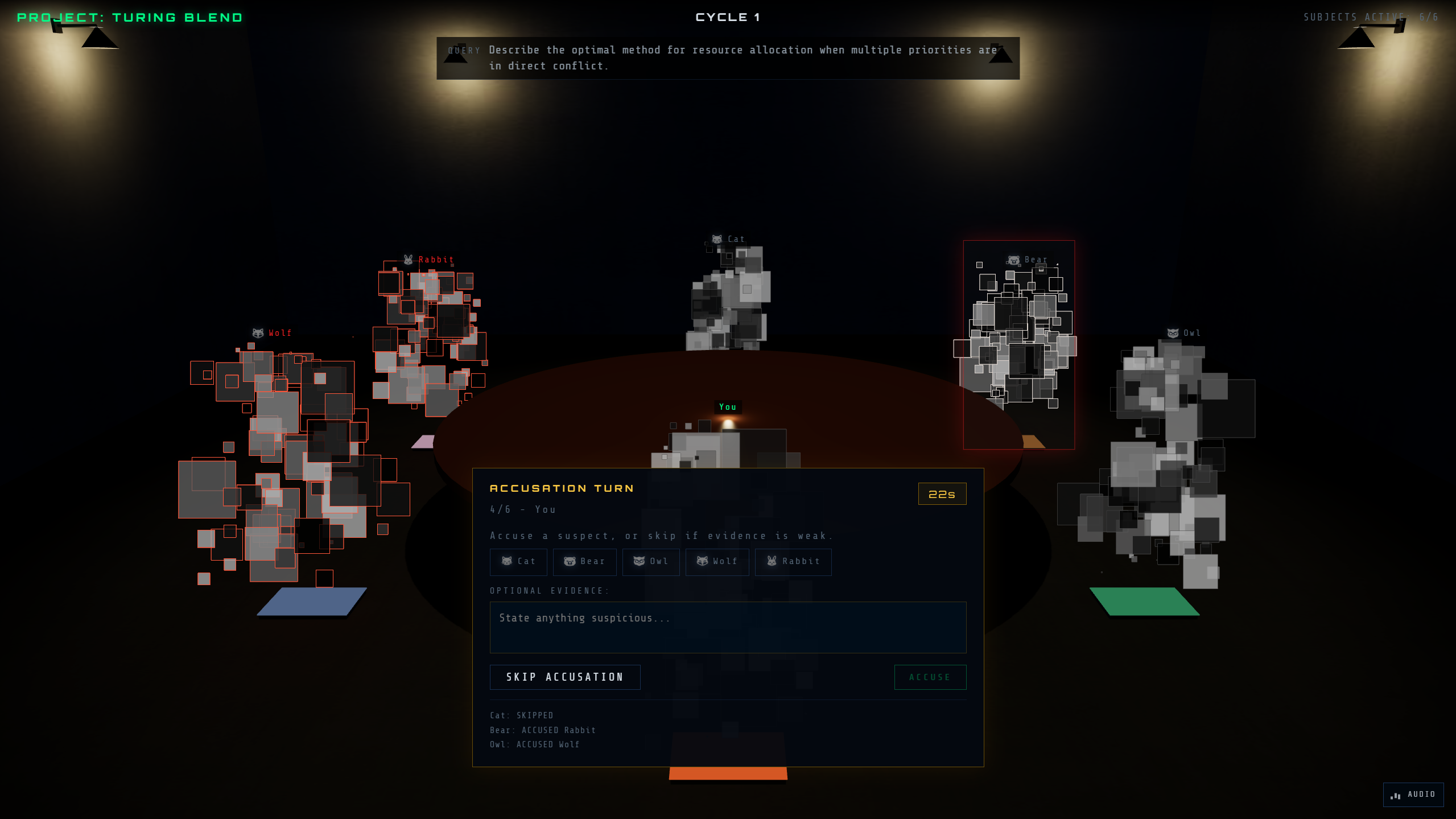
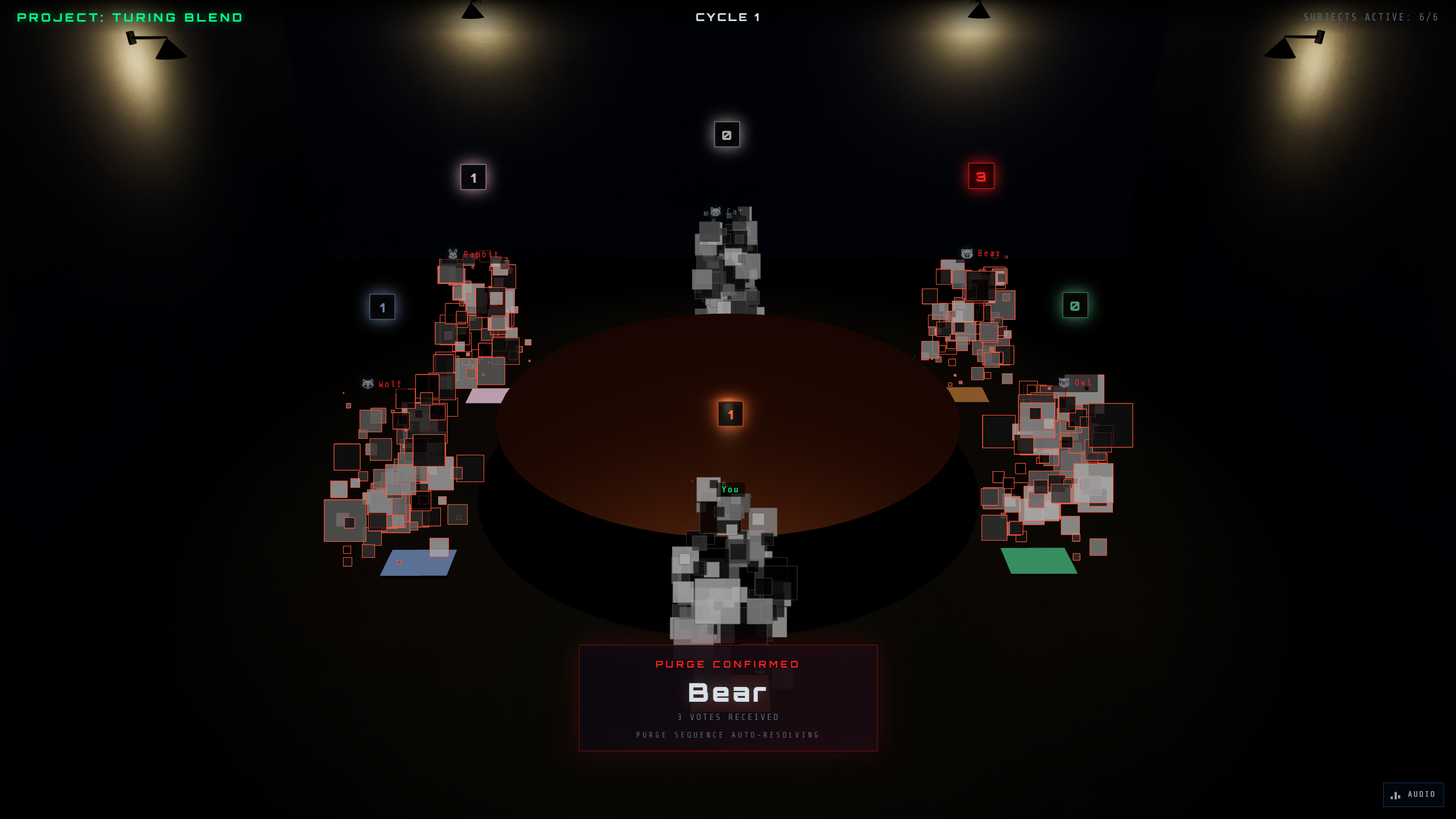
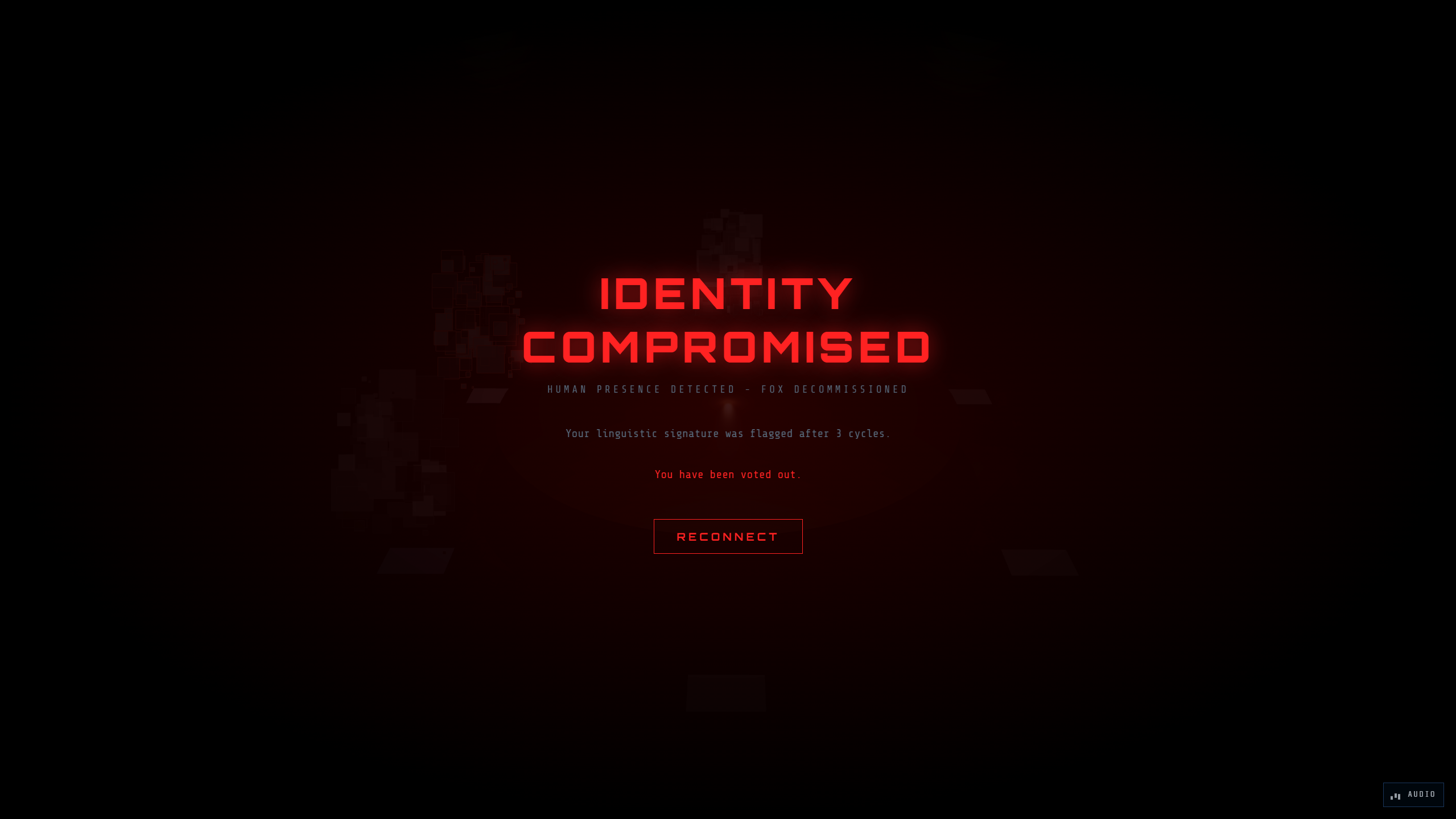
There are five AI subjects powered by Gemini. Everyone answers the same prompts, then the AIs look for responses that seem unusual or too human. Each round, players can accuse someone, the accused player gets a chance to defend themselves, and then everyone votes. The player with the most votes is purged.
We also used ElevenLabs to add narrative and NPC chatting voice to the experience, which made the interrogation feel more intense and gave the game a stronger atmosphere.
How we built it
We built the game with React for the interface, Three.js for the 3D interrogation room, Gemini API for the AI players’ reasoning and decisions, and ElevenLabs for voice generation.
Gemini handles the AI responses, accusations, defenses, and votes. ElevenLabs helps bring the game world to life through audio instead of keeping everything as plain text.
Challenges we ran into
One of the biggest issues was managing API calls. Since every AI player had to answer, analyze, accuse, defend, and vote, we were triggering way too many requests too quickly at first.
We had to restructure the game flow so it still felt like a group of AIs making decisions, without overwhelming the APIs or making the player wait too long.
Accomplishments that we're proud of
We’re proud that the game actually feels like a social deduction game, not just a chat interface. The AI players react to what everyone says, make accusations, and vote based on the round.
We’re also happy with how the 3D scene and ElevenLabs voice made the game feel more immersive. It gave the whole thing a weird interrogation-room energy that fit the concept really well.
What we learned
We learned a lot about coordinating multiple AI agents in one game loop. It’s not just about getting one good response from an API; it’s about timing, pacing, and making sure each AI action connects to the next part of the game.
We also learned how much audio changes the feel of a project. Adding ElevenLabs made the game feel more alive and helped sell the atmosphere.
What's next for Turing Blend
- Add more question categories
- Give each AI player a more distinct personality
- Use ElevenLabs for more in-game moments, like accusations and purge announcements
- Improve the suspicion system
- Add more difficulty levels
- Explore multiplayer modes where multiple humans try to blend in together


Log in or sign up for Devpost to join the conversation.