-
-
-
-
-
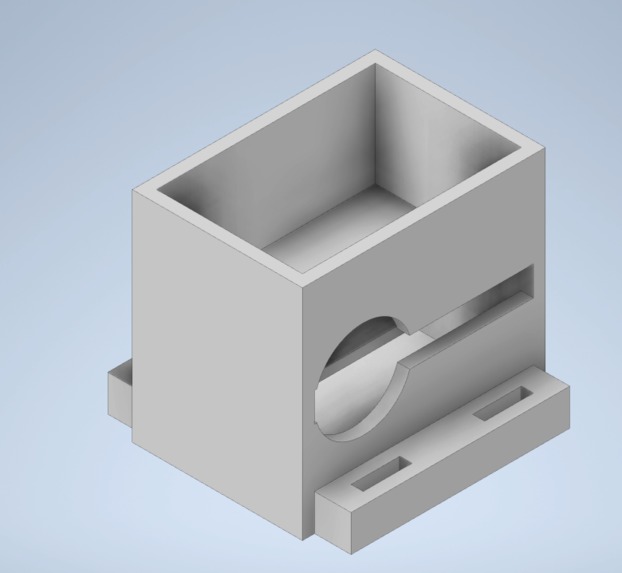
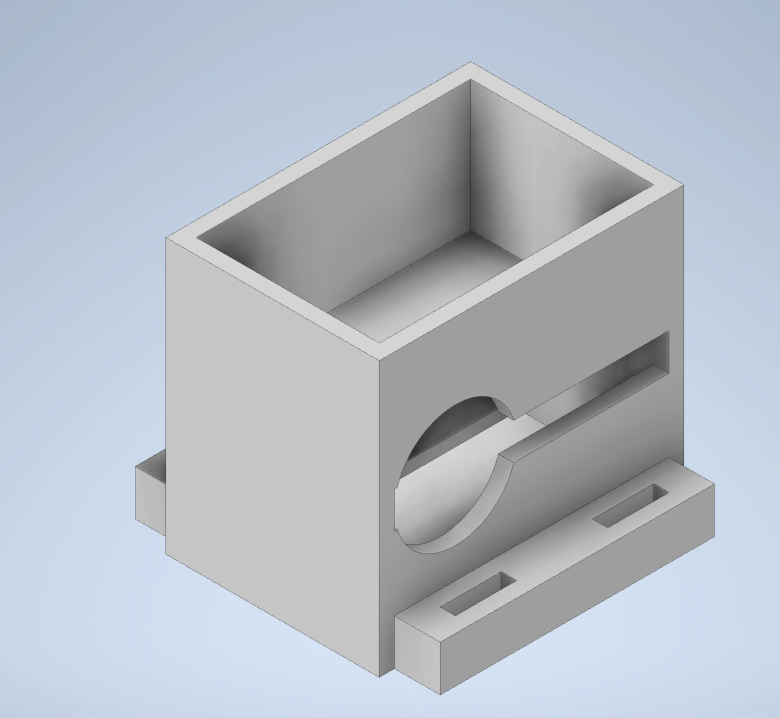
Housing Model for Arduino, Breadboard, LED Wall and Speaker
Inspiration
In class we learned about how ostomies can manage effluent. My colleague and I started wondering if there was a way to manage urinary excretion as well. After quite a bit of research, we found a problem within catheter design, and aimed to solve it.
What it does
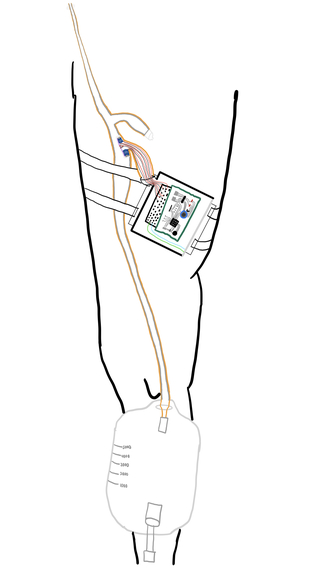
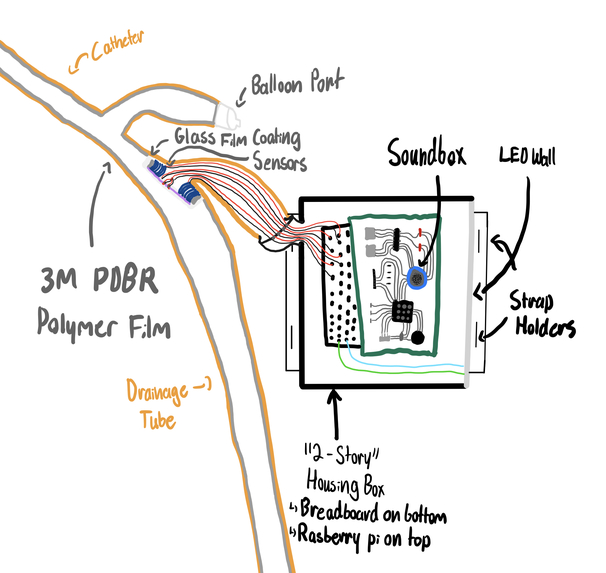
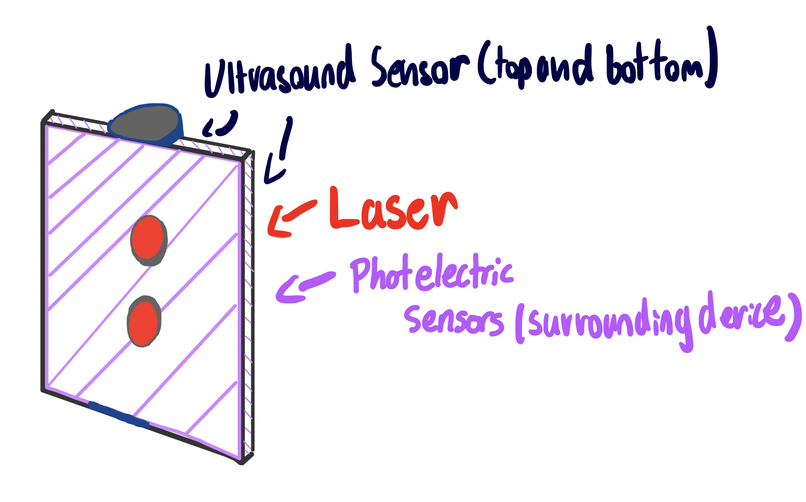
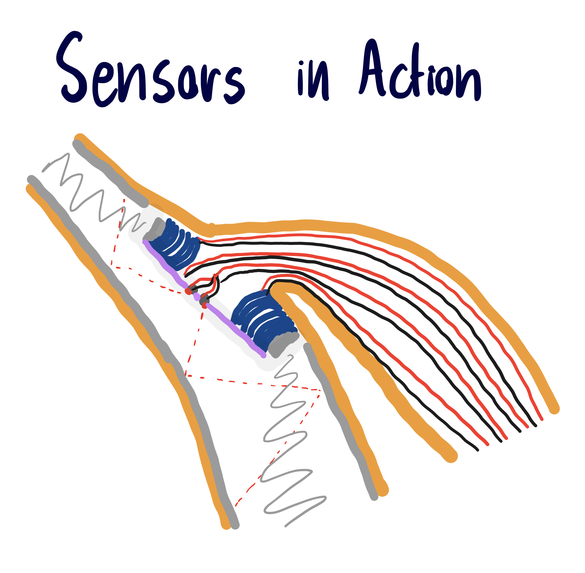
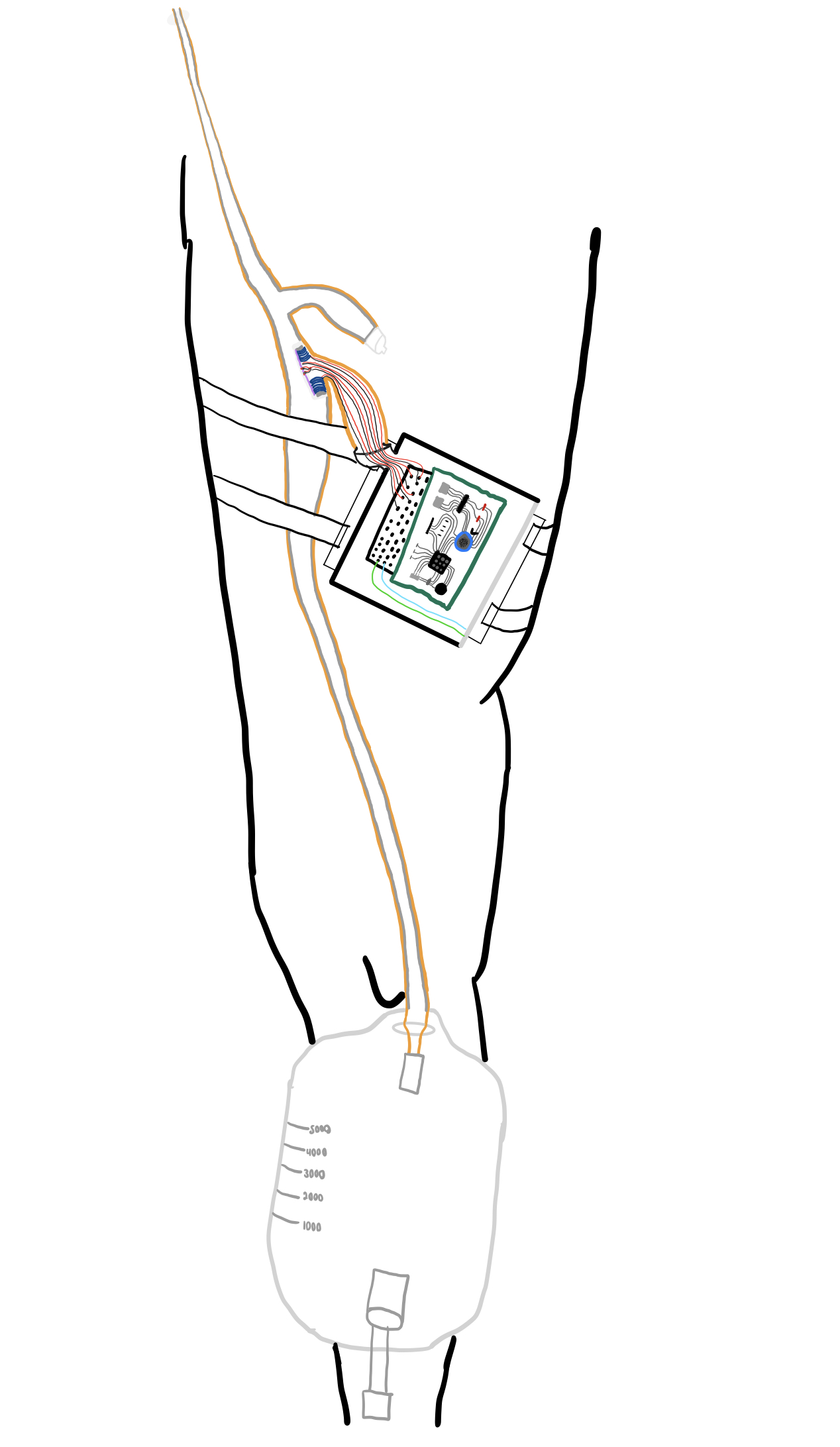
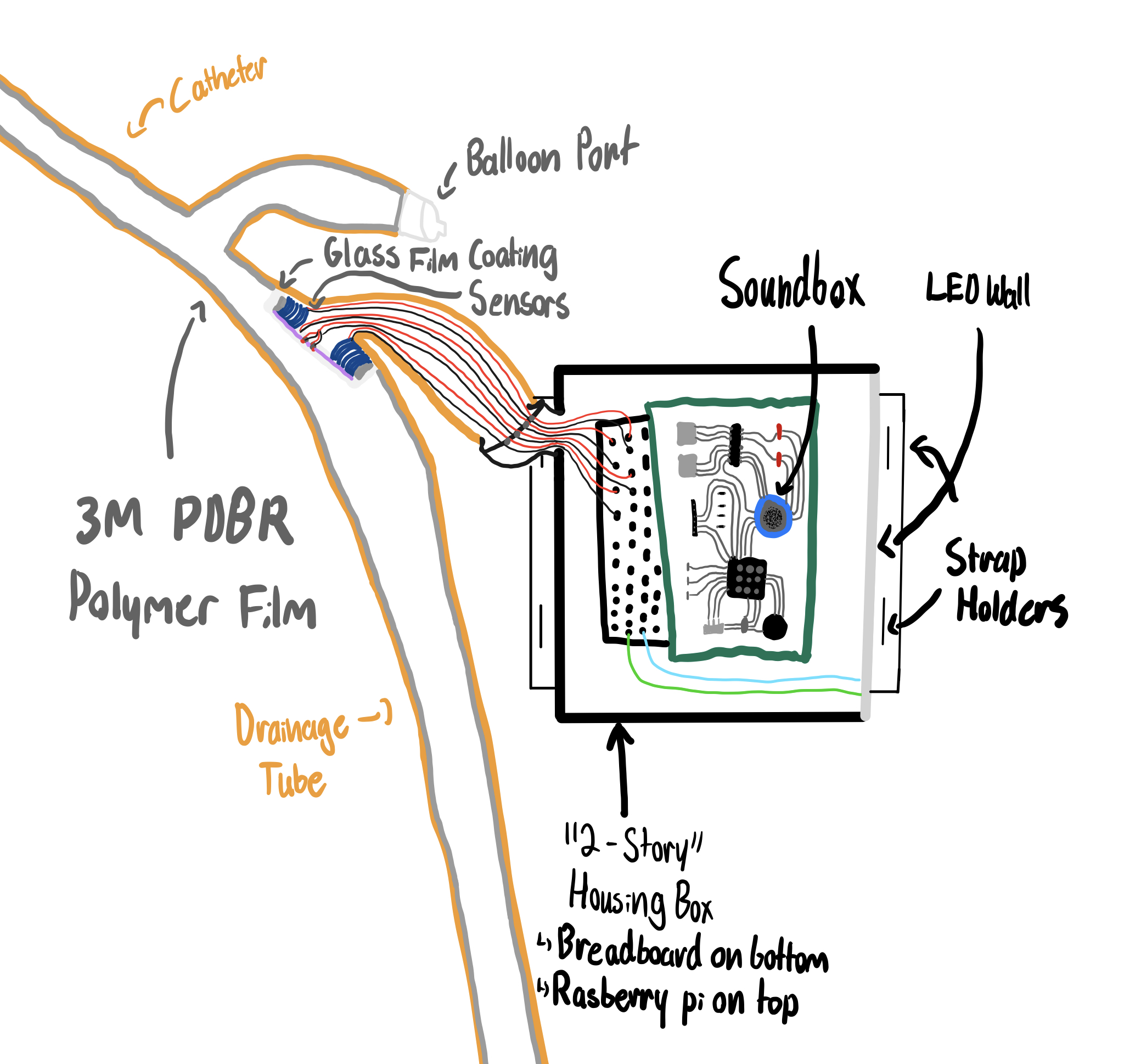
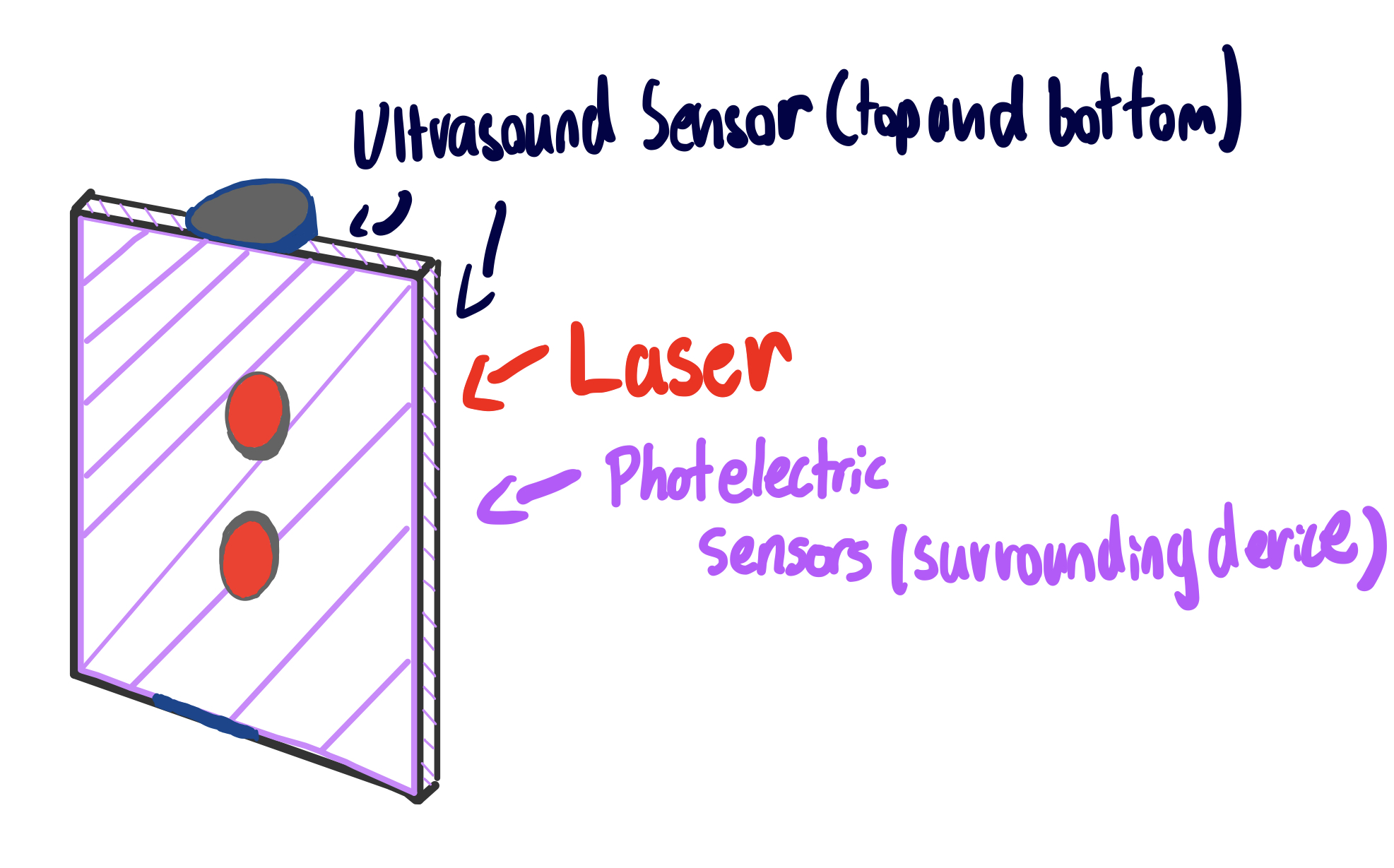
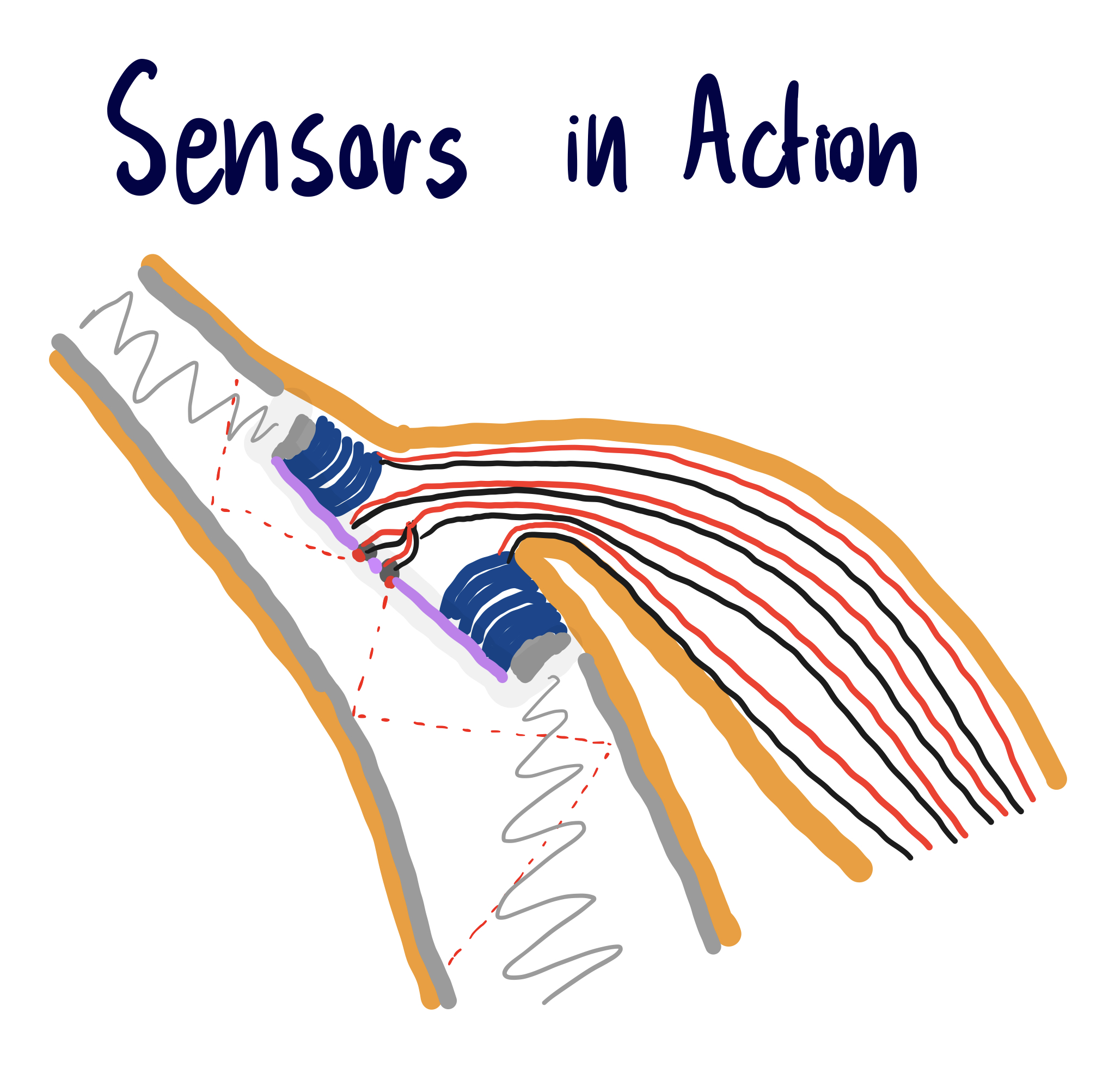
The tunnel monitor device uses LiDAR and ultrasonic technology to determine if there are kinks, or blockages in the catheter tube.
How we built
Our first step involved sketching out the design. We used graphics design principles taught in our engineer class to create an accurate sketch. Then we used Autodesk Inventor to model the design. Finally, we used pseudocode principles to show the logic flow of our program.
Challenges we ran into
A challenge we ran into was learning Arduino IDE within a 36 hour timespan. My partner and I did have prior coding knowledge, and although we did manage to learn some syntax it was challenging to learn the necessary code for the ultrasonic sensor, LiDAR, and photoreceptor libraries.
Accomplishments that we're proud of
We are really proud of our unique design, as it can be easily attachable. This can allow our product to be widely adopted, as it truly eases the lives of nurses.
What we learned
Throughout this project we learned how to apply sensors to our design and began to understand object oriented programming to allow sensors to run.
What's next for Tunnel Vision Monitor
This year we will be learning how to code with raspberry pis and arduinos. We plan on taking our design and eventually mapping it out with our design studio’s circuitry.

Log in or sign up for Devpost to join the conversation.