-
Tubman Project Houston
-
ATX Hack for Change - Team Tubman
Overview
The primary goal of Project Tubman is to create a Public defender AI; an open sourced tool that can be used by public defenders to help them defend their clients. This tool will be designed to take some of the load off of the public defenders who are often tasked with more cases than it is humanly possible to take on.
We're accomplishing this with a series of Hackathons taking place all over the United States, working to bring this concept to fruition.
Tubman Project Houston
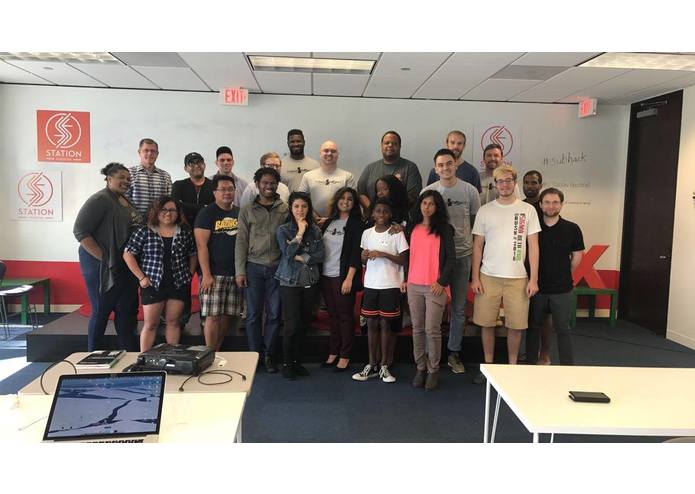
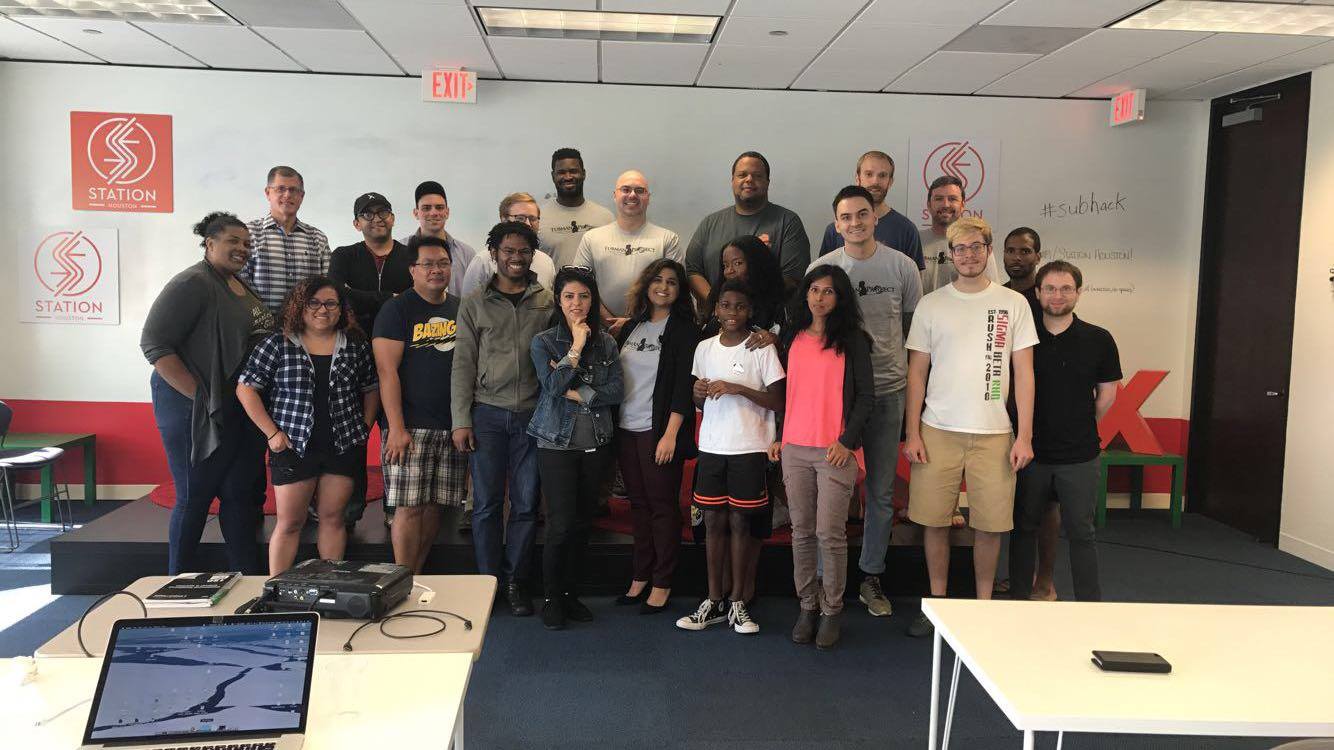
The Tubman Project was launched in Houston, in October 2017. It began as an idea tossed around between a bunch of lawyers and technologists. We were thinking about ways that we could use technology to help people in trouble. Eventually, this culminated in a series of brainstorming sessions hosted with the help of the tech community group, Sketch City. Later that month, we hosted the first Tubman Project Hackathon. Over 25 Hackers gathered together to kick off the project and build out the framework for what was to come.
Since then we've continued to build out the idea. Volunteers from Houston have assisted us in continuing to develop the technology even after the hackathon ended. Meanwhile, we've made inroads into communities of hackers around the country. With the help of this community, we developed a roadmap for the Tubman Project's path from Idea to AI and have laid the groundwork for getting it done.
ATX Hack for Change
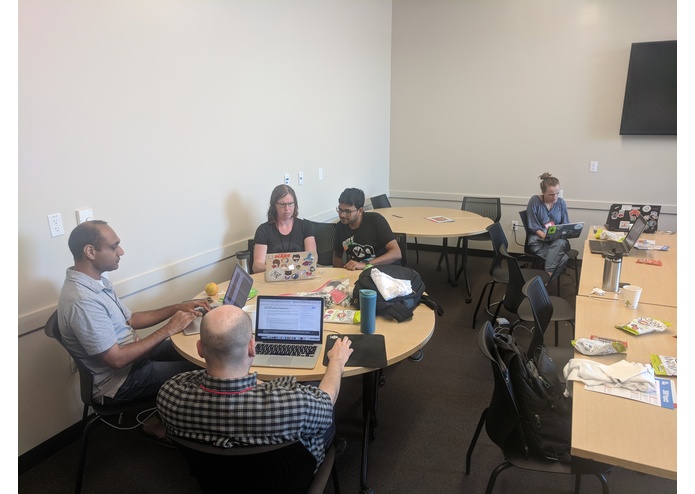
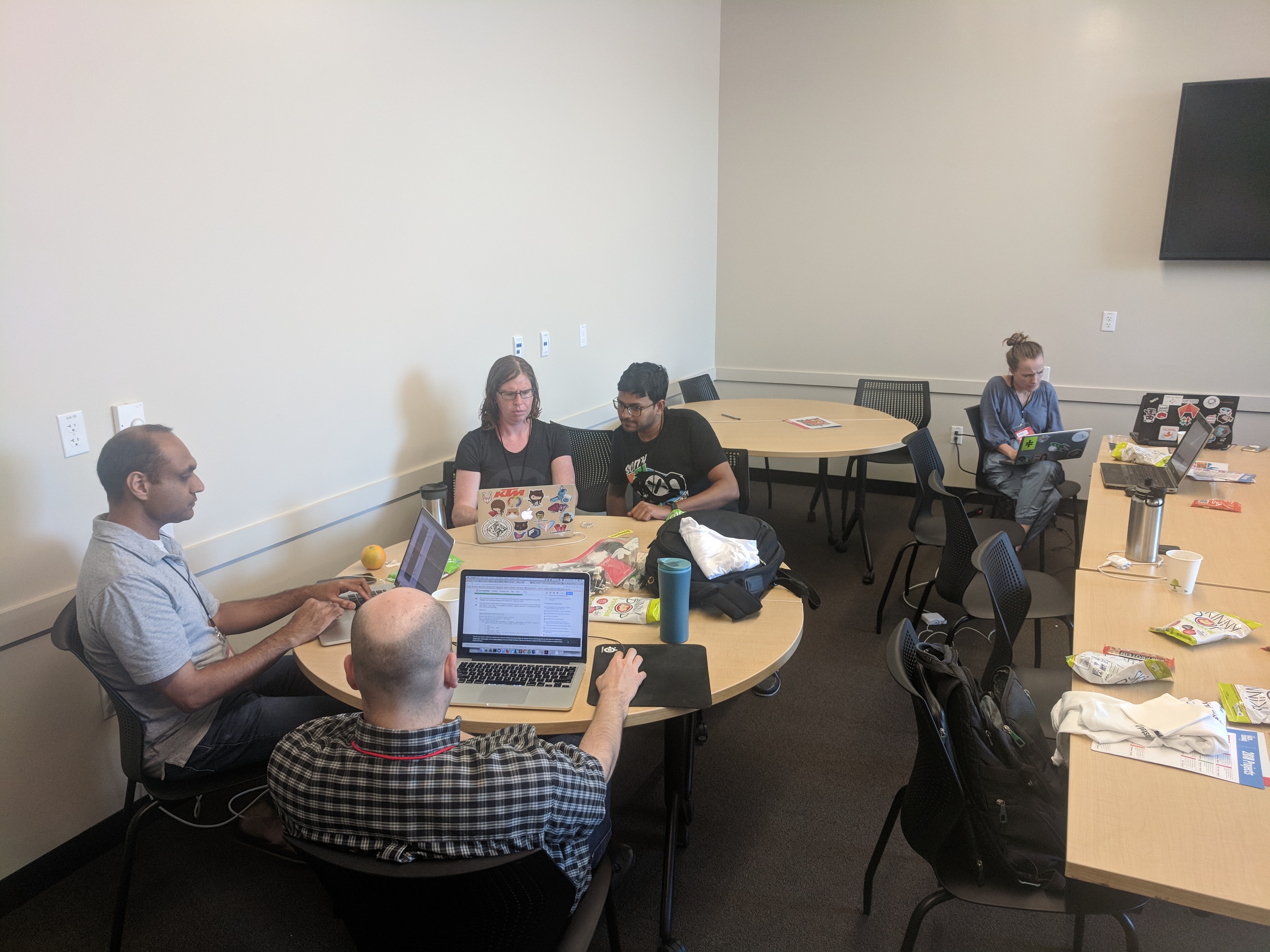
During Hack for Change, we've continued to move the ball forward. We had 2 teams working together, one team working to add more data sources to the system and another working to add a much-needed user interface to the program.
The data team worked to build a database of criminal justice information. We needed more material that should be used to show criminal justice outcomes outside of Houston. The team scoured the various courts in Texas looking for open data that could be incorporated into the system.
Meanwhile, the UI team worked with the Tubman Project API that was developed by the group in Houston. They built out a React front end that would allow us to poll that data in order to inform citizens. We hit a few snags along the way, but we were able to build a map of criminal justice outcomes that pulled from the new data acquired by the data team.
Going Forward
As a result of our efforts, we found that one of the data sources had connections with courts all over the country. With the help of one of the Houston member who came in for the day, we were able to identify a path to get all of that data into the Tubman Project. This brings us one step closer to having enough data to make valid predictions about case outcomes.
Work on the Tubman Project will continue even after the last slice of pizza is consumed. We'll be continuing on with a new Hackathon in Boston later this year. We'll also have a number of check-in calls in the meantime to help those who are volunteering to connect. If you'd like to keep up with us, please sign up for our mailing list or follow us through our website.


Log in or sign up for Devpost to join the conversation.