-
-
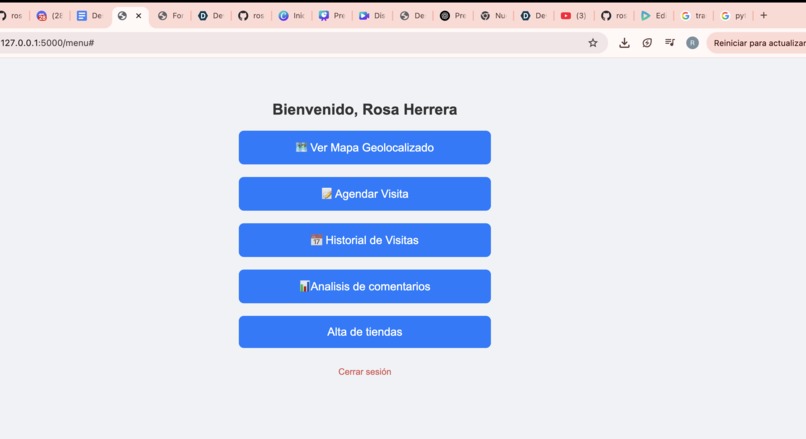
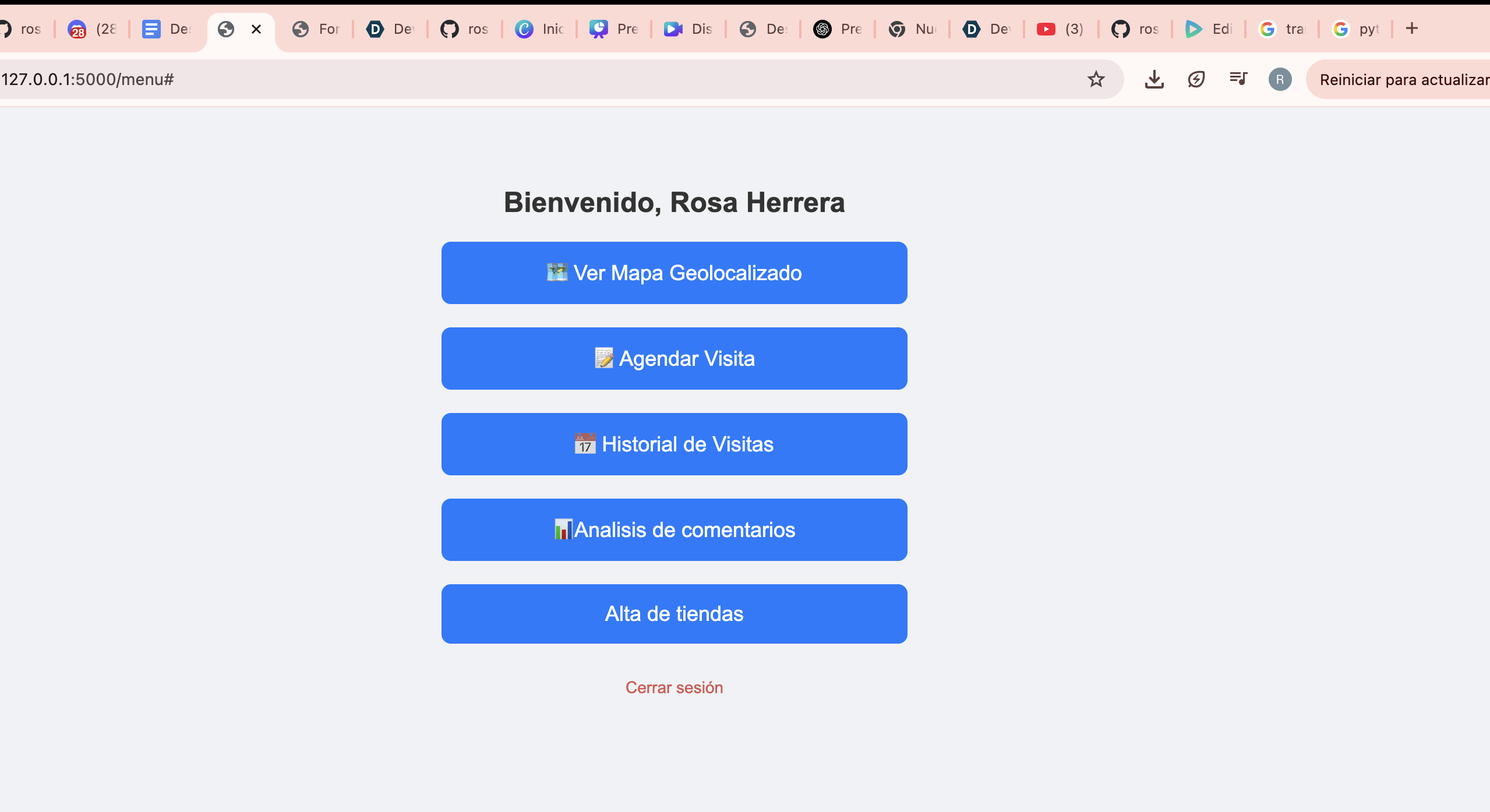
Menu de Inicio
-
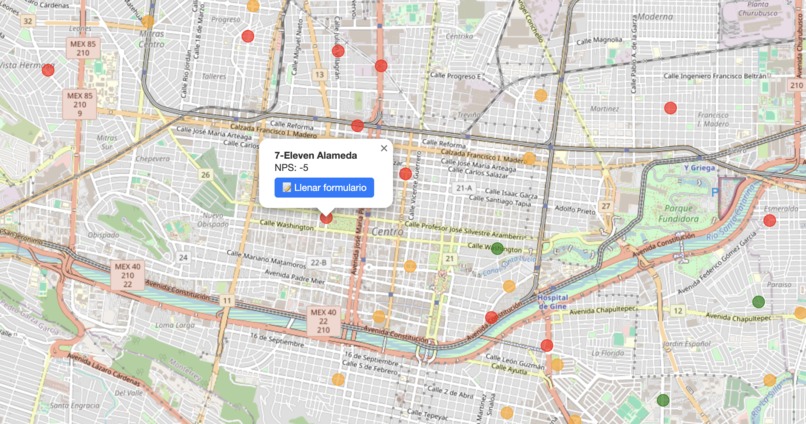
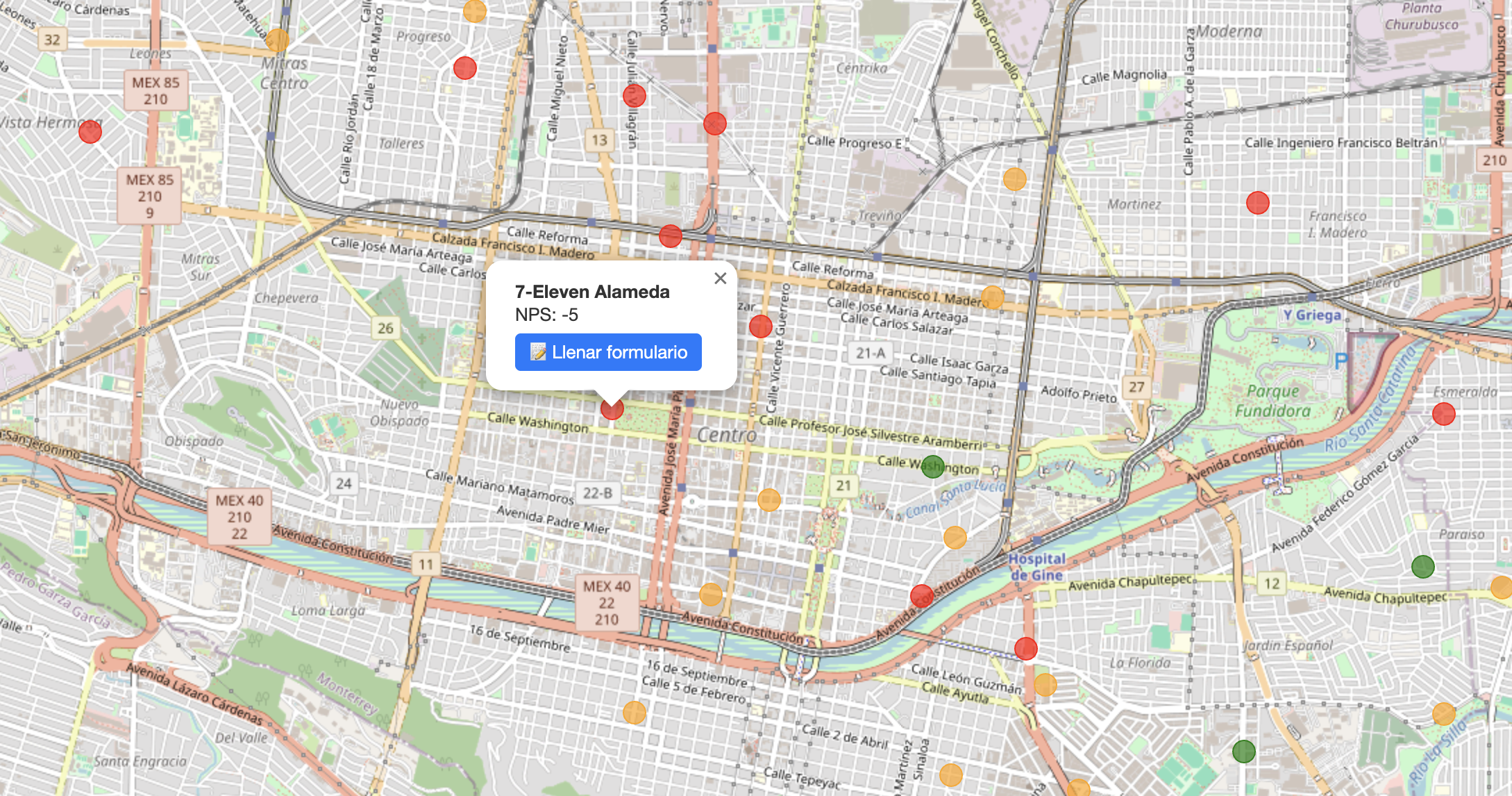
Mapa Interactivo
-
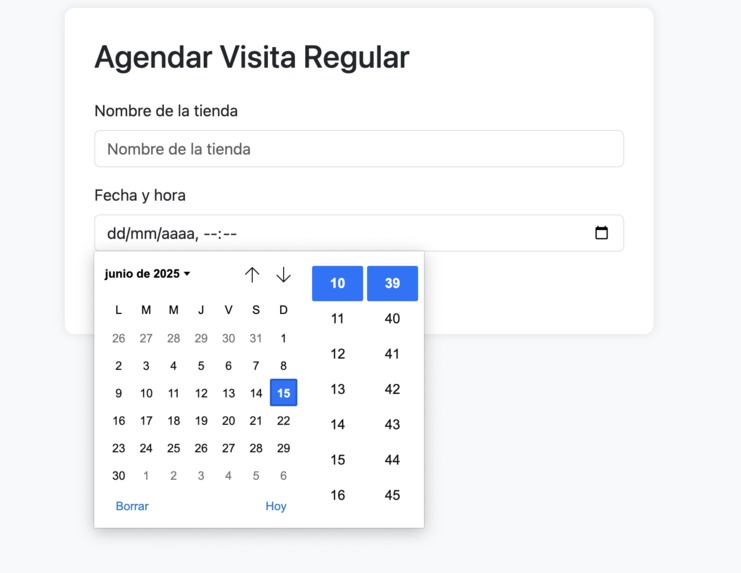
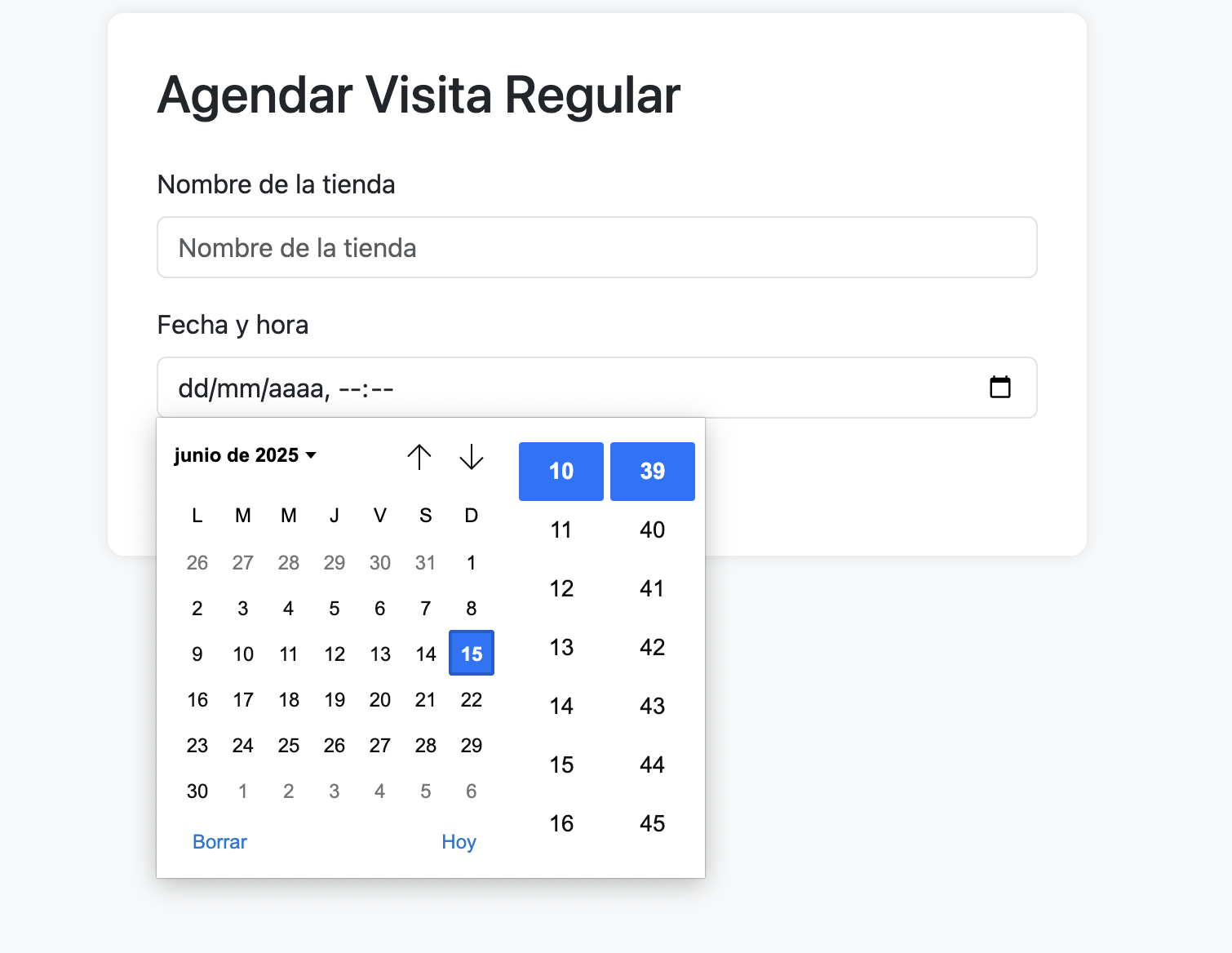
Pantalla de Agendar visita
-
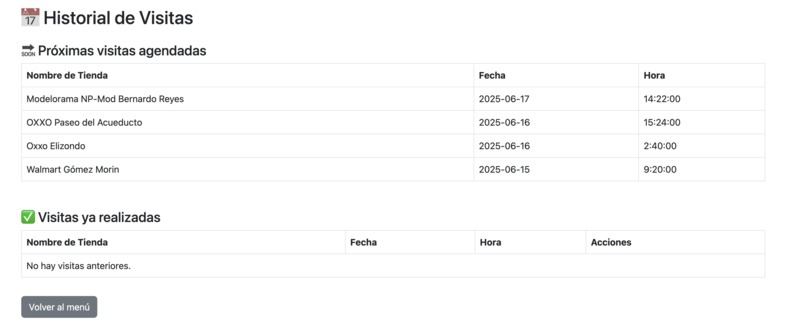
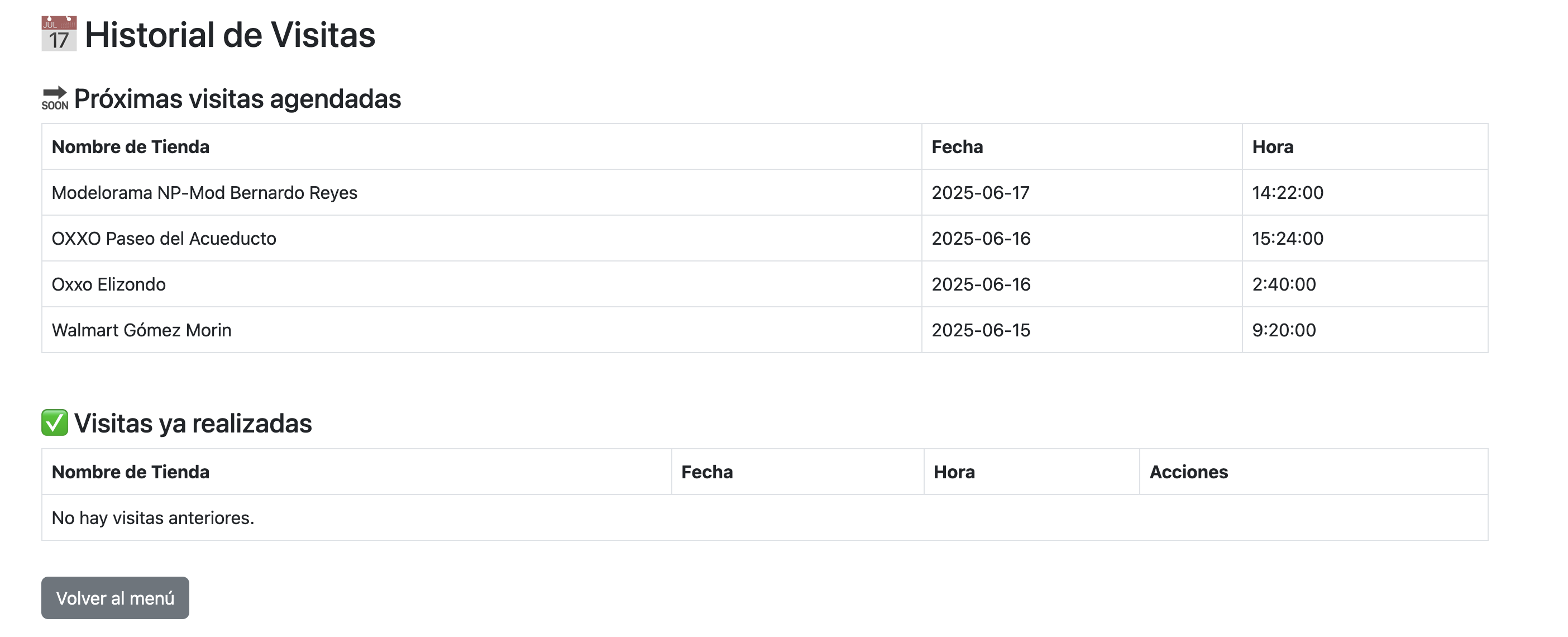
Pantalla de historial de visitas
-
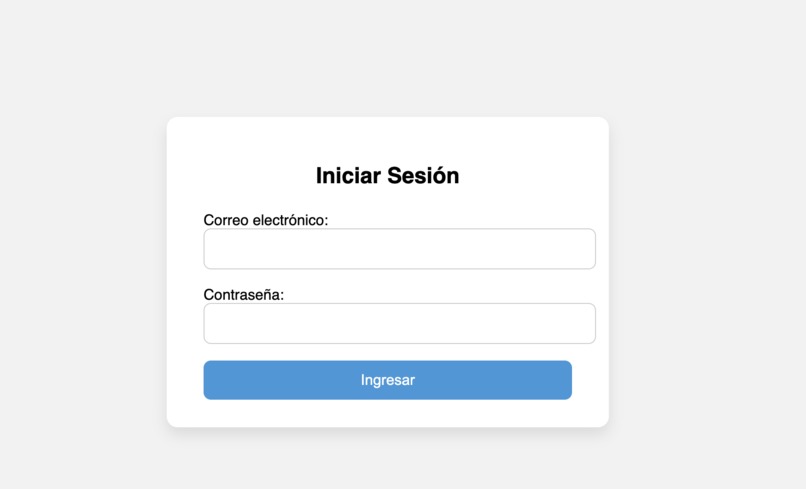
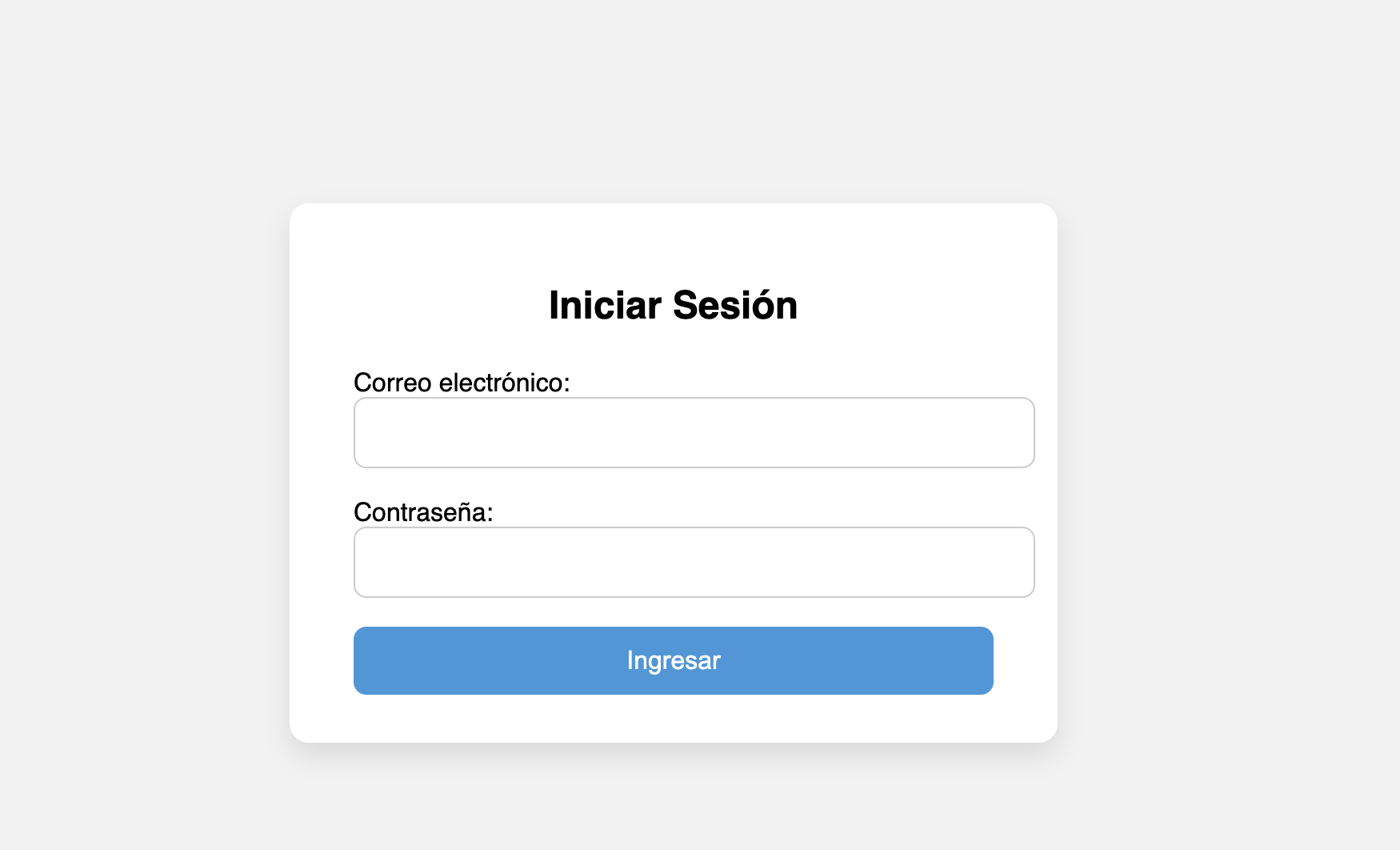
Login
Inspiration
What it does
Inspiration
Our team was inspired by the real-world challenge of field collaborators who visit small retailers and corner stores but lack a simple, smart and human-centered way to document what really happens during those visits. While most platforms focus on orders, we wanted to create a tool that listens — one that captures feedback, issues, and the emotional side of the customer relationship.
TualiSense was born from the desire to combine empathy and technology, and to give voice to the clients behind the counter. Inspired by Arca’s use of Tuali, we envisioned a complementary tool that would let collaborators not only register what they see, but also what they feel and hear.
What we learned
- We deepened our understanding of how to use Flask as a backend framework and connect it with Google Calendar APIs.
- We discovered how powerful ChatGPT and IA-assisted tools like Cursor can be in accelerating prototyping and iterating interfaces.
- We learned how to integrate GeoJSON and visualize store locations on interactive maps with color-coded satisfaction levels.
- We saw the value of cleaning Git history to protect sensitive data and managing
.gitignorefiles correctly.
How we built it
- Frontend: HTML, CSS, JavaScript and Jinja templates rendered through Flask.
- Backend: Flask (Python), MySQL for data persistence, Google Calendar API for scheduling.
- Geospatial visualization: Map markers using GeoJSON, color-coded to reflect Net Promoter Score (NPS).
- AI integration: We used ChatGPT and Cursor to generate around 65% of the boilerplate and structure of our code, and for smart form generation.
- Version control: Git and GitHub, with a strong focus on clean commit history and secret-free public repositories.
Challenges we faced
- One of the most difficult challenges was handling and removing sensitive OAuth credentials from Git history once GitHub flagged them. It taught us the importance of
.gitignoreand using environment variables securely. - Connecting with the Google Calendar API required multiple attempts to format tokens and authentication flows properly.
- Designing a form that could convert subjective customer feedback into actionable, visual data required thoughtful UX decisions and logic.
- Mapping and visual filtering by satisfaction level (semáforo-style) needed both technical implementation and good front-end clarity.
Outcome
TualiSense became more than a CRUD app: it's a platform that blends AI, empathy and automation to improve how Arca collaborators interact with store owners — making every visit a chance to listen, improve and follow up.

Log in or sign up for Devpost to join the conversation.