-
-
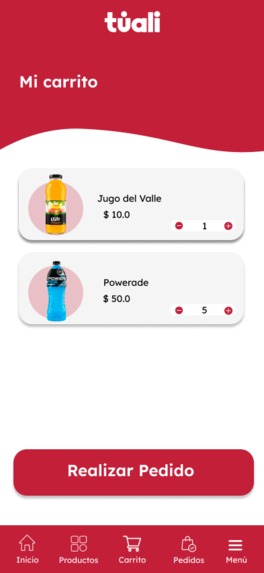
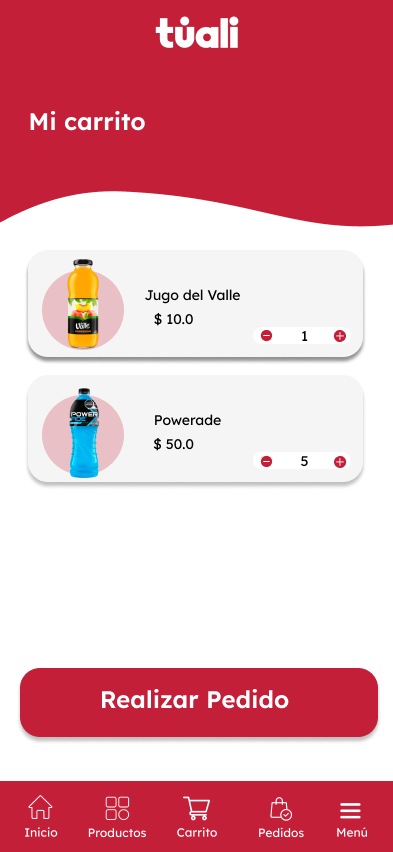
Cart Screen - Mockup
-

Log In Page - Mockup
-

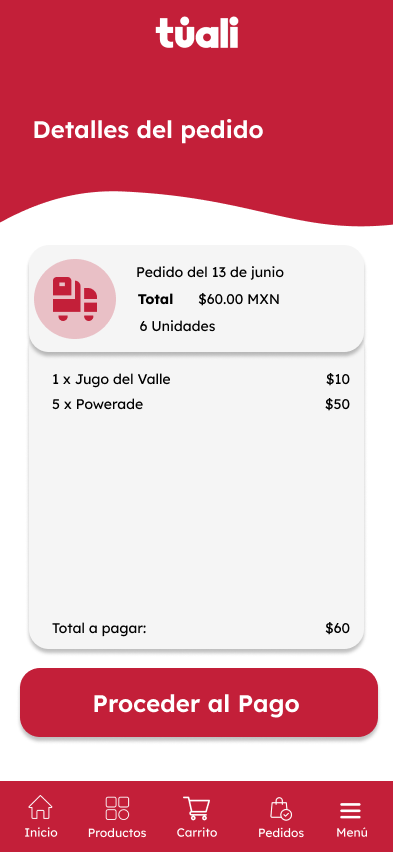
Purchase Summary Screen - Mockup
-

Verification Code Screen - Mockup
-
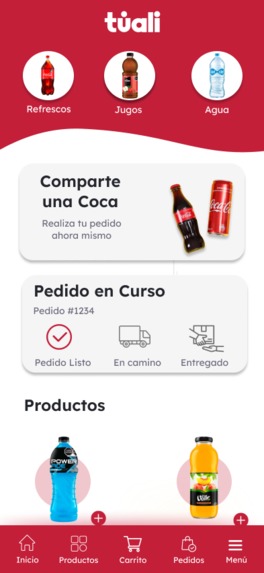
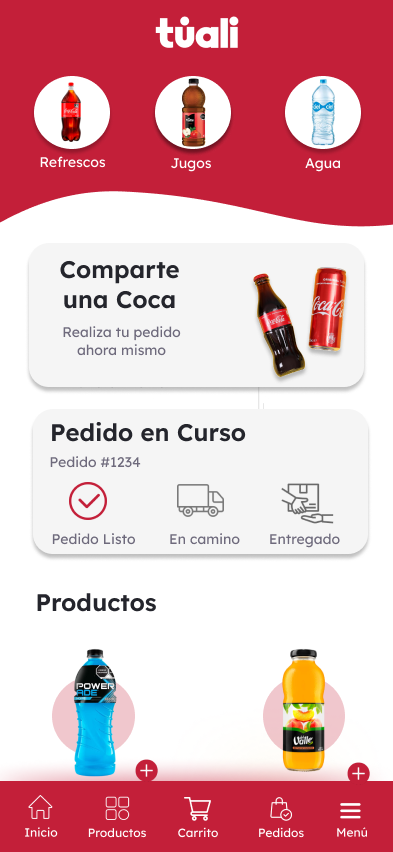
Home Page - Mockup


We chose this challenge because, although it sounded simple at first, we wanted to push ourselves to design a solution that is not only straightforward but truly impactful. Many authentication methods today rely on overcomplicated or exclusive technologies—facial recognition, voice authentication, or email verification—that don’t always work for users without access to cameras, microphones, or even an email account. But almost every user has a phone. So we built TualiAuth: a passwordless login experience that uses only a phone number and a temporary code.
We challenged ourselves further by building it with a tech stack that was new to us—Flutter and C#. None of us had prior experience, but we saw it as an opportunity to grow. While some of us worked on the design in Figma, others set up the dev environment, and we rotated roles throughout the process to make sure everyone got hands-on experience in every stage. In about 22 hours, we managed to build a functional demo, including the login flow, homepage, cart, and more.
One of the biggest hurdles was not knowing Flutter at all and lacking a physical Android device for real testing—everything was done on emulators. We also hit an unexpected challenge when we realized the project we originally registered for was full, so we had to pivot quickly and commit to this idea.
We learned a lot about new tools, how to lean on GenAI for technical support, and—most importantly—how to trust each other, adapt fast, and stay grounded. This was our last hackathon as university students, and as an all-women team, we’re proud of what we built and how far we’ve come. This project marks a milestone in both our academic and professional journey.
We truly hope that Arca Continental sees the potential of this solution and considers integrating TualiAuth into their platform. With the right support, this idea could grow into a powerful tool for user experience and security, one that deserves to be scaled and recognized.

Log in or sign up for Devpost to join the conversation.