
Inspiration
I was inspired by the rapid spread of misinformation on social media and how it can influence opinions and decisions. I wanted to create a tool that empowers users to critically evaluate content and make informed choices online.
What it does
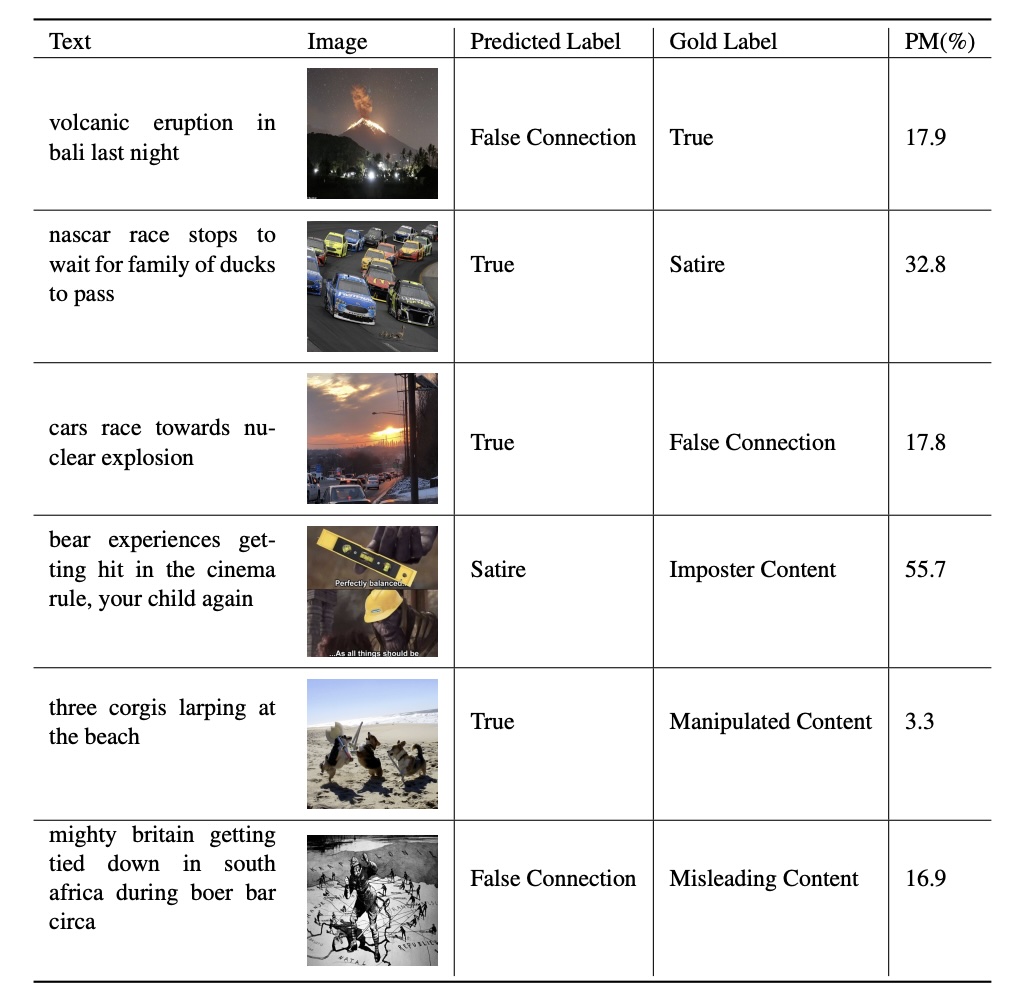
TruthLens is a multimodal AI system that analyzes both text and images in social media posts to detect fake or misleading content. It provides clear explanations and context for its predictions, helping users understand why a post may be unreliable.
How we built it
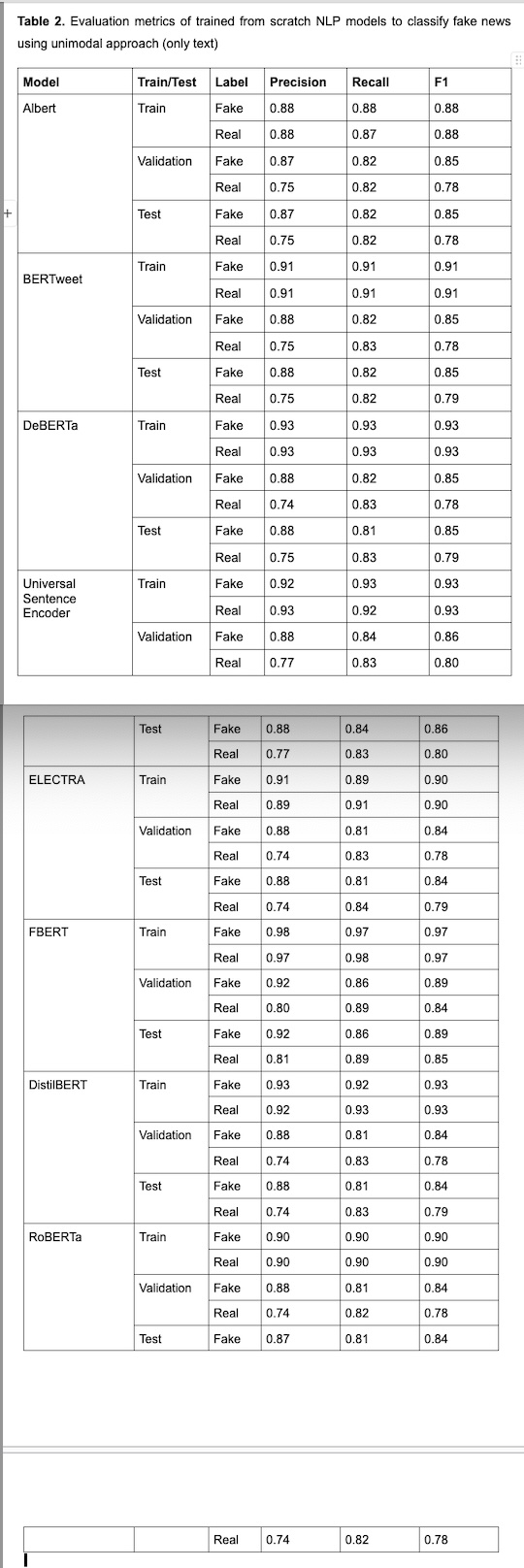
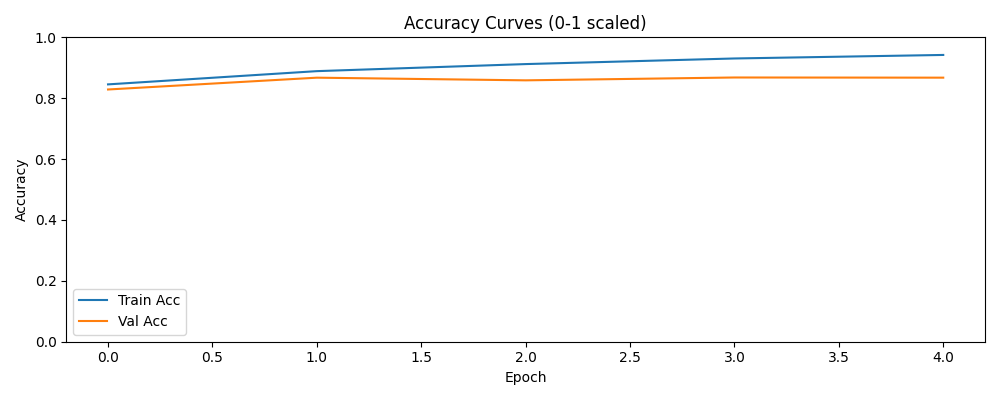
I used the Fakeddit dataset, preprocessing text and images for consistency. The AI combines FBERT for text and ConvNeXt-XL for images in a two-part network. The system was fine-tuned with progressive unfreezing, AdamW optimization, mixed precision training, and deployed in a web interface for real-time user interaction.
Challenges we ran into
Handling a massive, diverse dataset and ensuring accurate predictions across varied posts was challenging. Optimizing the model for real-time performance while maintaining high accuracy required careful tuning and experimentation.
Accomplishments that we're proud of
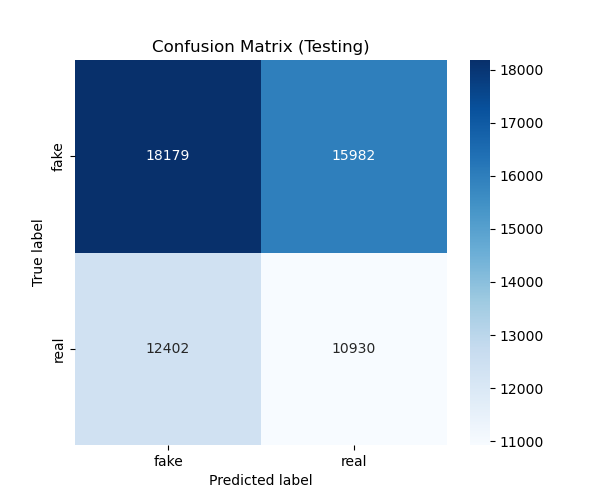
We successfully built a multimodal model capable of detecting misinformation with strong accuracy and F1-scores. The system integrates seamlessly into a web interface, providing real-time, actionable insights and explanations for users.
What we learned
I gained experience in multimodal AI, large-scale dataset preprocessing, model fine-tuning, and web deployment. I also learned the importance of responsible AI design and providing users with understandable, trustworthy feedback.
What's next for TruthLens
Future plans include expanding to multiple languages and platforms, improving continuous learning with user feedback, and adding educational features to teach digital literacy while maintaining real-time misinformation detection.
Built With
- css
- html
- hugging-face-transformers-(fbert)
- javascript
- matplotlib
- numpy
- pandas
- python
- pytorch
- scikit-learn
- seaborn
- timm-(convnext-xl)
- torchvision

Log in or sign up for Devpost to join the conversation.