-
-
App icon for iOS
-

End screen / Results
-

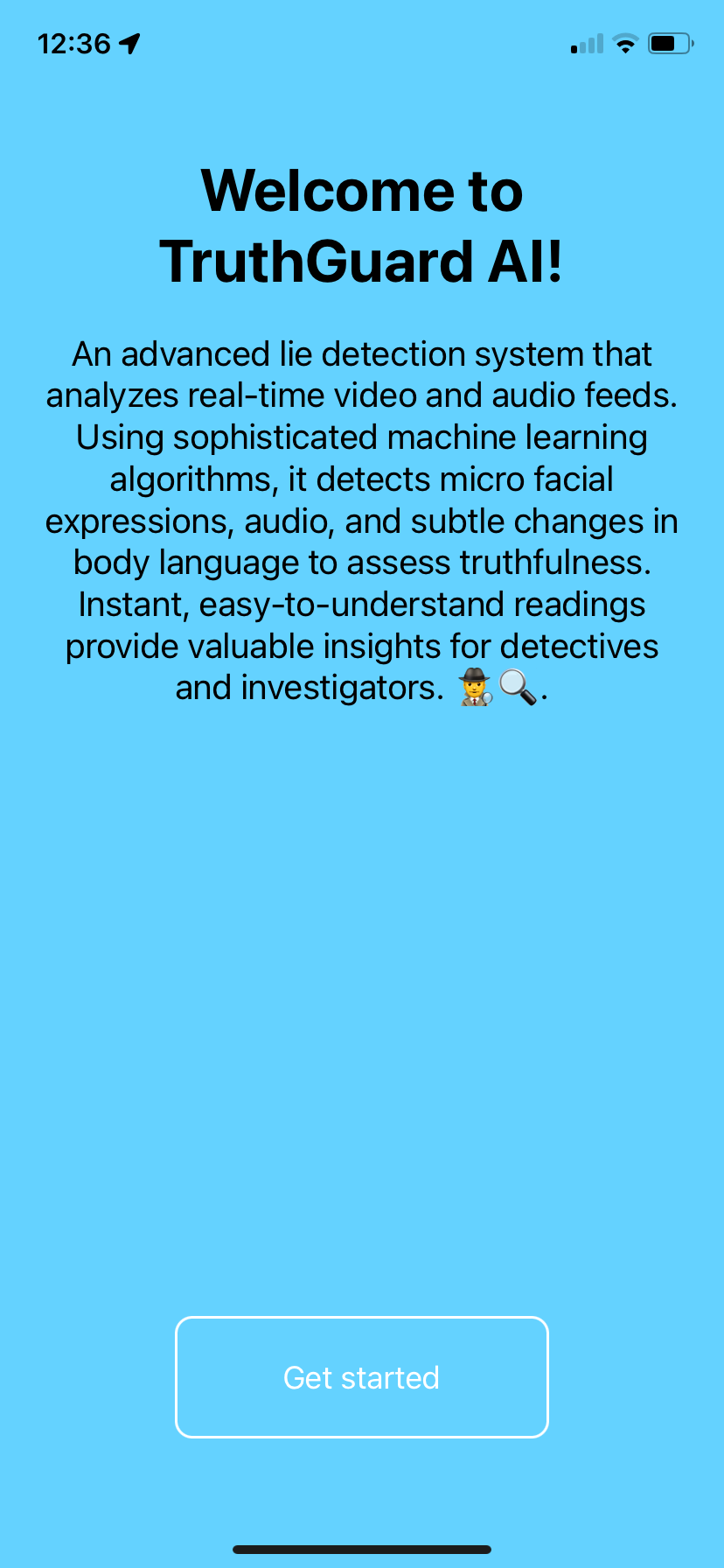
home screen
-
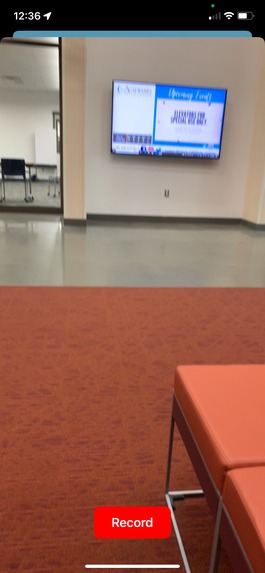
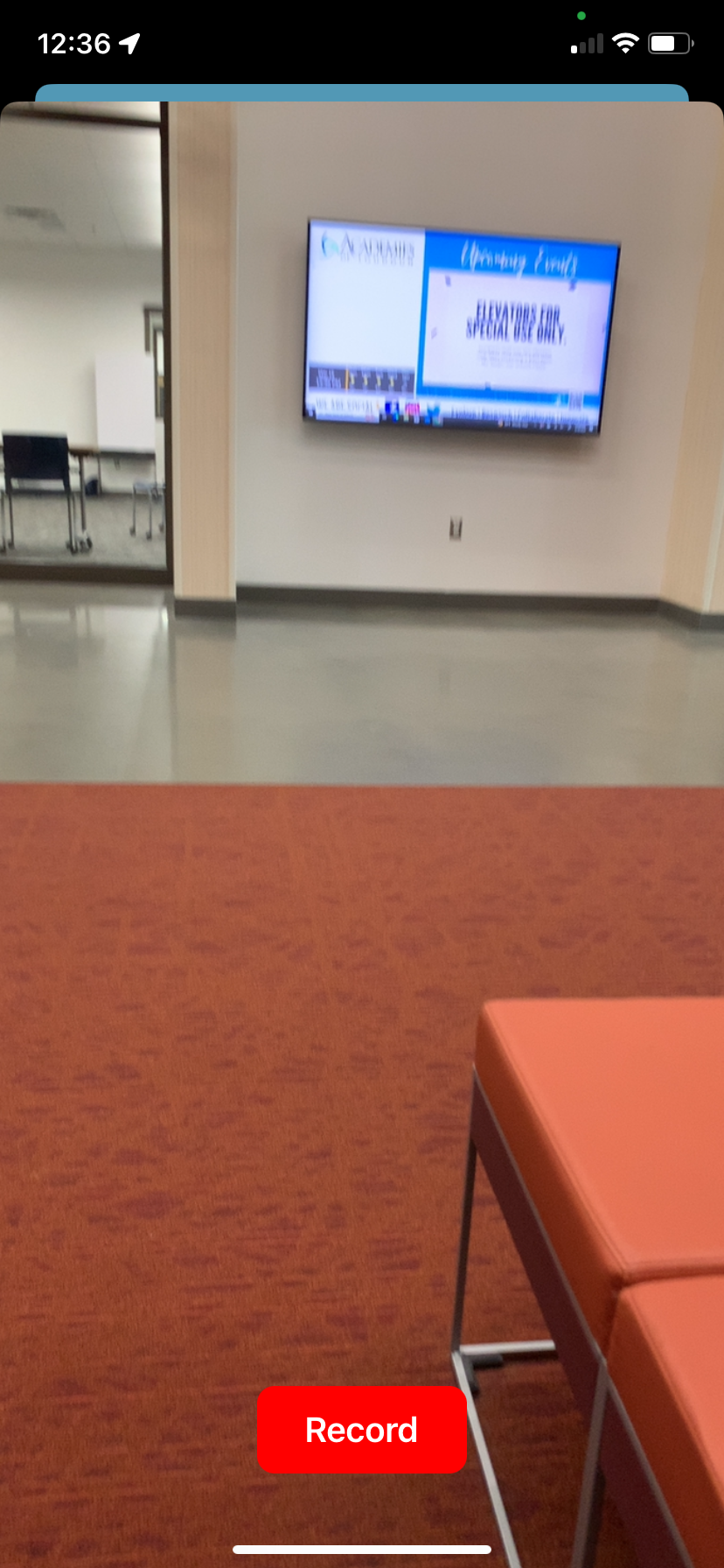
Camera view

Inspiration
Our main inspiration was our curiosity. Questioning assumptions is fundamental to curiosity driven projects. When we embarked on creating a lie-detection system, out curiosity was sparked by questioning the common belief that lies are inherently undetectable. This inquiry drove us to explore new methods by utilizing our skillsets, ultimately leading to the development of our product, TrustGuard.
What it does
The IOS app is designed for detectives and aims to assist them in investigations by providing guidance in differentiating truth from lies. Through specialized machine learning algorithms and techniques, all detectives have to do is record the suspect speaking, through video and audio, and the app will provide a result for you as to how likely the suspect is lying. By leveraging this technology, the app empowers detectives to make informed decisions and progress effectively in their investigations.
How we built it
The following are the steps that we took:
- IOS App Development in Xcode with Swift:
- Create IOS project in Xcode
- Design app's UI using Swift UI
- Utilize AvFoundation for audio and video functionalities(Camera)
- Machine Learning Model Development in PyTorch:
- Searched for dataset
- Developed Audio & Video feature extraction using Torch vision and Torch Audio
- Combined features for fusion model
- Trained and Tested Model(75% Accuracy) - Detectives Average 60%
- Integration with Core ML:
- Converted PyTorch model to Core ML format using tools like core ML converters
- Integrate into Xcode
Challenges we ran into
Throughout the project we were faced with many challenges. One of the initial challenges was sourcing a suitable dataset that aligns well with our goal. This was especially difficult as our files had to include video and audio. In addition, formatting this diverse data set for compatibility and no training errors posed another significant problem. Matrix Multiplication errors emerged during model training. One the front end, integrating the camera functionality and establishing a stable connect with the Core Ml model for real time processing presented a significant hurdle.
Accomplishments that we're proud of
Our group is proud of several accomplishments in developing our lie detection IOS app. We've learning how to refine and optimize audio and visual models that can handle diverse speaking styles and languages. Moreover, we were able to successfully build an IOS app, although nobody in our group was familiar with Swift. In the end, we are proud that we were able to complete a product.
What we learned
Through these challenges, our team gained valuable skills and insights that will aid us in the future. We learned how to build IOS applications using Swift, from start to finish, which was unfamiliar before. Furthermore, we were able to experience the integration of audio and visual models within IOS apps, which significantly improved out understanding of leveraging machine learning. Overall, this experience not only strengthened out technological capabilities but also deepened out expertise and understanding in developing sophisticated solutions that combine audio and visual processing.
What's next for TrustGuard AI
The next steps for TrustGuard AI revolve around refining and optimizing our machine learning models. We plan to conduct further training using diverse datasets to enhance accuracy and fine-tune algorithms for handling different speaking styles and languages effectively. In addition, we plan on largely improving the UI to make it more intuitive and user-friendly.


Log in or sign up for Devpost to join the conversation.