
Inspiration
Floods can be influenced by rainfall, reservoir storage, inflow, outflow, and upstream dam releases. We wanted to build a system that could predict flood risk earlier and help make better decisions. Our main idea was to make the prediction more reliable by checking the trustworthiness of the data before using it for AI prediction.
What it does
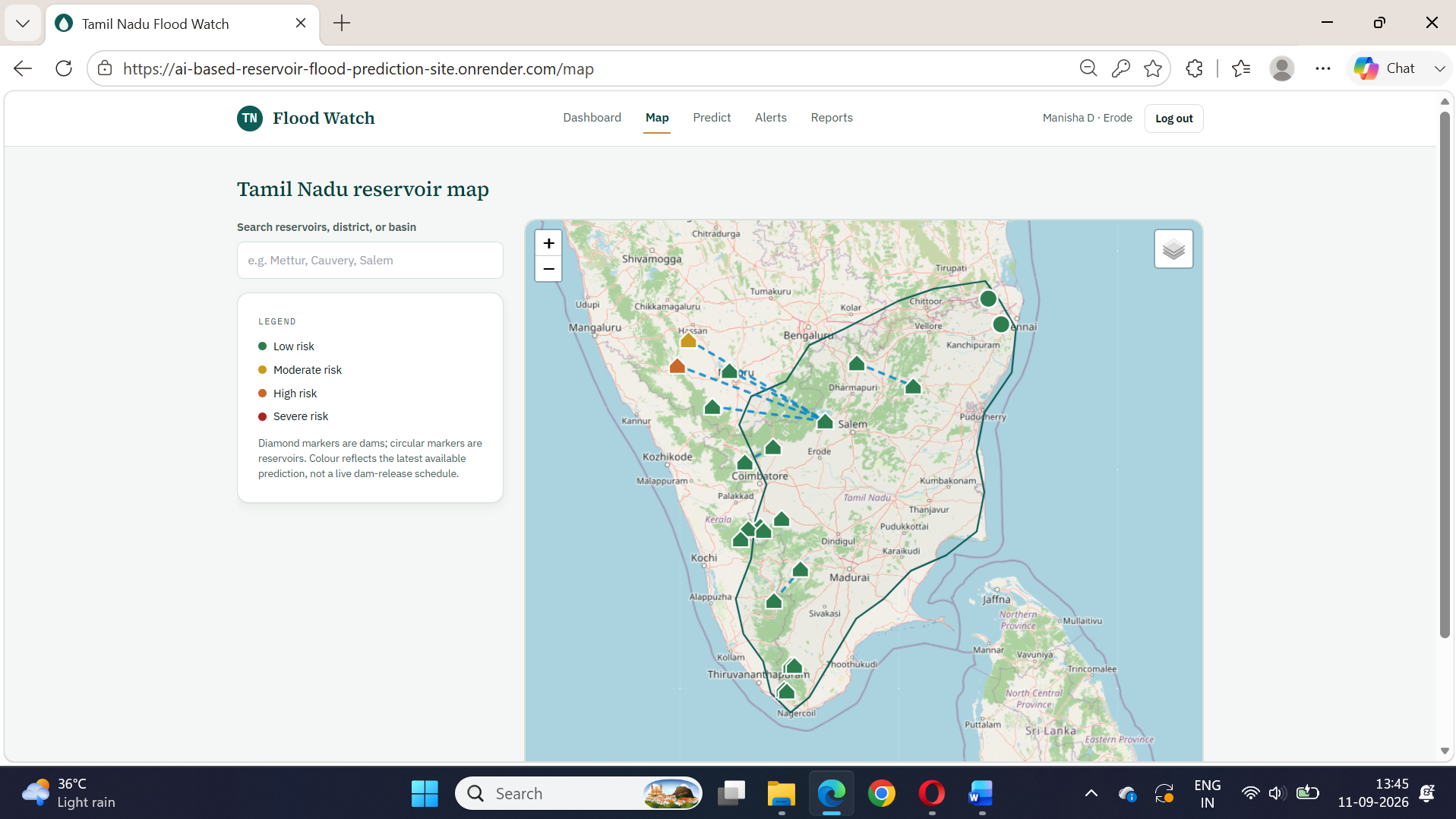
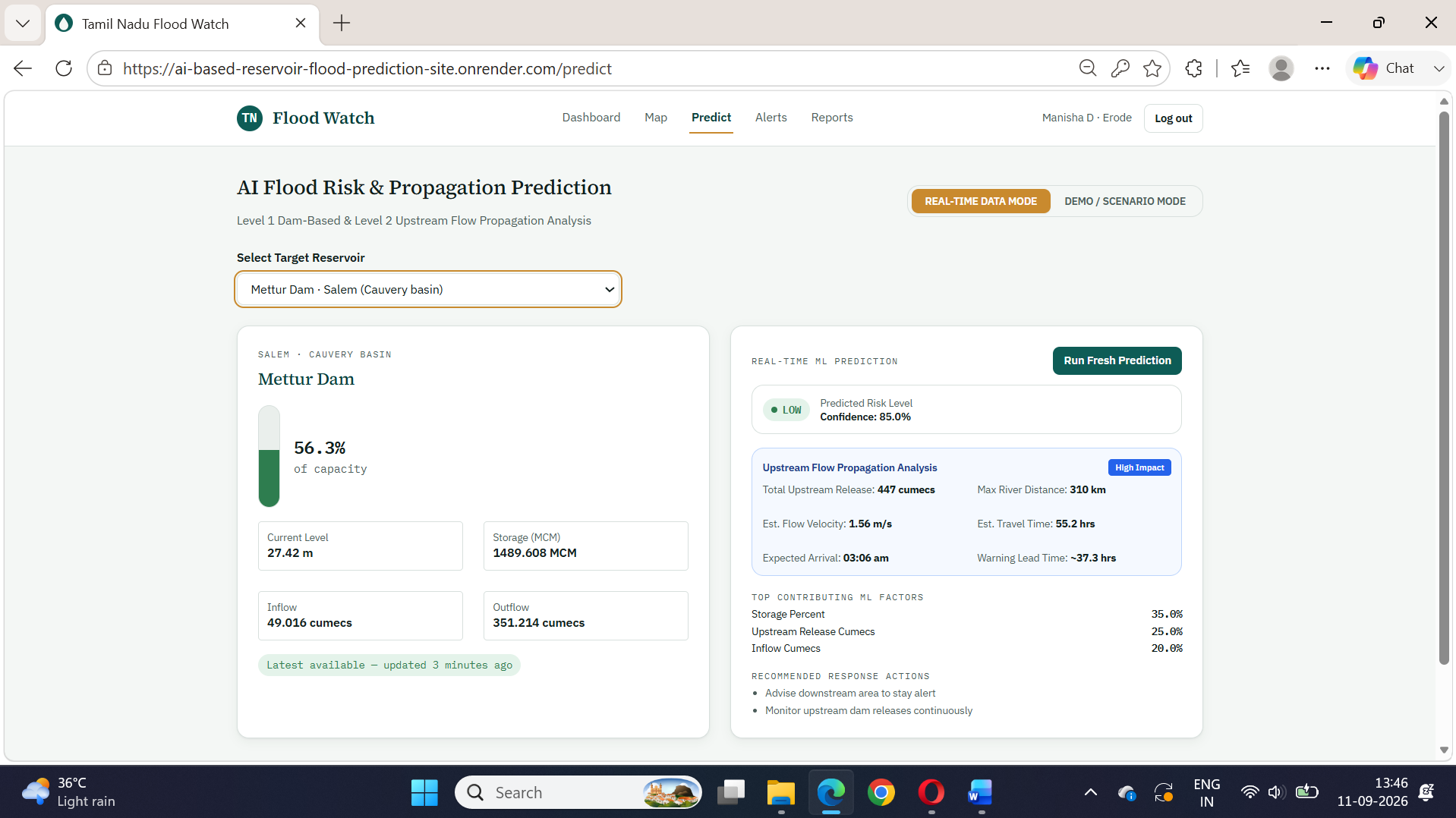
TrustFlood-AI uses reservoir, rainfall, weather, and historical flood data to predict flood risk using a Random Forest model. It also calculates a Trust Score for incoming data, considers upstream reservoir influence, estimates travel time, and displays the results through an interactive dashboard and map.
How we built it
We used Python, Pandas, and Scikit-learn for data processing and the Random Forest model. FastAPI serves the ML model, while Node.js and Express handle the backend. React and Leaflet are used for the interactive dashboard and map. We combined reservoir, rainfall, weather, and historical flood datasets to build the prediction pipeline.
Challenges we ran into
Our biggest challenge was finding consistent real-world environmental data. Different sources had different formats, update frequencies, and missing values. We also had to understand how upstream reservoir releases could affect downstream locations and incorporate travel-time estimation into the system.
Accomplishments that we're proud of
We built a complete working system instead of only an ML model. We are especially proud of combining data trust validation, AI-based flood prediction, upstream reservoir analysis, and an interactive dashboard into one platform.
What we learned
We learned about real-world data preprocessing, feature engineering, Random Forest, API integration, full-stack development, and reservoir relationships. Most importantly, we learned that reliable data is just as important as the prediction model.
What's next for TrustFlood-AI
We plan to integrate real-time IoT sensors for water level and rainfall, use LoRa for communication, and explore SRAM PUF-based device authentication. We also want to use larger real-world datasets and improve real-time prediction, travel-time estimation, and early-warning alerts.
Built With
- analytics
- api
- artificial
- css
- data
- express.js
- fastapi
- flood
- forest
- github
- html
- intelligence
- iot
- javascript
- leaflet.js
- learning
- machine
- node.js
- pandas
- prediction
- python
- random
- react
- rest
- scikit-learn

Log in or sign up for Devpost to join the conversation.