-
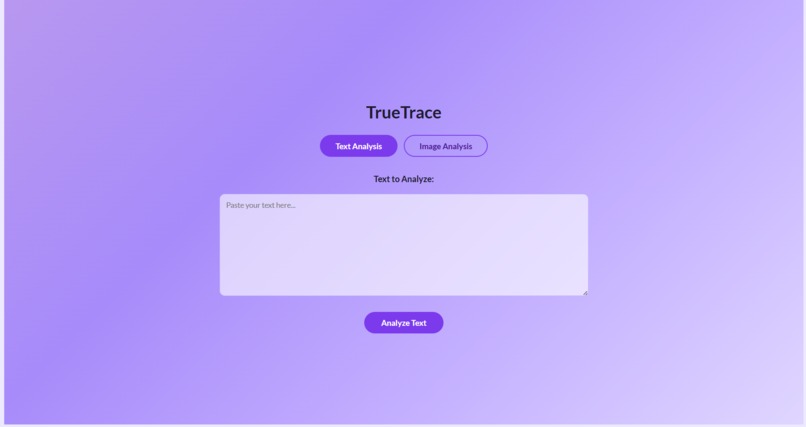
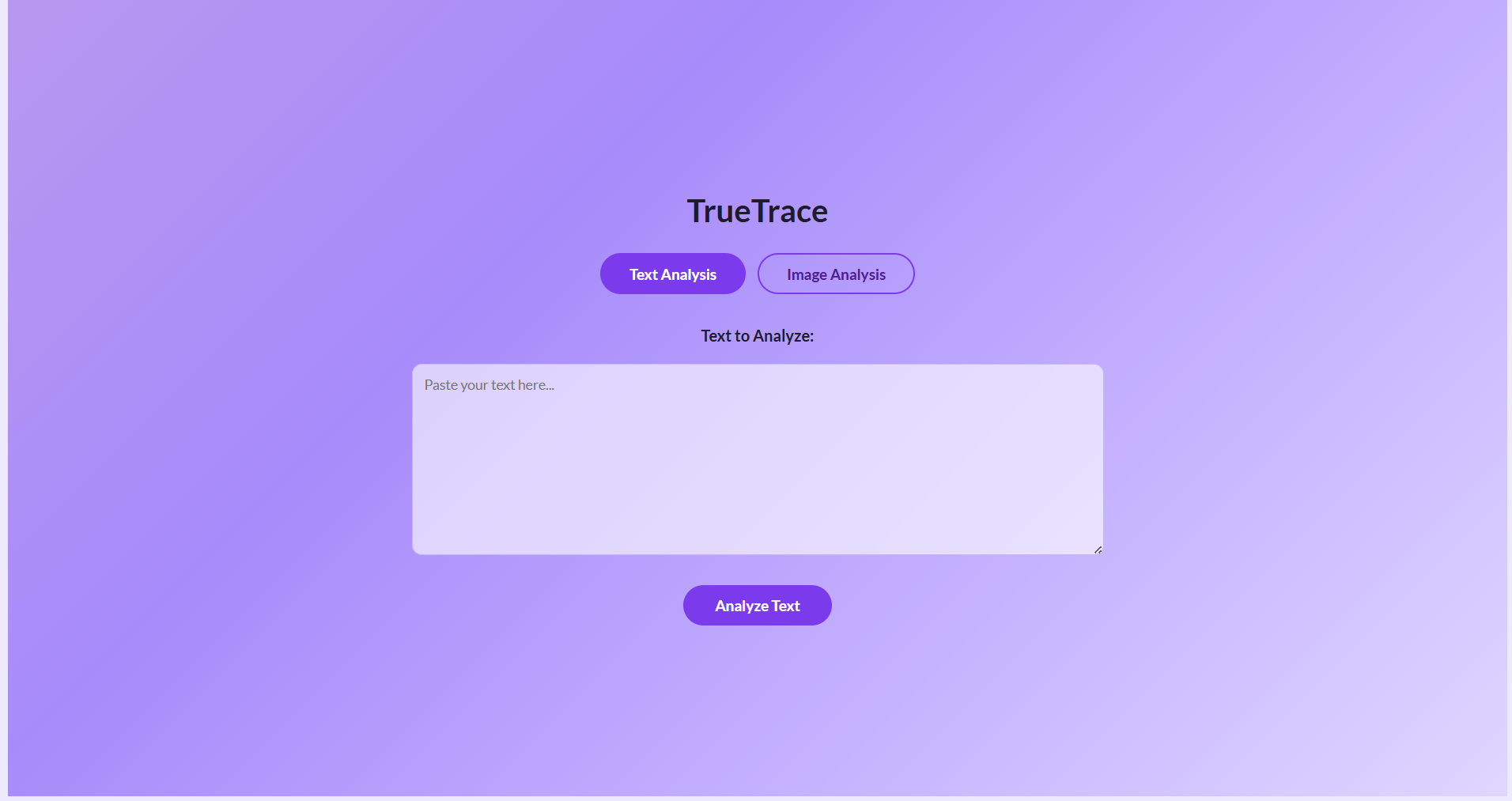
Text Analysis
-
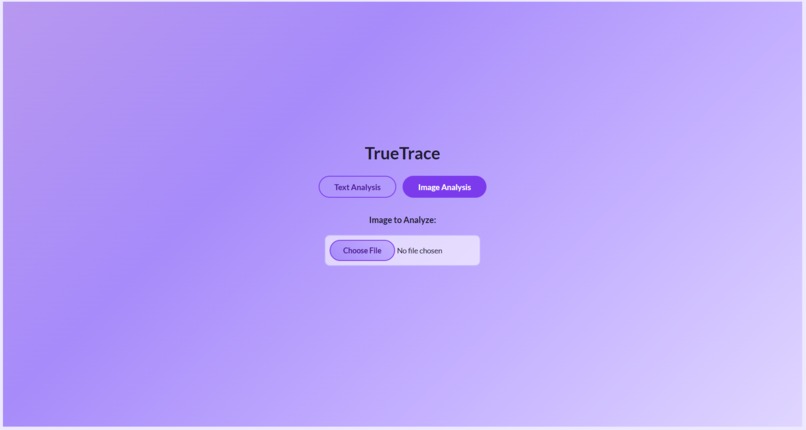
Image Analysis
-
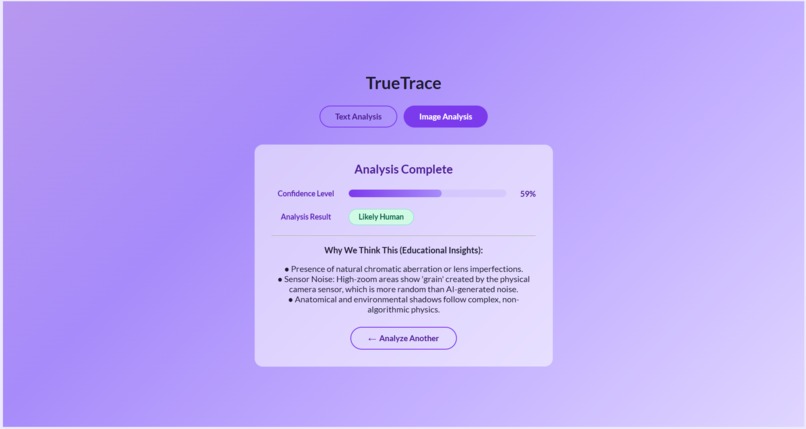
Result Screen
Inspiration
Our problem that we are trying to solve is when we are in a world where AI can almost perfectly replicate AI, several people can be tricked in social media with such misinformation spreading. It is not just a technology issue; it is a major trust issue where almost not even the college-educated generation gets tricked by what they see. Even when there are AI detectors out there that explicitly detect if a piece of media is AI-generated or not, it is simply just a binary-type answer. It doesn't actually provide the "how" the detector comes to its conclusion, providing no proof, and forcing users to blindly trust it. Knowing these problems, we wanted to create an AI detector for both images & text without just providing a simple answer. It actually investigates behind, and through specialized lenses, would give a reason for the user to trust it.
What it does
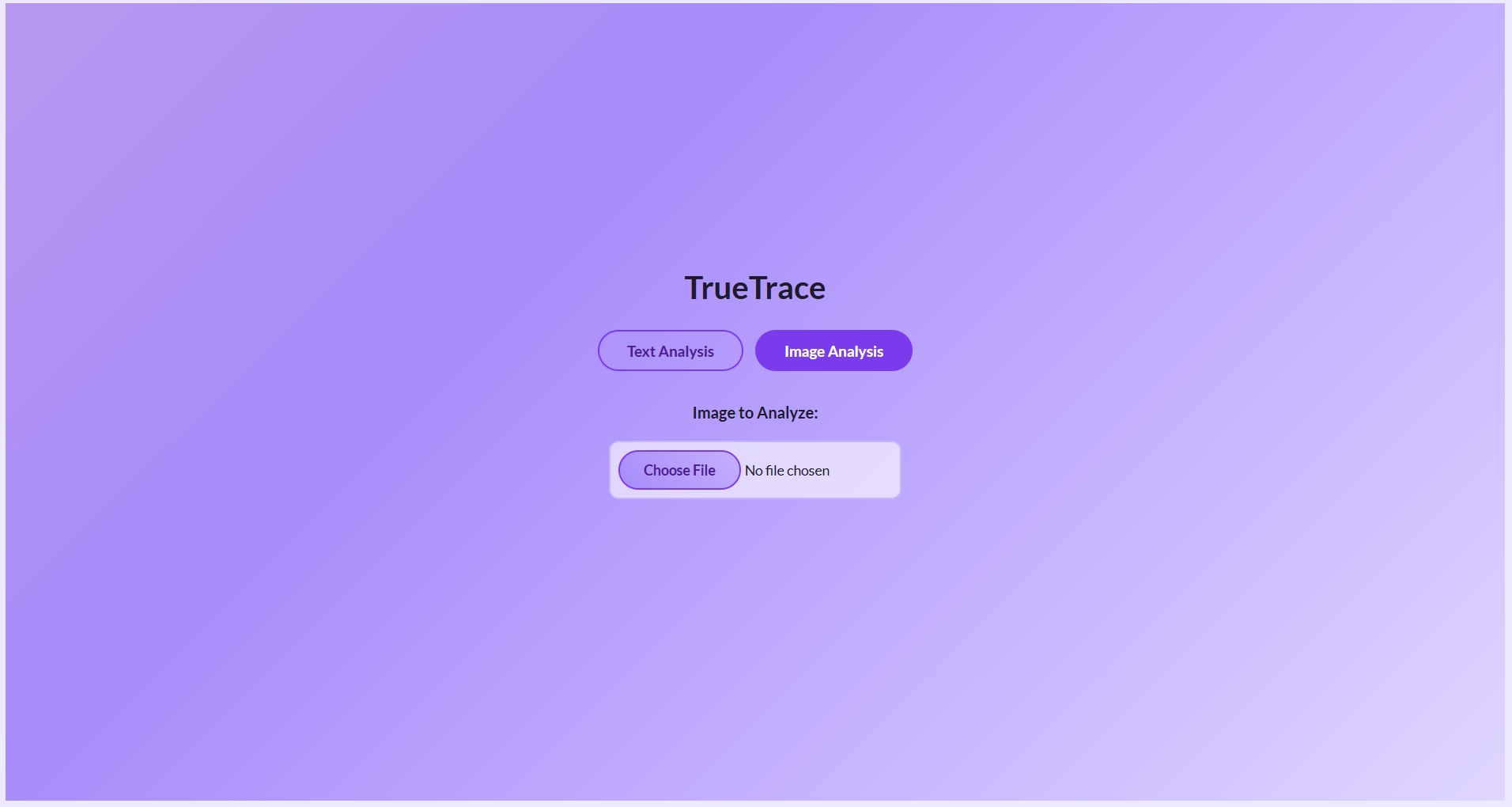
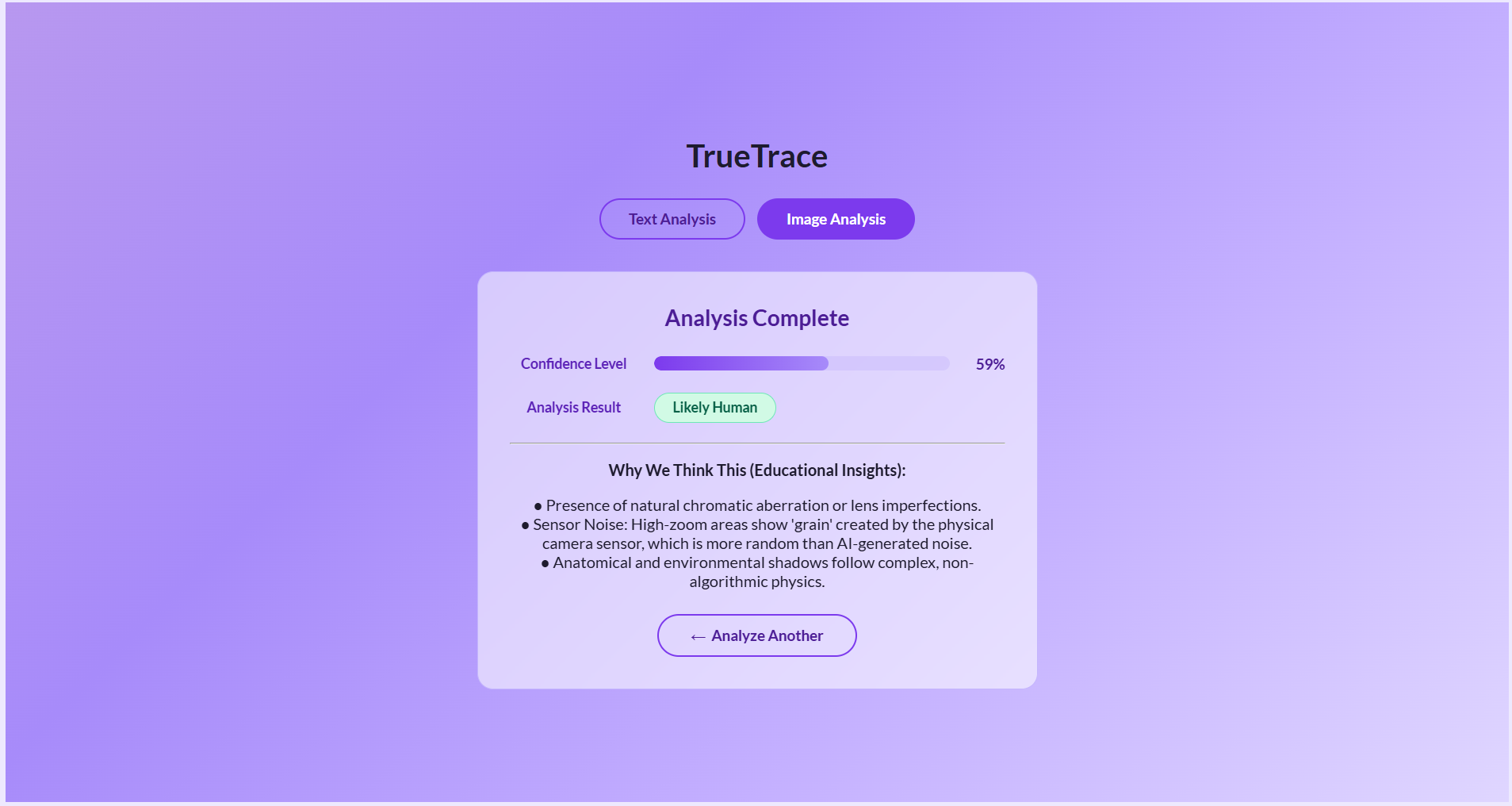
Our program is an AI detector that detects if an image or text is truly human-written or, in fact, hidden by AI's creation. It scans for "digital scars" like pixel glitches, lighting errors, and mathematical patterns that AI (like SDXL) leaves behind. And for text analysis, it flags robotic sentence structures and repetitive patterns that prove a person didn’t write the content.
How we built it
We integrated two trained AI models into our program, which analyzes each text and image the user inputs. We utilized the SDXL Detector from Hugging Face, which was fine-tuned on thousands of real-vs-AI image pairs to spot modern deepfakes. We also integrated a Chat Completion API (using models like Qwen and GPT-OSS). This AI checks things like perfect grammar that feels too perfect, repetitive sentence structures, and a lack of usual human creativity (from being trained/varying human differences in creativity). It then highlights exactly which parts of the text feel "generated," so the user actually knows how the detector truly believes the text is AI-generated.
Challenges we ran into
Different AI models have different ways of accepting user input and formats for sending the output back. Each time we switched AI models, trying to find one that is reliable and accurate, we had to change portions of our code to account for the different protocol.
Accomplishments that we're proud of
We are proud of how we were able to work through the struggles of our errors. We were able to finally get our AI to accurately detect if the image or text is AI or not.
Built With
- css
- flask
- html
- huggingface-api
- javascript
- python


Log in or sign up for Devpost to join the conversation.