-
-
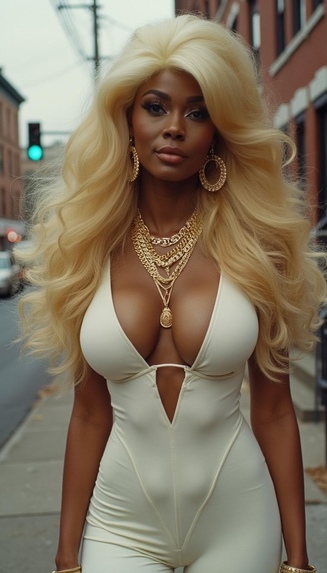
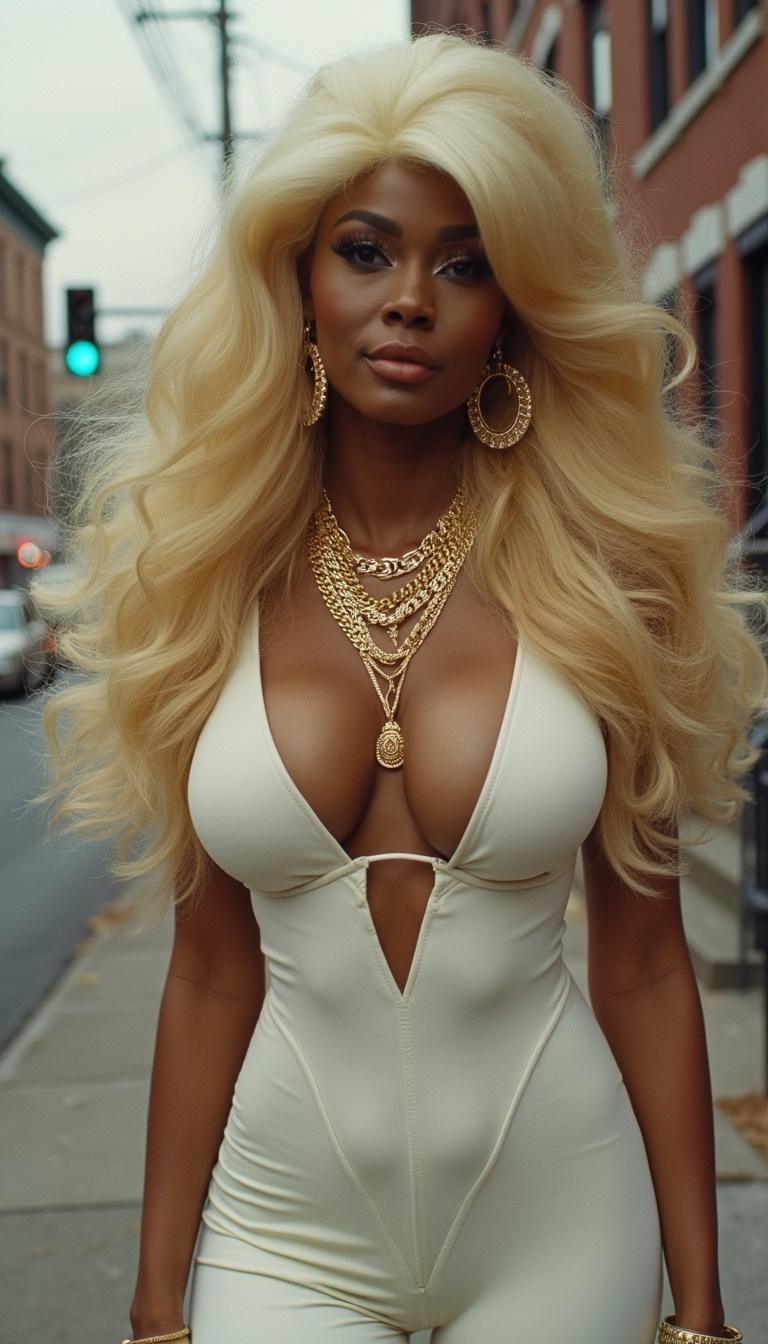
Glam muse in 70s gold and big hair, ready for the city’s spotlight.
-
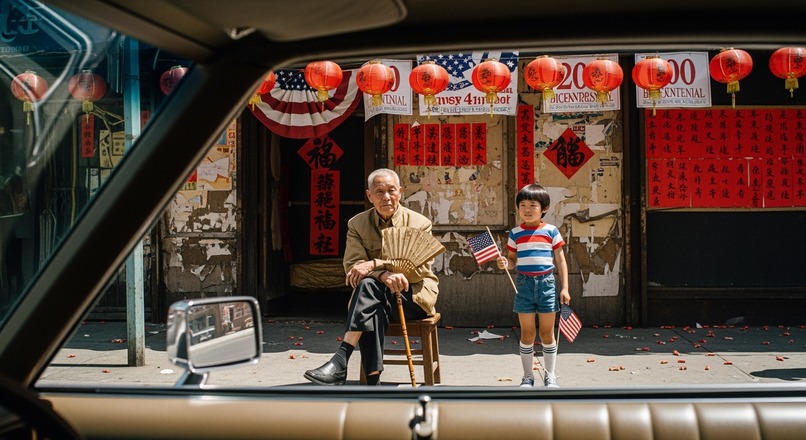
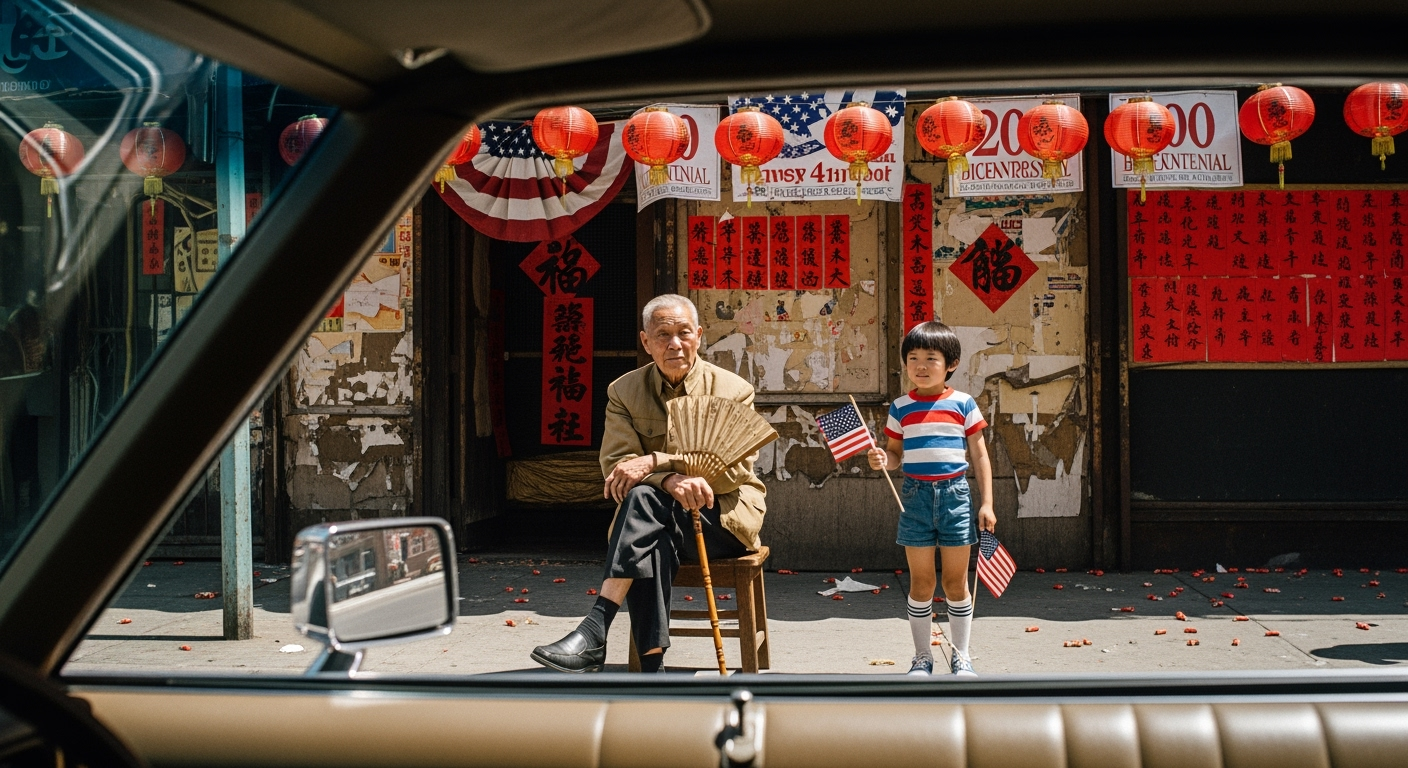
Grandfather and child with flags, seen through the car window on the Fourth.
-
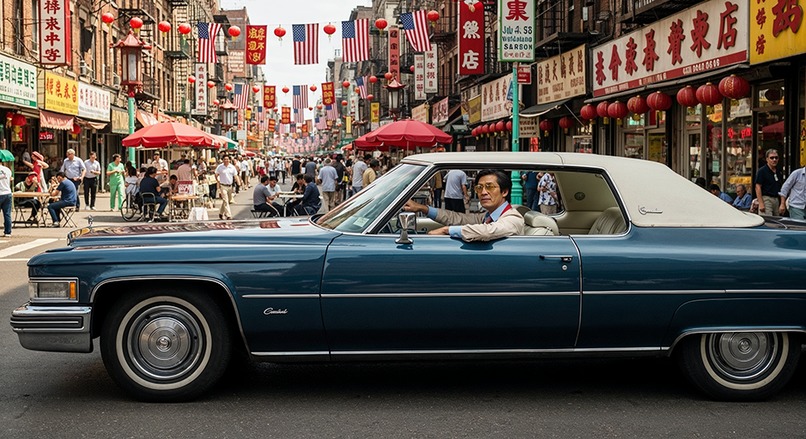
Blue Cadillac glides through Chinatown under lanterns and flags.
-
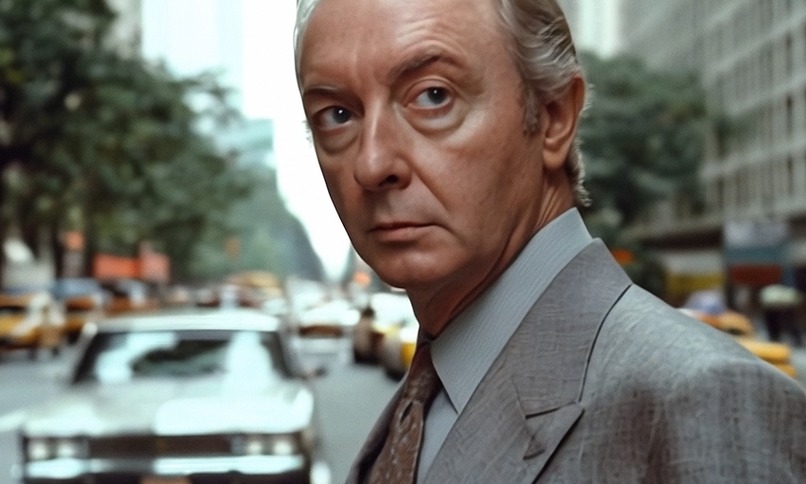
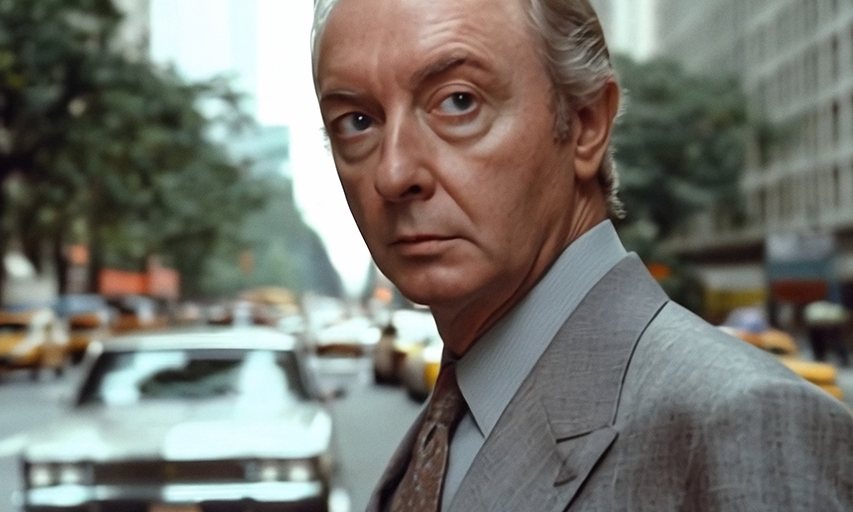
Steel-eyed businessman pauses on a Midtown street as taxis blur past.
-
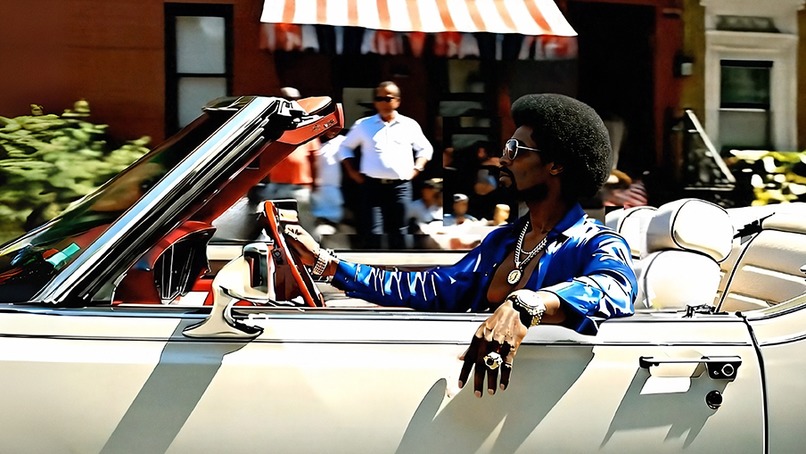
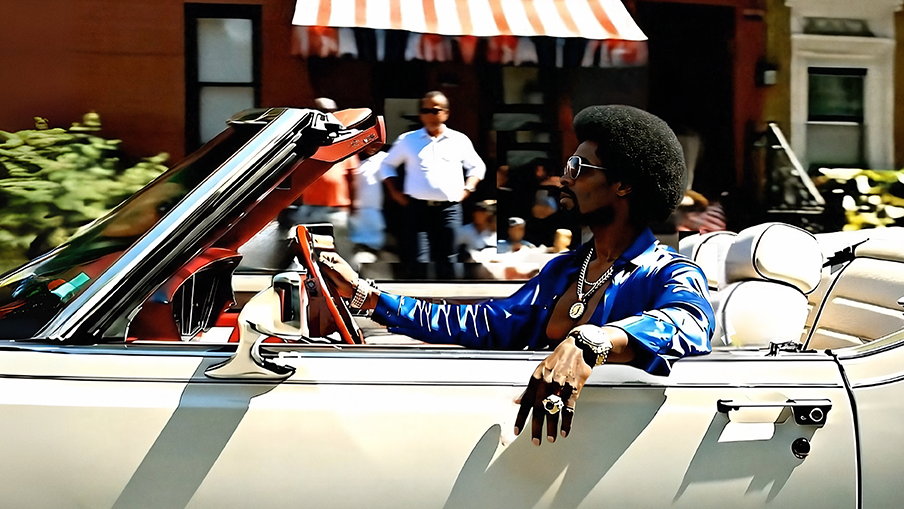
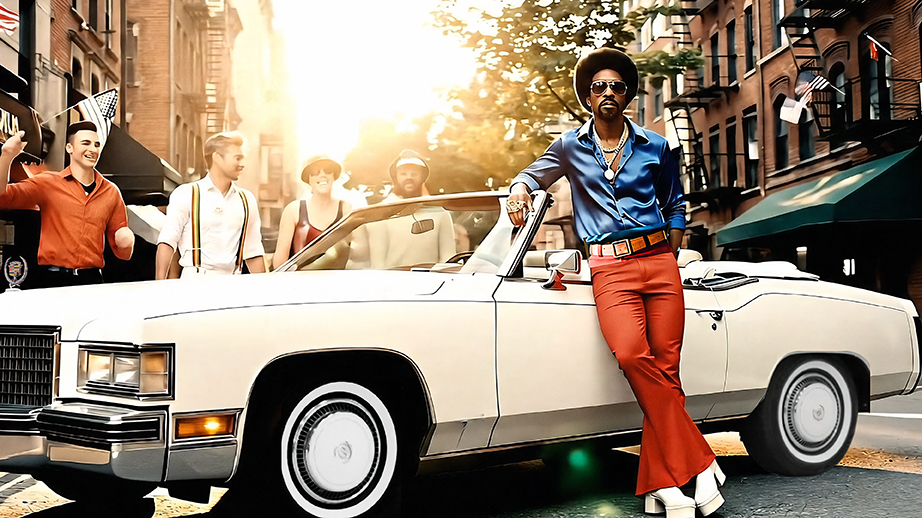
The protagonist cruises Harlem in a white Eldorado, sun on chrome.
-
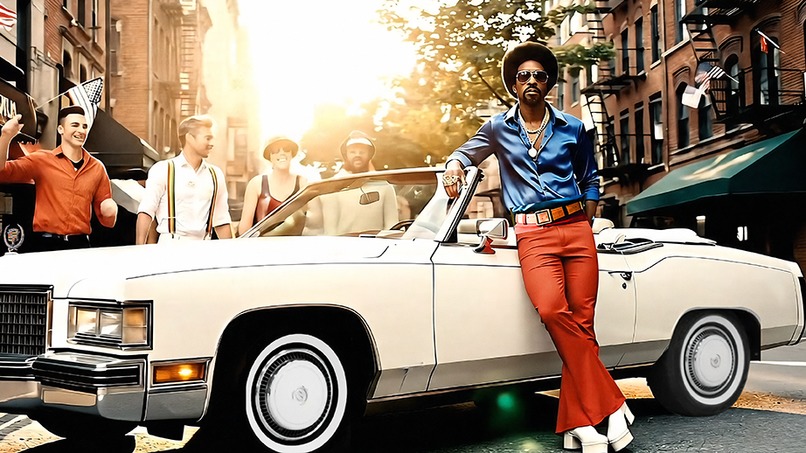
Golden-hour hangout: friends crowd around the Eldorado before the night.
-
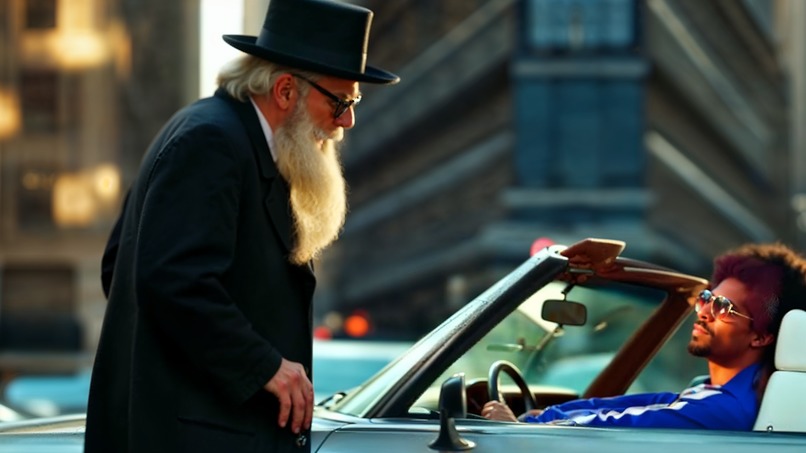
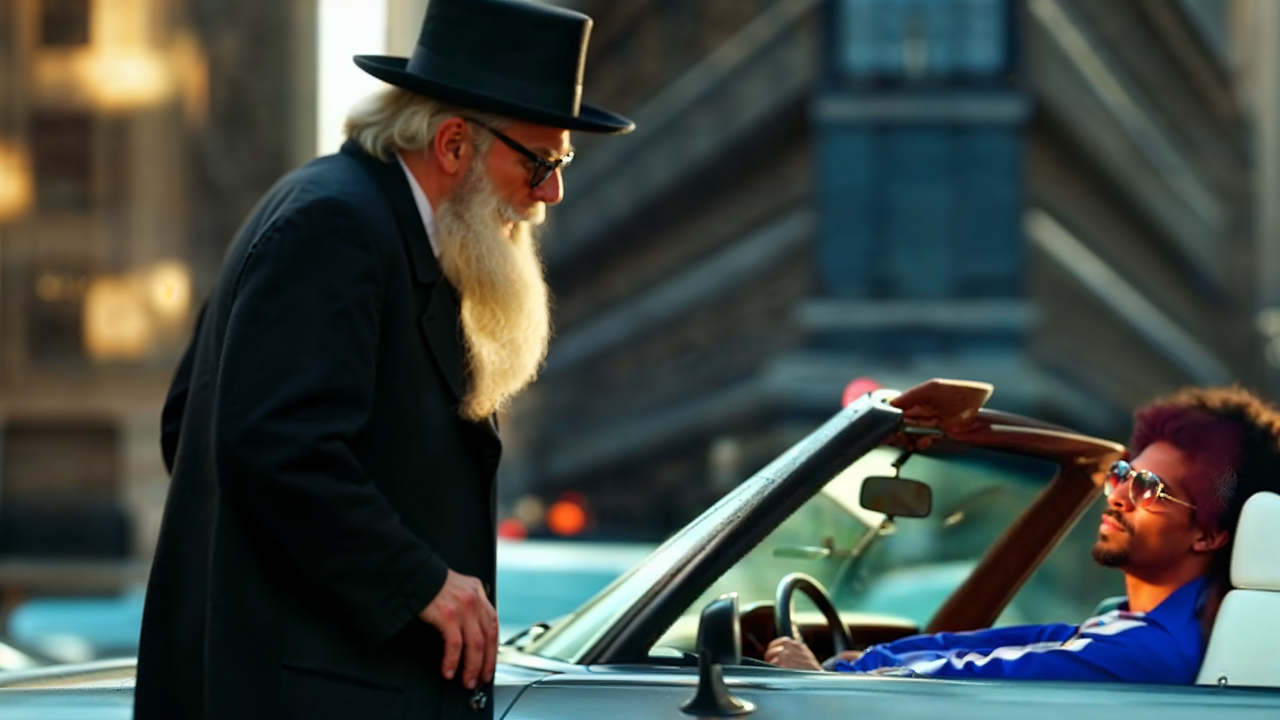
A Hasidic elder chats with a convertible driver at a busy crossroads.
-
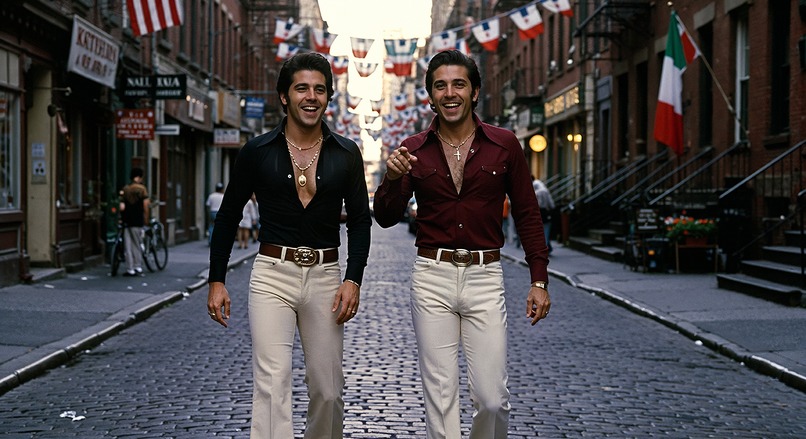
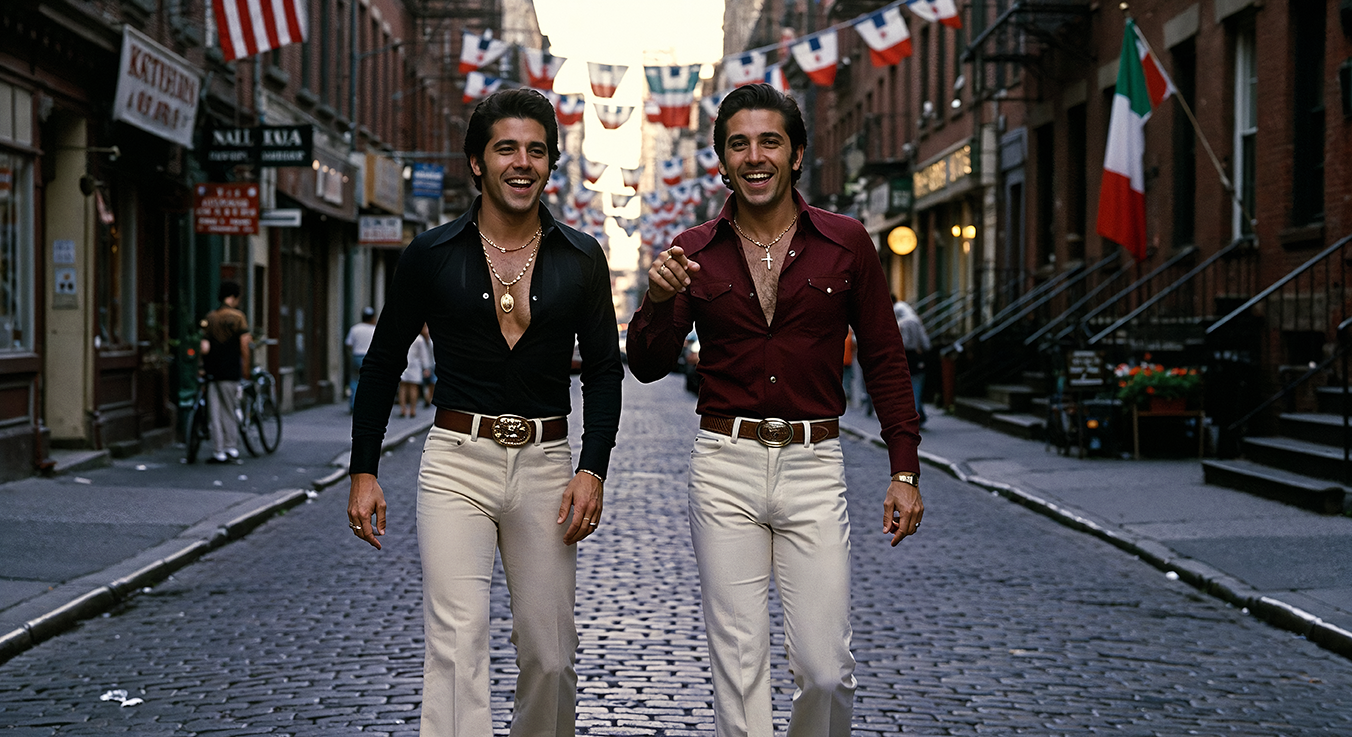
Two stylish friends stride through Little Italy’s cobblestone block party.

TRUE LOVE '76 was born from a desire to time-travel — to revisit a day when America paused to celebrate itself on July 4th, 1976. The Bicentennial was more than fireworks and flags; it was a moment charged with hope, chaos, and the layered realities of the American Dream.
The white Cadillac El dorado Bicentennial became my vessel — a car that embodied freedom, luxury, and longing. For me, it symbolized both permanence and impermanence: a machine built to last, carrying love stories that might not. Through its windows, I wanted to see New York City as it was then: Harlem’s music, Chinatown’s bustle, Times Square’s neon, Little Italy’s rhythm — each neighborhood alive with soul.
What it does
TRUE LOVE '76 is an immersive AI short film that doesn’t just recreate history — it reimagines it. It moves like a music video, dreams like cinema, and breathes like memory. The story is less about a driver and more about the feeling of passing through fleeting moments of connection — love, culture, and celebration — before they dissolve into night.
How we built it
The film was crafted entirely with generative AI, shaped through iterative prompt design, compositing, and post-production. Each frame was fought for — a negotiation between what the machine imagined and what the era demanded.
Researching archives of the Bicentennial gave me the palette: flags, parades, fireworks, the pulse of a city in celebration. The AI provided the brushstrokes, and I sculpted them into rhythm — editing the film to unfold like a song from 1976, where images carry the beat.
Challenges we ran into
Working with AI meant navigating imperfection: faces that shifted, cars that melted, and streets that blurred. The challenge was not erasing those flaws but embracing their dreamlike quality, letting the surreal stand alongside the historical.
Cultural representation demanded sensitivity — Harlem, Chinatown, Little Italy are more than backdrops. They are lived spaces, communities, and histories. I treated them with care, ensuring they were portrayed as vibrant and central to the story’s heartbeat.
Accomplishments that we're proud of
I am proud that TRUE LOVE '76 captures not only what 1976 looked like, but what it felt like — messy, alive, and filled with soul.
I am proud of bending AI beyond novelty, making it a vessel for memory and myth.
And I am proud of creating a piece that could live as both an art film and as a speculative brand story, where a car becomes more than transportation — it becomes a symbol of dreams.
What we learned
I learned that AI is not just a tool for replication, but for reinvention. It can recreate the grain of film stock, the blur of memory, the rhythm of music — but only when guided with patience, vision, and care.
I learned that storytelling with AI is as much about curation as creation, about knowing when to let the machine speak and when to refine its voice.
Most importantly, I learned that love — true love — is always fleeting, but art can hold its echo.
What's next for TRUE LOVE '76
TRUE LOVE '76 is just the beginning.
I see this expanding into longer narratives that explore other cultural moments through the dream lens of AI. I imagine immersive experiences where viewers ride alongside the Cadillac, weaving through 1976 New York in VR or AR.
The project also opens the door for collaboration with musicians and luxury brands, blending nostalgia, sound, and image into cultural storytelling.


Log in or sign up for Devpost to join the conversation.