-
-

-

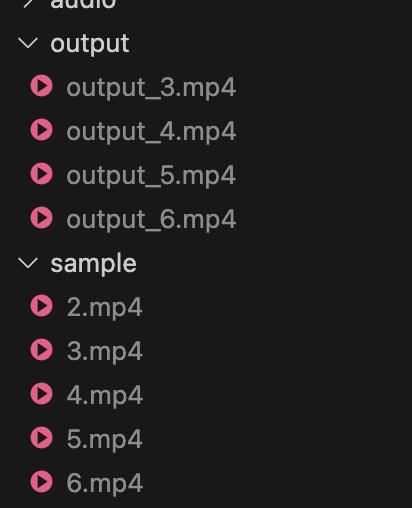
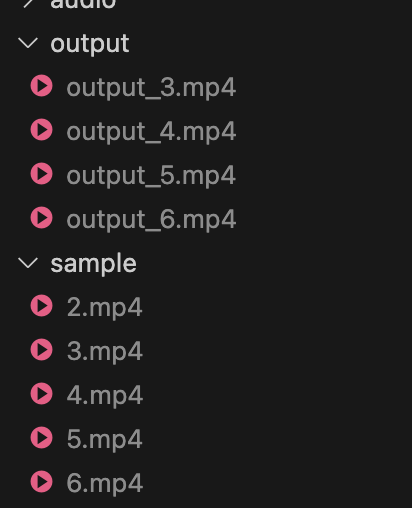
before troll
-

after troll
-


Troll Video Creator Project
Inspiration
You know how addictive those reaction videos can be? We've all been there - scrolling through TikTok or YouTube at 2 AM, watching someone lose their mind over a ridiculous video. But here's the thing: creating those perfectly timed reaction moments is actually really hard work. Content creators spend hours scrubbing through footage, trying to find the exact millisecond where a reaction clip would hit just right.
That's when it hit us - what if we could teach AI to understand comedy timing? What if we could automate the process of creating those hilarious reaction mashups that make people snort-laugh on their phones? We wanted to democratize meme creation and give everyone the power to make content that actually makes people laugh out loud.
What it does
Think of Troll Video Creator as your AI comedy assistant that has perfect hearing and impeccable timing. Here's what this little genius does:
You throw any video at it - could be a cooking fail, a dramatic movie scene, or your friend trying to parallel park. Instead of watching like a human would, our AI listens like a super-attentive friend who catches every single word, pause, and inflection. It transcribes everything with timestamps, creating a perfect roadmap of when people say what.
The magic happens when our AI reads through that transcript and thinks, "Oh, this person just said something that would be PERFECT with a dramatic reaction clip right... here." It's like having that friend who always knows exactly when to chime in with the perfect comment, except it's a computer that reads faster than you can blink.
The AI doesn't just randomly slap reactions everywhere - it analyzes the sentiment and context of what's being said, then surgically inserts those classic reaction clips at moments that make comedic sense. You know, the perfectly timed "WHAT?!" right after someone says something unbelievable, or that dramatic gasp when the plot twist hits.
By the end, you get a seamless video that feels like it was edited by someone who really gets internet humor, complete with a little report card telling you all the cool stuff it did.
How we built it
Building this was like assembling a comedy dream team, except half the team members are APIs and the other half are Python scripts that we're pretty sure have developed their own sense of humor.
We started with Python because, let's be honest, it's the Swiss Army knife of programming languages. FastAPI became our trusty sidekick for handling all the web requests, while FFmpeg did the heavy lifting of actually chopping up and stitching together videos (and let me tell you, FFmpeg is both a blessing and a curse - it can do everything, but good luck figuring out how).
Google Cloud became our playground. Their Speech-to-Text API is scary good at understanding what people are saying, even when they're mumbling or talking over background music. Google Cloud Storage keeps all our files organized (because nobody wants to deal with "video_final_FINAL_v3.mp4" naming chaos), and Gemini AI is the brain that decides where the funny stuff goes.
The real challenge was teaching our system to think like a meme lord. We built custom algorithms that can slice and dice videos with surgical precision, making sure everything stays in sync while preserving that crisp video quality that makes content shareable.
Challenges we ran into
Oh boy, where do we even start? Building this thing was like trying to conduct an orchestra where half the instruments are on fire and the other half are speaking different languages.
Video synchronization nearly broke our brains. You'd think "just put clip A next to clip B" would be simple, right? Wrong. Different frame rates, audio drift, codec incompatibilities - it was like trying to solve a Rubik's cube blindfolded while riding a unicycle. We spent countless nights debugging why a perfectly timed reaction was off by just enough milliseconds to kill the joke.
Getting the AI to understand humor was another beast entirely. Comedy is subjective and context-dependent, so teaching a computer when something is funny felt like explaining color to someone who's never seen. We had to find that sweet spot between "too many reactions" (annoying) and "not enough reactions" (boring).
Then there were the technical gremlins: massive video files that would make our servers cry, mysterious codec errors that appeared at 3 AM, and the constant battle between processing speed and output quality. Plus, keeping cloud costs under control while processing gigabytes of video data was like playing financial Jenga.
Accomplishments that we're proud of
Despite all the chaos, we actually pulled this off, and honestly, we're still a little amazed it works.
The technical stuff we figured out feels like magic sometimes. We got multiple Google Cloud services playing nice together, which is like getting all your friend groups to hang out without any drama. Our video processing pipeline can handle almost anything you throw at it while keeping everything perfectly synchronized - no more awkward timing that ruins the punchline.
But what makes us really proud is how user-friendly we made it. You don't need a film degree to use this thing. Upload your video, grab a coffee, and come back to something that's genuinely entertaining. The interface is clean, the processing is fast, and the results actually make people laugh.
The innovation aspect is what gets us excited though. We basically created a new way to think about automated video editing. Instead of just cutting and pasting, we built something that understands context and timing - the building blocks of good comedy.
What we learned
This project was like getting a crash course in "everything that can go wrong with video processing" with a minor in "why AI is both amazing and frustrating."
On the technical side, we became video processing ninjas. We learned that FFmpeg documentation is both comprehensive and completely incomprehensible, that cloud services are incredibly powerful but love to send you surprise bills, and that getting AI to be creative within constraints is an art form.
From a project management perspective, we discovered that building something this complex requires a lot of modularity. When one piece breaks (and pieces always break), you want to be able to fix it without rebuilding the entire house. Error handling became our religion, and testing became our obsession.
The AI integration taught us patience. You can't just tell an AI "be funny" and expect it to work. You have to guide it, train it, and sometimes accept that it's going to make choices you don't understand but that somehow work better than your original plan.
What's next for Troll-Video-Creator
We're just getting started, and the roadmap ahead has us genuinely excited.
First up, we want to let users upload their own reaction clips. Imagine having your friends' faces as reaction options, or being able to create themed reaction packs for different types of content. The possibilities are endless, and probably hilarious.
We're also working on making the AI even smarter. Better sentiment analysis, learning from what users actually find funny, and maybe even understanding cultural context and current memes. Basically, we want our AI to become that friend who's always up-to-date on internet culture.
Technical improvements are always ongoing - faster processing, better quality, support for more video formats. We're dreaming of real-time preview capabilities so you can see your masterpiece coming together as it's being made.
The big vision? We want to make this the go-to tool for anyone who wants to create engaging, shareable content without spending hours in editing software. Whether you're a social media manager trying to make corporate content less boring, a educator wanting to make lessons more engaging, or just someone who thinks your pet's reaction to the doorbell deserves to go viral - we want to be your creative partner.
Who knows? Maybe we'll even build a mobile app so you can create viral content while waiting in line for coffee. The future of meme creation is looking pretty bright.

Log in or sign up for Devpost to join the conversation.