-
-

thumbnail
-
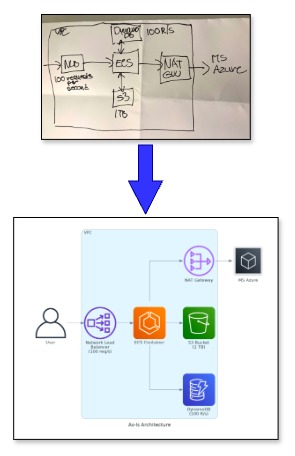
from to
-
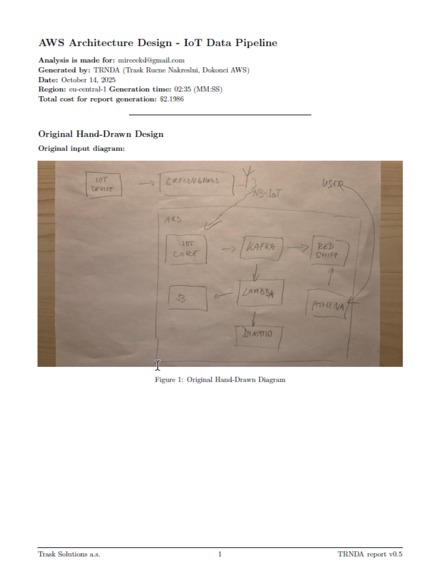
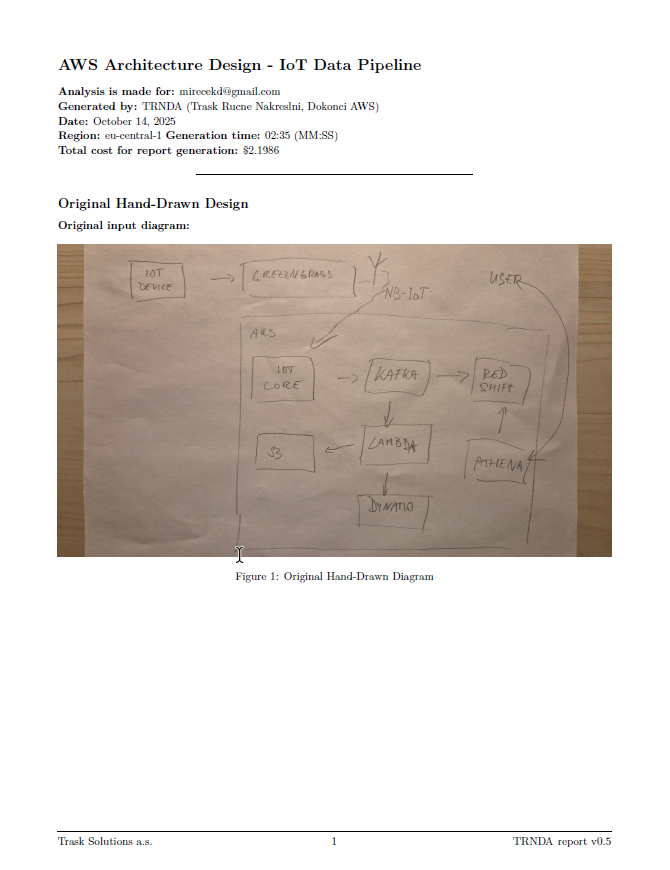
Report first page (page1)
-
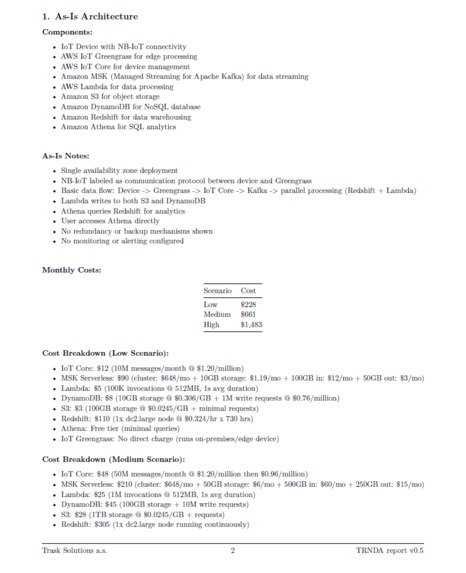
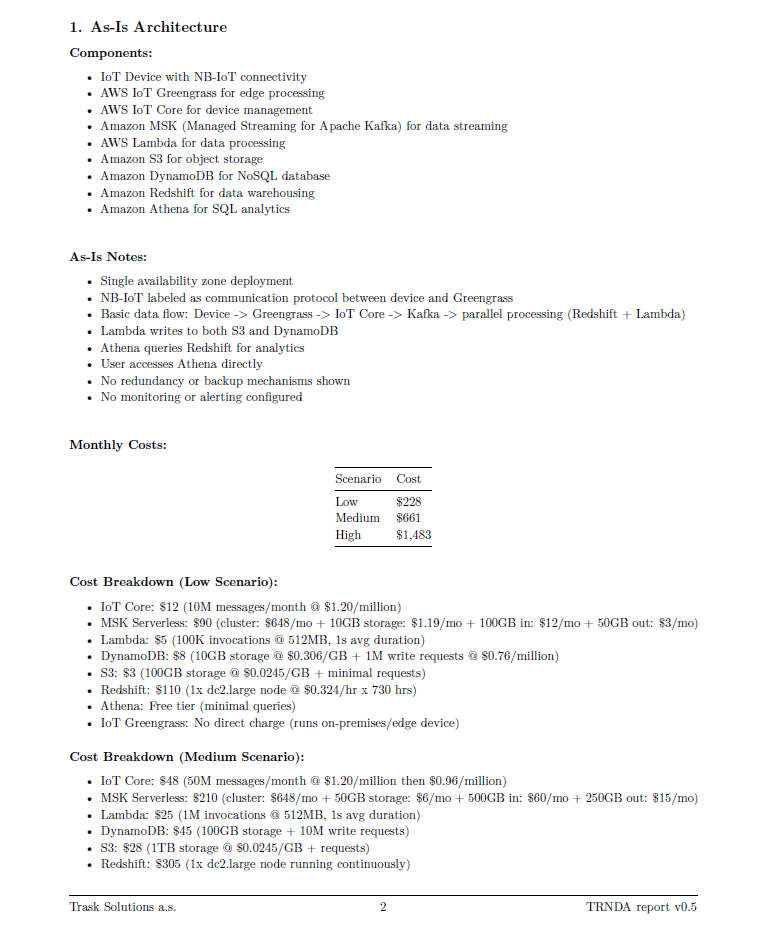
As-Is Design (page2)
-
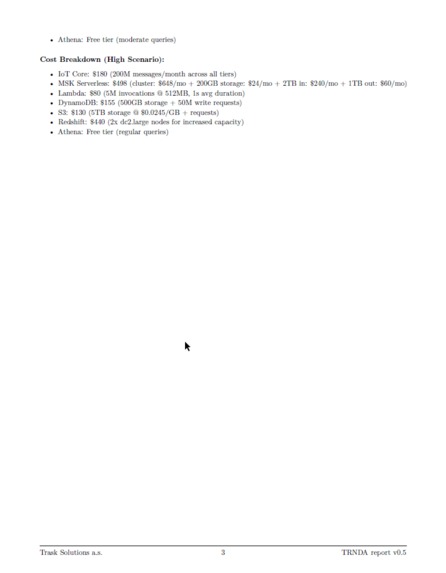
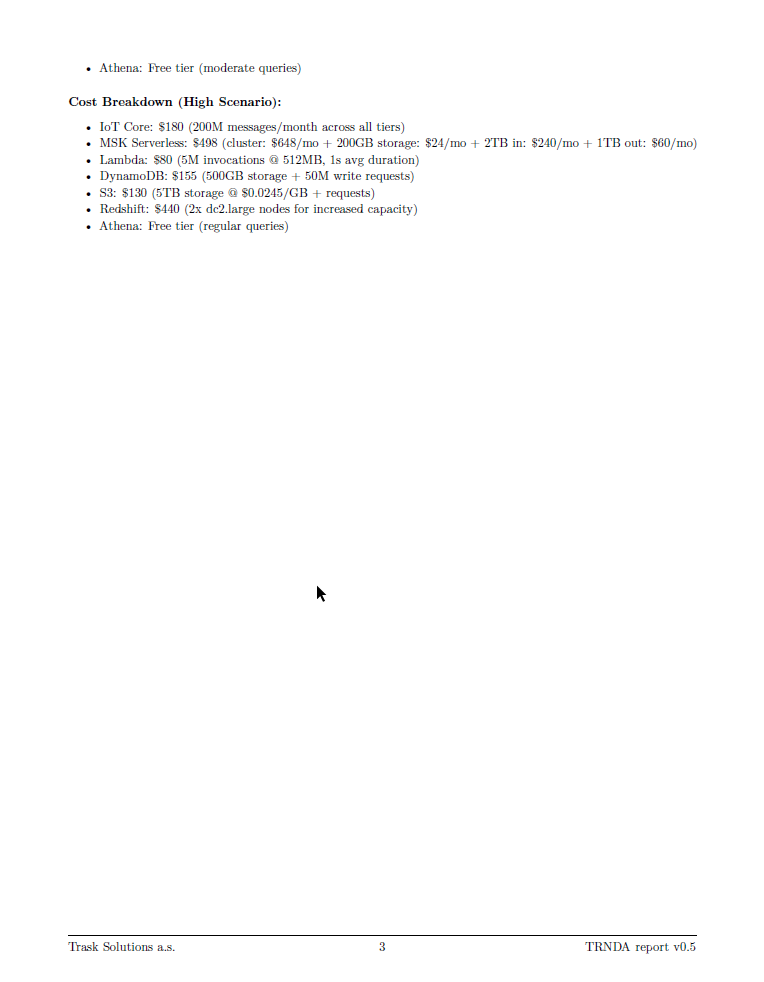
As-Is Design (page3)
-
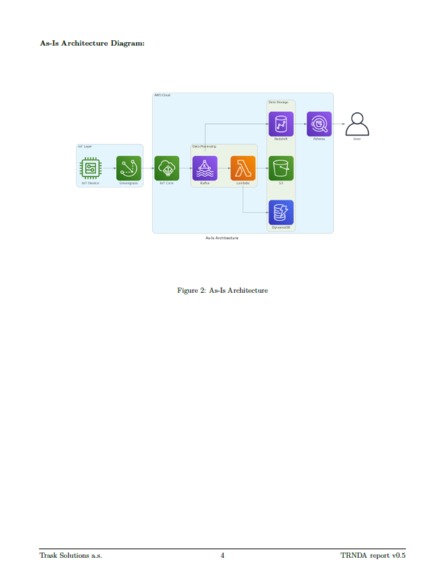
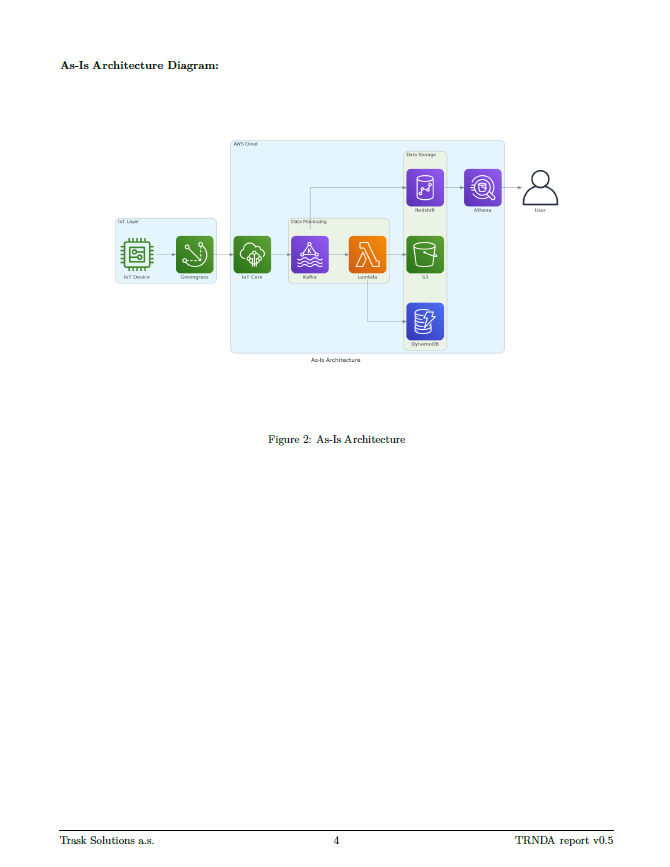
As-Is Design diagram (page4)
-
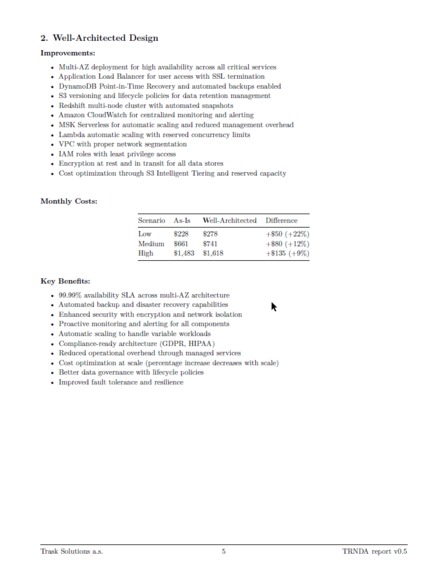
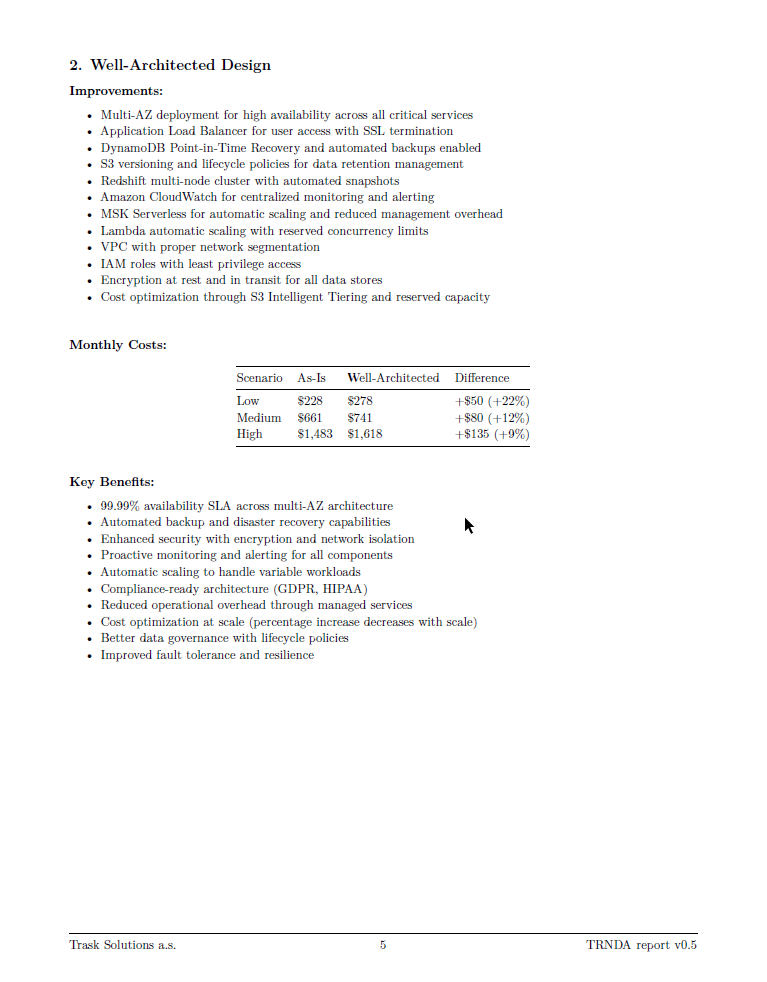
Well-Architected design (page5)
-
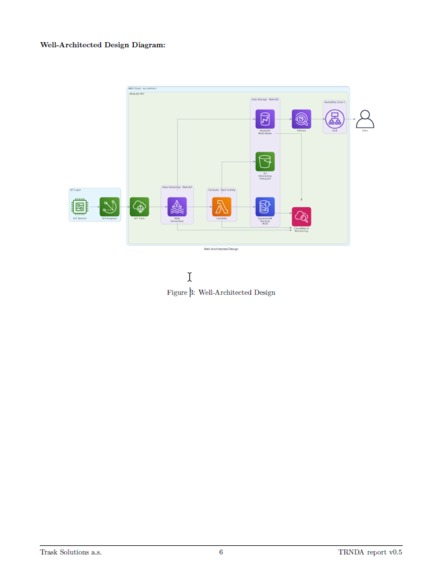
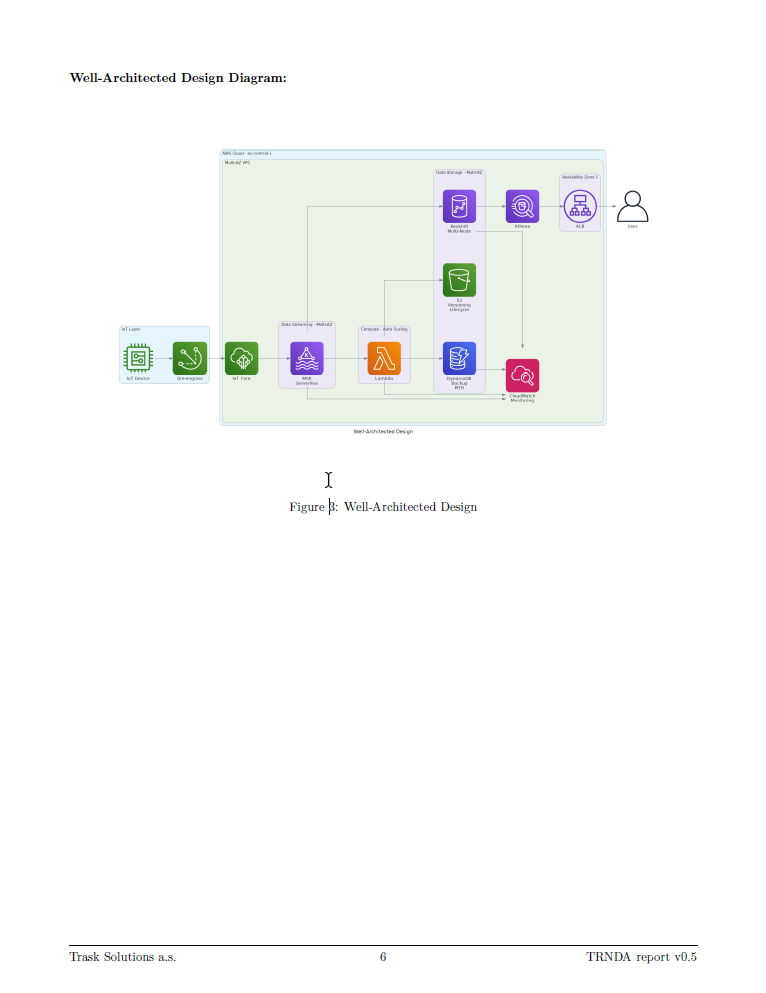
Well-Architected design - diagram (page6)
-
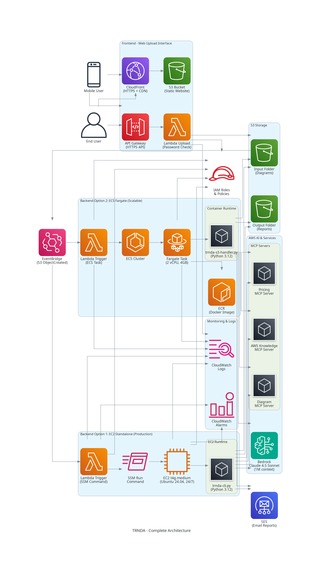
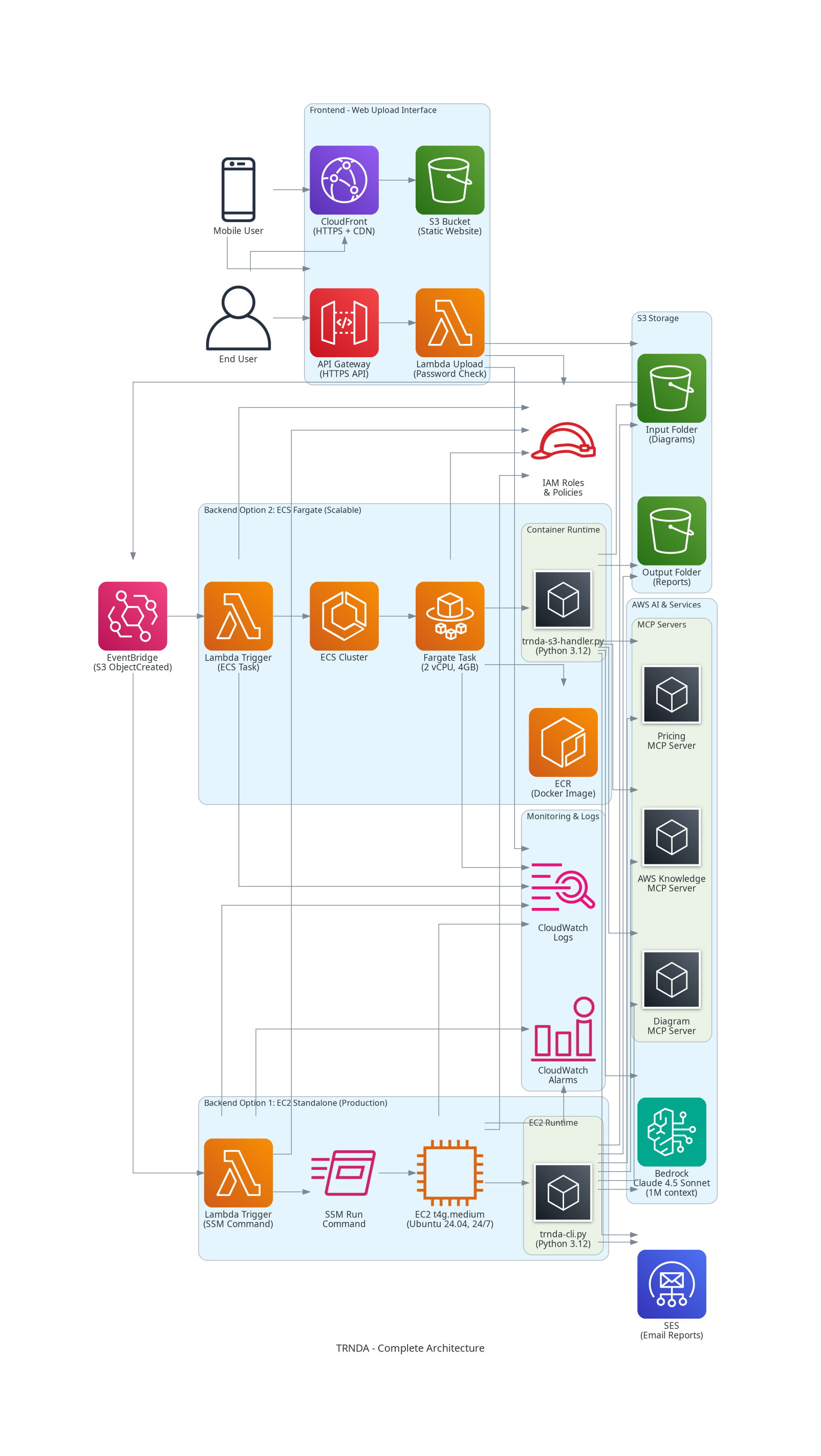
Complete architecture
-
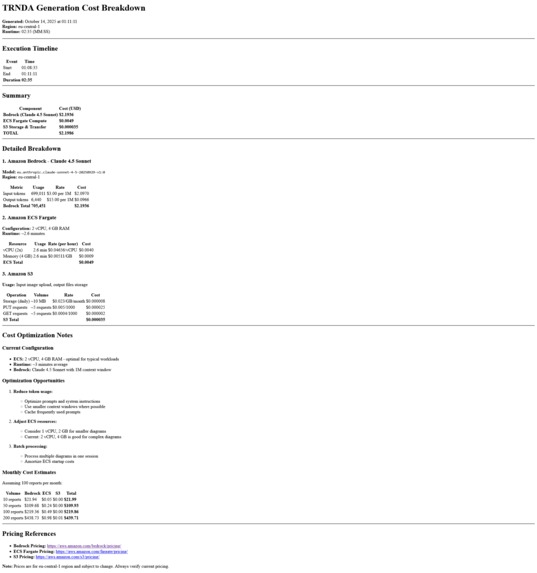
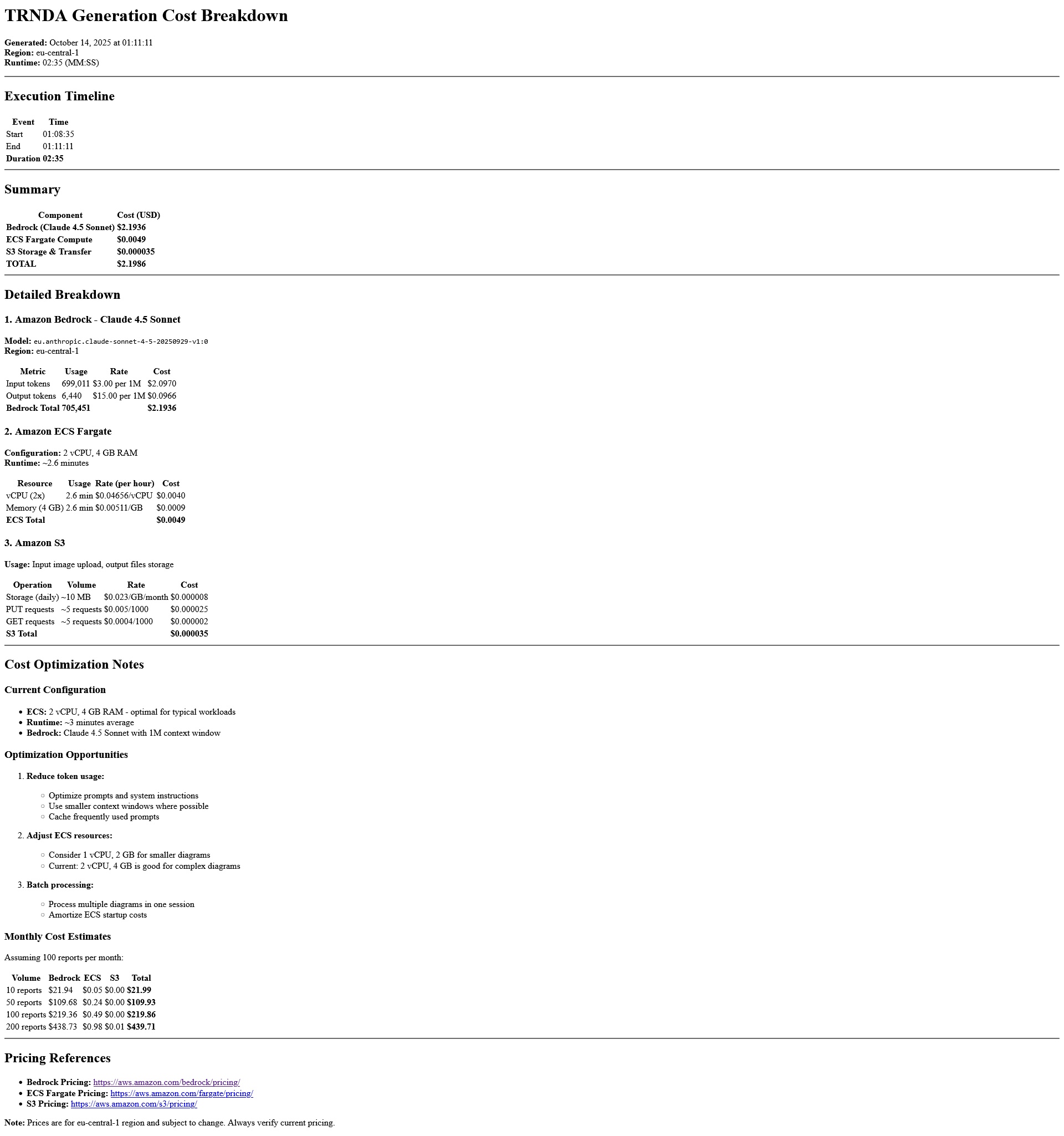
Cost Breakdown report

Inspiration
Cloud architects spend hours redrawing whiteboard sketches into professionally looking diagrams and manually calculating AWS costs for multiple scenarios. We wanted to eliminate this tedious work and help architects focus on design decisions rather than documentation.
Business value
TRNDA helps AWS architects to iterate at fast pace, often during pre-sales meetings, where designs are sketched (hand or by software) and cost estimates are needed. At the later project stage, the agent still performs well when provided with more advanced architecture with cost affecting parameters that need to be considered. $1.60 of average cost per agent work saves several hours of tedious labour (saving upwards of $50 dependent on complexity of the design). As TRNDA performs better than generic AI tools for this particular task, there is also a significant risk reduction of the sensitive client materials/data leak (as our engineers now genuinely prefer private Bedrock solution).
What it does
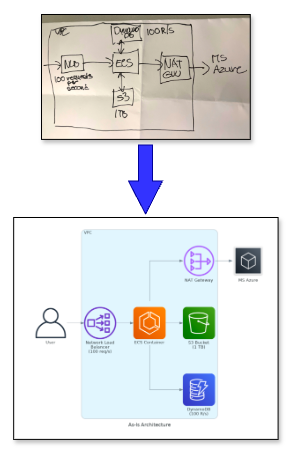
TRNDA analyses AWS architecture diagrams (even hand-drawn) and generates:
- Professional cloud architecture diagrams (As-Is design)
- Well-Architected Framework optimized version with specific improvements
- If CPU load, expected usage, instance size or other text with cost-influencing spec is added, it is taken into the account at cost estimation stage
- Complete cost analysis for 6 scenarios (low/medium/high load for both versions)
- Comparison showing potential savings (percentage differences)
- 3-4 page PDF report ready for clients or stakeholders
- Optional email delivery via AWS SES
- Monitoring - each report includes cost of report generation (for cost allocation, financial sustainability)
How we built it
Technology Stack
- AI Engine: Claude 4.5 Sonnet with 1M context window via AWS Bedrock
- Framework: Strands AI Agents for orchestration
- MCP Servers: AWS Knowledge base, Diagram generation, Real-time AWS pricing
- Infrastructure: AWS (S3, ECS Fargate/EC2, EventBridge, Lambda, SES, CloudFront)
- Frontend: Web interface with camera capture and password protection
- Export: Pandoc for PDF generation with professional formatting
Deployment Options:
- Local CLI - For development and manual processing
- EC2 Standalone - Single instance with EventBridge triggers (~$30/month)
- ECS Fargate - Serverless auto-scaling (pay per use)
- Web Interface - Password-protected upload via CloudFront
Challenges we ran into
- Context Management: Keeping AI responses concise (3-4 pages max) while maintaining technical accuracy required extensive prompt engineering
- Cost Accuracy: Integrating real-time AWS pricing data across multiple regions and calculating 6 different scenarios reliably
- Diagram Quality: Generating professional, landscape-oriented architecture diagrams that accurately represent hand-drawn sketches
- S3 Metadata Handling: Passing client information through the entire EventBridge → Lambda → ECS pipeline
- PDF Formatting: Creating consistently formatted reports with proper page breaks and professional footers
Accomplishments that we're proud of
- Required accuracy for desing/pre-sale stage
- Production-Ready Agent: Three deployment models (local, EC2, ECS) all working seamlessly
- User-Friendly: Both CLI for developers and web interface for non-technical users
- Cost-Effective: ~$1.60 per report makes it accessible for frequent use = financially viable for typical AWS Partners' team
- Complete Automation: Upload to S3 → automatic processing → email PDF delivery
What we learned
Agent Product Development
- Output needs human architect validation, but it is still a valuable start
- Non-deterministic outcomes are challange particulary in design output (more to be done to improve consistency)
- WAF enhanced designs are more consistent and have greater cost accuracy
- UX testing suggested feedback loop between agent and human architect (multiple step human validation (to be implemented))
Technical
- AI Agent Architecture: How to effectively orchestrate multiple MCP servers for complex workflows
- AWS Bedrock: Leveraging Claude's 1M context window for comprehensive architecture analysis
- Serverless Patterns: Different trade-offs between EC2 (fixed cost) and ECS Fargate (pay-per-use)
- Cost Optimization: Real-time tracking and reporting of AWS service costs
- Prompt Engineering: Balancing technical depth with conciseness in AI responses
- Event-Driven Design: Building reliable S3 → EventBridge → Lambda → ECS pipelines
- Agent AI economy: the entire process takes ~3 minutes and costs ~$1.60 per analysis
What's next for TRNDA
Immediate Roadmap:
- Utilise architecture templates (i.e. serveless microsite, via template library)
- Improve design output consistency
- Improve output presentation template (graphical design)
- Output to architecture tools format (draw.io xml)
Future Vision:
- Compliance Checking: Automated verification against industry standards (HIPAA, PCI-DSS)
- AI Design Suggestions: Proactive architecture recommendations based on project requirements
- Comparison Mode: Analyse multiple design alternatives side-by-side
- Security Scanning: Integrate AWS Security Hub best practices analysis
- Team Collaboration: Shared workspace with version history (integration to inhouse tools)
- Multi-Cloud Support: Add Azure and GCP architecture analysis
Inspiration
Cloud architects spend hours redrawing whiteboard sketches into professionally looking diagrams and manually calculating AWS costs for multiple scenarios. We wanted to eliminate this tedious work and help architects focus on design decisions rather than documentation.
Business value
TRNDA helps AWS architects to iterate at fast pace, often during pre-sales meetings, where designs are sketched (hand or by software) and cost estimates are needed. At the later project stage, the agent still performs well when provided with more advanced architecture with cost affecting parameters that need to be considered. $1.60 of average cost per agent work saves several hours of tedious labour (saving upwards of $50 dependent on complexity of the design). As TRNDA performs better than generic AI tools for this particular task, there is also a significant risk reduction of the sensitive client materials/data leak (as our engineers now genuinely prefer private Bedrock solution).
What it does
TRNDA analyses AWS architecture diagrams (even hand-drawn) and generates:
- Professional cloud architecture diagrams (As-Is design)
- Well-Architected Framework optimized version with specific improvements
- If CPU load, expected usage, instance size or other text with cost-influencing spec is added, it is taken into the account at cost estimation stage
- Complete cost analysis for 6 scenarios (low/medium/high load for both versions)
- Comparison showing potential savings (percentage differences)
- 3-4 page PDF report ready for clients or stakeholders
- Optional email delivery via AWS SES
- Monitoring - each report includes cost of report generation (for cost allocation, financial sustainability)
How we built it
Technology Stack
- AI Engine: Claude 4.5 Sonnet with 1M context window via AWS Bedrock
- Framework: Strands AI Agents for orchestration
- MCP Servers: AWS Knowledge base, Diagram generation, Real-time AWS pricing
- Infrastructure: AWS (S3, ECS Fargate/EC2, EventBridge, Lambda, SES, CloudFront)
- Frontend: Web interface with camera capture and password protection
- Export: Pandoc for PDF generation with professional formatting
Deployment Options:
- Local CLI - For development and manual processing
- EC2 Standalone - Single instance with EventBridge triggers (~$30/month)
- ECS Fargate - Serverless auto-scaling (pay per use)
- Web Interface - Password-protected upload via CloudFront
Challenges we ran into
- Context Management: Keeping AI responses concise (3-4 pages max) while maintaining technical accuracy required extensive prompt engineering
- Cost Accuracy: Integrating real-time AWS pricing data across multiple regions and calculating 6 different scenarios reliably
- Diagram Quality: Generating professional, landscape-oriented architecture diagrams that accurately represent hand-drawn sketches
- S3 Metadata Handling: Passing client information through the entire EventBridge → Lambda → ECS pipeline
- PDF Formatting: Creating consistently formatted reports with proper page breaks and professional footers
Accomplishments that we're proud of
- Required accuracy for desing/pre-sale stage
- Production-Ready Agent: Three deployment models (local, EC2, ECS) all working seamlessly
- User-Friendly: Both CLI for developers and web interface for non-technical users
- Cost-Effective: ~$1.60 per report makes it accessible for frequent use = financially viable for typical AWS Partners' team
- Complete Automation: Upload to S3 → automatic processing → email PDF delivery
What we learned
Agent Product Development
- Output needs human architect validation, but it is still a valuable start
- Non-deterministic outcomes are challange particulary in design output (more to be done to improve consistency)
- WAF enhanced designs are more consistent and have greater cost accuracy
- UX testing suggested feedback loop between agent and human architect (multiple step human validation (to be implemented))
Technical
- AI Agent Architecture: How to effectively orchestrate multiple MCP servers for complex workflows
- AWS Bedrock: Leveraging Claude's 1M context window for comprehensive architecture analysis
- Serverless Patterns: Different trade-offs between EC2 (fixed cost) and ECS Fargate (pay-per-use)
- Cost Optimization: Real-time tracking and reporting of AWS service costs
- Prompt Engineering: Balancing technical depth with conciseness in AI responses
- Event-Driven Design: Building reliable S3 → EventBridge → Lambda → ECS pipelines
- Agent AI economy: the entire process takes ~3 minutes and costs ~$1.60 per analysis
What's next for TRNDA
Immediate Roadmap:
- Utilise architecture templates (i.e. serveless microsite, via template library)
- Improve design output consistency
- Improve output presentation template (graphical design)
- Output to architecture tools format (draw.io xml)
Future Vision:
- Compliance Checking: Automated verification against industry standards (HIPAA, PCI-DSS)
- AI Design Suggestions: Proactive architecture recommendations based on project requirements
- Comparison Mode: Analyse multiple design alternatives side-by-side
- Security Scanning: Integrate AWS Security Hub best practices analysis
- Team Collaboration: Shared workspace with version history (integration to inhouse tools)
- Multi-Cloud Support: Add Azure and GCP architecture analysis
Built With
- amazon-web-services
- anthropic
- architecture
- bedrock
- cost-estimate
- mcp
- strands-agents

Log in or sign up for Devpost to join the conversation.