-
-
Cover Page
-
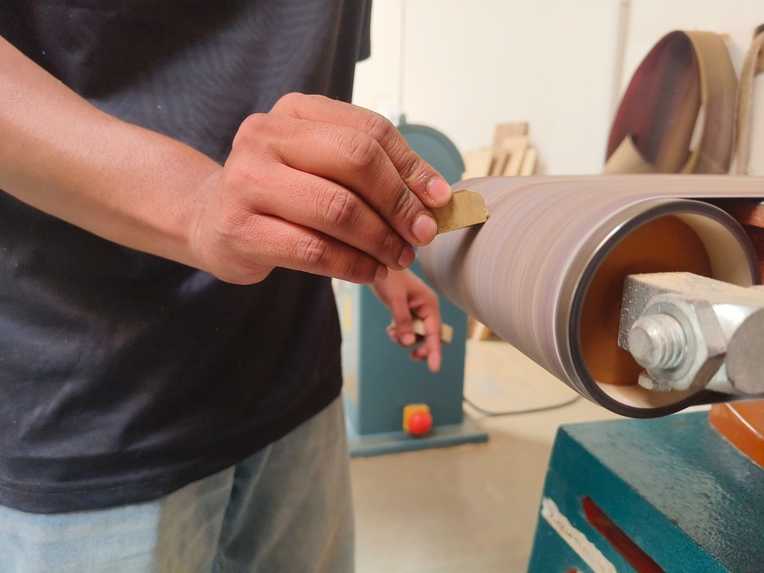
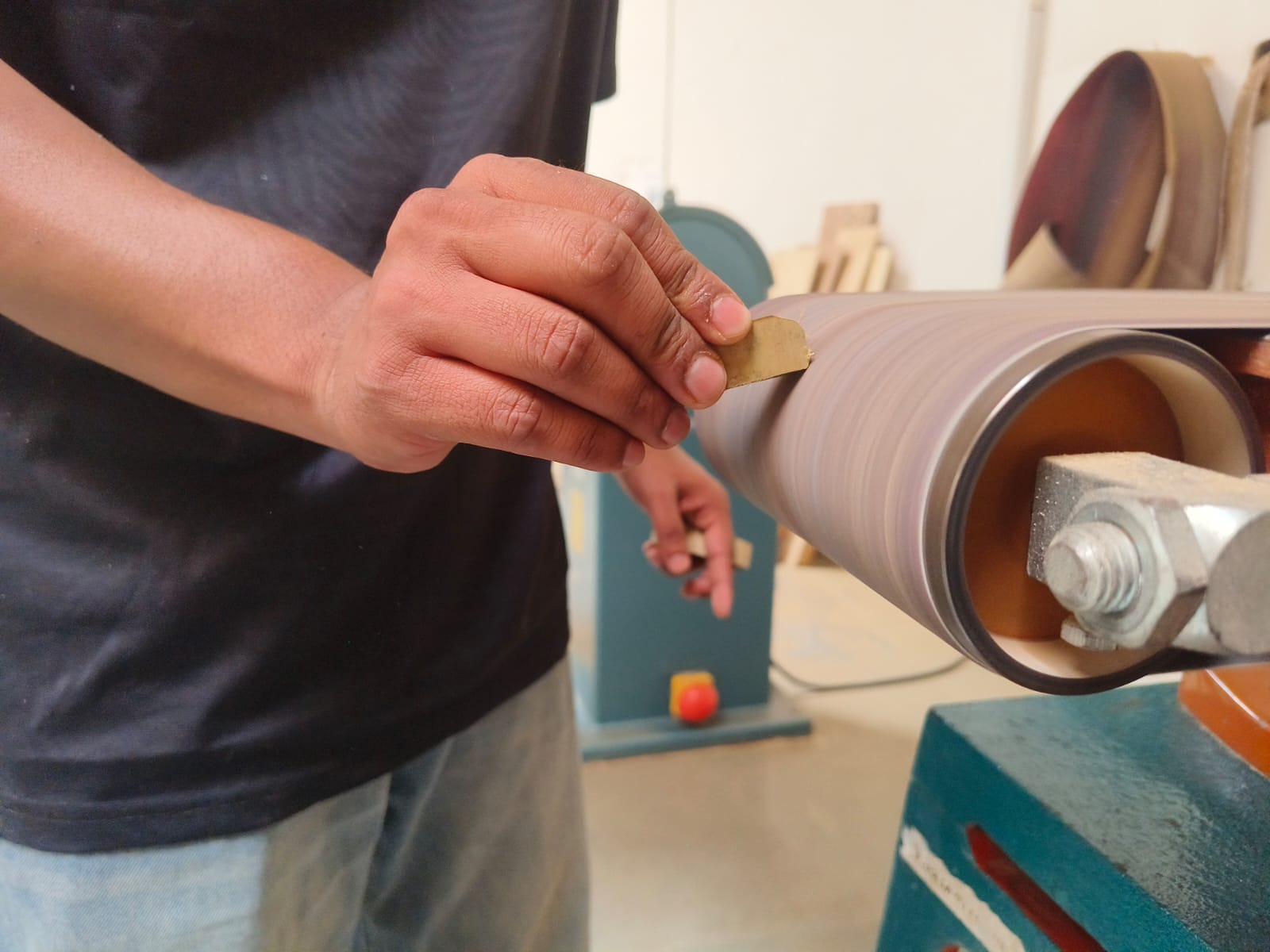
Making of tool using eco bamboo
-
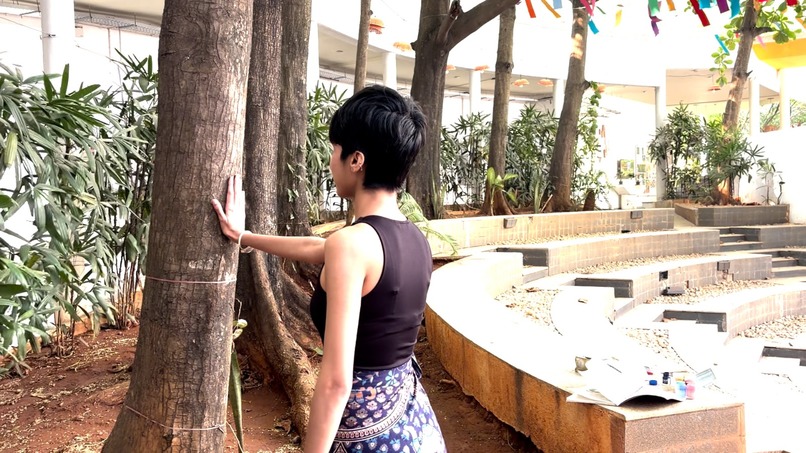
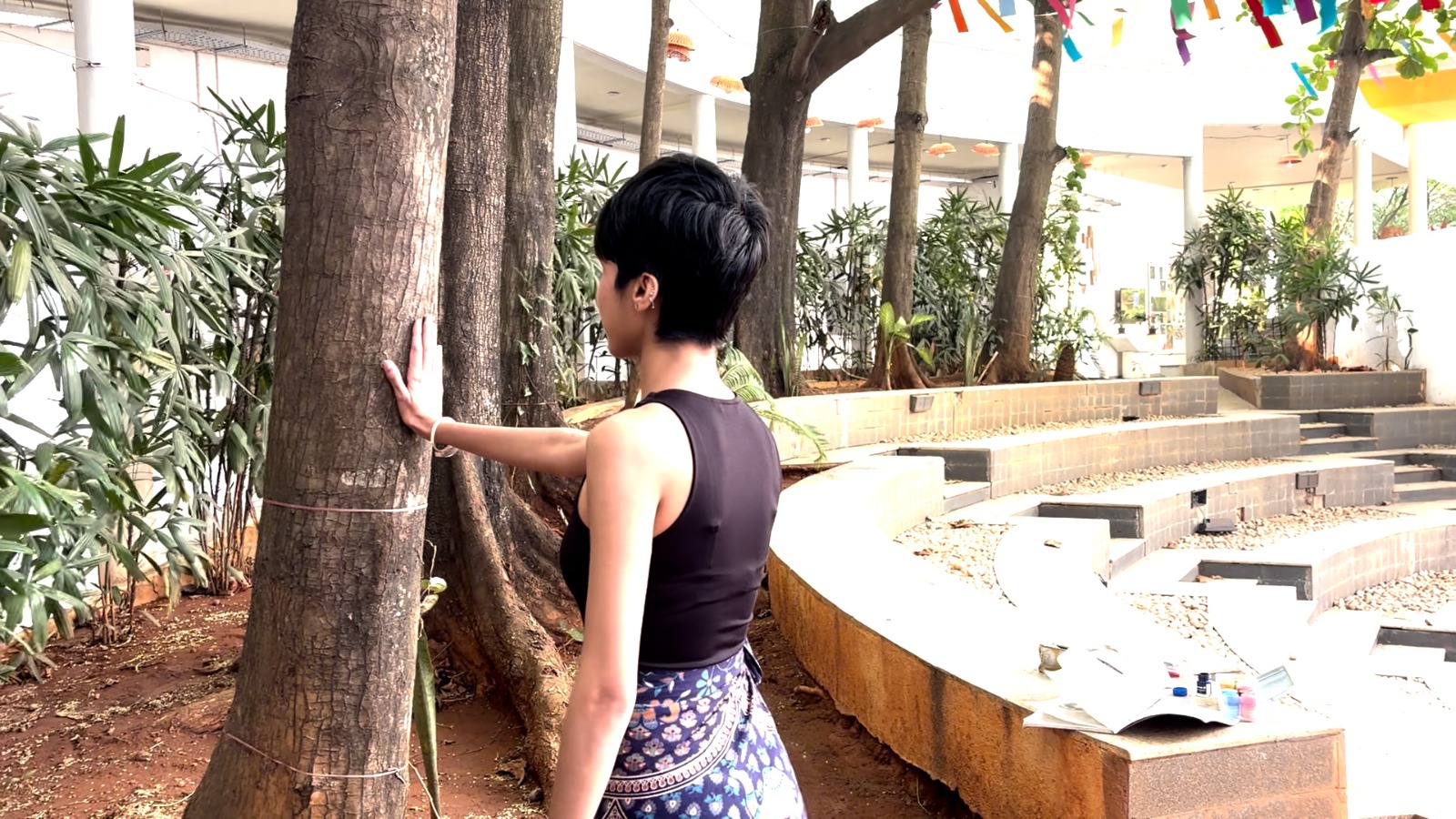
Artist connecting with trivity to take inspiration
-
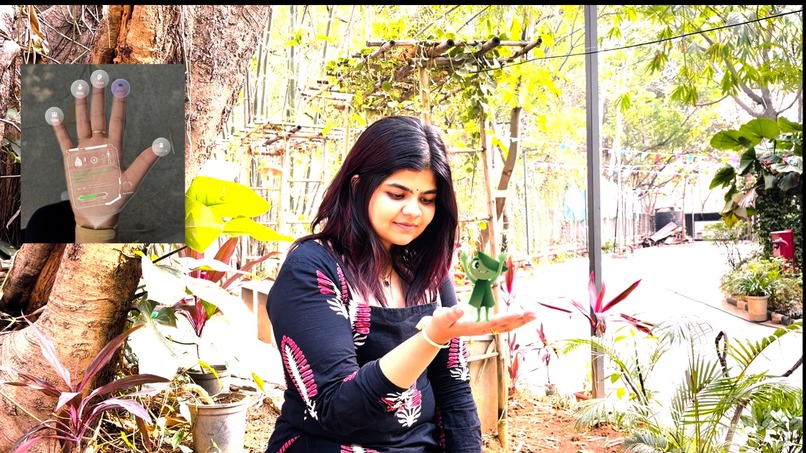
User 2
-
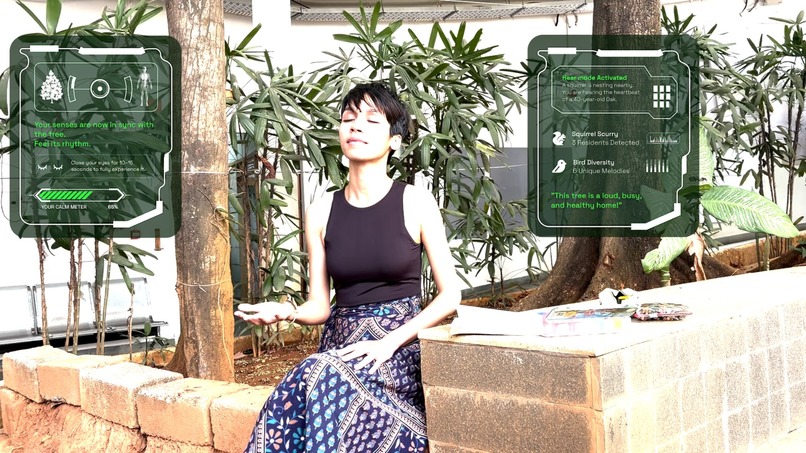
Artist using Trivity sense
-

Trivi your tree spirit
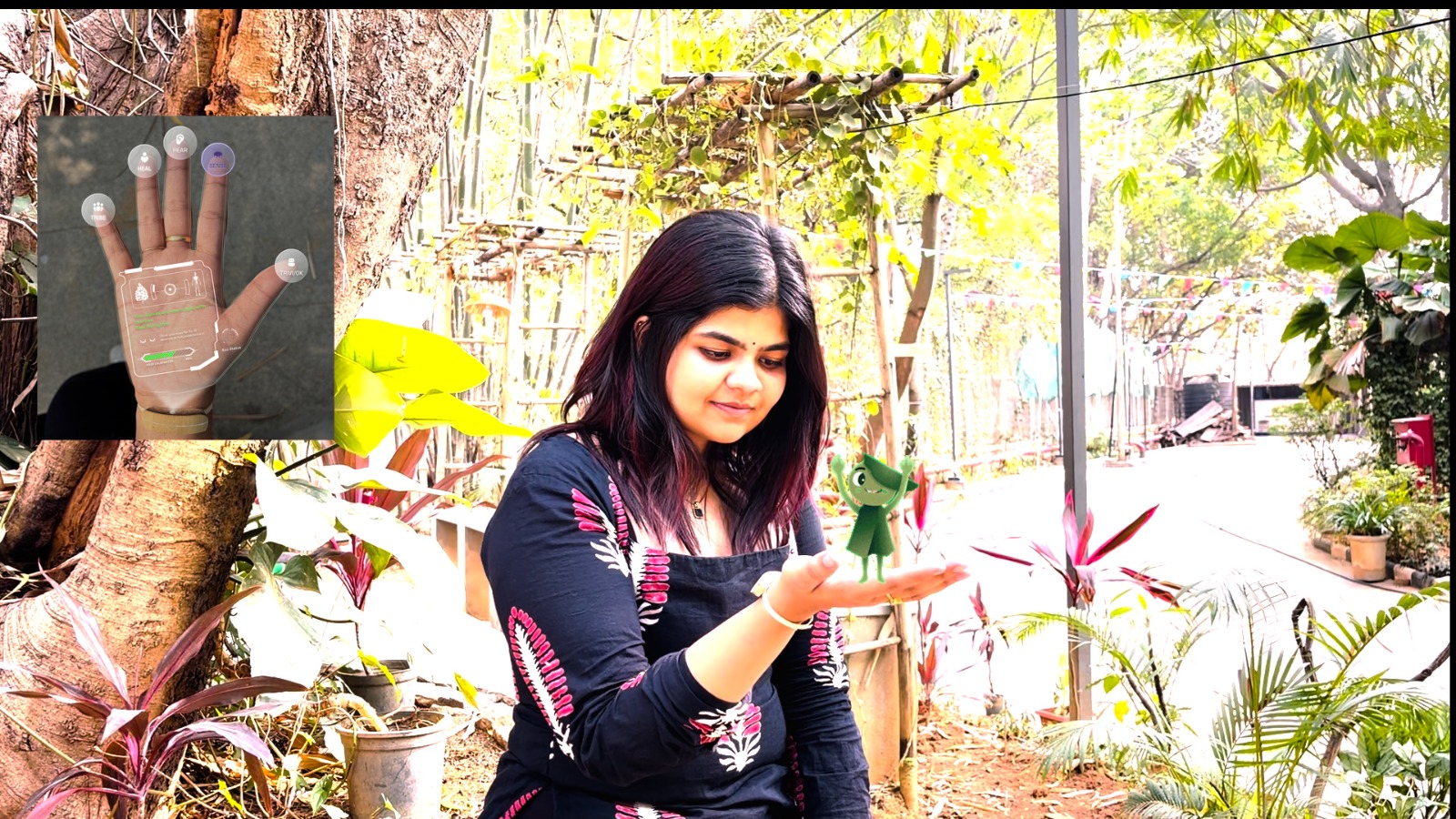
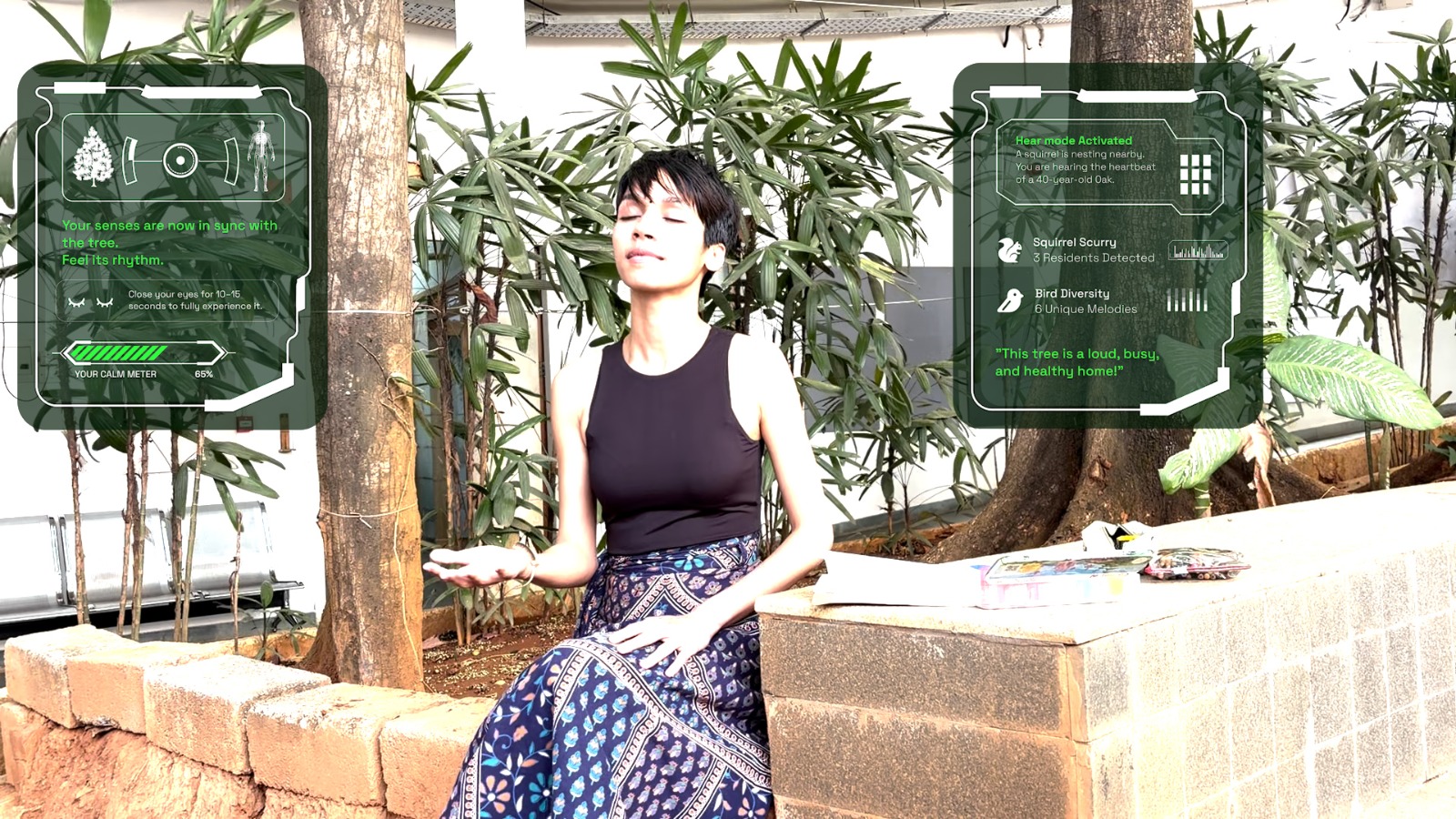

Project Inspiration
Trivity was inspired by the deep relationship humans once shared with nature.
Across cultures and ancestral traditions, trees have symbolized wisdom, grounding, and life.
Historically, humans possessed a strong innate sense of connection with nature.
Being near trees often brought calm, clarity, and emotional balance.
In modern urban life, this connection has weakened. Surrounded by concrete environments, constant noise, and digital distractions, people are increasingly disconnected from the natural world.
Trivity explores the idea of reviving this lost human sense the ability to feel connected to nature again.
By interacting with a tree, the system gently heightens this sensory awareness, allowing people to Sense, Hear, and Heal, with Sense as the central experience.
How We Built the Project
This project was developed within a short time span through focused exploration and iterative design.
We began by studying emotional needs in urban environments, especially stress, anxiety, and the growing need for moments of calm and grounding.
Our process included:
- Observing how people interact with trees and green spaces
- Studying wellbeing practices such as breathing, mindfulness, and meditation
- Watching documentaries and researching the human–nature relationship
- Exploring natural materials, textures, and sensory interactions
Through this research we identified Sense as the core interaction.
Sense allows a person to connect physically and emotionally with a tree.
By placing their palm on the bark, the Trivity interface activates and synchronizes breathing with the natural rhythm of the tree, creating a feeling of grounding and presence.
Two supporting interactions extend this experience:
- Hear - revealing the subtle soundscape around the tree such as leaves, birds, and small creatures
- Heal - guiding the user into calm breathing and meditation beneath the tree
The design process involved sketching interaction flows, prototyping the fingertip UI, building narrative scenarios, and collaborating to refine the experience.
What We Learned
Through this project we learned that interaction design can go beyond screens and devices to focus on human emotion and sensory experience.
Key learnings included:
- The sense of touch and presence plays a powerful role in connecting people with their environment
- Calm experiences require subtle and minimal interfaces
- Nature-based interactions encourage people to slow down and become more aware of their surroundings
- Speculative design can help imagine new ways humans and nature might interact in the future
Most importantly, we learned that technology does not always need to dominate an experience — sometimes its role is simply to quietly enable a deeper human connection.
Challenges Faced
One of the biggest challenges was designing an interaction that felt natural and intuitive rather than technological.
Because there is no existing technology that directly allows humans to sense trees, we had to imagine how such an experience could feel believable.
Key challenges included:
- Designing a UI that enhances Sense without distracting from the tree itself
- Making the interaction feel emotional rather than mechanical
- Deciding how the fingertip interface should appear and behave
- Ensuring the experience remained calm and subtle rather than overly digital
The goal was to keep Sense as the core of the experience, allowing the tree to remain the focus while technology gently supports the interaction.
Built With
- adobe
- claude
- elevenlabs
- figjam
- figma
- gemini
- gpt
- pemierpro


Log in or sign up for Devpost to join the conversation.