-
-
OBENTO Thumbnail
-
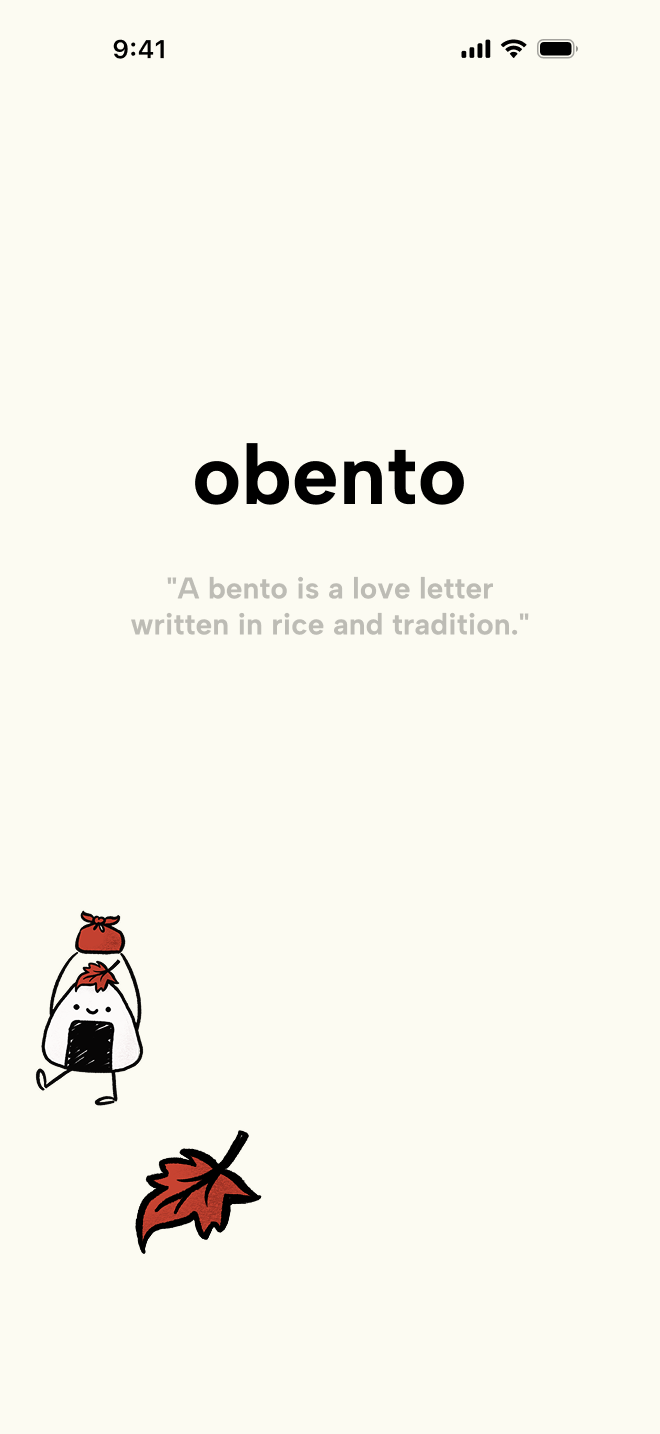
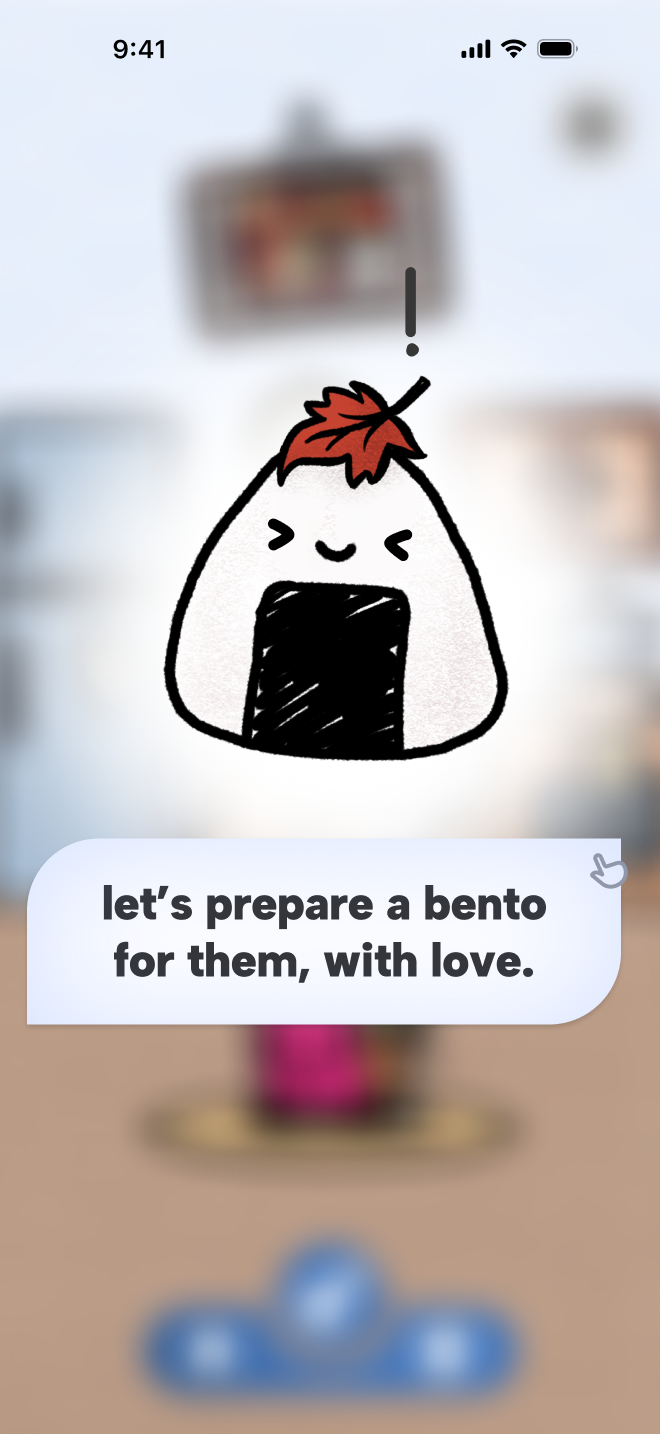
OBENTO Onboarding
-
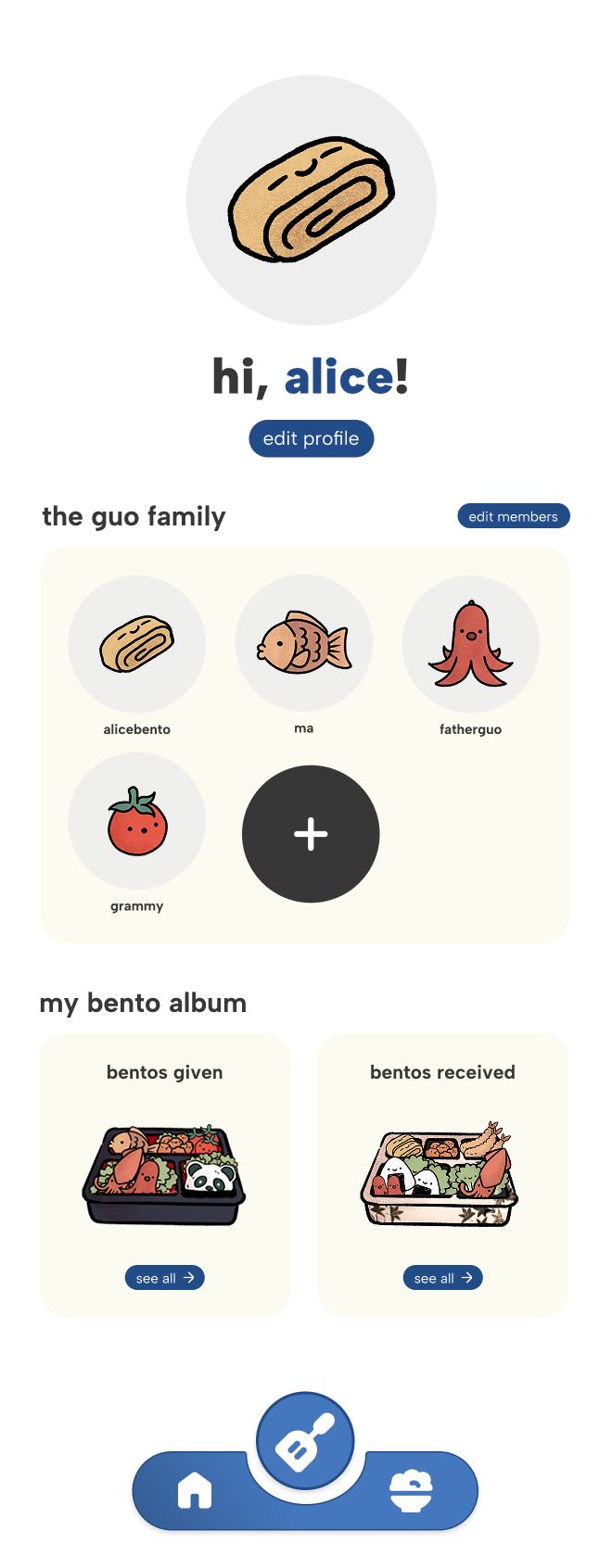
OBENTO Profile
-
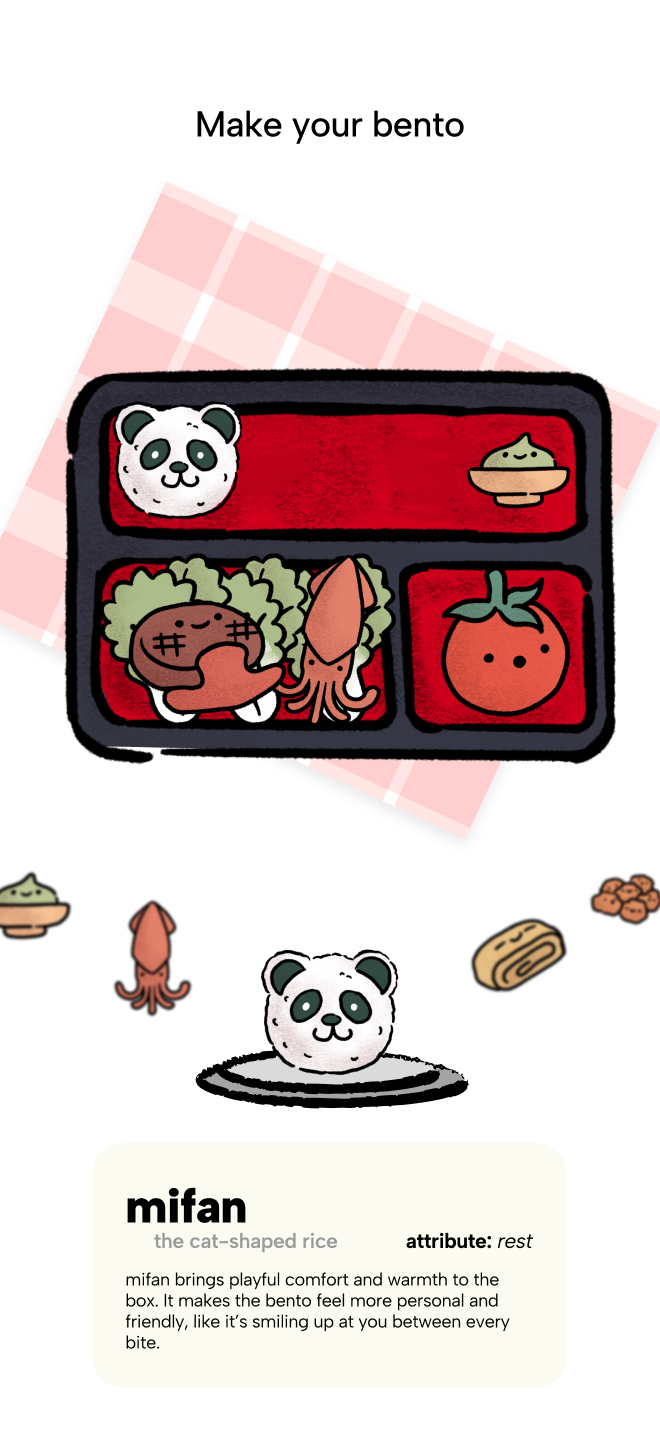
OBENTO Making a Bento
-
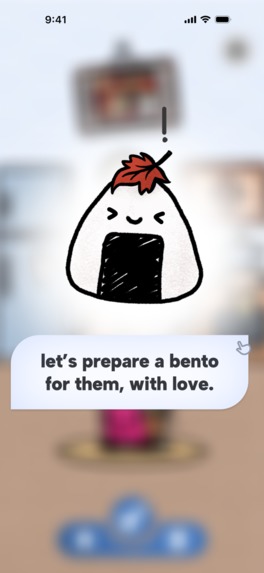
OBENTO Instructions
-
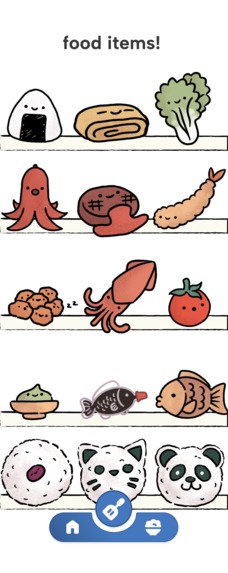
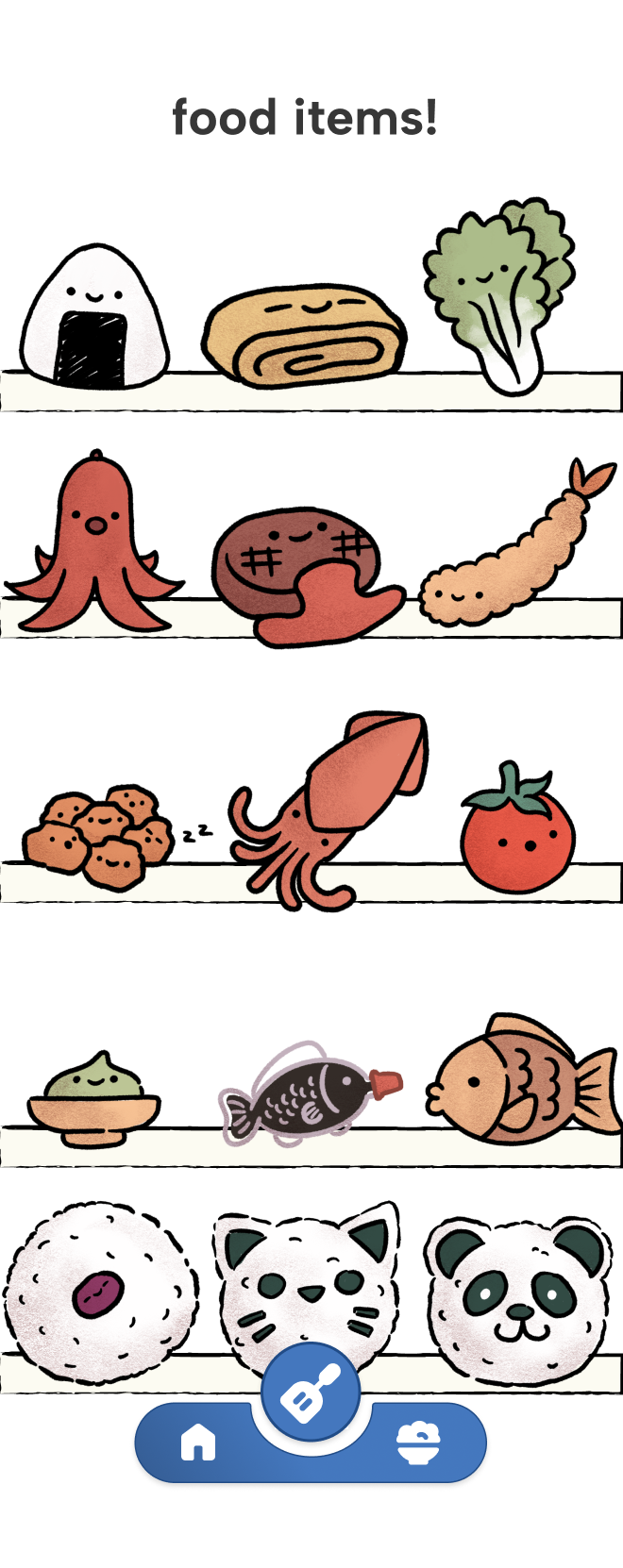
OBENTO Food Shelf
-
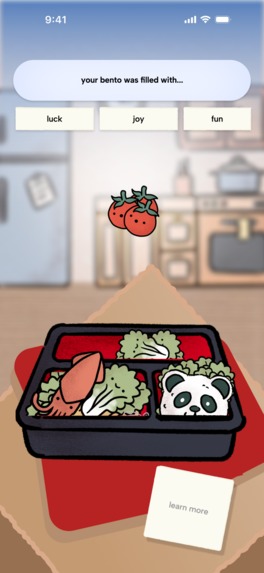
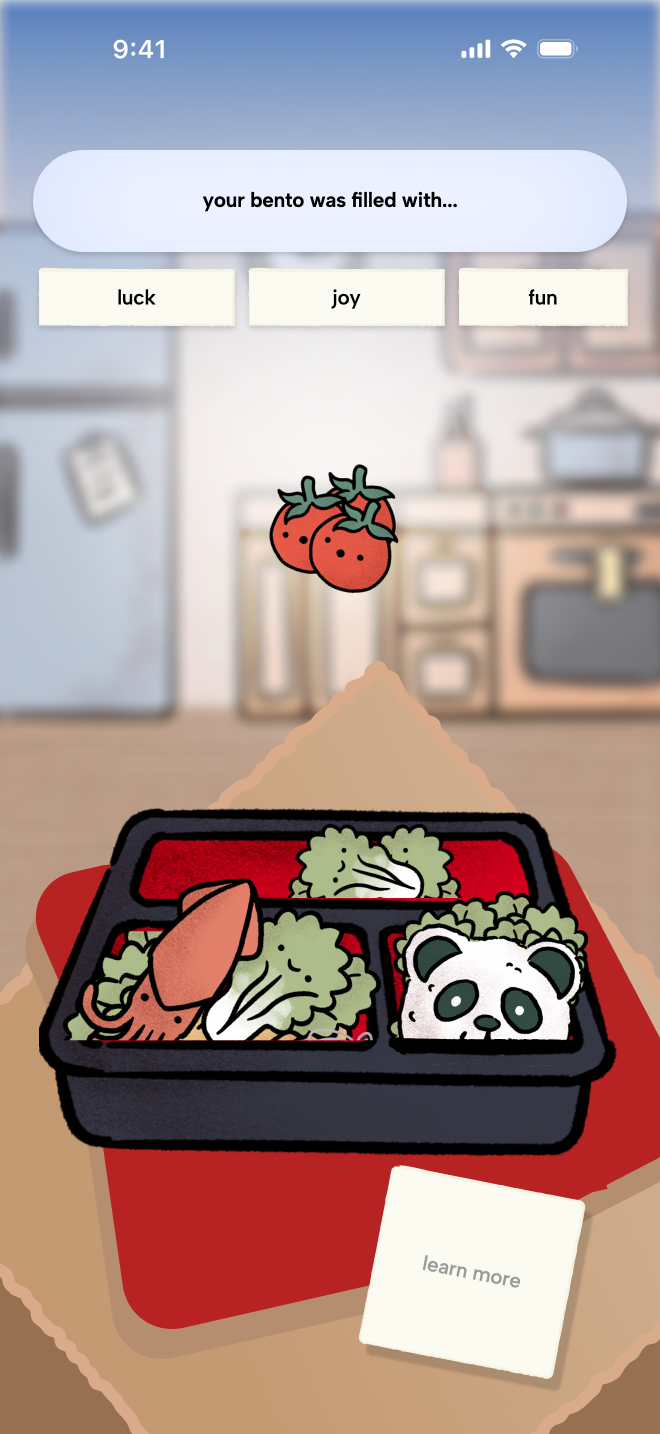
OBENTO Opening a Bento
-
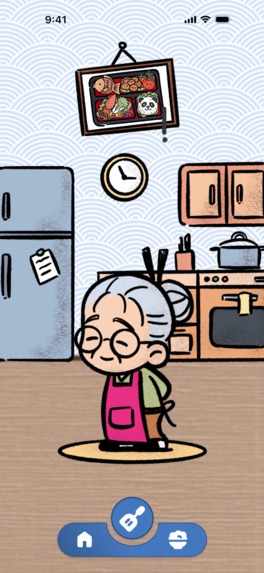
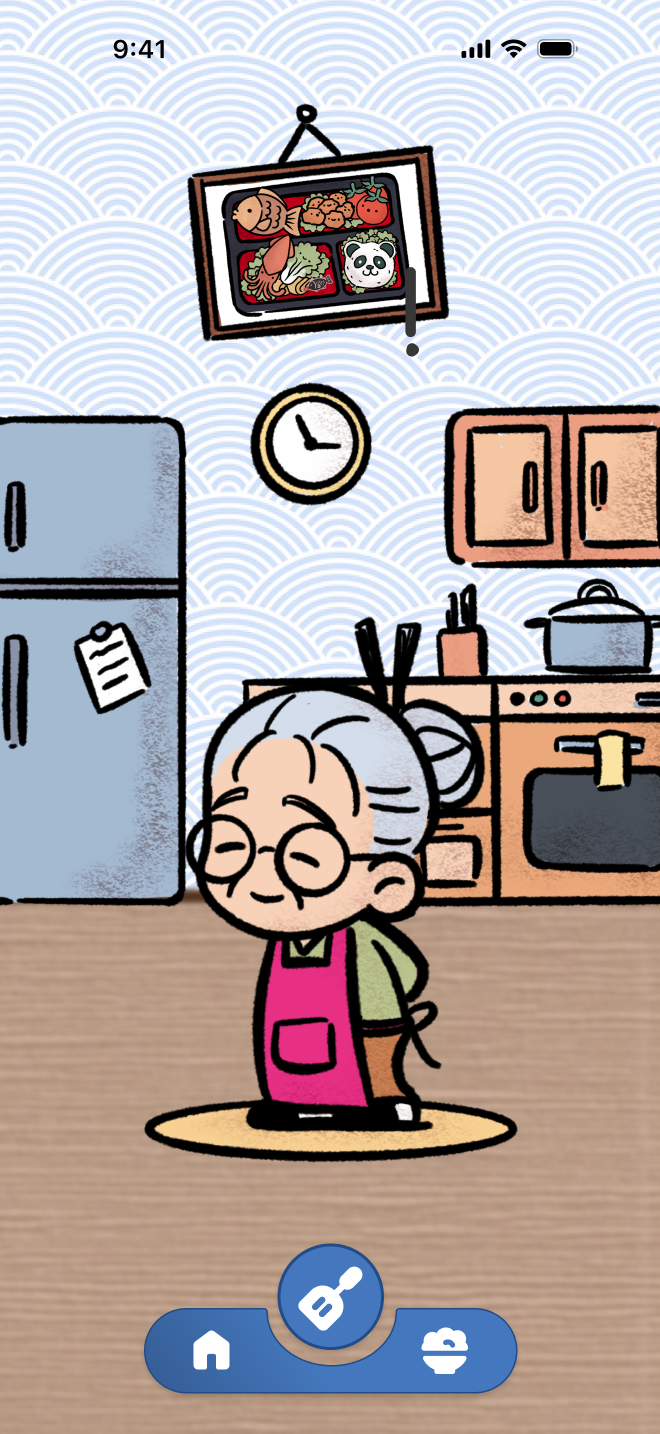
OBENTO Homepage
Prototype link Link
Video Demo https://youtu.be/4vRD4Zc-aDQ
Project Overview In a world where new technologies are constantly evolving, it can feel difficult to connect with older and younger generations who grew up shaped by different experiences and values. While most crave connection with people from different generations, especially within families, it sometimes feels impossible to start. OBento draws upon the warmth of a traditional childhood meal, the Bento box, to empower multi-generational families to share daily experiences and engage in meaningful conversations.
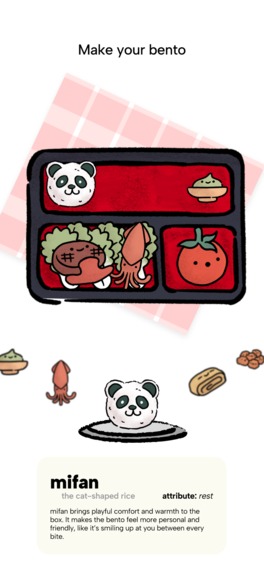
From a child to a grandfather, any app user can pack a digital Bento box for a loved one and send. Featuring hand-drawn, playfully doodled food items and a cozy UI, the process of packing a Bento box is designed to be low-pressure. Each item carries well wishes inspired by tradition, such as fish bringing luck and wealth. Finally, users can capture words they want to say to a loved one using voice, written notes, or drawings.
Research Process and Findings
Throughout our research, we sent out a survey with 13 questions and gathered 108 responses from respondents aged 15-58. In addition, we also performed 5 in-depth user interviews.
First, our survey demonstrated the importance of focusing on familial intergenerational interactions, as 82.8% of respondents indicated that they most often interacted with other generations in a familial context.
Most notably, our survey found that even though 39.1% of respondents often felt misunderstood by people from different generations, an overwhelming majority (83.9%) of respondents felt a strong desire to learn about the lives, experiences, and perspectives of other generations.
Despite this, the data revealed a significant difference between not only what generations have in common but also the underlying values and worldviews that drive their perspectives. For one, 63.6% of participants over age 45 cited "values and worldviews" as the elements most at risk of being lost between generations. One respondent noted that “I think most of the time [the generational barrier is] the difference in our values and beliefs.”
In order to further understand the data we collected, we used statistical methods including t-tests and correlation analysis to investigate common trends. One relevant finding was that there was a statistically significant difference (p = 0.0049) in how comfortable younger generations were asking older generations to explain their worldviews (4.0/5), compared to the other way around (3.38/5). There existed a problem space to provide entry points for the older generation into the younger generation’s world and participate.
After understanding our initial survey findings, we conducted 5 in-person interviews using a small list of preset questions and asked detailed follow-up questions as they arose. These interviews lasted approximately 10 minutes on average, and provided deeper insights into individual relationships with different generations and the elements contributing to these relationships. In particular, a few recurring themes arose:
- Shared activities as a way of bonding: 4 out of 5 interviewees noted that shared activities, such as sharing recipes, celebrating holidays, or passing down traditions is one of the major ways they experience closeness with older generations.
- Language barriers: 4 out of 5 interviewees cited lack of language fluency as a major obstacle for their closeness with parents and grandparents. One respondent explained that he had “became closer recently with [his] grandparents as he became more committed to speaking the same language as them.”
- Time commitments and effort: 3 out of 5 interviewees answered that expending additional effort and time was one factor that made it difficult for them to communicate with older generations through text or call more regularly.
Our extensive research provided a strong foundation for the purpose of our app. OBento focuses on fostering connection and communication between families through the shared, childhood-based activity of making a Bento box. Language barriers are reduced since the primary communication lies in the box itself and the traditional attributes behind the foods packed, and the communication is made easy and low-effort while still meaningful.
Describe your most important design decisions. What research findings and/or user testing results led you to make these decisions? (Max 500 words)
1. Cozy, illustrated, emotional design aimed at joy and comfort OBento is designed to create an experience where generations are able to not simply send messages or update each other, but share a traditional moment. Throughout our designs, we consistently aimed to create a comfortable and delight-driven experience using elements such as rounded corners, traditional color pairings, and simple yet emotional interactions. For instance, the flow of opening a Bento box is not designed for efficiency, but for the joyful experience of unwrapping something a family member thoughtfully put together for you.OBento’s illustration style of using doodle-like, character-driven visuals furthered worked towards this goal.
2. Color, pattern, and food element inspiration from Japanese culture Since the majority of our survey respondents were of Asian descent, we had access to sufficient background information for us to create a solution that would specifically address and resonate with Asian families. Many of our respondents and interviewees cited foods as a major form of love language that brought them closer to different generations. Further inspired by the discovery that Japanese food culture tended to hold deeper meaning such as auspicious symbolism and careful preparation, we chose the Japanese Bento box as the central design metaphor carrying affection and connection. To make the app design more immersive, we incorporated elements like food mats, an onigiri mascot, replication of traditional Bento box color pairings, and more.
3. Focus on fostering two-sided communication between generations One important research insight that guided our design decisions was that older generations often felt limited entry points into conversations and getting to know younger generations. OBento’s design is meant to be two-sided: even though it is traditionally the grandparent or parent’s role to pack a lunch for someone younger, this app provides an opportunity for older generations to receive that same experience of opening thoughtfully picked-out food and well wishes. At the same time, whenever children or grandchildren send a Bento box to someone older, it would also provide a smooth entry point into conversation. For those who are younger, the Bento box design is equally effective because it is reminiscent of childhood lunches and memories, sparking a desire for familial connection.
If applicable, describe how you utilized AI in your design process in detail. Please explain where AI fit into your workflow, which tools you used, and the specific purpose AI served at that stage. Include a concrete example of how AI influenced a design decision. (Max 500 words)
Our team took advantage of AI tools in the data analysis, synthesis, and graph-making portion of the workflow. Because we received survey responses from over 100 respondents, we decided to import survey results in the form of a CSV file into AI tools including ChatGPT, Gemini, Dia, Claude, and Microsoft CoPilot. These tools were able to help us quickly discover common themes across open-response quotes and overall trends in responses. We also performed data analysis such as t-tests, correlation analysis, and generated graphical presentations.
For example, when analyzing our open response question on barriers for communication between generations, we used AI to cluster responses by recurring themes such as time constraints and differing communication styles. This allowed us to quickly find crucial patterns that we then manually reviewed and refined to ensure accuracy.
Built With
- figjam
- figma
- procreate

Log in or sign up for Devpost to join the conversation.