-
-
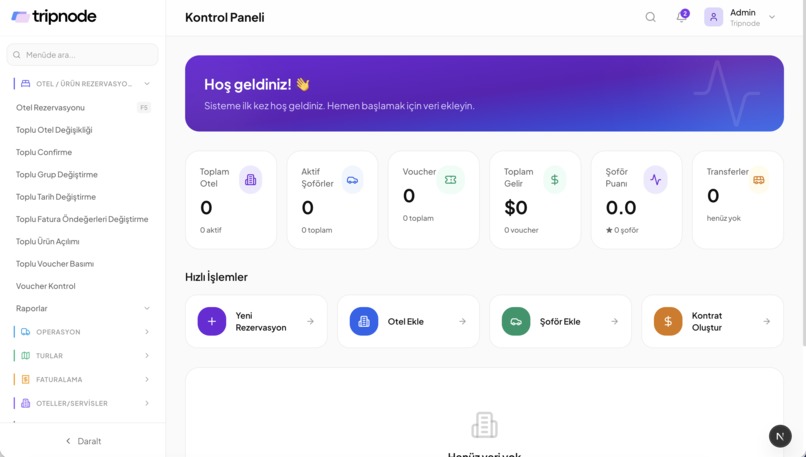
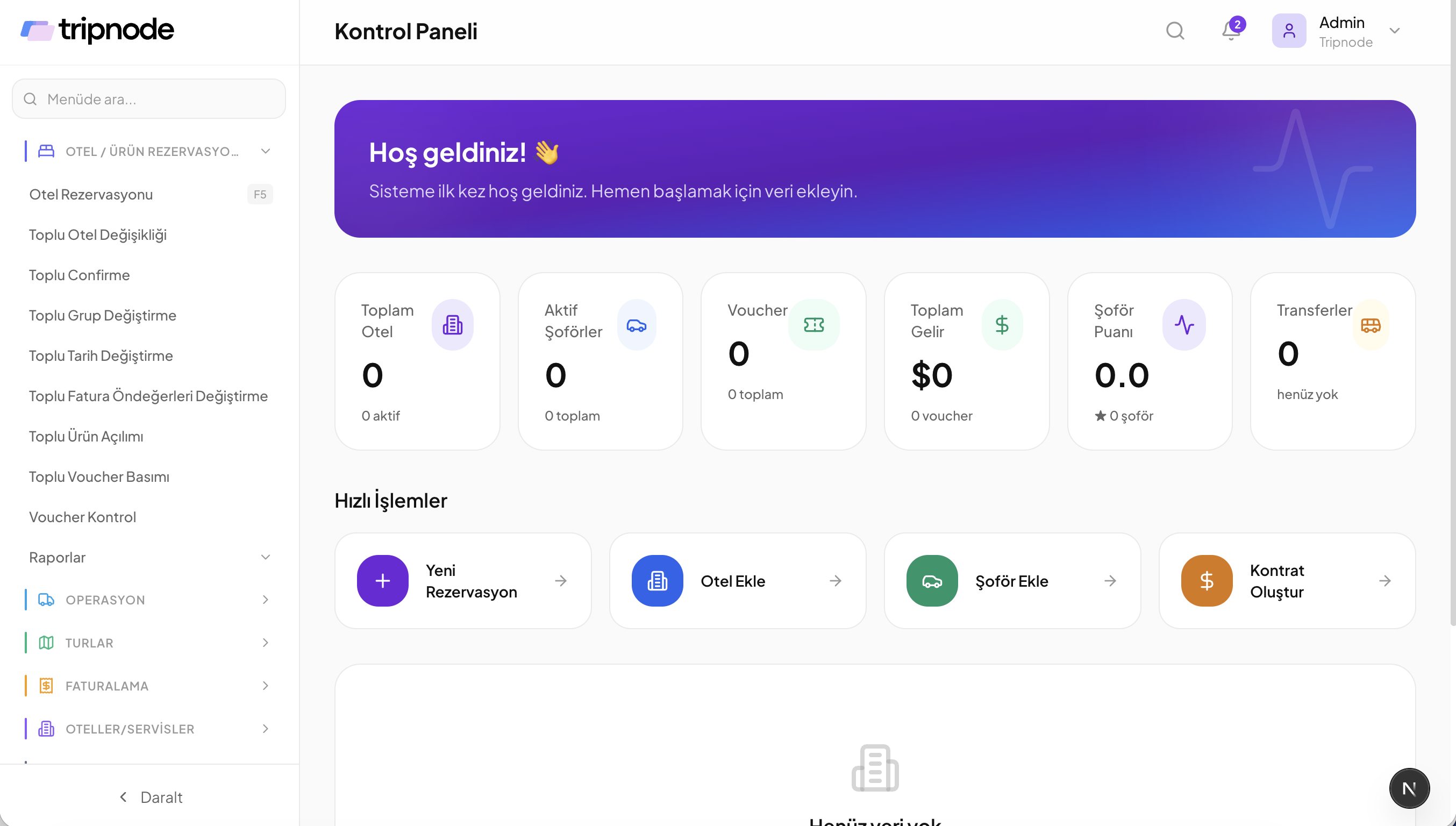
Dashboard for tour operations view hotel stats, driver ratings, revenue summaries and quick-access actions to key workflows
-
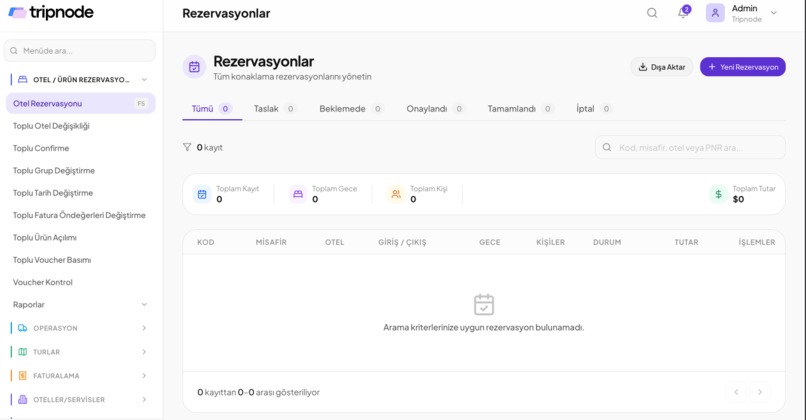
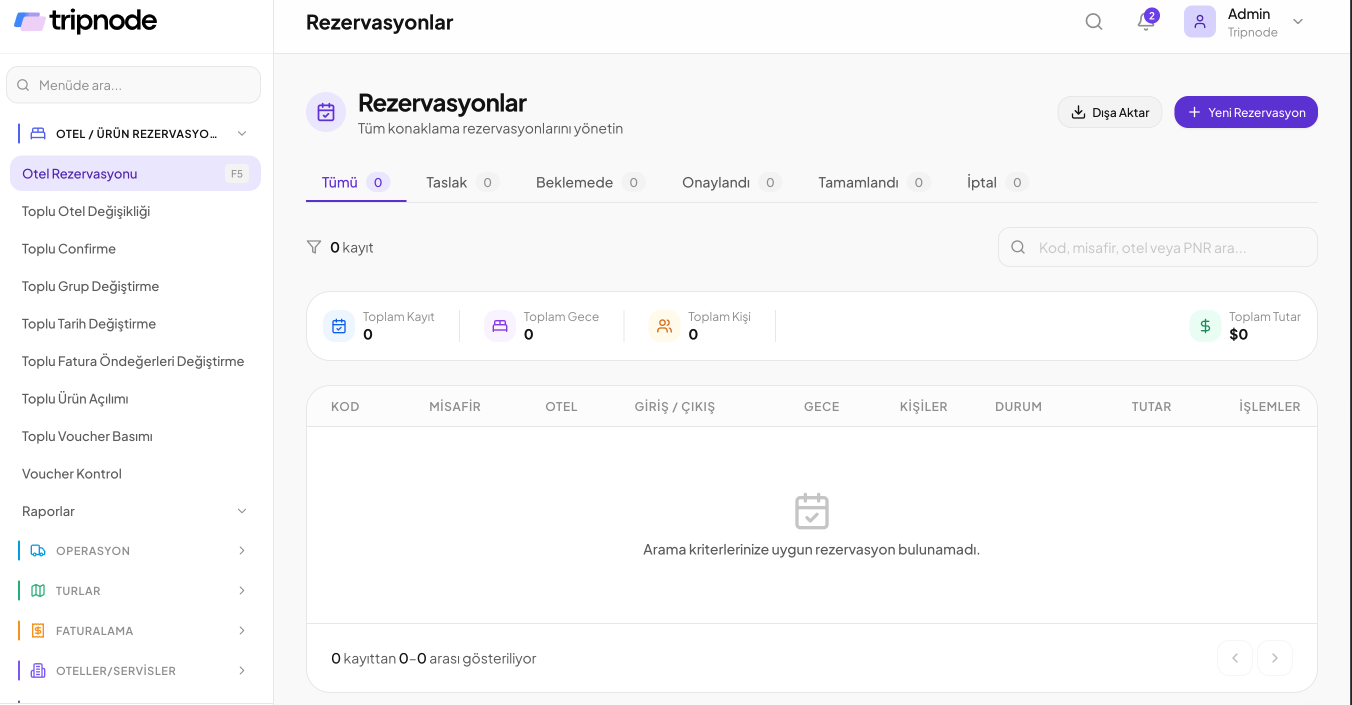
Manage hotel bookings, generate vouchers, run bulk operations for hotel/group/date changes, and access reservation reports and statistics.
-
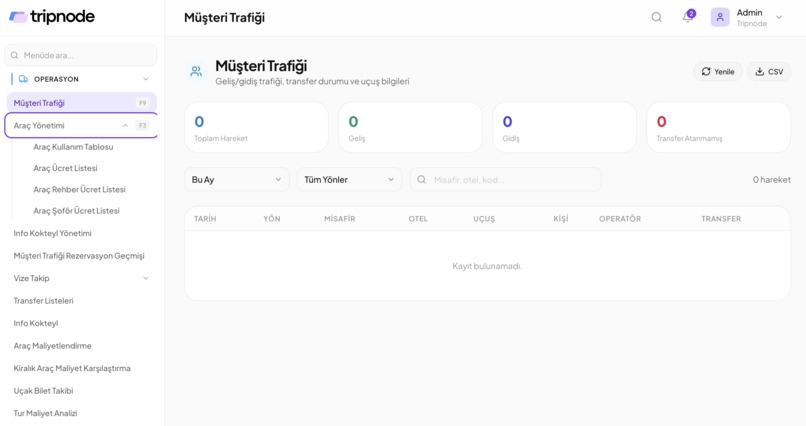
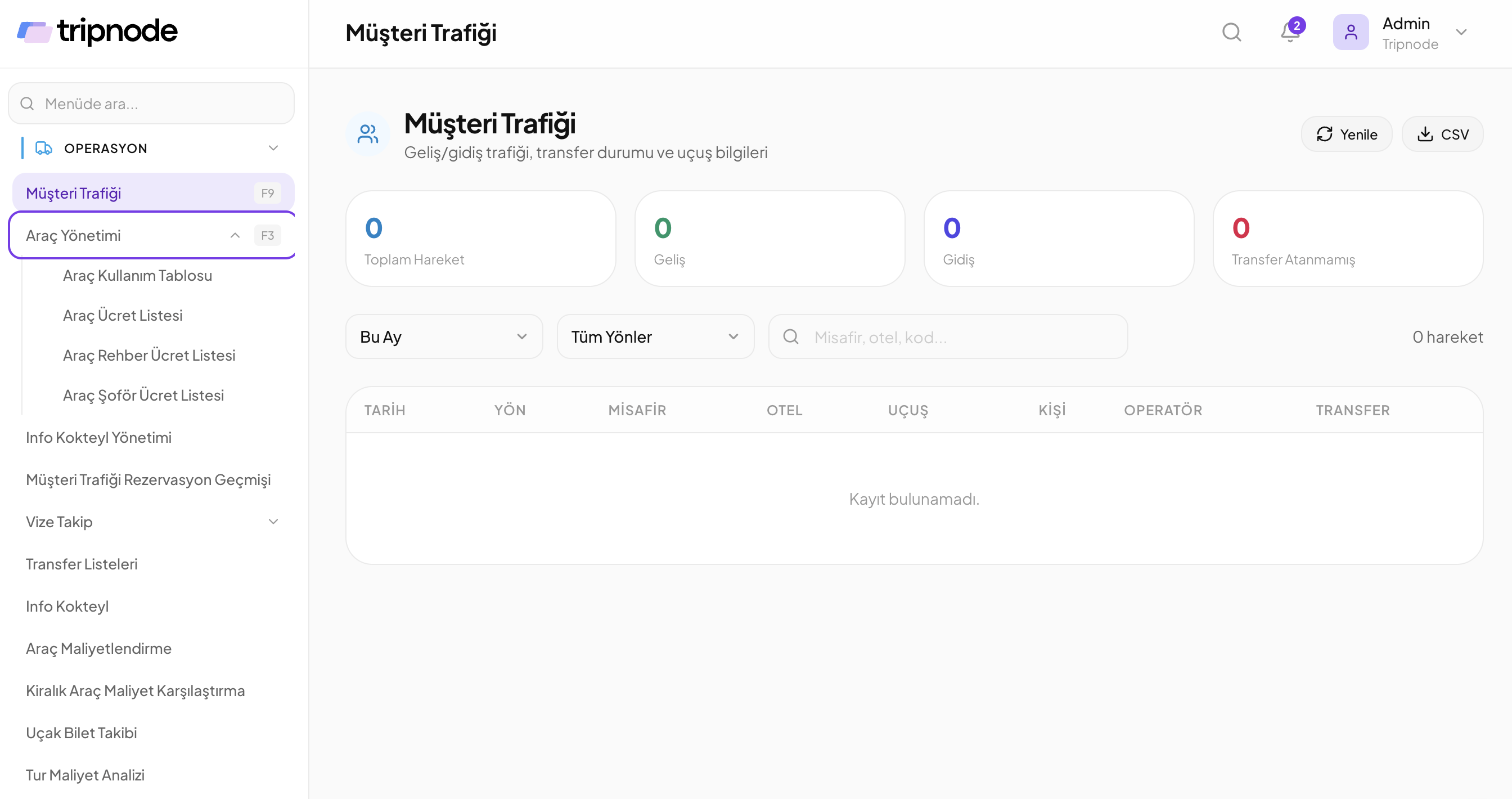
Handle transfers, driver and vehicle management, visa tracking, flight tickets, customer traffic, and real-time operational monitors.
-
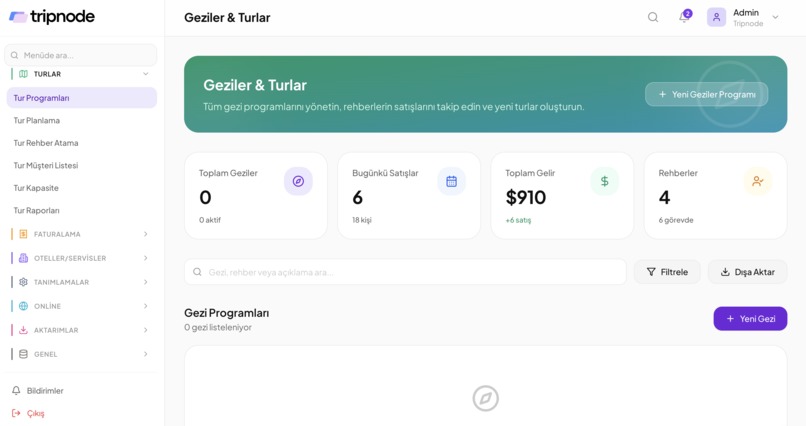
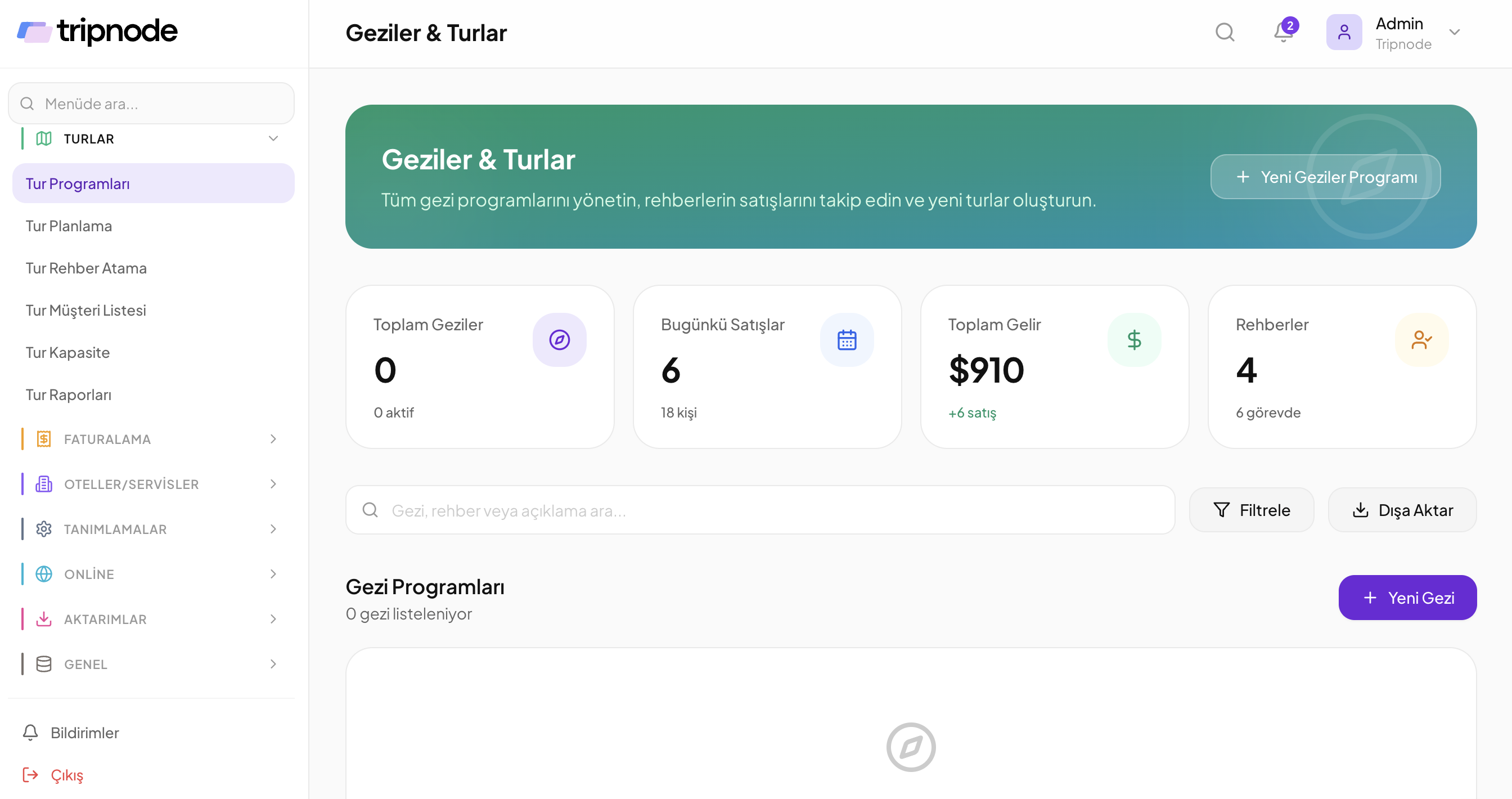
Create and manage excursion programs, assign guides, track customer lists, monitor tour capacity, and view detailed tour reports.
-
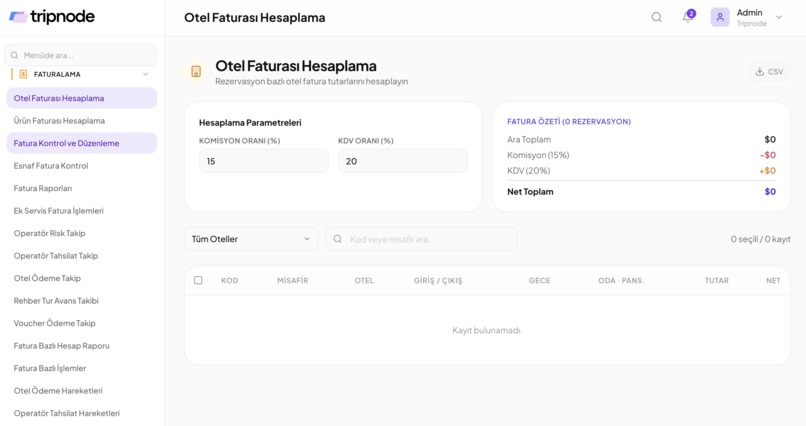
Generate hotel and product invoices, track payments, manage operator, guide advances, and monitor all financial movements and reports.
-
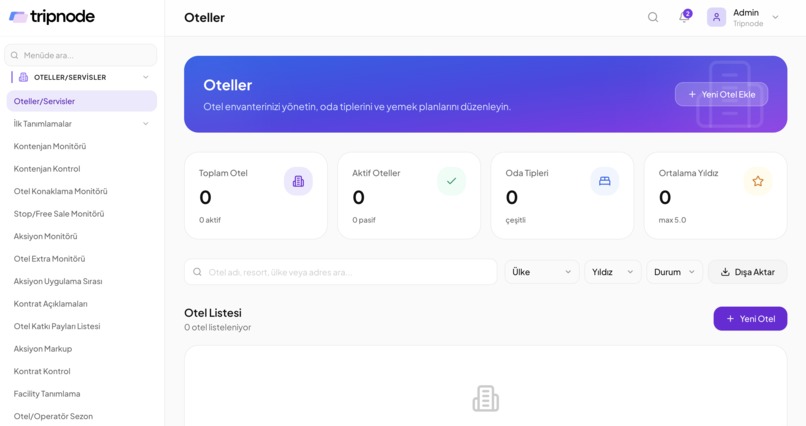
Manage hotel profiles, contracts, quotas, stop-sales, pricing, room types, meal plans, and set up all reference data for reservations.
-
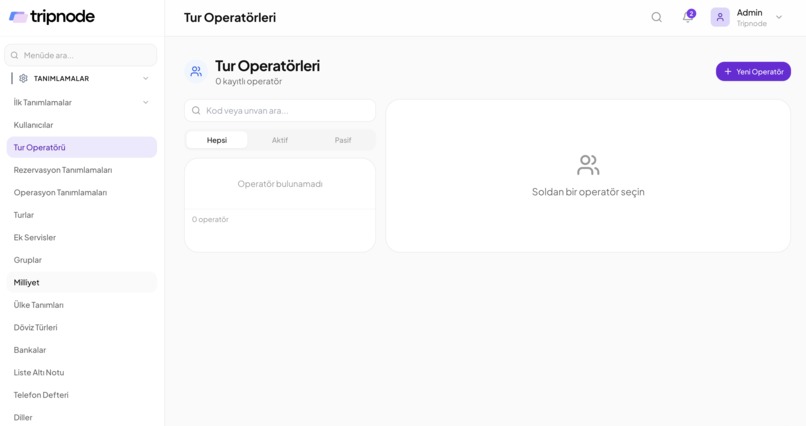
Configure users, partners, nationalities, currencies, banks, departments, extra services, phonebook, and all system reference data.
-
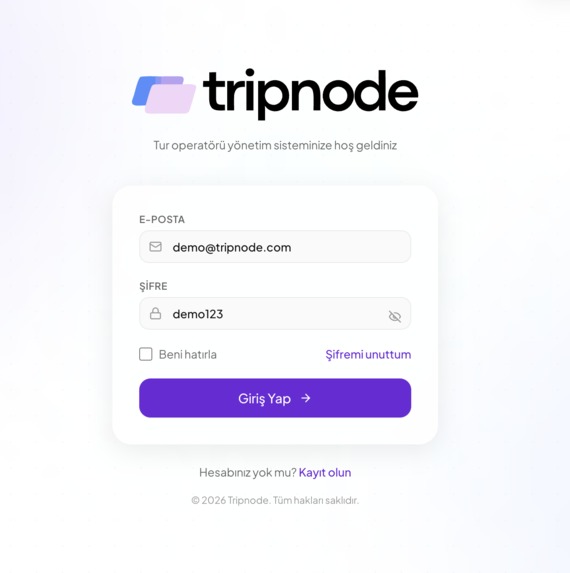
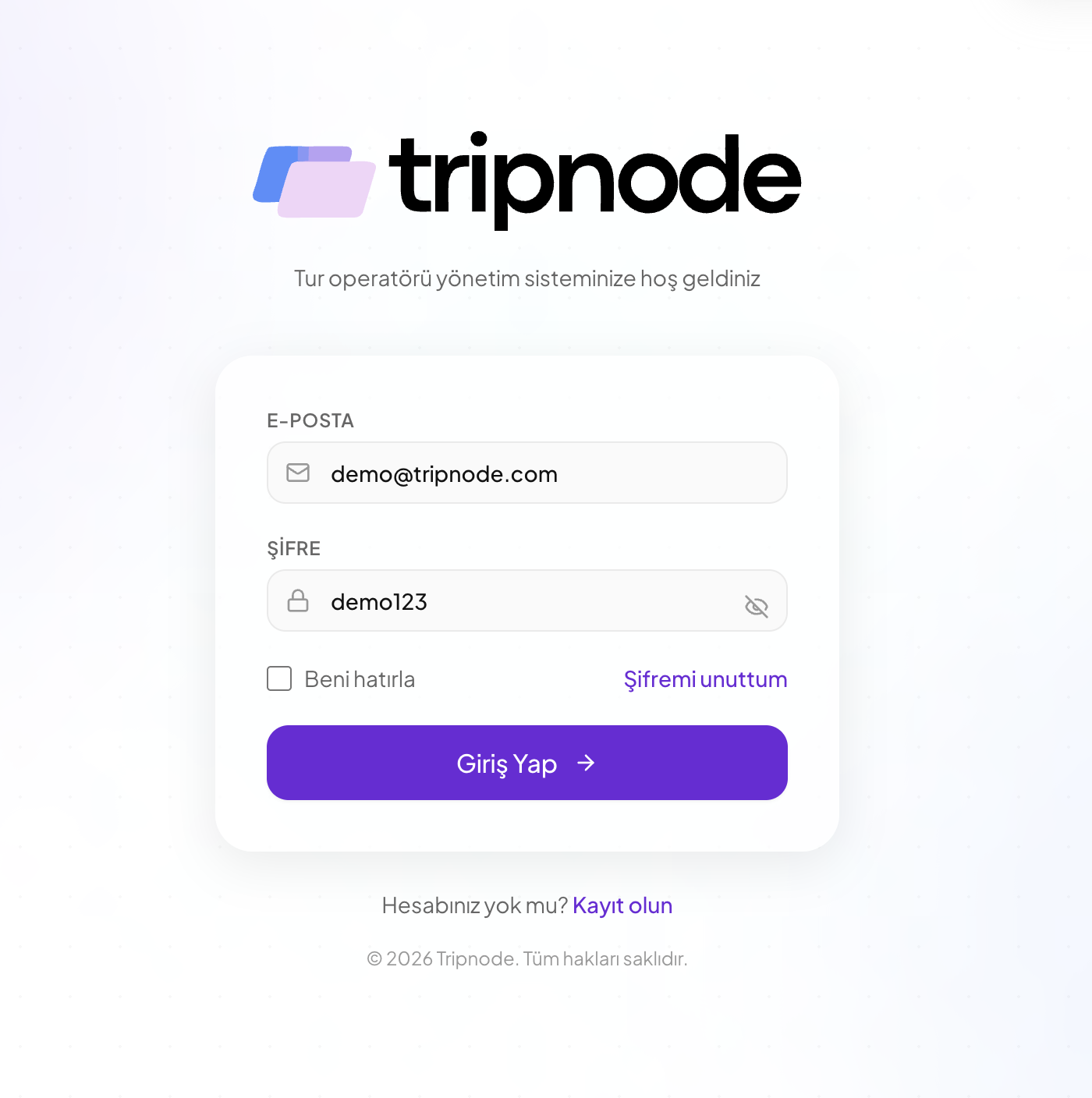
Demo User Email and Password
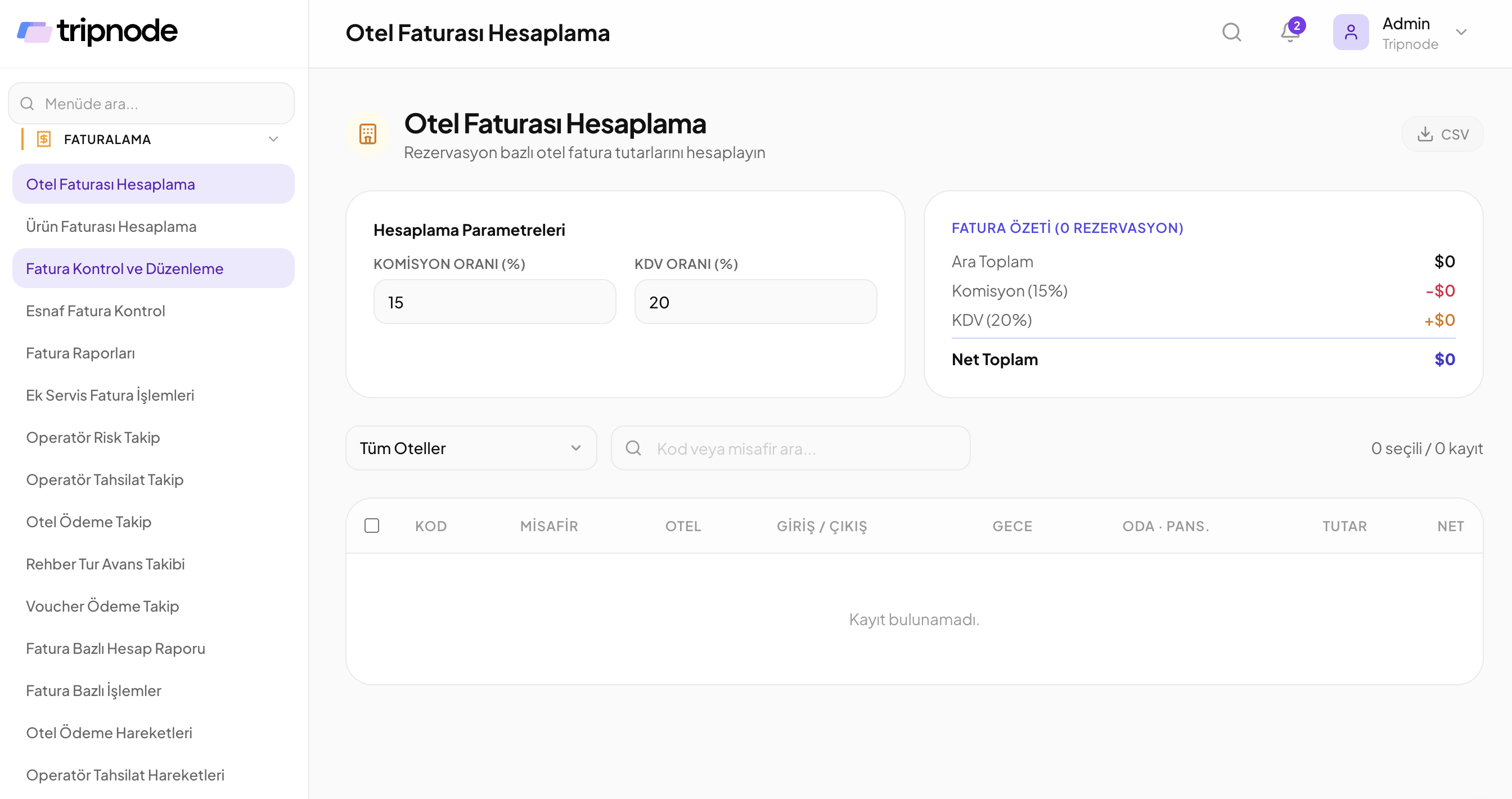
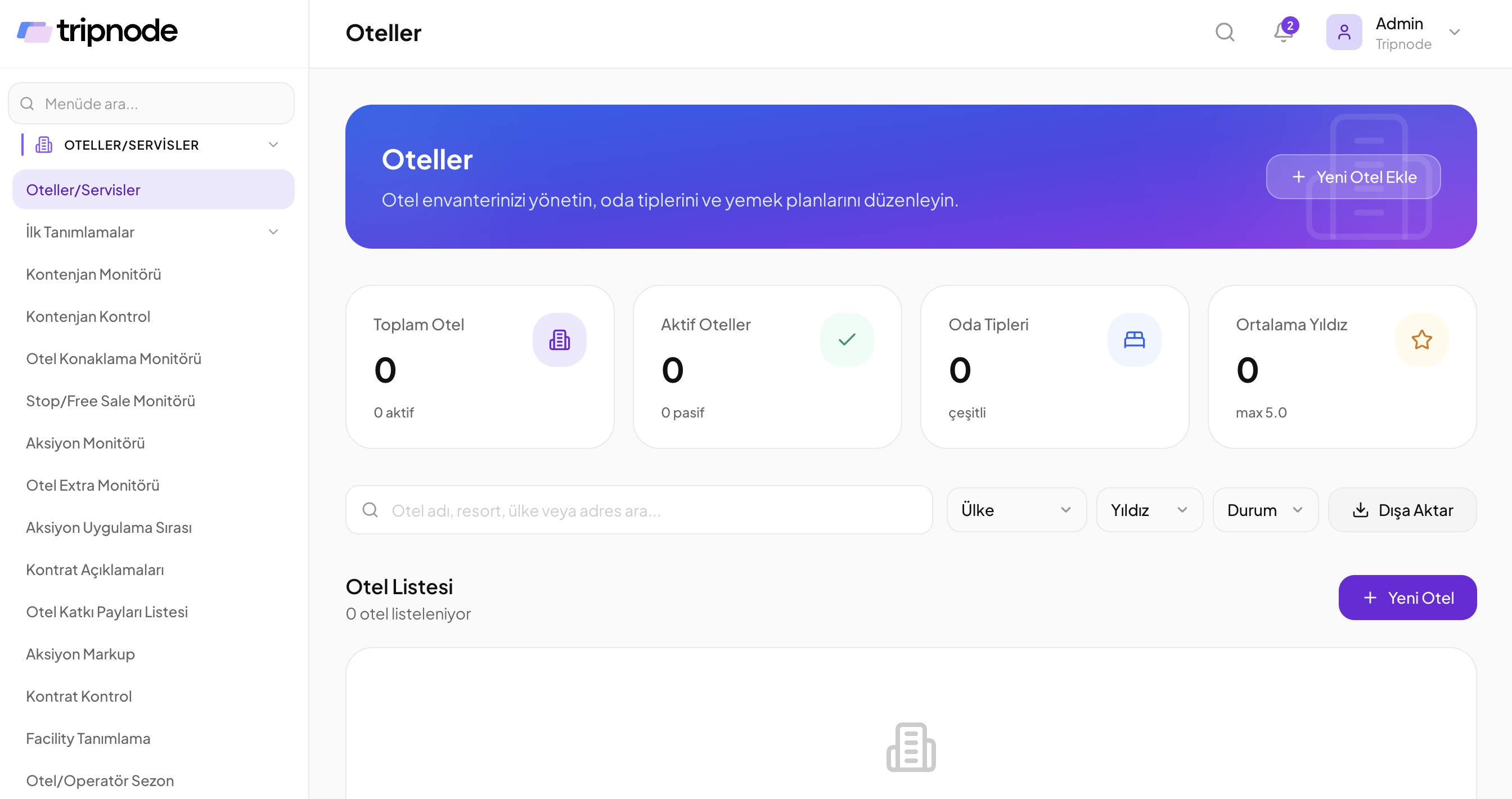
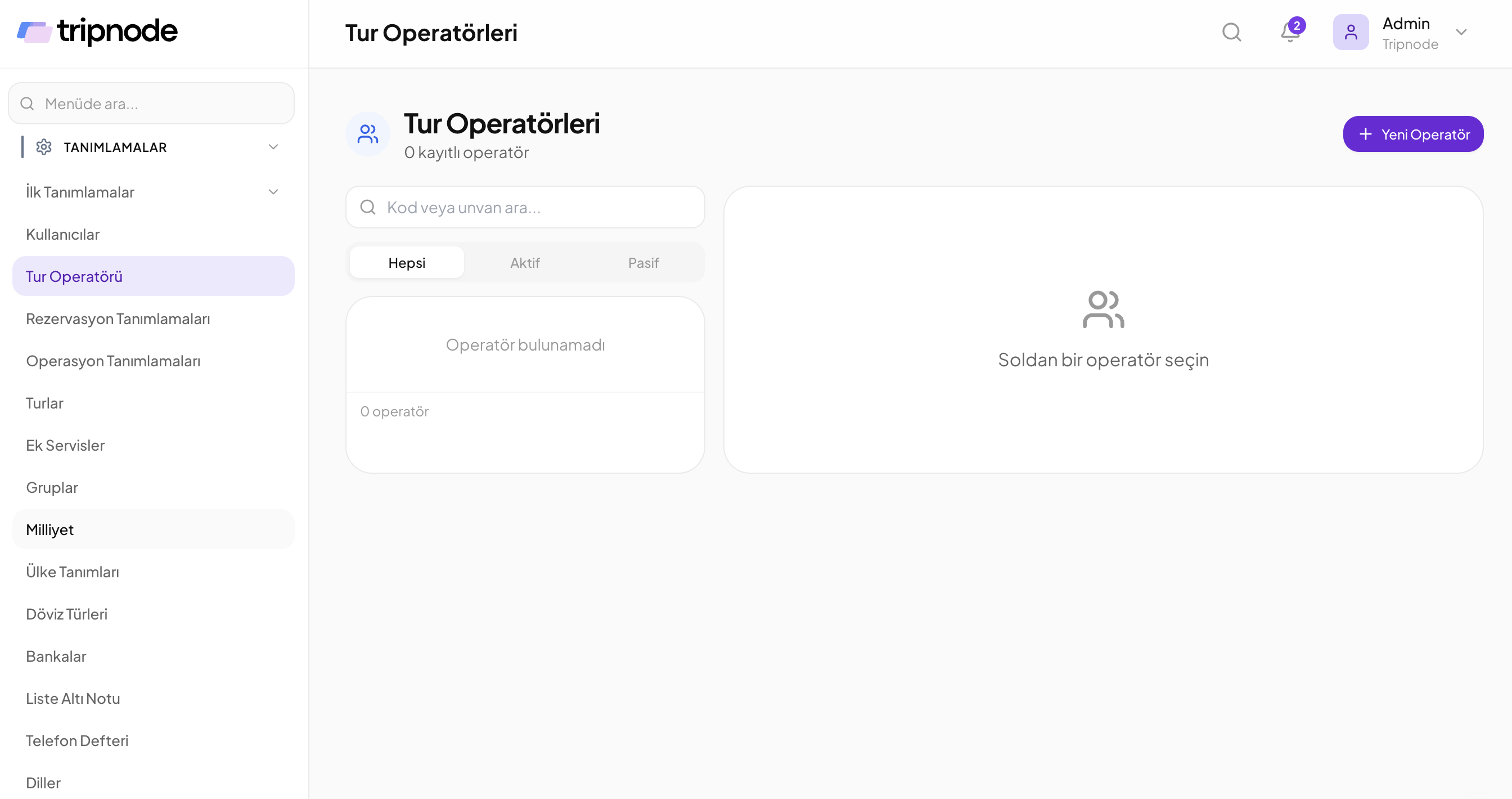
Inspiration: Tour operators in Turkey and worldwide still manage their daily workflows across spreadsheets, WhatsApp, paper vouchers, and disconnected tools. We saw an opportunity to build one unified system that replaces this chaos — a single platform for hotels, contracts, reservations, transfers, excursions, finance and B2B partnerships. What it does: TripNode is a multi-tenant back-office platform for tour operators. It handles the full lifecycle: hotel contract management with seasonal pricing, real-time reservation workflows with voucher generation, transfer and driver scheduling, excursion bookings, B2B partner and agency management, invoicing and financial tracking, and a mobile-ready guide app with QR-based check-ins. How we built it: We built TripNode with Next.js 15 (App Router + Turbopack), React 19, TypeScript, Tailwind CSS, and Prisma ORM with SQLite (easily swappable to PostgreSQL). The architecture is multi-tenant from day one — every table is scoped by tenant. We used Framer Motion for animations and Lucide for icons. The project includes 40+ route modules covering every aspect of tour operations. Challenges we ran into: Designing a data model that covers the full complexity of tour operations — hotel contracts with seasonal pricing, early bookings, SPO actions, surcharges, cancellation policies, quotas, and stop sales. Building a voucher system that works across different hotel and agency formats. Making the multi-tenant architecture performant while keeping data fully isolated. Integrating complex business logic like bulk operations, group changes, and real-time availability. Accomplishments that we're proud of: A complete production-ready schema with 50+ models covering every tour operation workflow. Multi-tenant architecture with role-based access (superadmin, admin, user). Bulk operations for vouchers, hotel changes, date changes, and group management. A comprehensive finance module with invoice tracking, hotel payments, craft invoices, and guide advance management. Real-time transfer scheduling with driver assignment and route optimization. What we learned: The tour industry has incredibly complex pricing structures — seasonal rates, early booking discounts, SPO actions (like "7=6" free nights), child age brackets, extra bed pricing, and surcharges. Building for this domain requires deep understanding of hospitality business logic. We also learned that multi-tenancy must be baked into every layer from the start — it's not something you can retrofit. What's next for TripNode: • Real-time availability and online booking integration • AI-powered pricing recommendations based on demand patterns • Mobile guide app with live GPS tracking and instant notifications • API marketplace for third-party integrations (GDS, payment gateways, CRM) • Advanced analytics dashboards with revenue forecasting • Multi-language support for international tour operators • White-label solution for resellers
Built With
- next.js
- prisma
- react
- typescript

Log in or sign up for Devpost to join the conversation.