



Inspiration
As computer science students, we wanted to create something meaningful for the "the past" theme. We were inspired by the nostalgia we feel when we see old gadgets from our childhood - Walkmans, floppy disks, cassette tapes. We thought: what if digging deeper could literally take you further back in time? That's how Memory Mine was born.
What it does
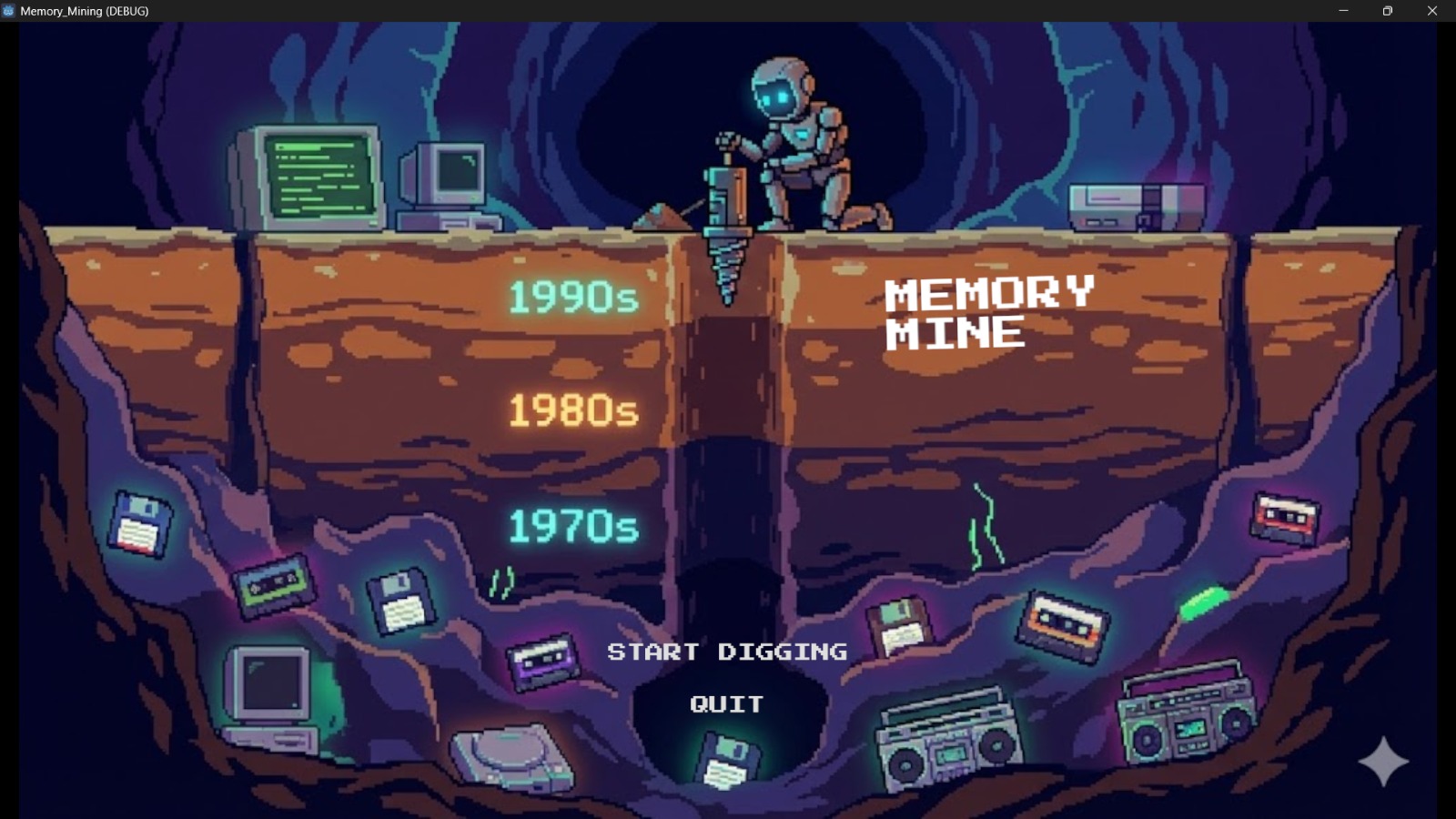
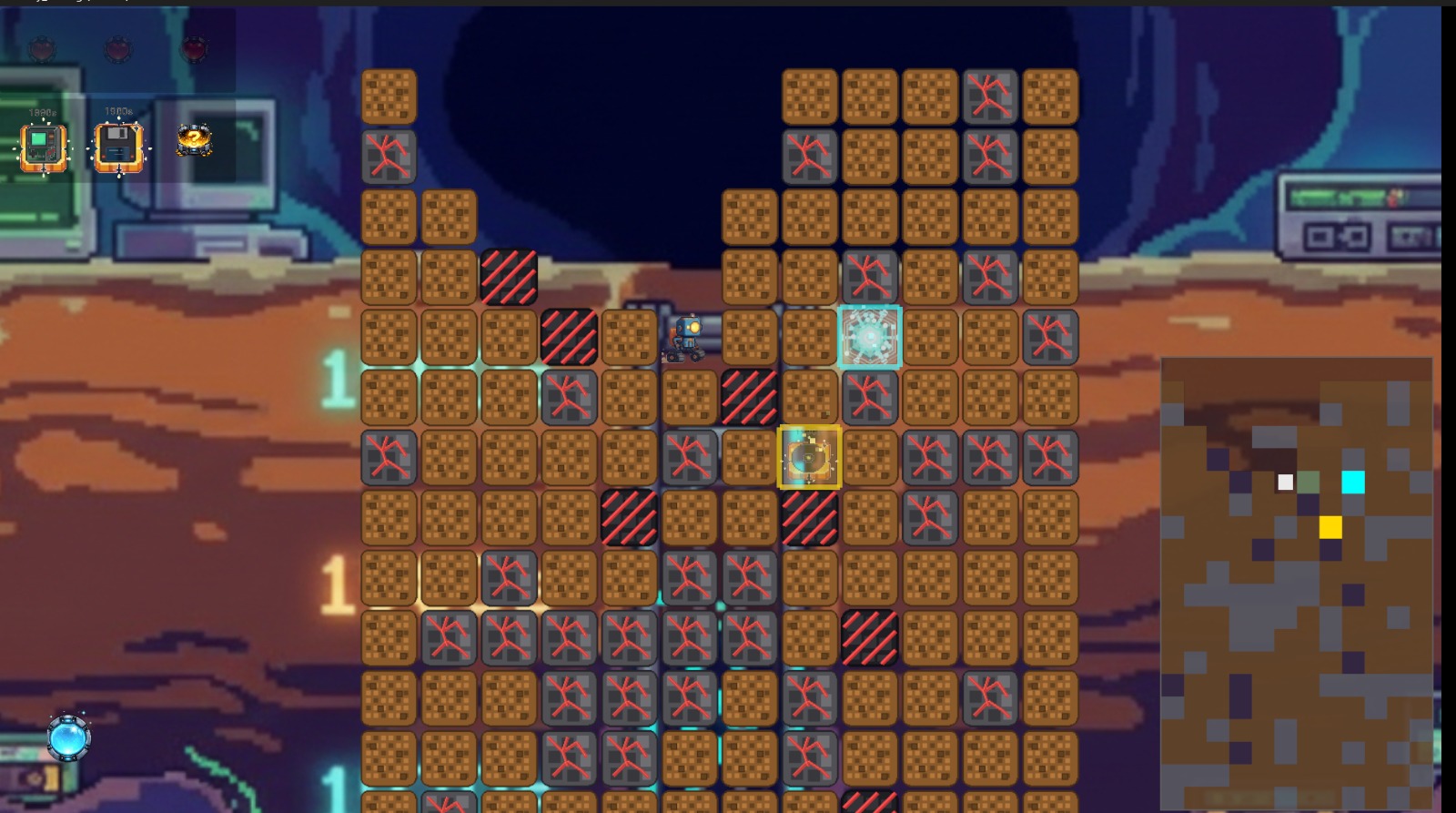
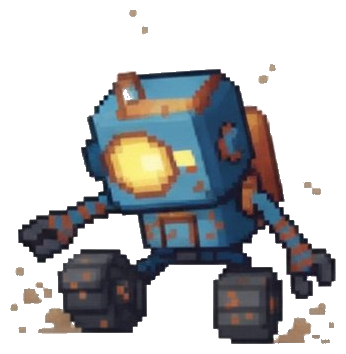
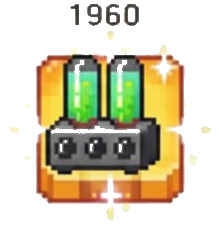
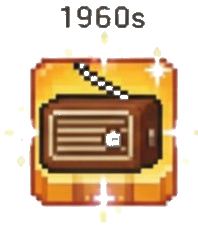
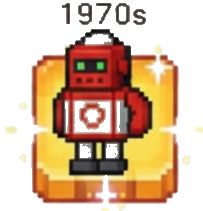
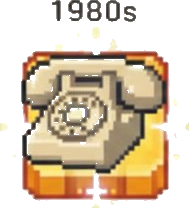
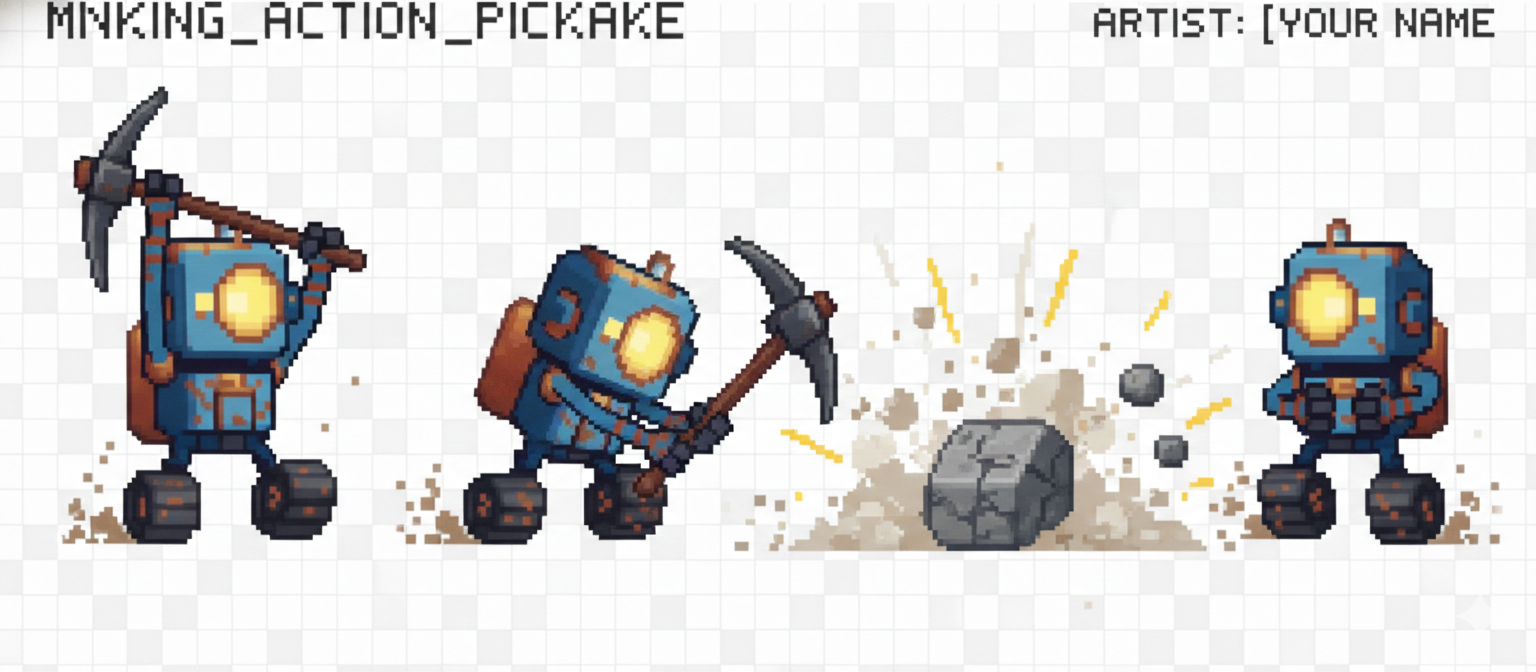
Memory Mine is a strategic mining puzzle game where you play as a robot from the future, excavating forgotten treasures from humanity's past. Players dig downward through grid-based levels representing different decades (90s → 80s → 70s → 60s), collecting vintage items like arcade cabinets, vinyl records, and rotary phones. Core mechanics:
One-way movement: You can only dig downward - no climbing back up Resource management: Use limited energy to scan for hidden treasures or deploy bombs Physics puzzles: Blocks fall when support is removed, and treasures break if dropped too far Strategic planning: Every dig is permanent, making pathfinding crucial
How we built it
Our three-person team used Godot Engine 4 for rapid 2D game development:
Godot's TileMap system for grid-based levels (12x20 grid) GDScript for game logic and physics Custom 2D array for managing block states and mining mechanics Pixel art assets created in Aseprite for nostalgic feel Git for collaboration
We divided work into phases: core mechanics (movement, mining) → game systems (energy, scanning, bombs) → level design and polish. The entire development happened within 24 hours. Challenges we ran into Physics timing: Getting the 0.5-second block-fall delay to feel smooth required careful tuning with Godot's Timer nodes. Cascading falls: One block falling could trigger chain reactions. We used signals to manage the sequence properly. Balancing difficulty: Adjusting energy costs and level design to be challenging but not frustrating took multiple iterations. Time pressure: We had to cut planned features like procedural generation and focus on polishing 8 hand-crafted levels instead. Accomplishments that we're proud of
Created a complete playable game in 24 hours across 4 decades Designed unique mechanics that genuinely connect to "the past" - both thematically and mechanically Built 20+ pixel art treasures from different eras Implemented smooth physics for falling blocks and treasure preservation Successfully collaborated as a team of three with clear task division
What we learned
Game design requires iteration: Balancing mechanics and difficulty needed constant playtesting and adjustment. Godot's strengths: The engine's TileMap and scene system made grid-based games surprisingly easy to prototype. Scope management: Starting with a minimum viable product and adding features incrementally saved us from overcommitting. Team coordination: Clear Git workflows and regular check-ins prevented merge conflicts and kept us on track. What's next for Memory Mine
More eras: Extend to 1950s, 1940s, and earlier decades Endless mode: Add procedurally generated levels for replayability Power-ups: Special tools like x-ray scanners or safety nets Sound design: Era-appropriate music for each decade Mobile port: Adapt controls for touch screens
We believe Memory Mine could grow beyond a hackathon project into a nostalgic puzzle game that resonates with players across generations.
Built With
- gdscript
- github
- godot
- pixal
- ux


Log in or sign up for Devpost to join the conversation.