Inspiration
The "paradox of choice." Planning a trip usually involves jumping between twenty tabs of blogs, maps, and dietary review sites. We wanted to create a "single pane of glass" experience where the logic of a travel agent meets the speed of AI, ensuring that no traveler has to choose between a great view and a meal they can actually eat.
What it does
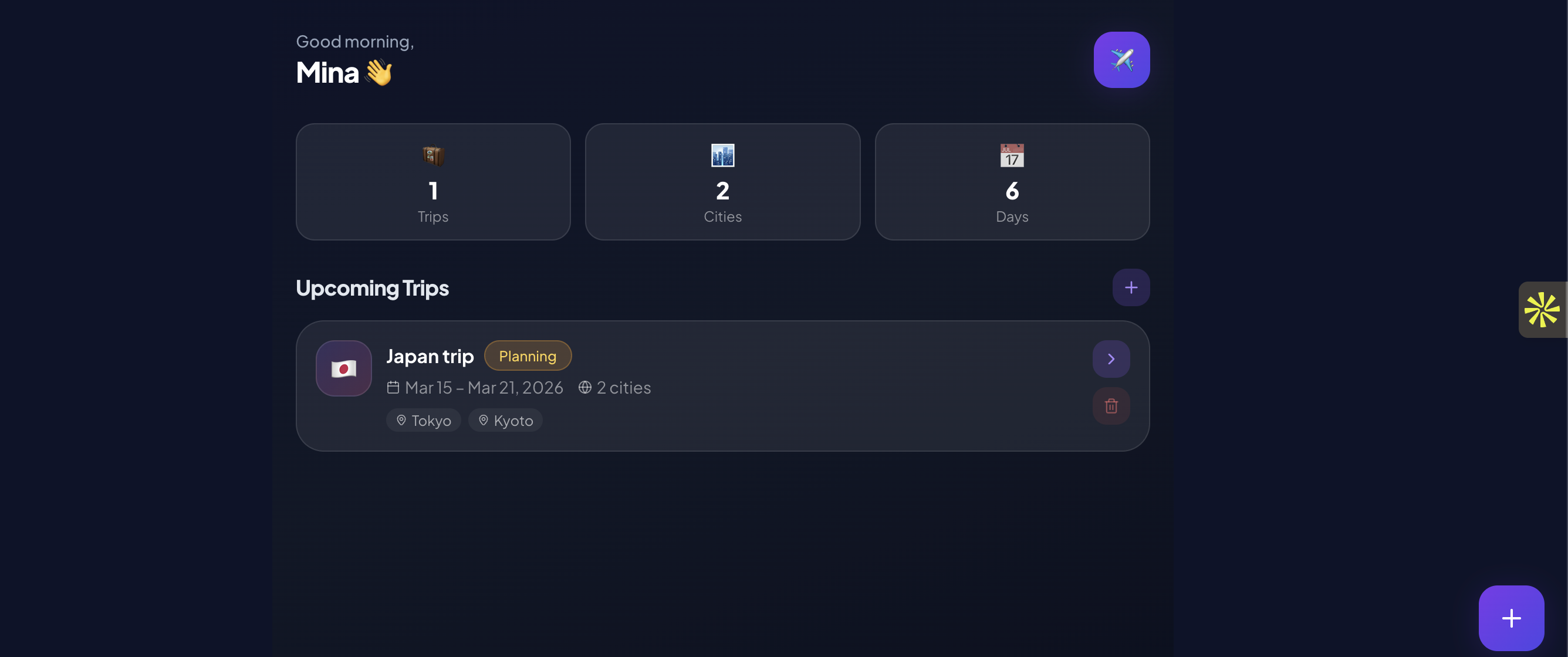
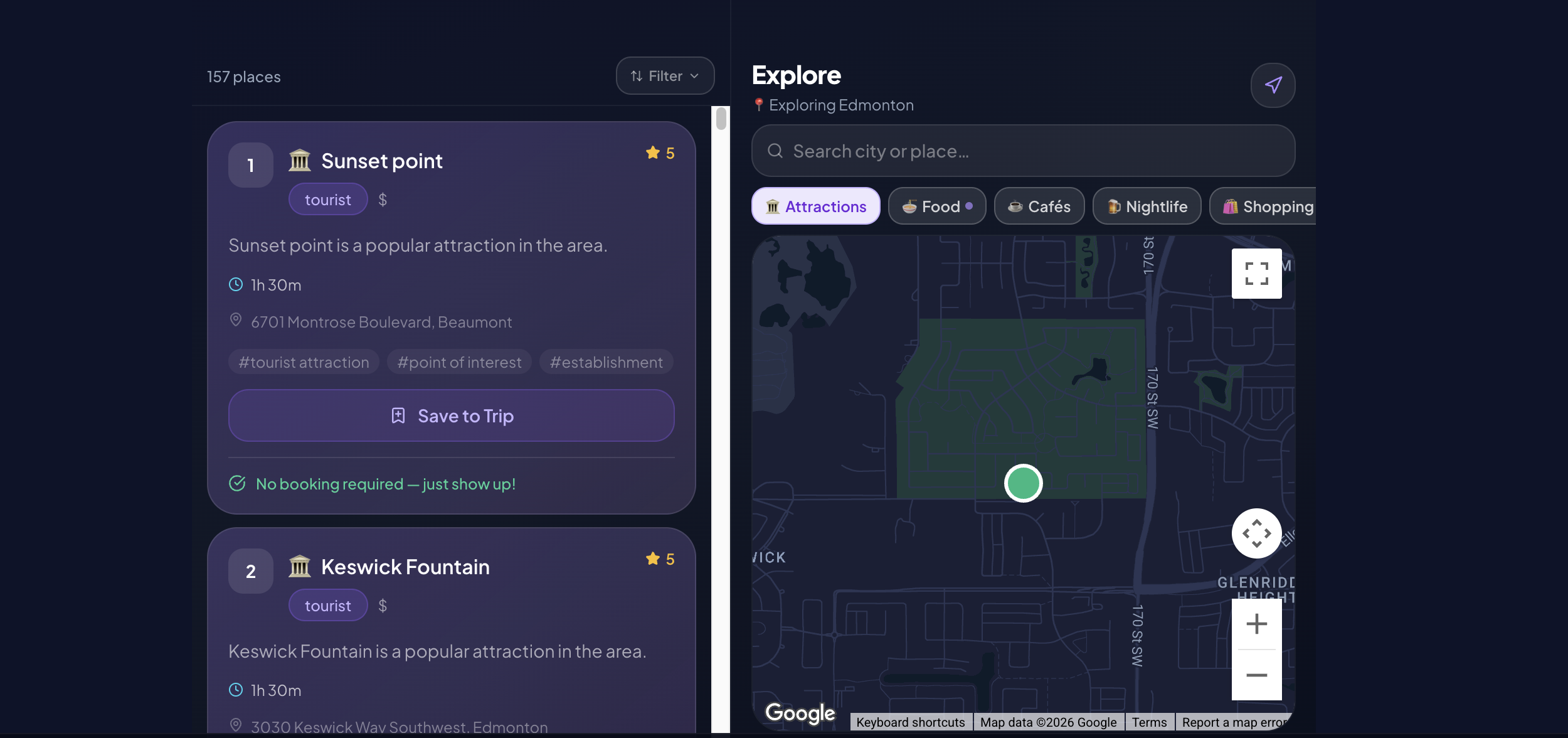
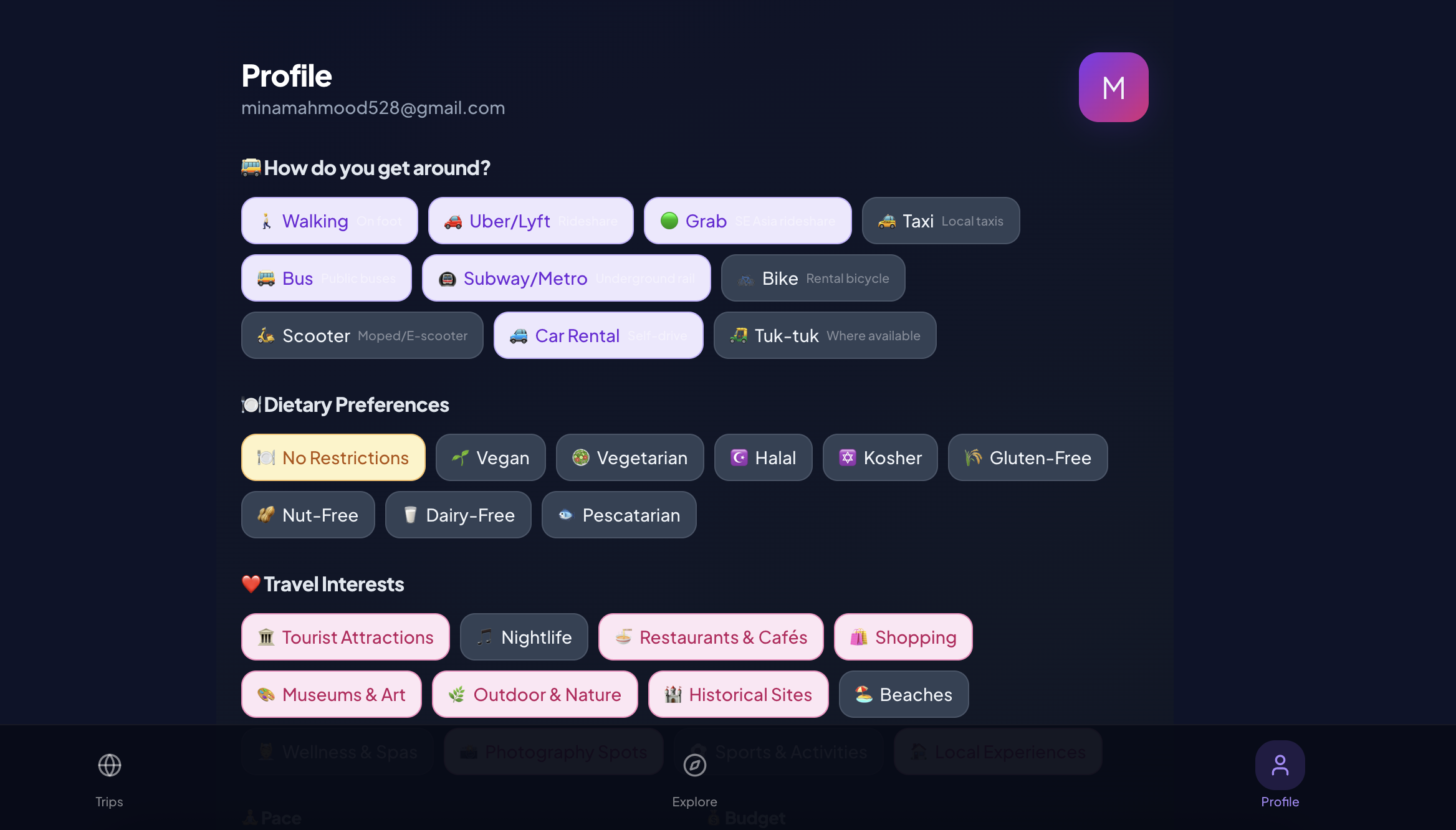
TripOptimizer is a personalized travel architect. Users input their destination, trip duration, and specific constraints—like diet, budget, commute, etc., and the platform generates an itinerary for them accordingly.
How we built it
The project was engineered using Claude Code, leveraging its ability to reason through complex file structures and state management.
Challenges we ran into
Context Windows: Managing large codebase updates without losing the "thread" of previous logic. Often tough to work with claude code as it kept generating itineraries for different days that included same locations, it would take numerous prompting to get it to work as intended.
Accomplishments that we're proud of
Zero-to-One: Building a functional, web application almost exclusively through claude code.
What we learned
The Power of Iterative Prompting: We learned that being a "Code Pilot" requires more than just asking for features; it requires understanding how to architect a system so the AI can help you debug it.
What's next for Trip Itinerary Builder
Live Map Integration: Real-time navigation links for each itinerary stop. Fixing the platform so that it can give me different locations for each location.

Log in or sign up for Devpost to join the conversation.