-
-
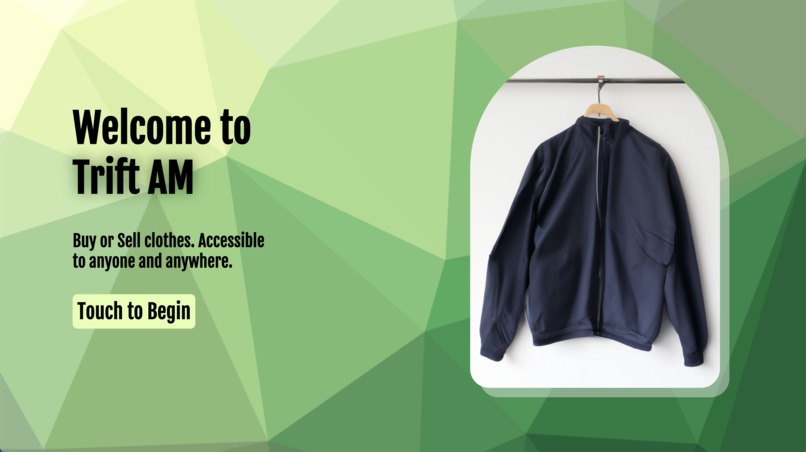
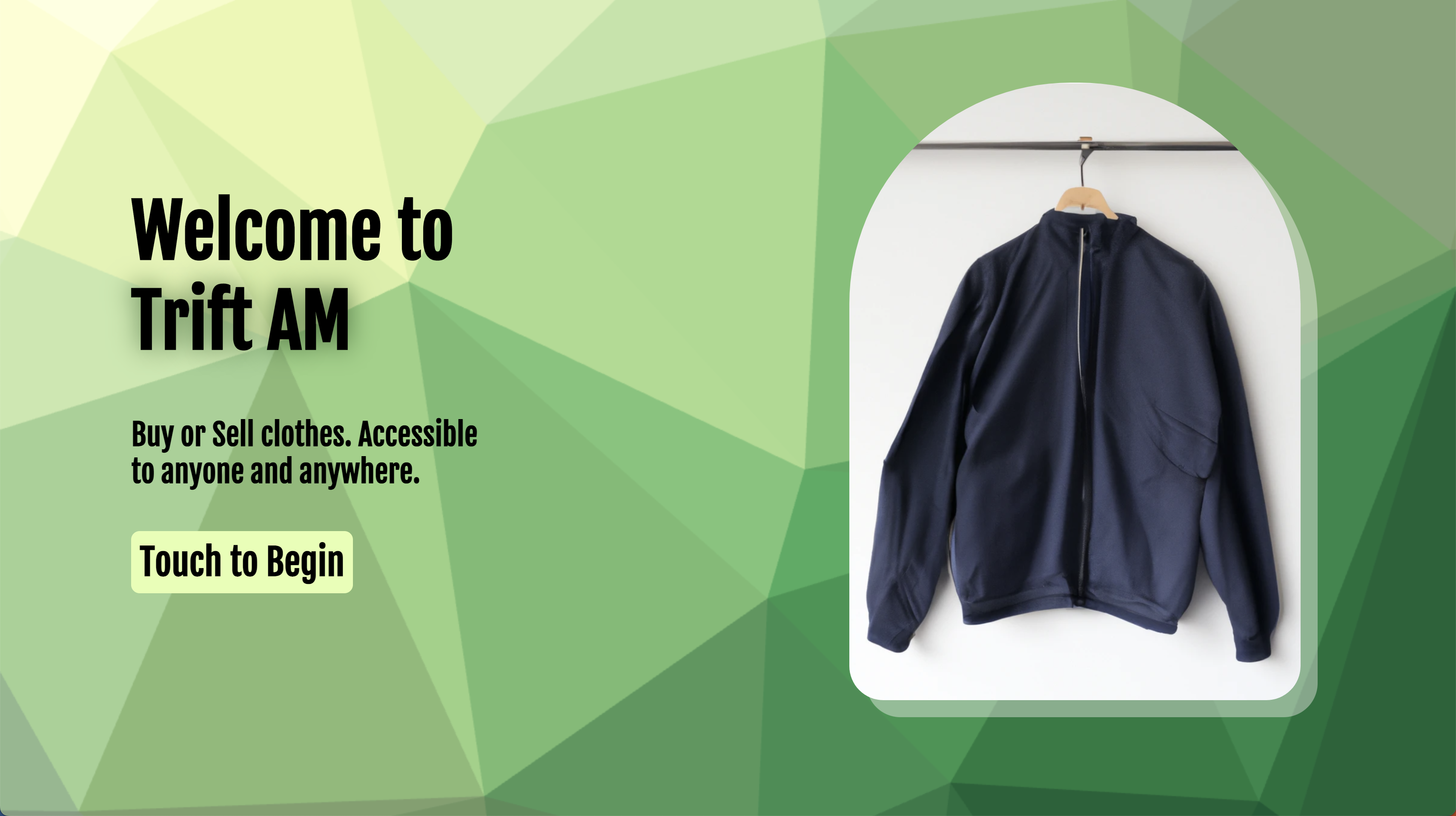
Main Page
-
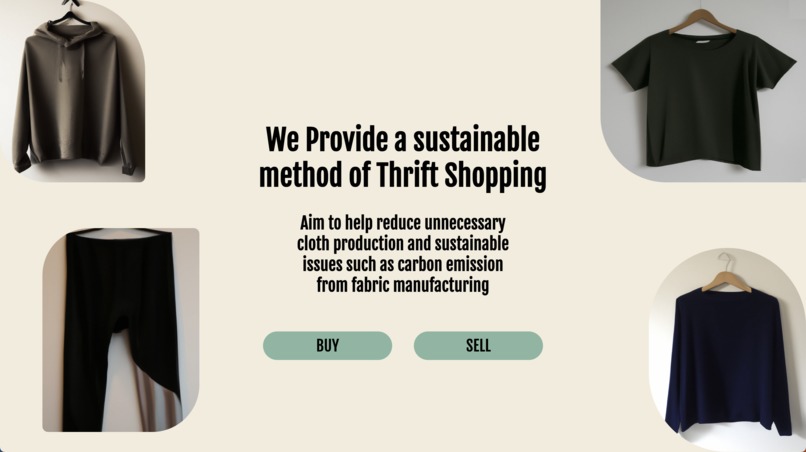
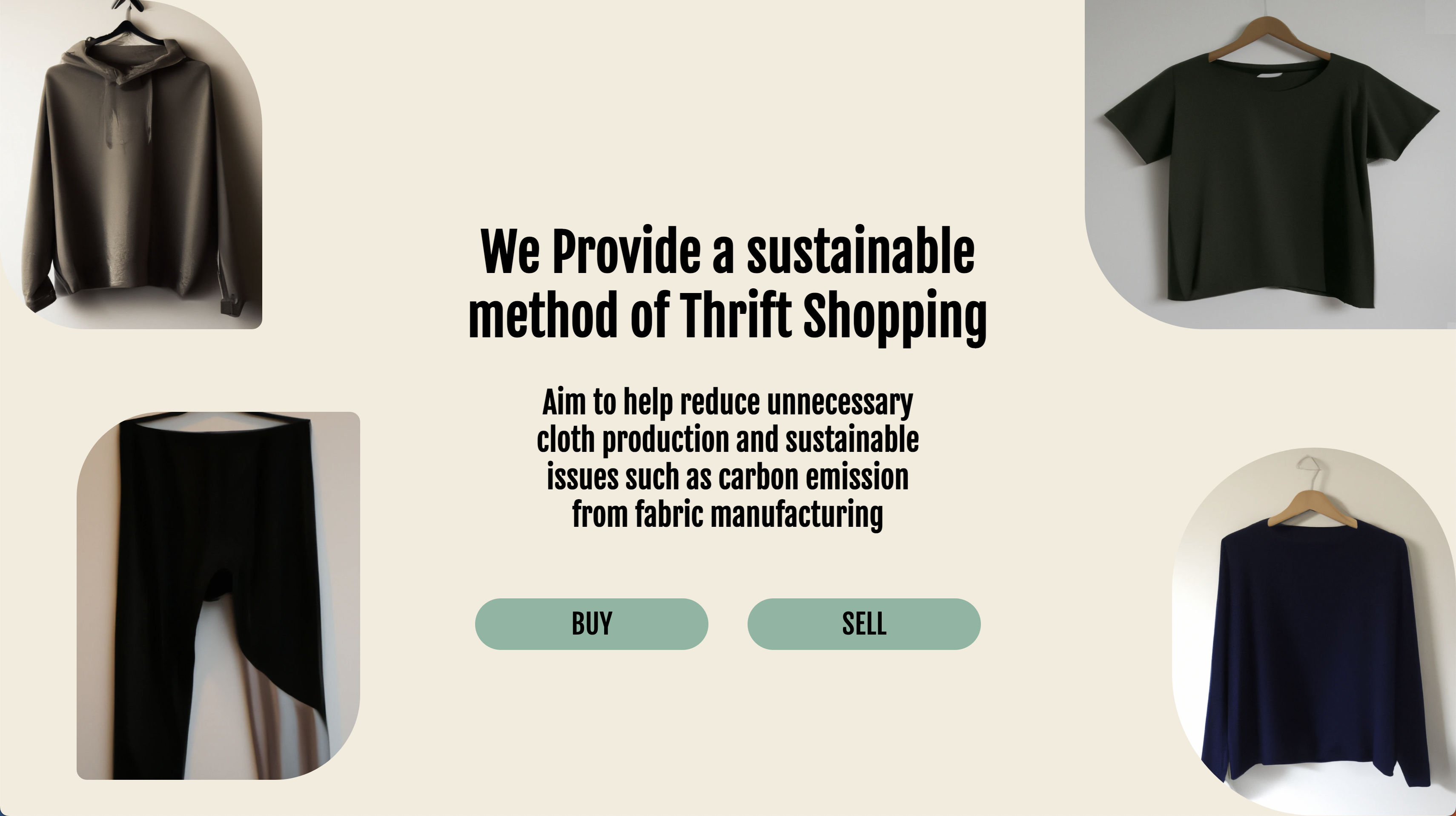
Home Page
-
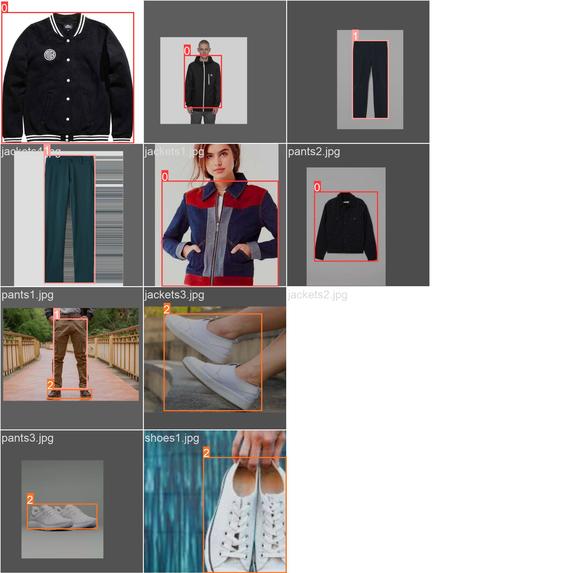
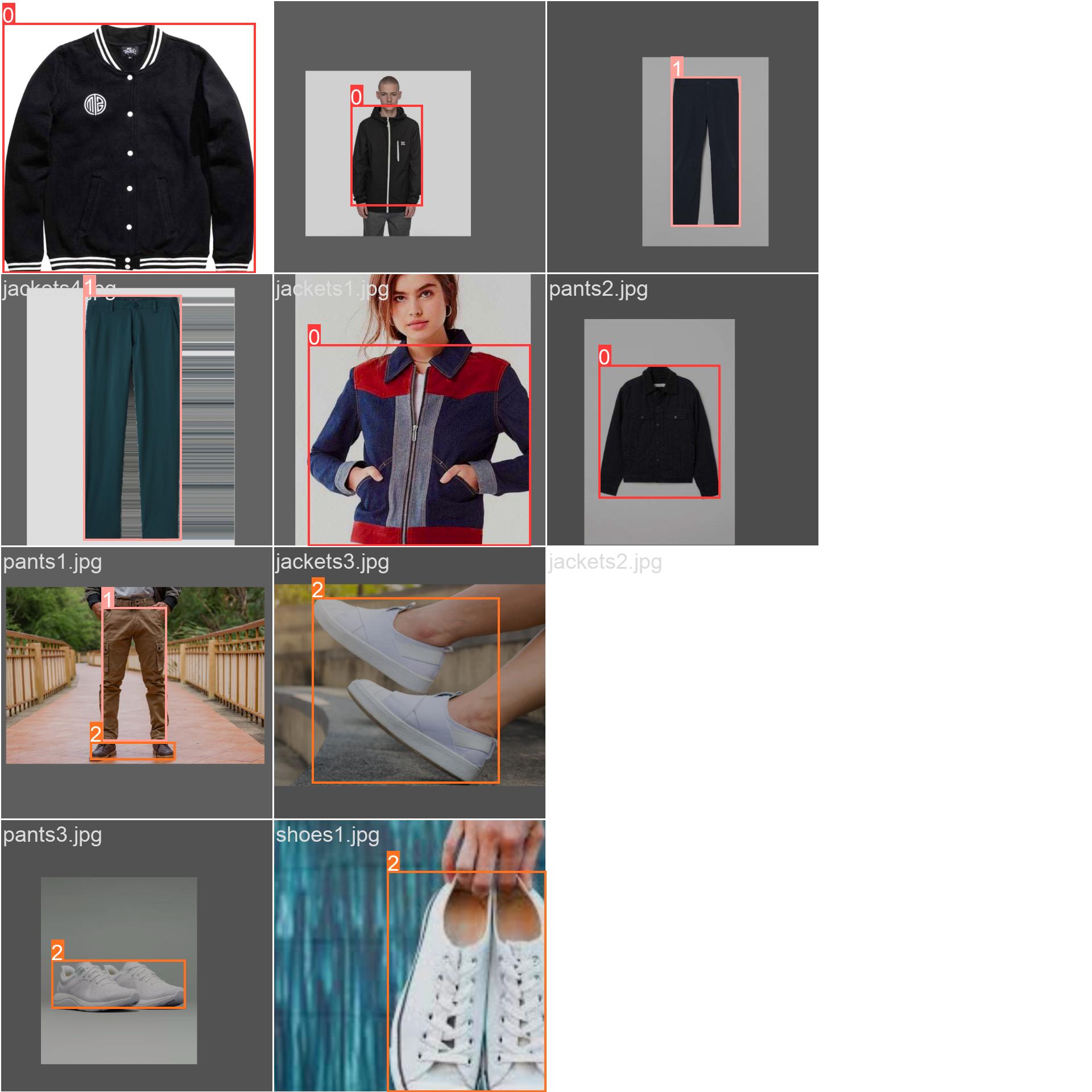
Train Batch
-
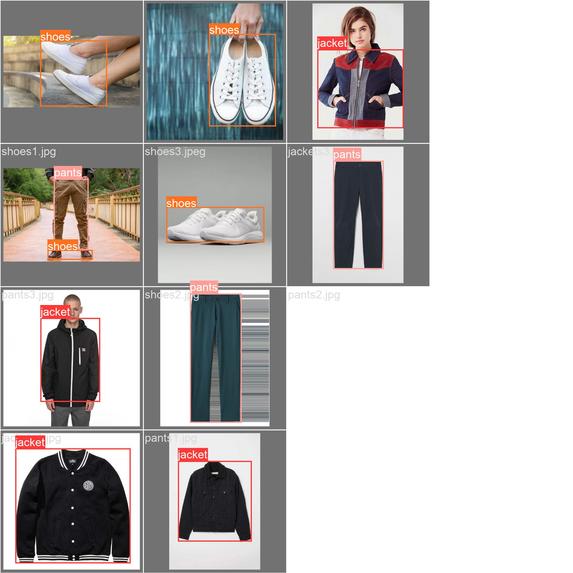
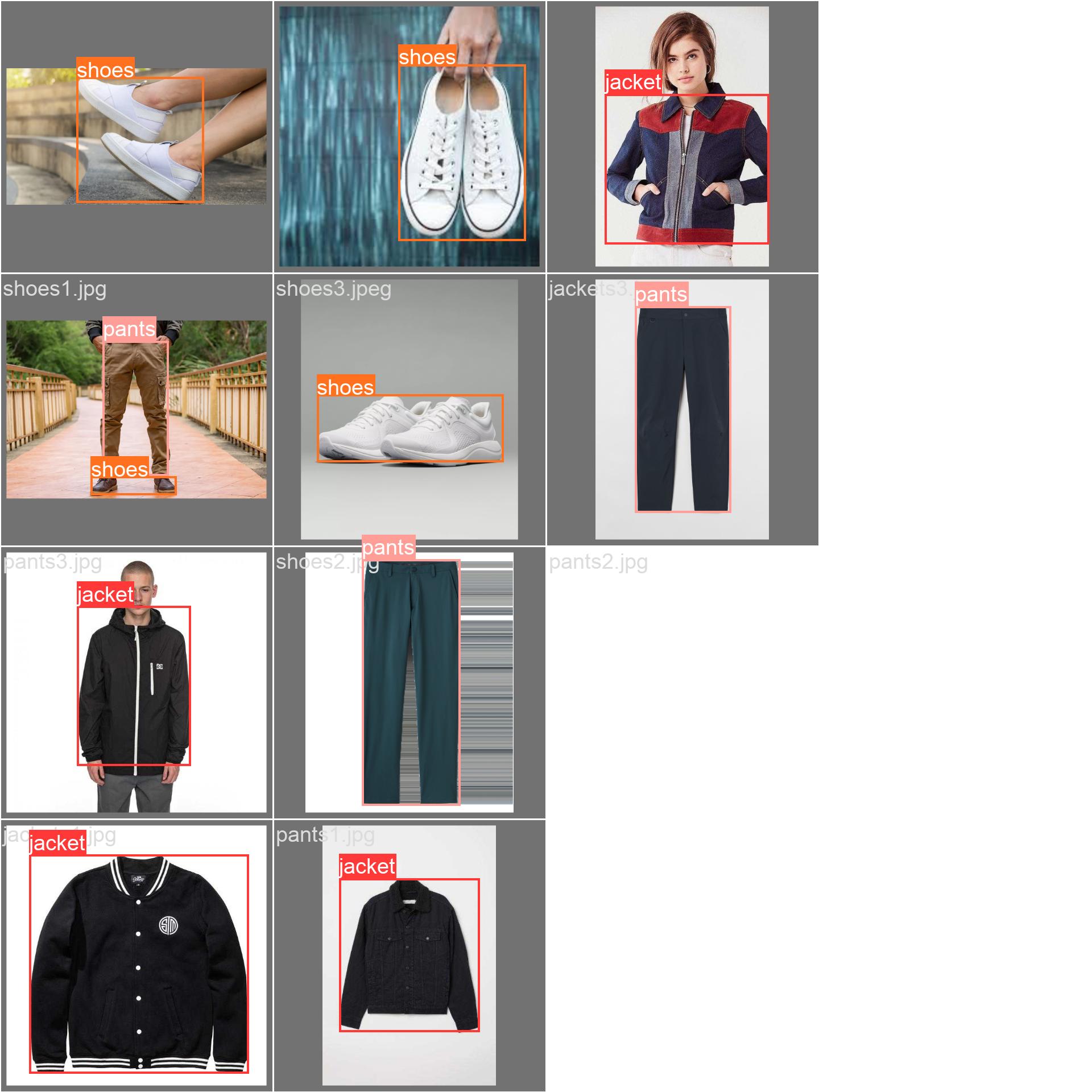
Validation Labels
-
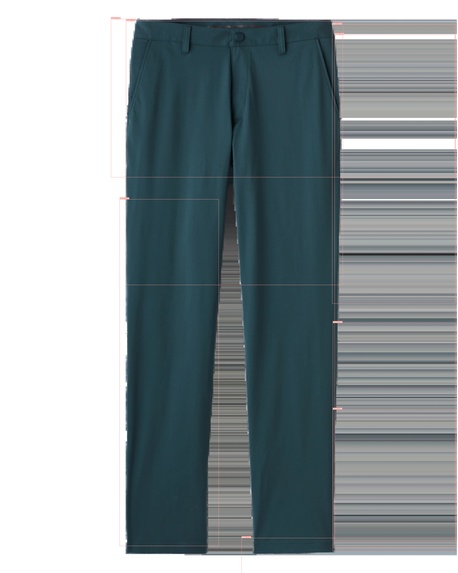
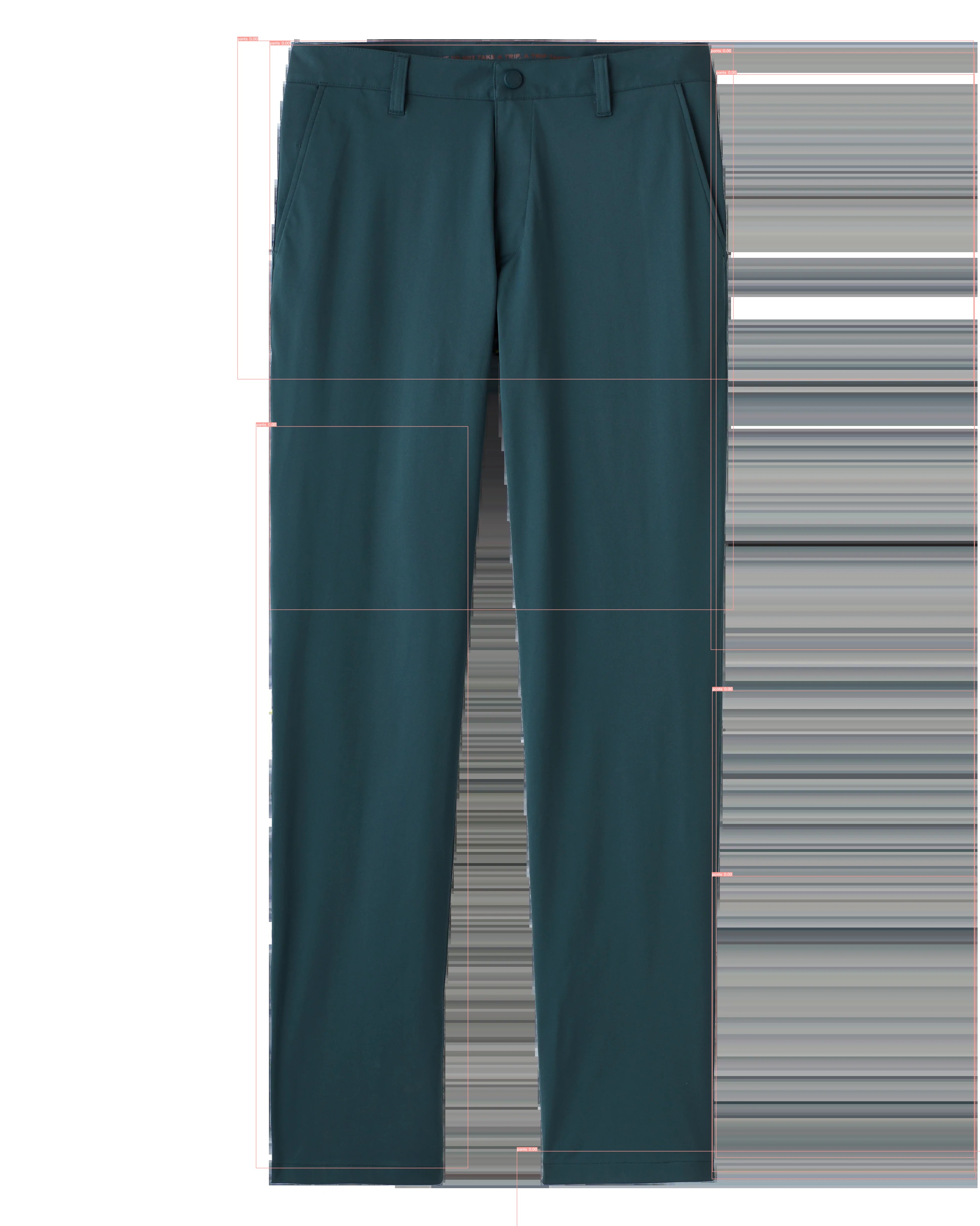
AI/ML Labeled Pants
-
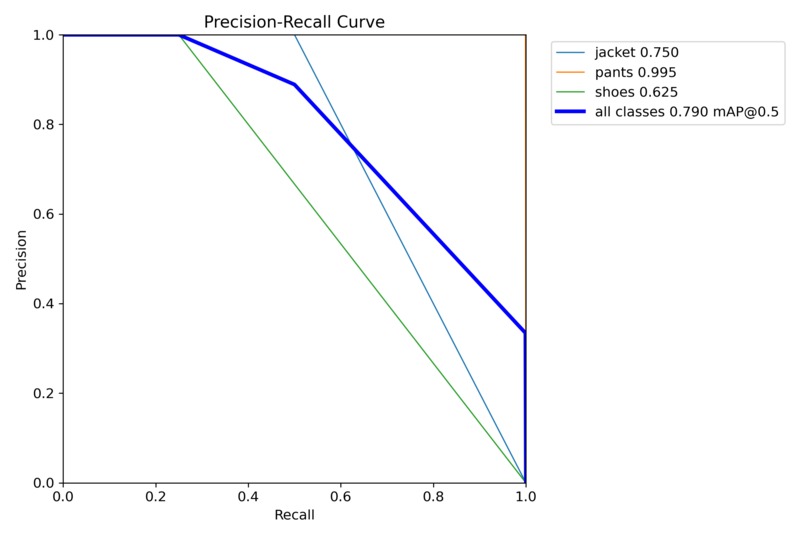
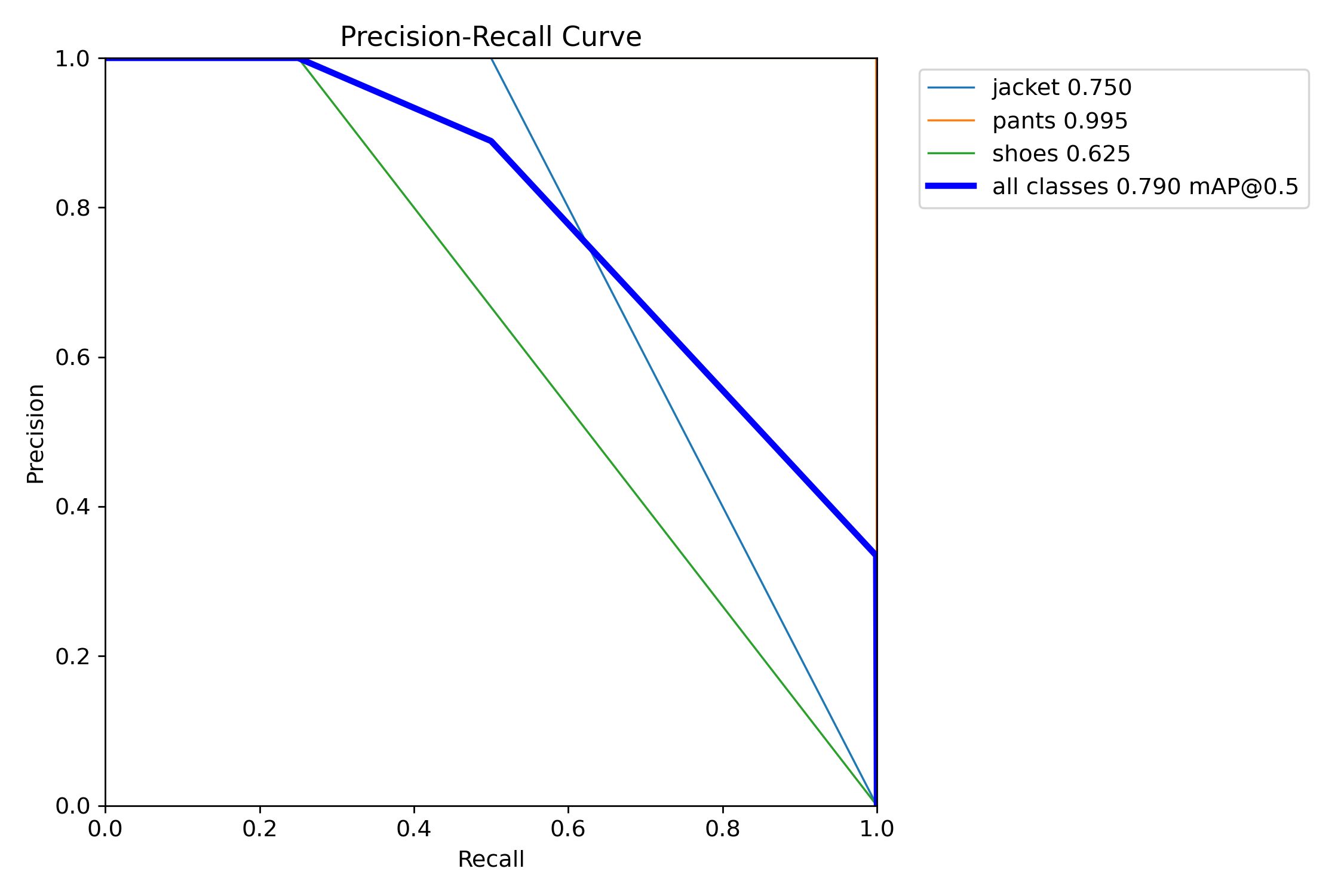
Precision-Recall Curve
-
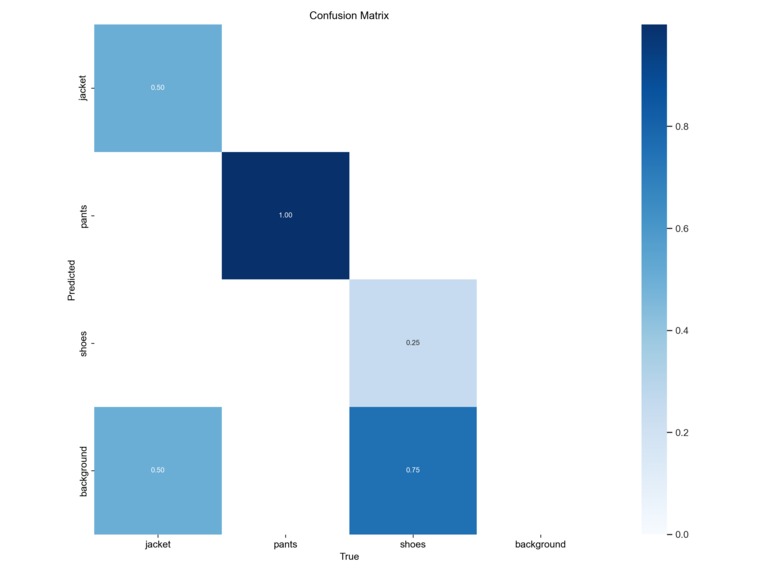
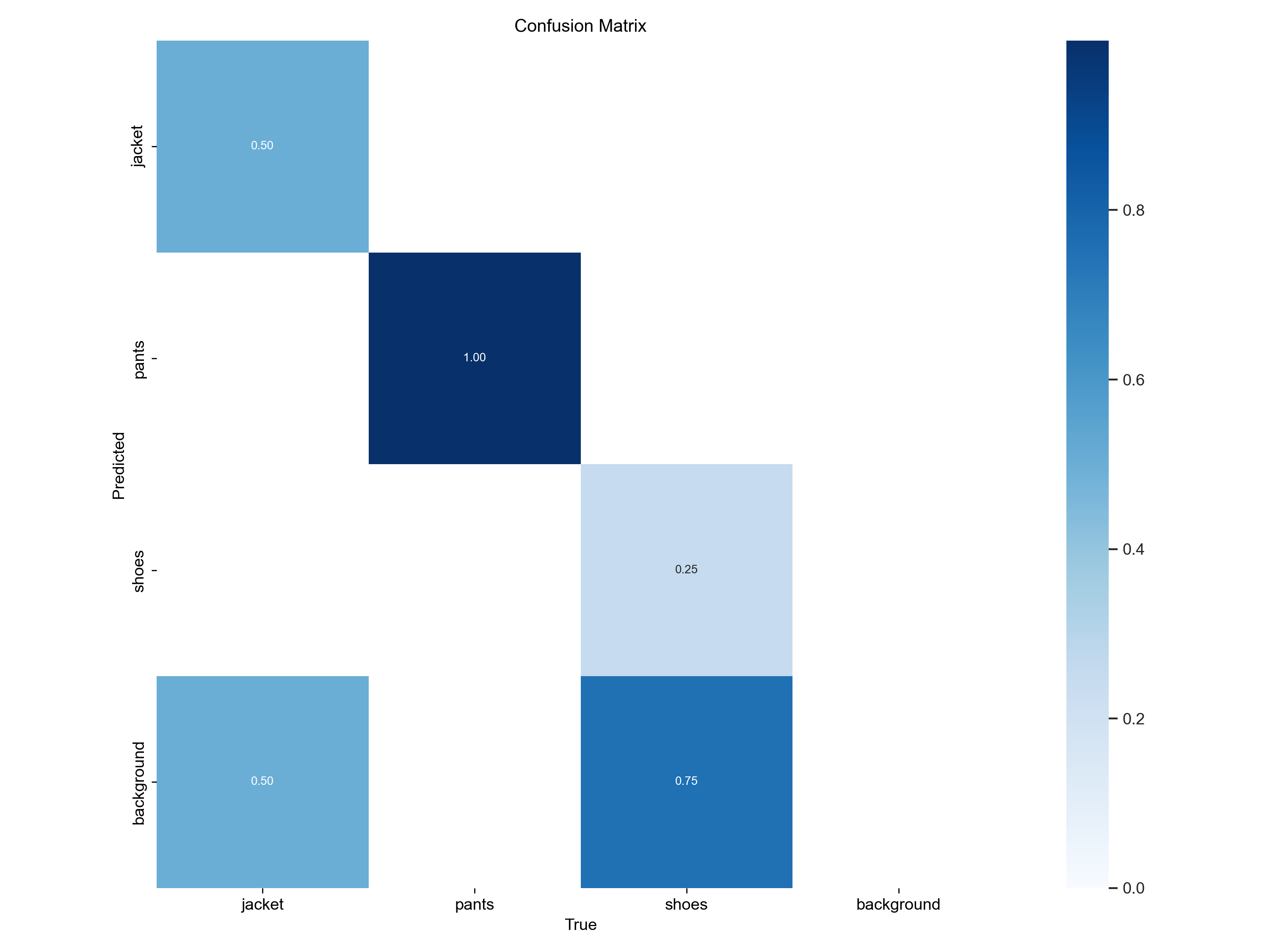
Confusion Matrix
Inspiration
A tenth of the world’s carbon emissions. Disruption in a 1.5 Trillion Dollar industry. Trift Automated Machines is an autonomous thrift store that leverages computer vision and machine learning to create a user-empowering, localized way to scale sustainable secondhand fashion!
The fashion industry’s large impact on the environment inspired us to key in on the current thrifting trend and develop an innovative solution. The fashion industry leads almost all industries in total water consumption. Online secondhand sites mask themselves as a solution, only to be burdened by high prices and hidden fees, shipping emissions, and no way to try on or return the product. In-person thrift stores offer little if any incentive to divert clothing from the dump and lose quality merchandise because of the unlikelihood of creating revenue. We as a Thrift ATM are fully automated and will not waste any material no matter the potential to generate revenue. We felt inspired to find a way to please the user and create a more sustainable future.
After a closer look at the thrift industry, we learned that the resale market is projected to double in the next 5 years, reaching $77 billion and making thrifting one of the fastest growing consumer behaviors according to an article by Forbes. In addition, according to a 2022 Resale Report conducted by thredUp, resale in the U.S. is expected to grow 16 times faster than the broader retail clothing sector by 2026, making TriftAM the future thrifting method.
What it does
Our project will work as the user facing software running an automated thrift store. Our vision is to become the dominant clothing partner for our users not in simply just acquiring new clothes, but also in the clothing disposal process. We offer cash for clothing via a proprietary computer vision and machine learning process that will appraise based on item type. This monetary incentive will discourage any textile waste and keep us in stock. Using unsellable items as a material, the small and mobile store helps us reduce unnecessary cloth production, while also reaching big markets such as colleges, large corporate campuses, and malls.
How we built it
We built it using the Python webframe framework Django; front-end was built mainly with html, css, javascript; backend is running with Django; and the database is connected to the MYSQL database. The machine learning piece was written by David in Python and utilizes a library called YOLOv8. The Front-End was built and tested by Shane, and Ben broke it up piecemeal and implemented it with the Django framework. Ben and Shane worked to program the SQL database so it directly interfaces with the application. David worked to build the proprietary machine learning appraisal software.
Challenges we ran into
We struggled with Django and making sure static files are kept separately in the static folder. There was definitely a learning curve to learn a new framework, but we managed to get it working. We ran into numerous amounts of bugs; however, we encouraged each other and stayed positive through it all.
We also struggled with getting our progress on the same pages. Individuals worked on different parts of the project, then tried to combine the progress towards the end, which caused some struggle as there were issues with some of our laptops and software not working smoothly. However, we did our best to work under limited circumstances like this, doing the most productive work during the time where we were waiting to use another's laptop to test out a feature. We used these challenges as an opportunity to learn and grow together.
Accomplishments that we're proud of
We are proud of making the project fully autonomous. We are able to automatically scan clothes, detect the category, and set a price on the item. The database is automatically updated with every buy and sell operation. With the location of where we are going to put the machines, there are no worries of running out of stock. The amount of people the Machines will benefit with reducing unnecessary cloth production, traveling via vehicles to stores, and many other small sustainability issues are only achievable with a portable and powerful autonomous machine.
What we learned
We learned how to use the Django web framework to ensure compatibility with David’s machine learning and computer vision appraisal software using YOLOv8 and Shane’s front end expertise in HTML, CSS, and JavaScript. Ben focused on building a functional backend with MySQL in addition to working with Django. We learned a lot about sustainability, not only from just engaging with the problem of fashion, but listening to the wisdom of the speakers and their topics.
What's next for TriftAutomatedMachines
TriftAutomatedMachines firmly believes in two principles: sustainability and community. Our plan is to listen to user feedback and integrate exciting, easy-to-use features for our users. TriftAutomatedMachines hopes to inform others of its customer-first and sustainability-centric business model and educate people to be mindful of the consequences of fast fashion. We aim to actively seek to improve our relationships with our customers and maintain a reputable image within the public.
Built With
- css
- django
- html
- ides-pycharm
- javascript
- mysql
- mysql-server
- python
- visual-studio
- yolov8


Log in or sign up for Devpost to join the conversation.