

Inspiration
I wanted to make a game that feels like touching a mimosa pudica, the plant that quietly folds its leaves at the slightest touch. That gentle, satisfying sensation was the starting point. I also couldn't find many puzzle games that pair calm, minimalist visuals with pure observation. Most casual games rely on flashy effects, loud sounds, and cluttered UI. I wanted the opposite: a quiet screen with nothing but triangles to look at.
What it does
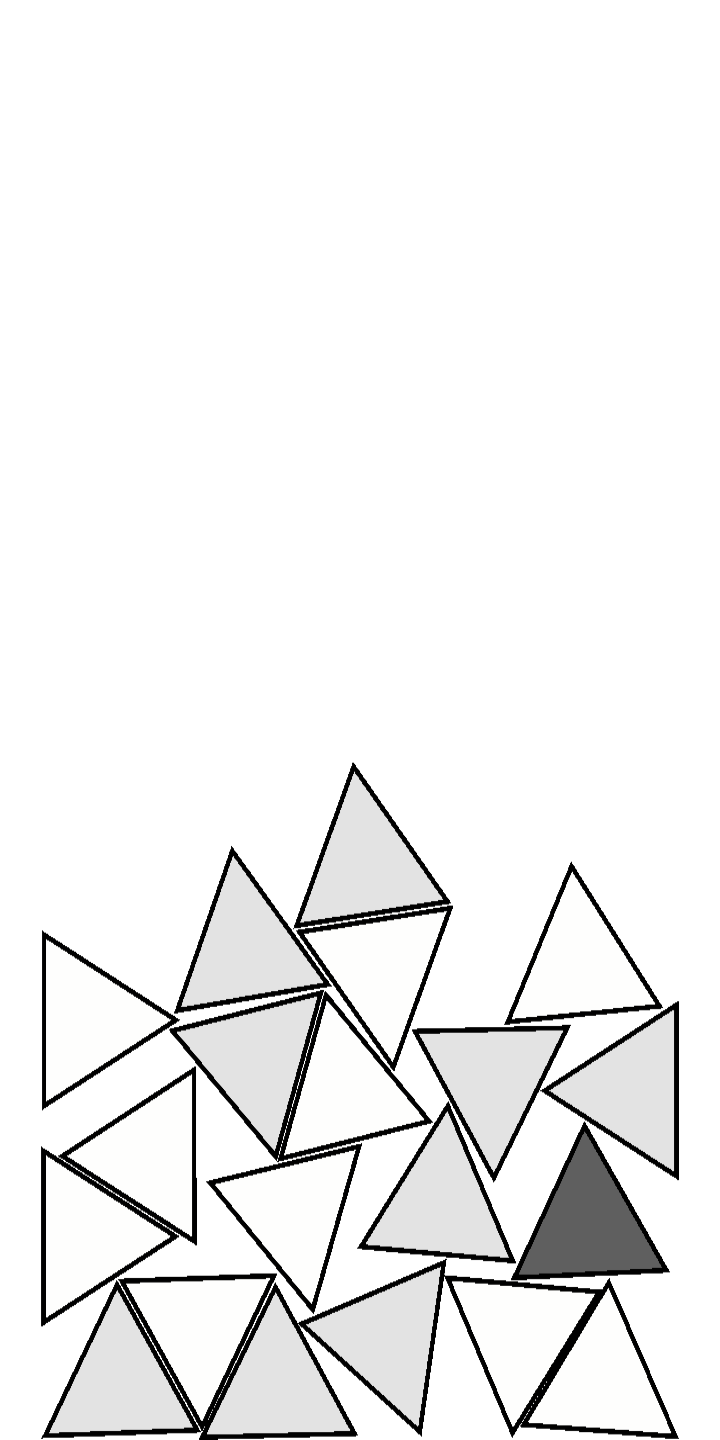
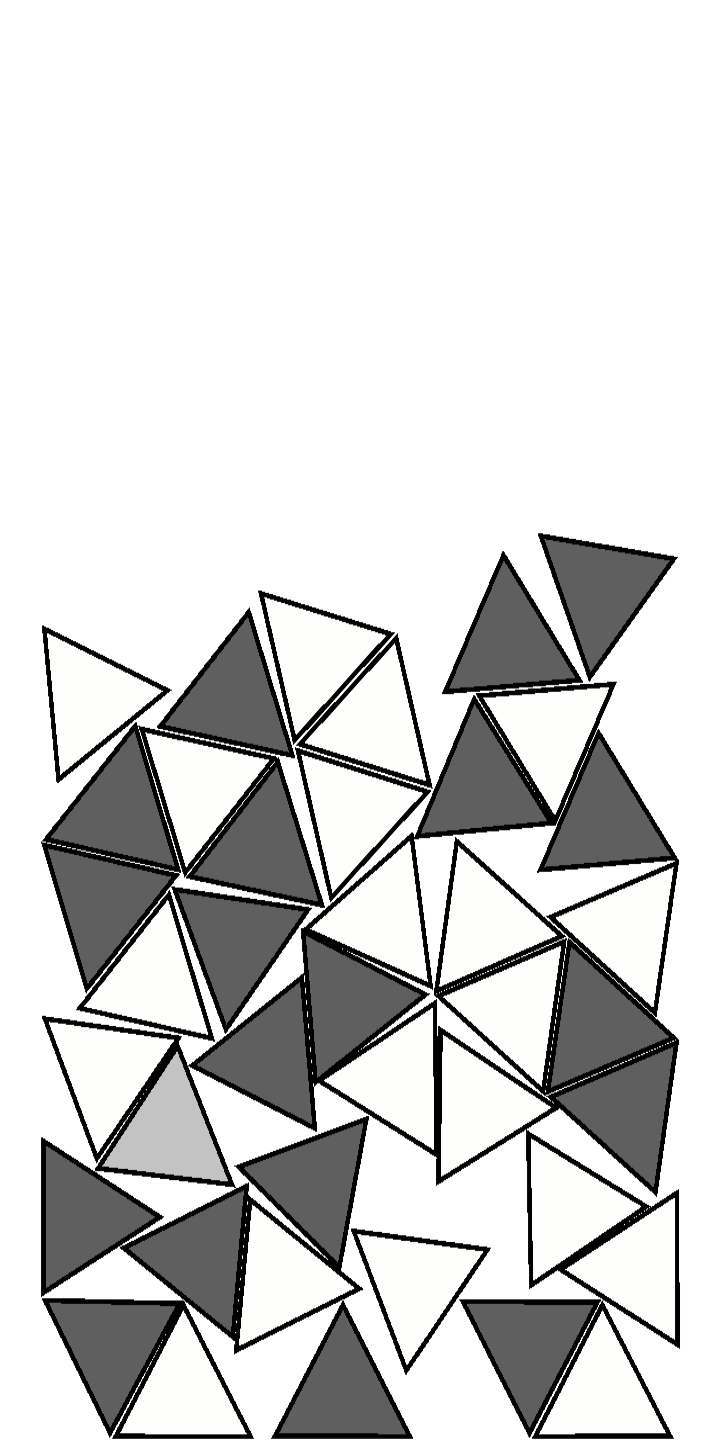
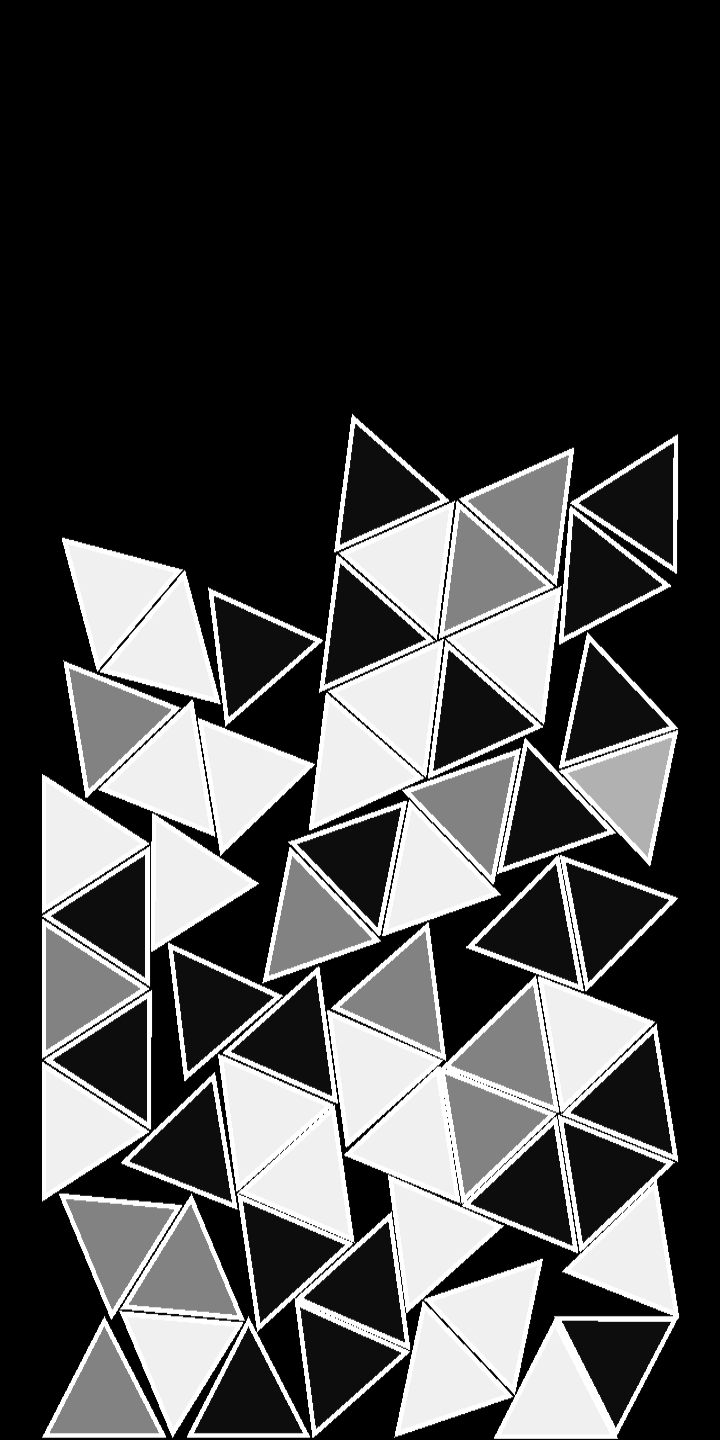
Triangles: Odd One Out is a minimalist brain-training puzzle. Triangles fall from the top of the screen and pile up, and exactly one of them is slightly different from the rest. Find it and tap it to advance; tap the wrong one and it's game over.
- The early levels test color and shade differences. Later levels add pattern differences.
- There are 100 levels. The number of triangles grows and the differences get subtler.
- It uses a black, white, and grayscale palette with no extra controls or instructions.
- The falling and piling animation has a visual-ASMR quality that works even with the sound off.
- Sessions are short, so it's easy to play as a quick brain break while training your eye for detail and your focus.
How we built it
The game is built in Unity. Triangles are simulated with real physics, so they fall, overlap, and settle naturally on screen. The levels are generated from a small set of grayscale tones, and each level adjusts how many triangles appear and how close the odd one's color or pattern is to the others. The UI is stripped down to the essentials to keep the focus on the triangles. The Pro tier (HD to FHD, 30 to 60 FPS, no ads) is handled with RevenueCat subscriptions.
Challenges we ran into
- Difficulty tuning: The odd triangle must be findable but not obvious. Balancing color and pattern differences across 100 levels took a lot of testing.
- Fair randomness: With physics-driven piling, the odd triangle can end up partially hidden or overlapped. We had to make sure every level stays solvable.
- Restraint: Keeping the design calm meant resisting the urge to add effects, sounds, and UI. Deciding what to leave out was harder than deciding what to add.
- Confirming taps: We needed a tap interaction that prevents accidental game-overs without making the game feel heavy.
Accomplishments that we're proud of
- A simple mechanic that anyone can understand instantly, with no tutorial needed.
- The piling animation, which is genuinely relaxing to watch.
- A cohesive grayscale world that stays calm and focused.
- A full 100-level progression built around one idea.
- A quiet game that stands out in a market full of loud ones.
What we learned
- With a single mechanic, small details such as color steps, timing, and the feel of the fall carry the whole experience.
- Constraints, like grayscale only and no flashy UI, make a design clearer instead of limiting it.
- Short-session casual games need levels that ramp up gradually, so players keep feeling "just one more try."
- Calm, sound-independent experiences have real value for players who want a break.
What's next for Triangles: Odd One Out
- New difficulty modes and more types of pattern differences.
- Daily challenges and score or streak tracking.
- Accessibility options such as colorblind-friendly tone sets.
- Short TikTok-style spot-the-difference challenges to help people discover the game and discuss answers in the comments.
- Expanding to more platforms and continuing to polish the feel of every tap.


Log in or sign up for Devpost to join the conversation.