-
-
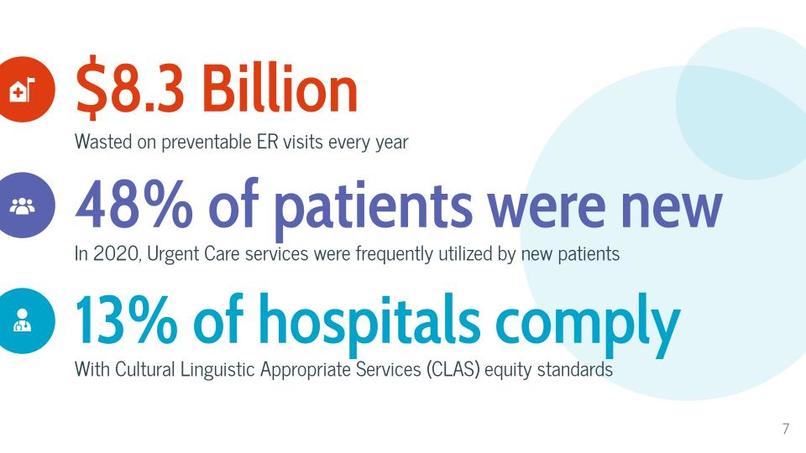
Why we need TriaGO
-
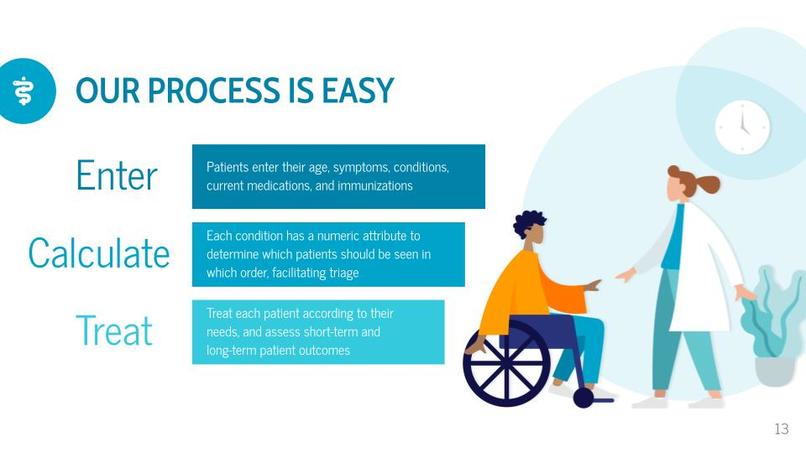
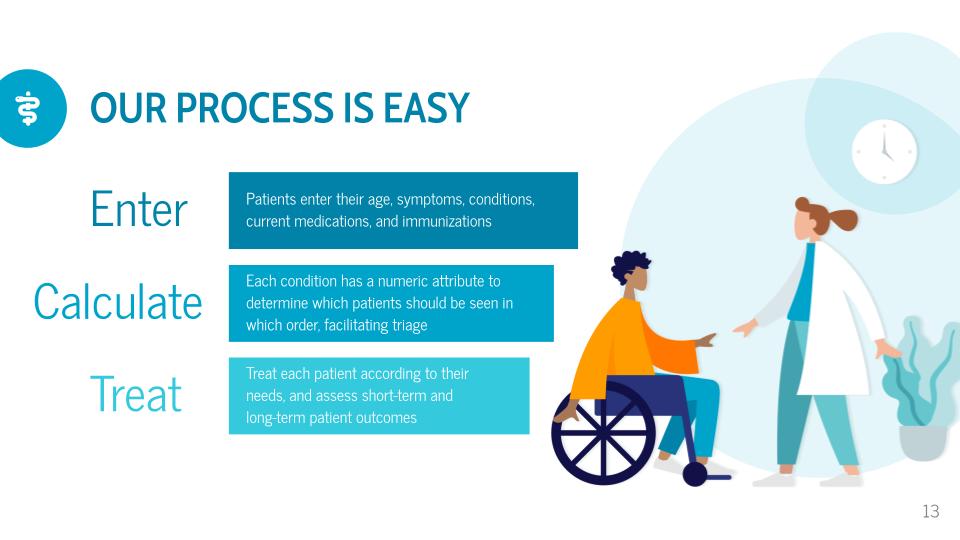
An outline of how TriaGO works
-
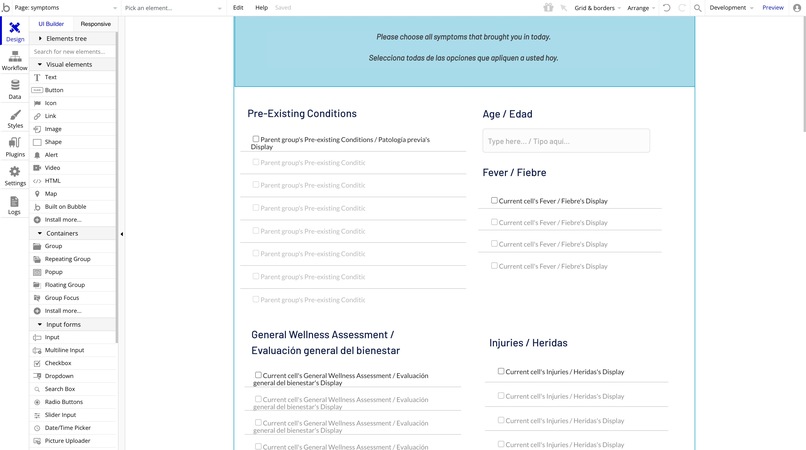
Selection Menu in Bubble.io
-
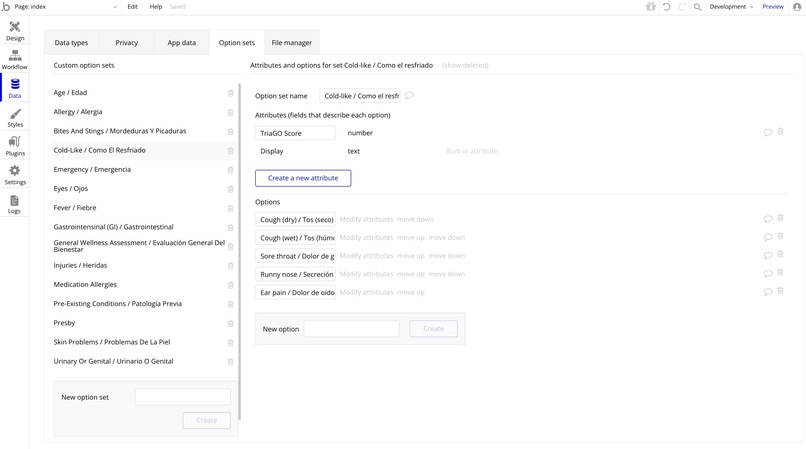
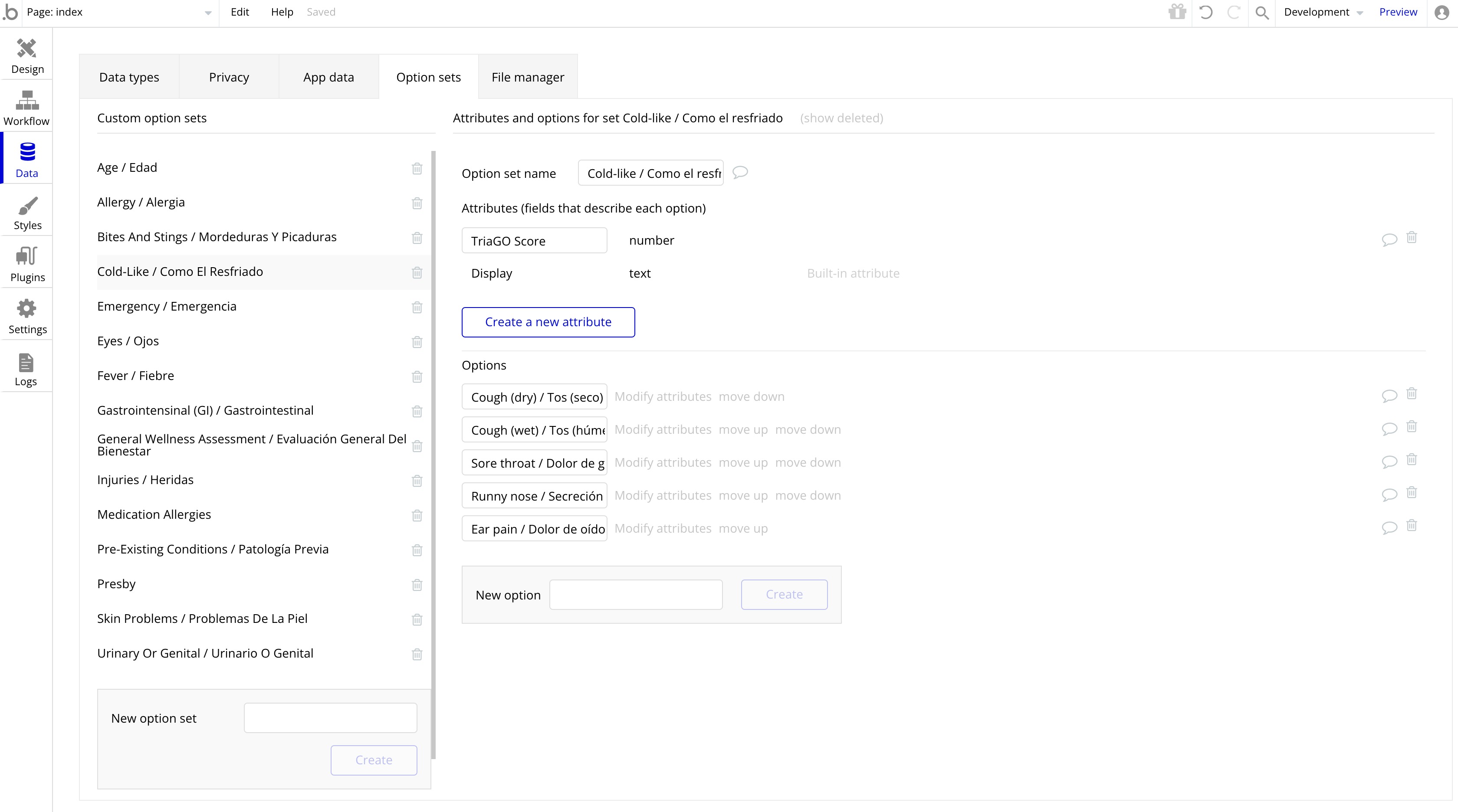
Option Sets/Attribute Values in Bubble.io
-
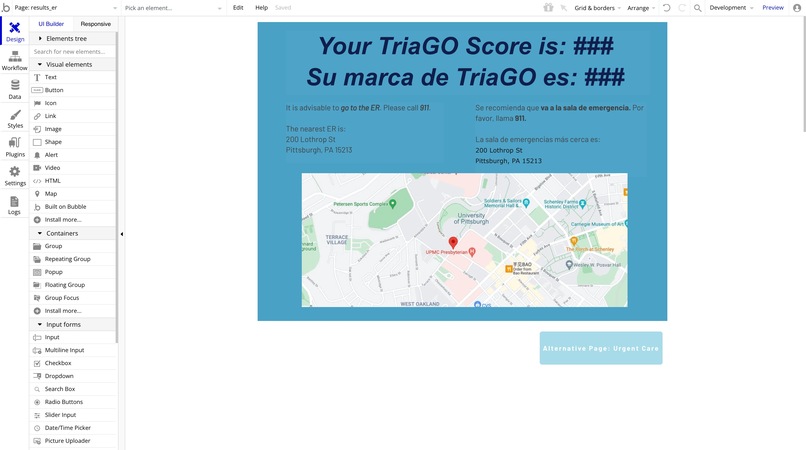
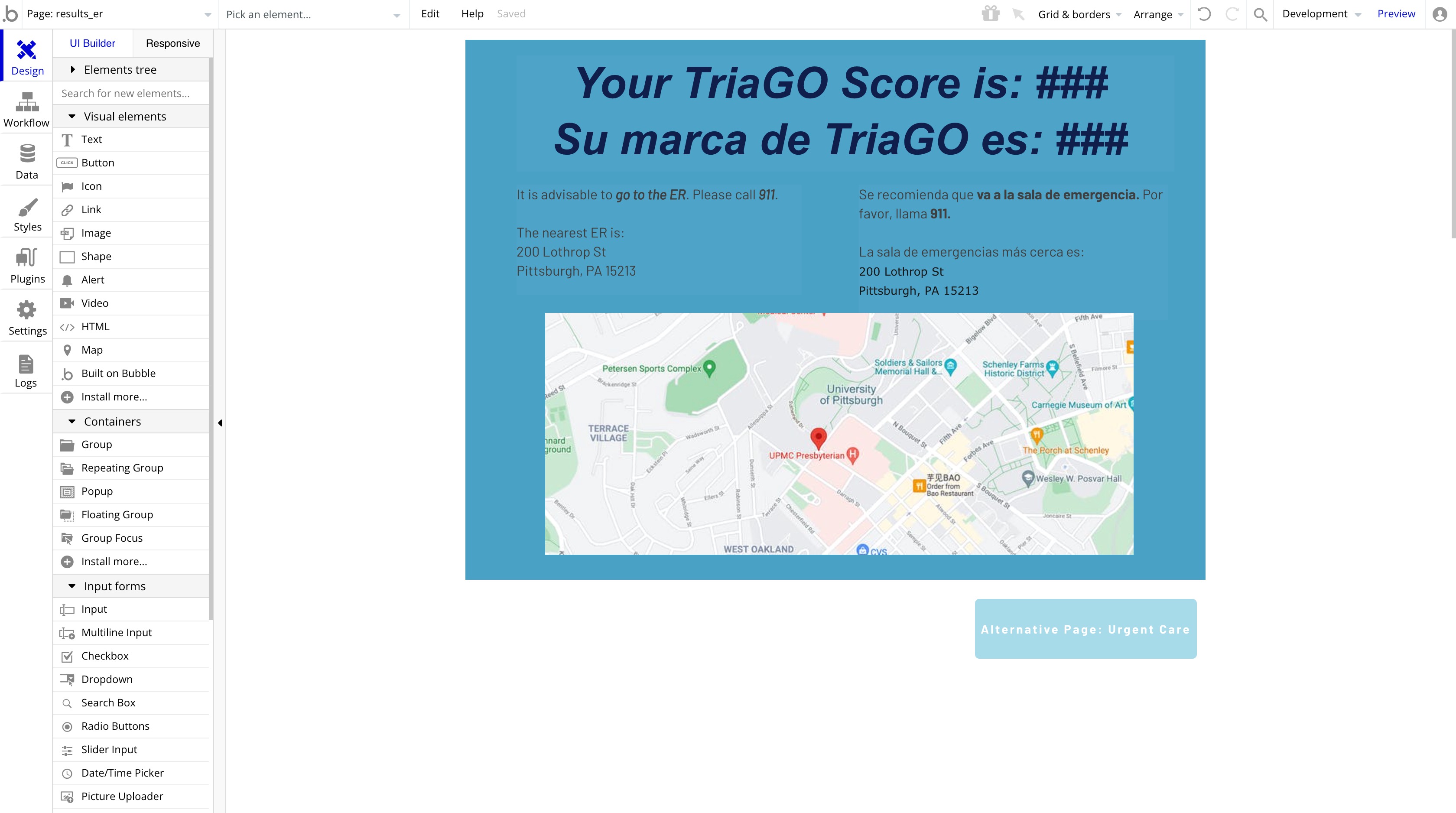
ER Referral Screen in Bubble.io
-
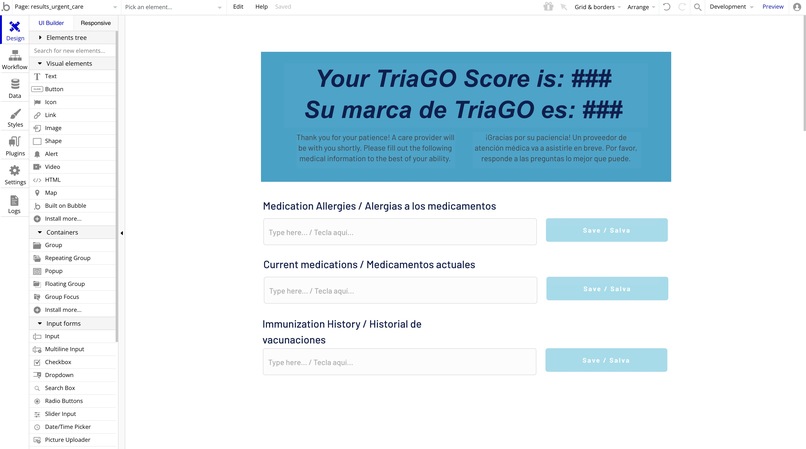
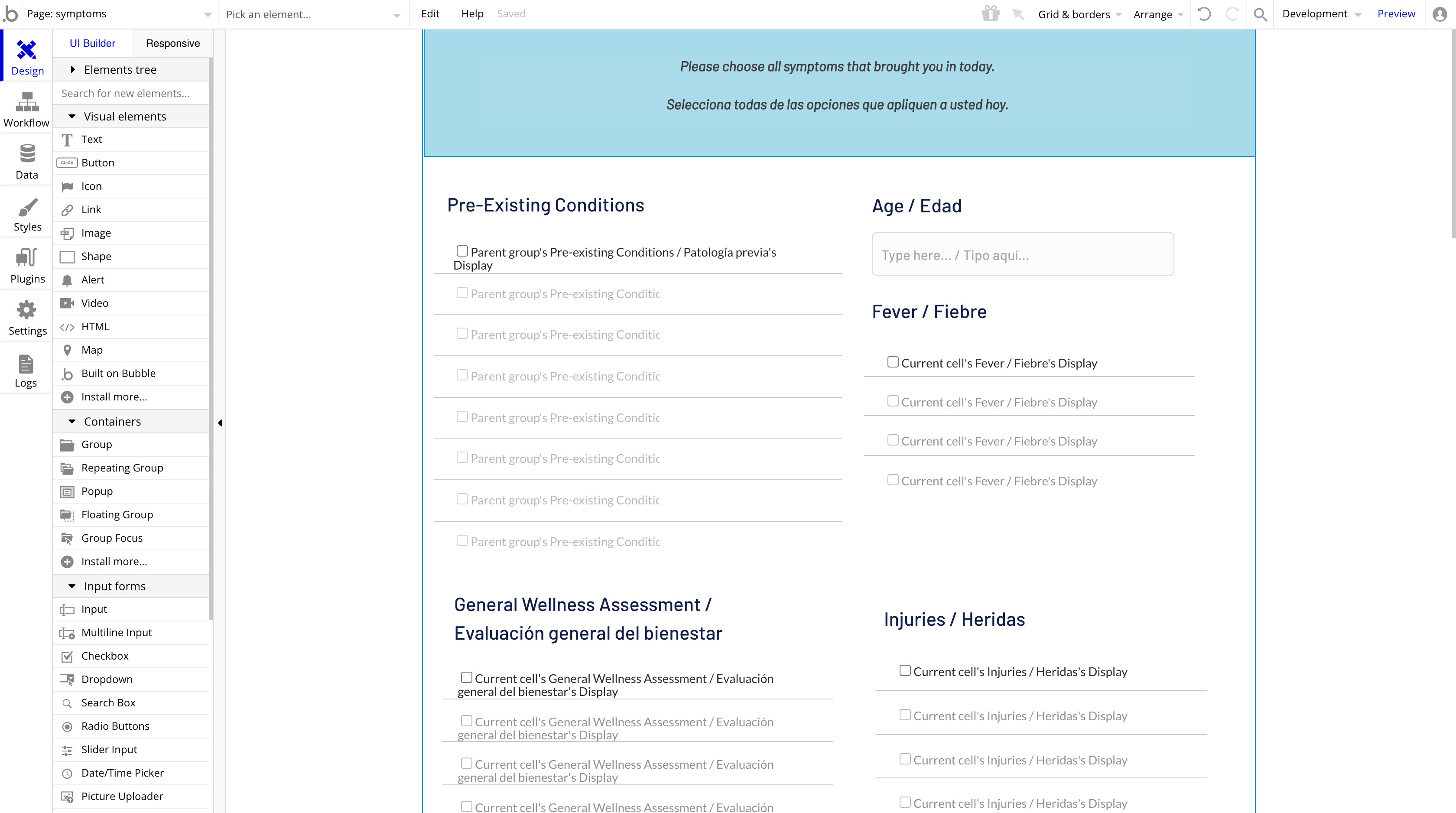
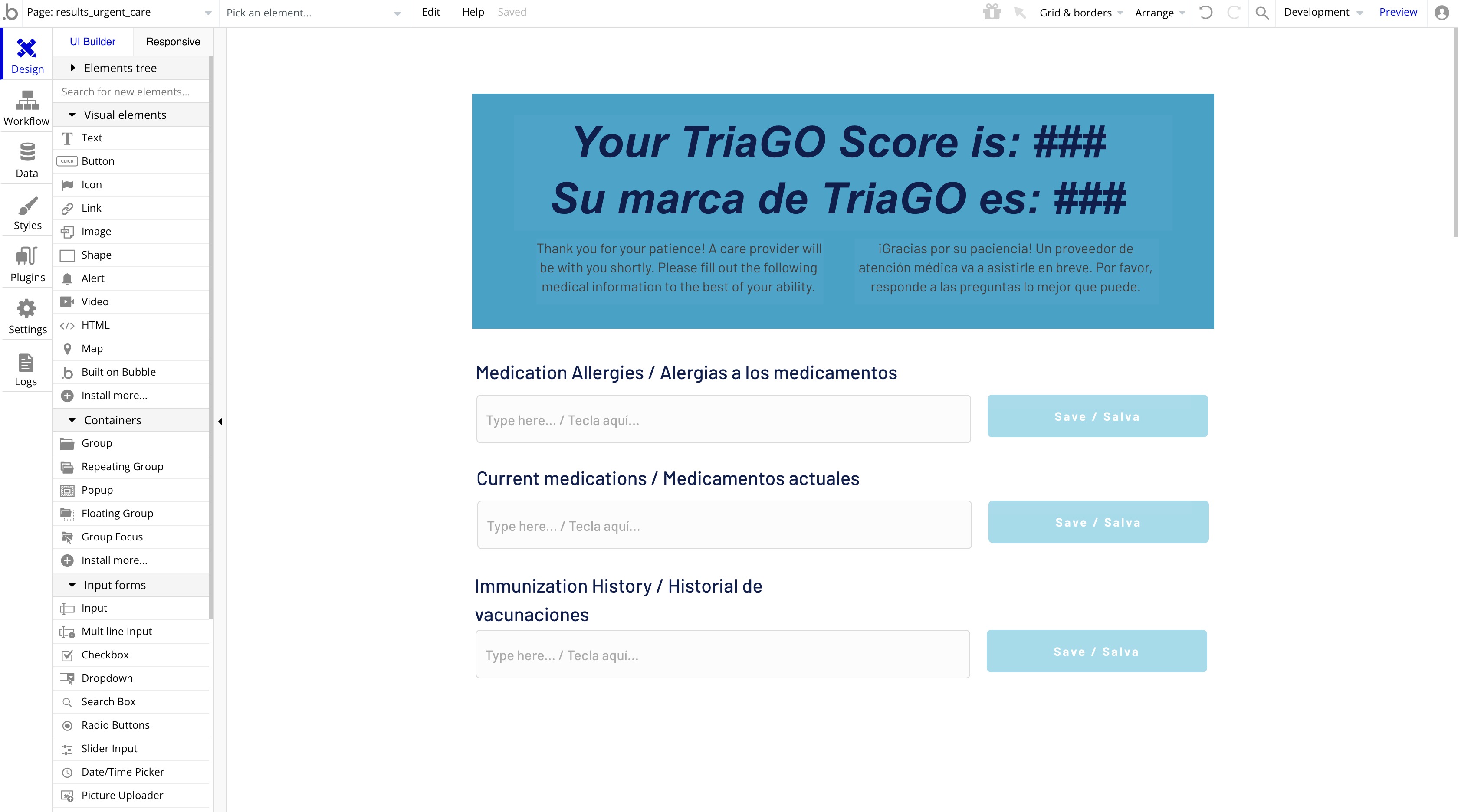
Patient Questionnaire in Bubble.io
-
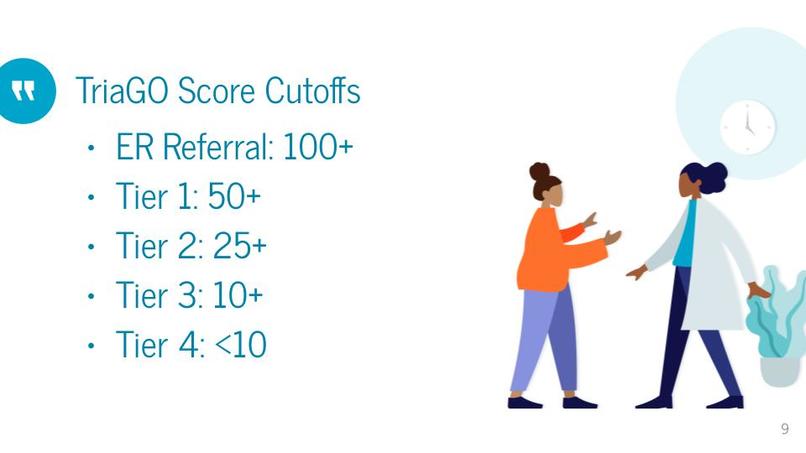
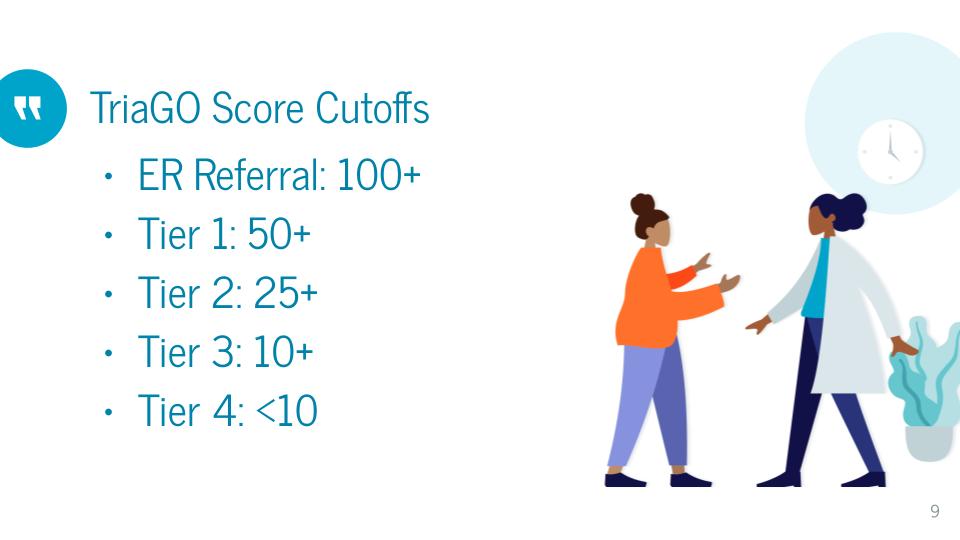
TriaGO score cutoffs
-
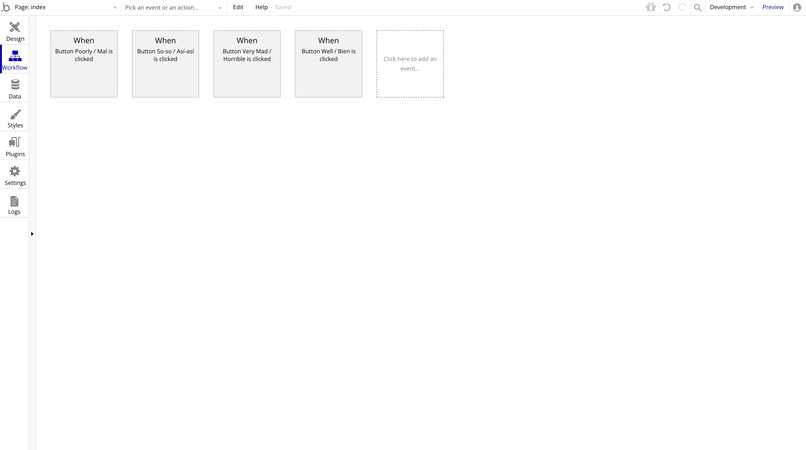
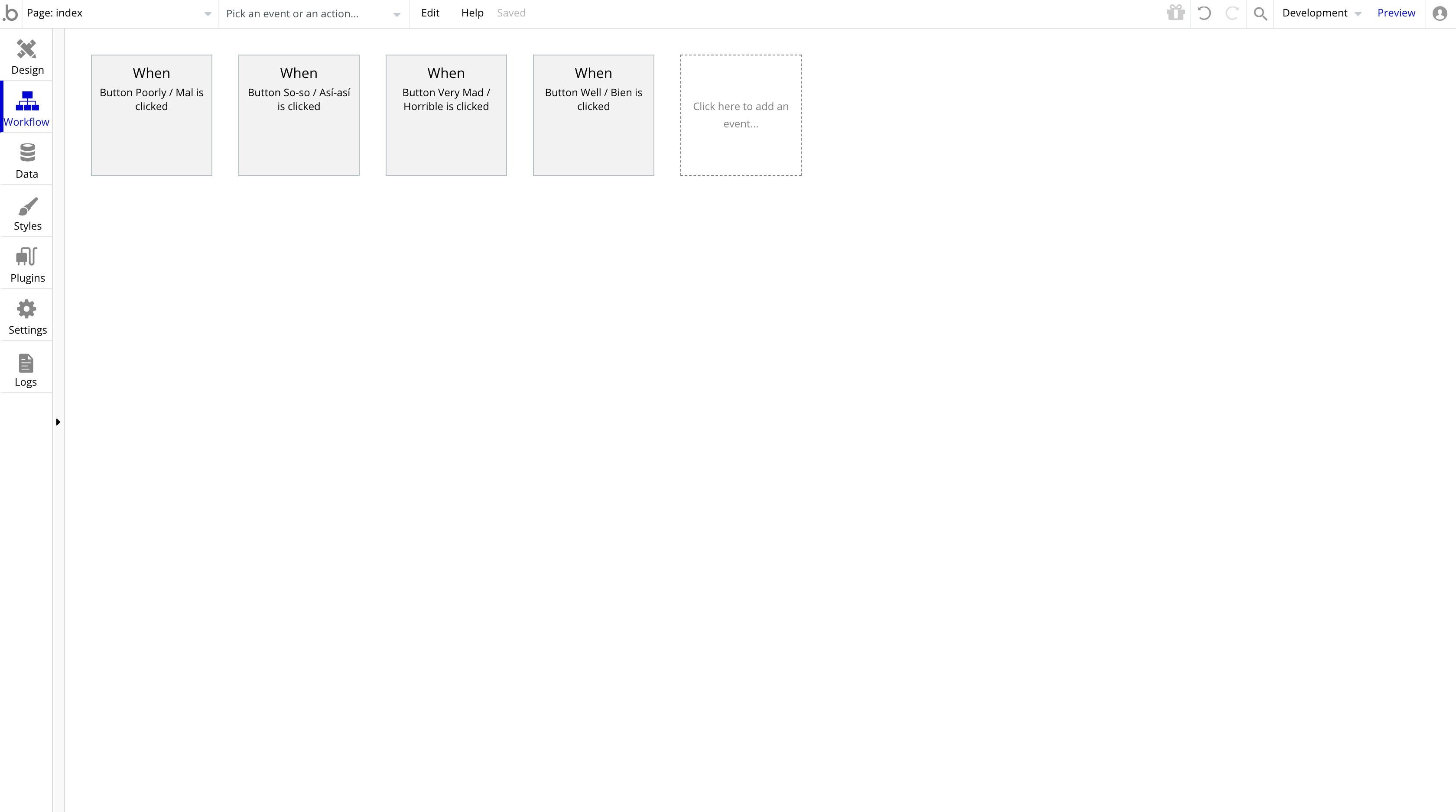
Our Workflow Tree in Bubble.io
-
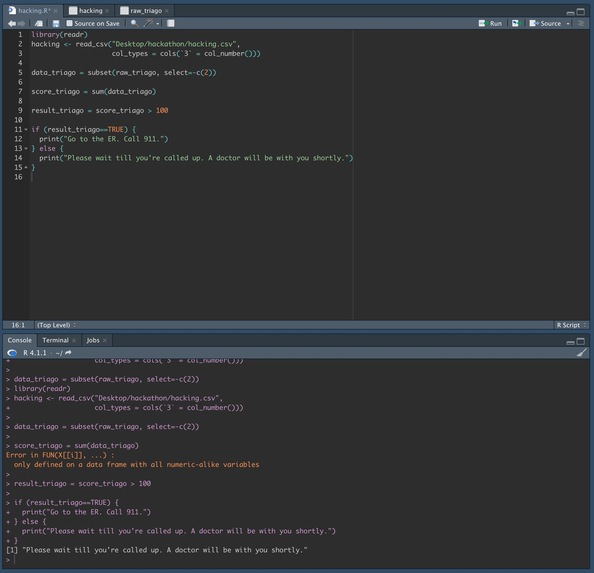
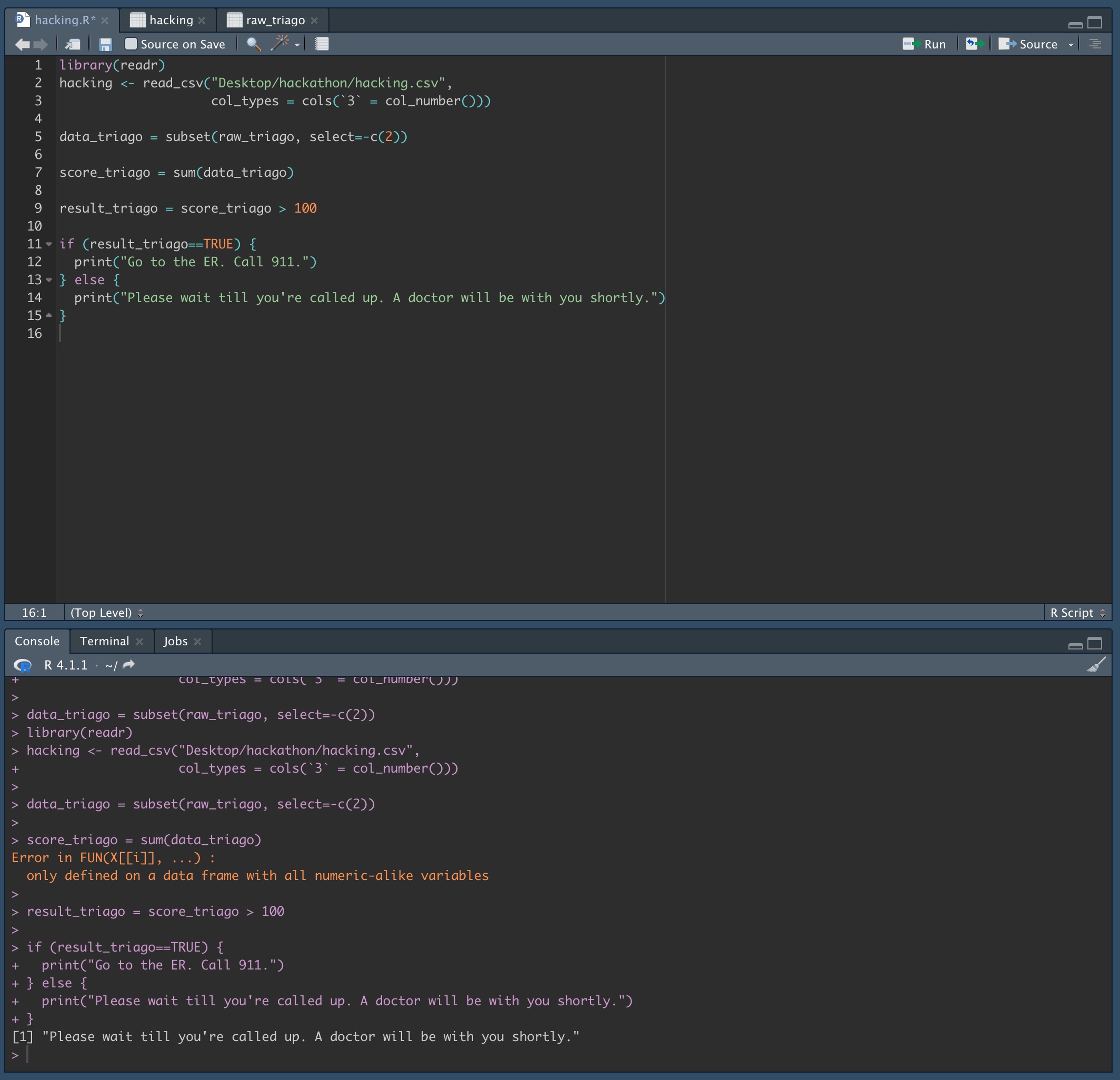
Our data from R studio
-
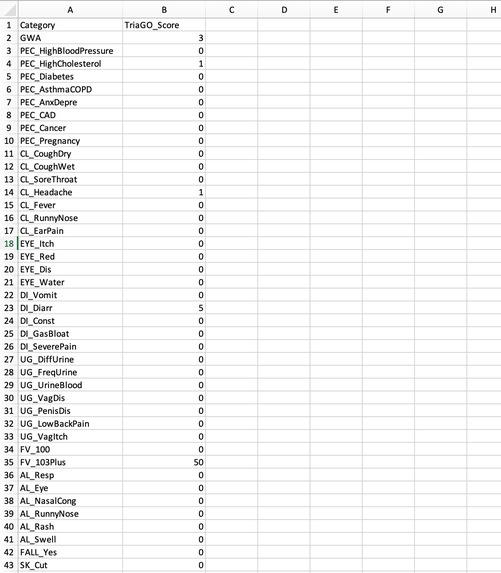
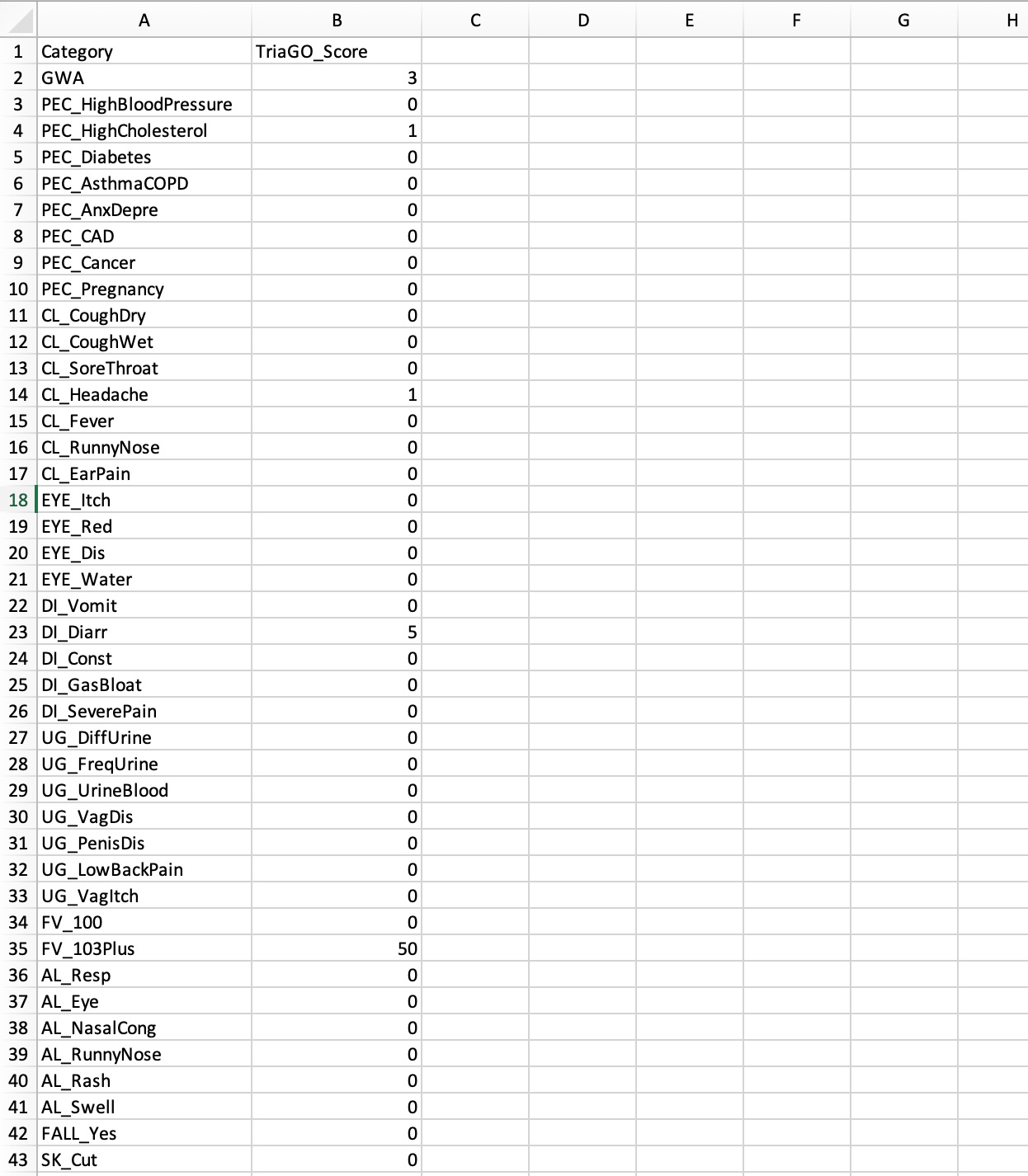
Our data calculated to show the TriaGO score

Inspiration
When our group (Lactose Tolerant) saw the prompt choices, we decided on Electronic Health Records, and we derived a somewhat elaborate (and also expensive) plan involving RFID cards and personal health records. At our Saturday morning check in meeting, we realized just how in over our head we were, and changed our focus in order to play to our strengths, and to utilize technology we had available to us. Two members of our team have had deeply suboptimal urgent care experiences, despite having above average healthcare literacy. Additionally, all of us are proponents of accessibility in healthcare, and so we were able to merge the two to help develop a better and more accessible triage system for urgent care. According to research from the American Medical Association, 13% of hospitals comply with Cultural Linguistic Appropriate Services (CLAS) requirements, adversely affecting patient care outcomes. With Spanish being one of the more commonly spoken languages in the United States, we wanted to integrate it into our interface, to make it as easy as possible for patients and providers to use.
What it does
TriaGO (not to be confused with Trivago) is a portmanteau of "triage" (also the Spanish "triaje") and "go", and the name is a fairly straightforward explanation of what we hope to do: optimize triage in an urgent care setting, to create a safer, faster, and more effective treatment algorithm. At this time, our group was unable to find evidence-based triage guidelines, and so ours are unfortunately not evidence-based, but someday they might be if we are able to partner with urgent care facilities to adequately test TriaGO. As an added bonus, it does not collect any individualized patient information, and as such is safe harbored under HIPAA regulations, making it even safer for an inpatient setting.
How we built it
We built it using bubble.io, which is a low-code platform for web development. For our specific group, this was a wonderful tool, because none of us are particularly experienced with computer science or coding. However, because this tool does not run statistical analysis, we also ran some of the code through R in order to develop a TriaGO score. This TriaGO score has cutoffs to indicate which level of care/triage is appropriate for a given patient based on their symptom presentation. For example, at 100+ points, patients are instructed to go to the ER, but a score of 15 would place you in Tier 3 based on the symptoms you checked and the number of points assigned to them.
Challenges we ran into
No one in our group was especially proficient with code, but Kama was able to figure it out, while Sydney did a lot of the research and translation, and Grant focused on aesthetics and pitch development. Bubble.io did not let us add functions for statistical analysis on the platform, but thankfully Kama knew enough about R studio to run it separately.
Accomplishments that we're proud of
This is the first hackathon for all of us. That we were able to make a mostly-functional product and a clean looking pitch in our allotted time frame without a significant background in coding or urgent care is plenty, and we are all grateful to each other for our cooperation, patience, and dedication throughout this project.
What we learned
We learned that coding is hard, and if you can find a software that will get rid of a lot of the coding elements, you can patch the rest together somewhere else.
What's next for TriaGO
We were workshopping all of it. If we wanted to roll this out in an urgent care setting, there are several in Pittsburgh that may be amenable to working with us.
Built With
- bubble.io
- r


Log in or sign up for Devpost to join the conversation.