-
-
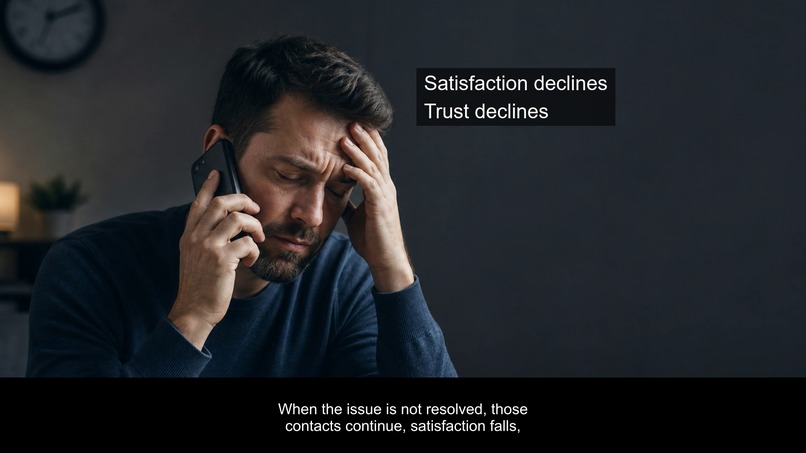
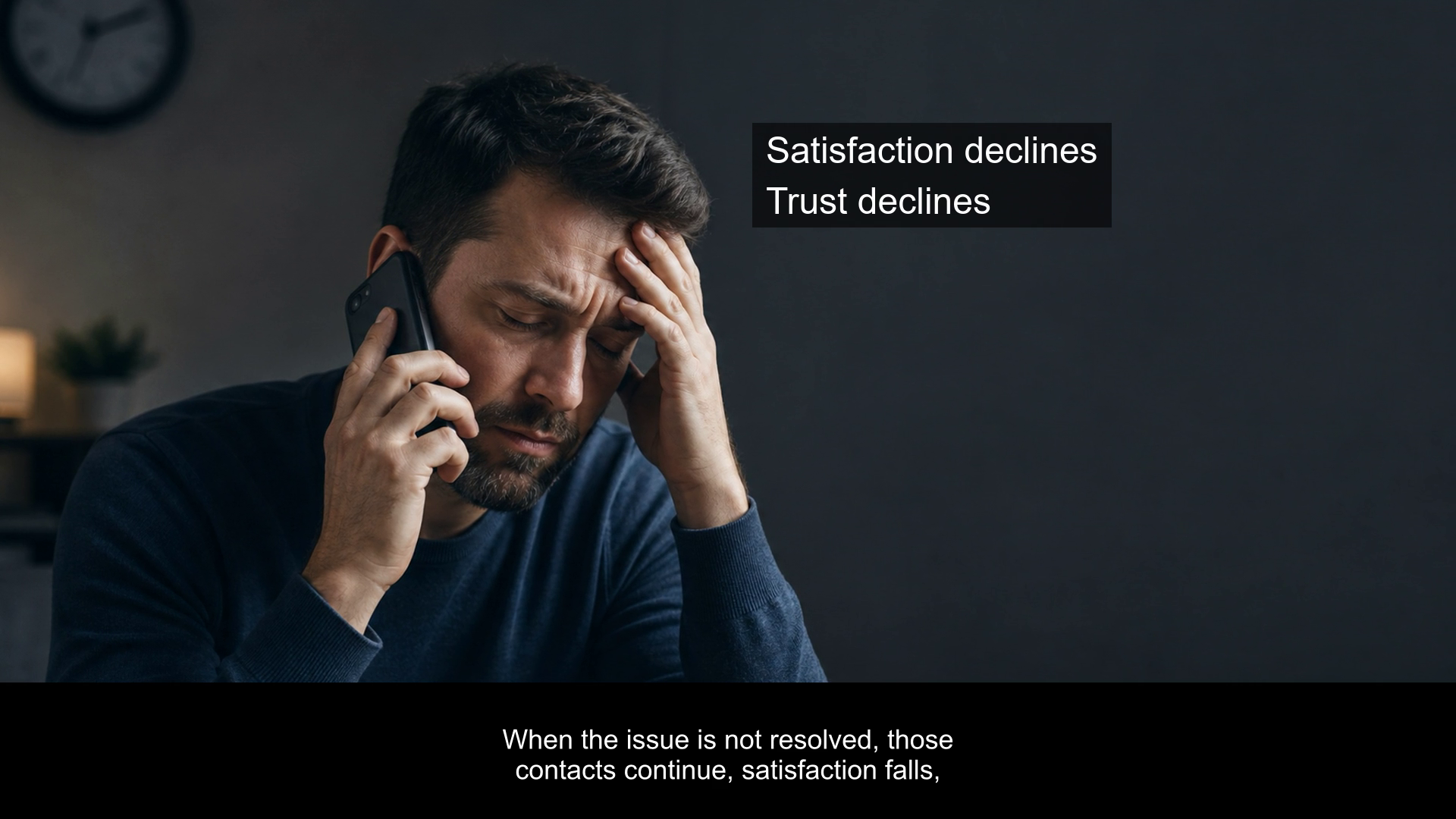
Consumer time loss often remains invisible and unrecorded.
-
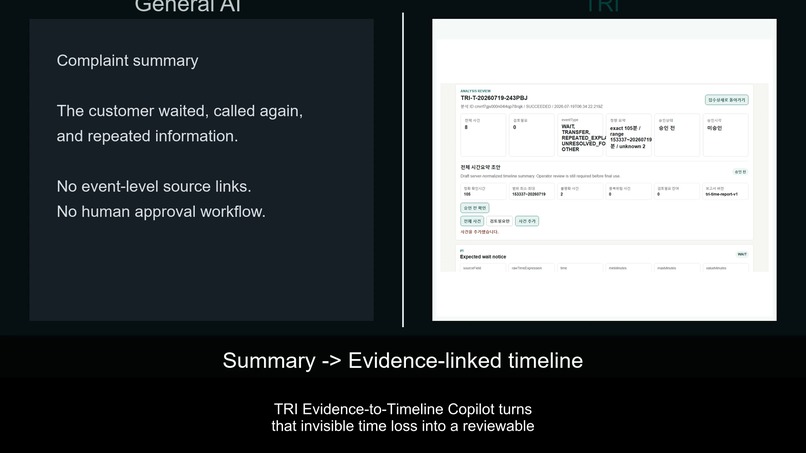
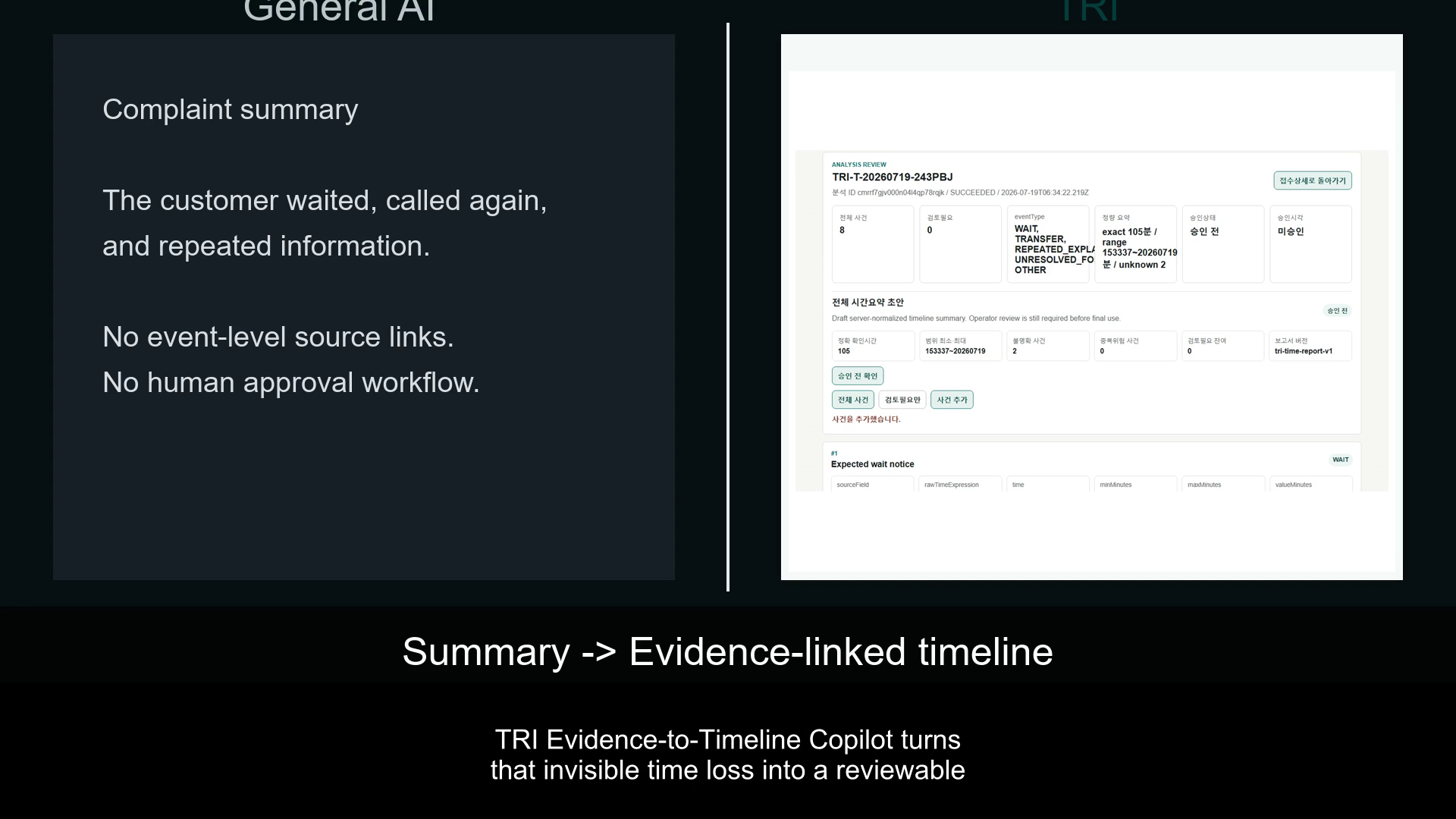
General AI summary compared with TRI’s evidence-linked timeline.
-
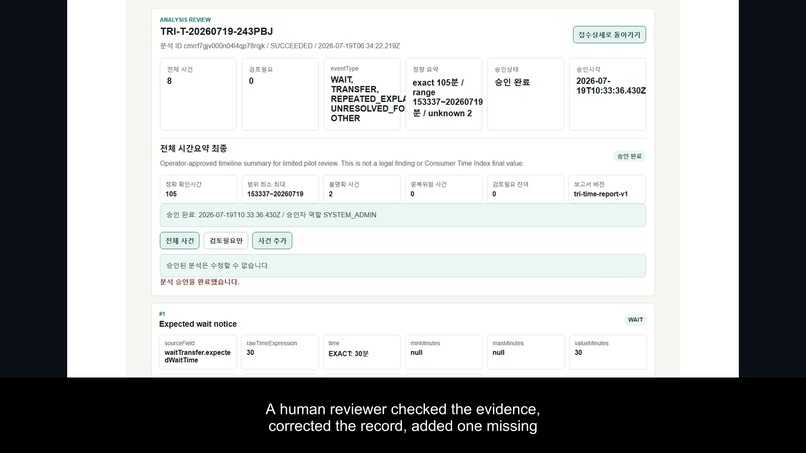
Fictional test materials used for the public demonstration.
-
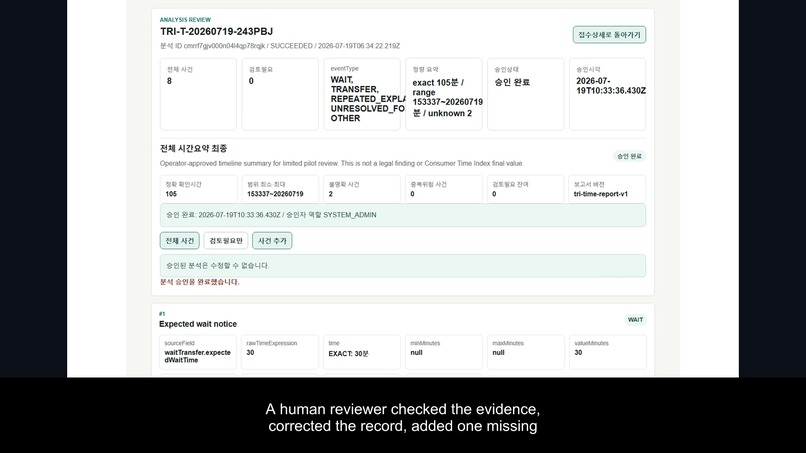
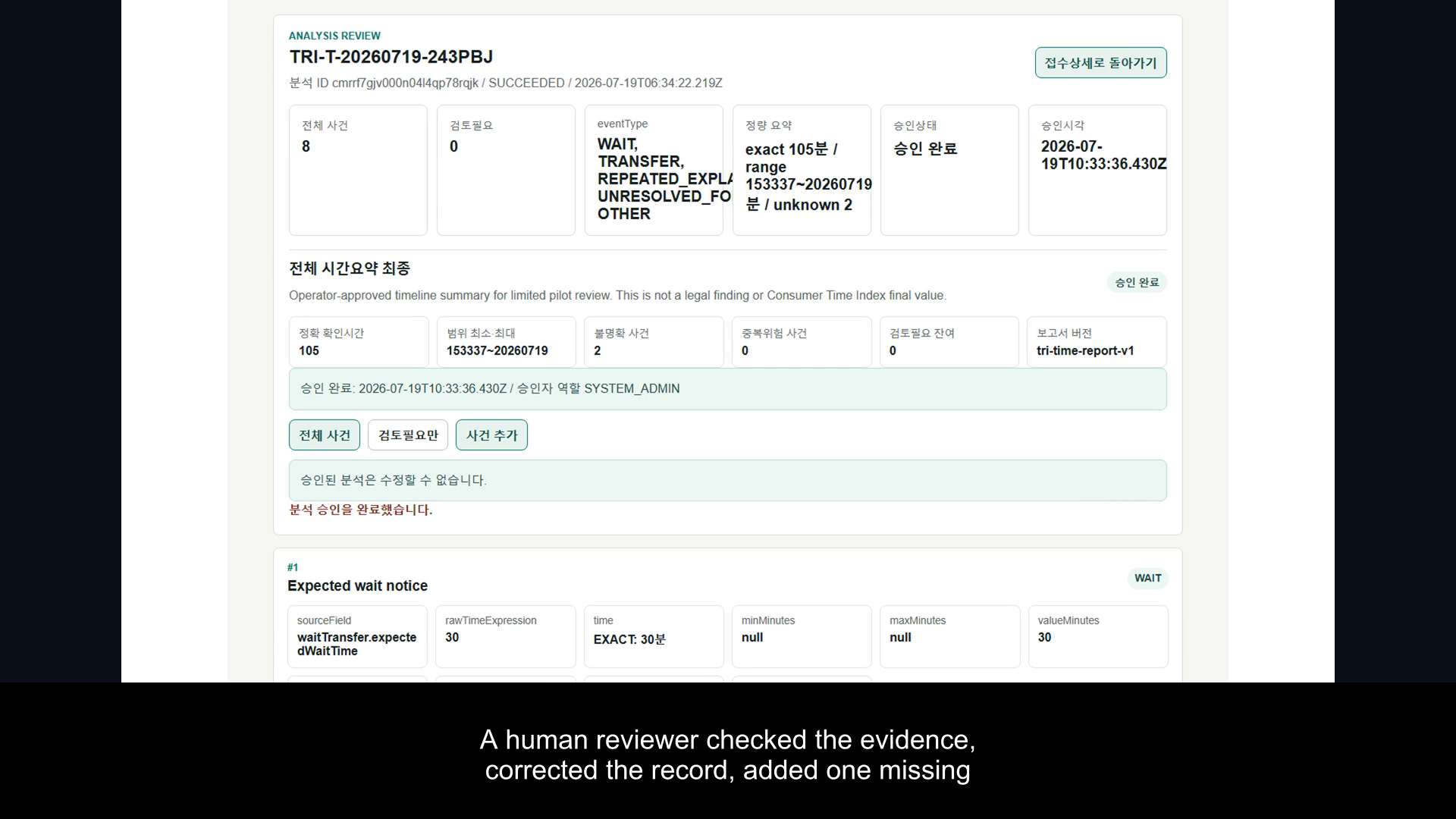
Seven AI-proposed events plus one human-added event.
-
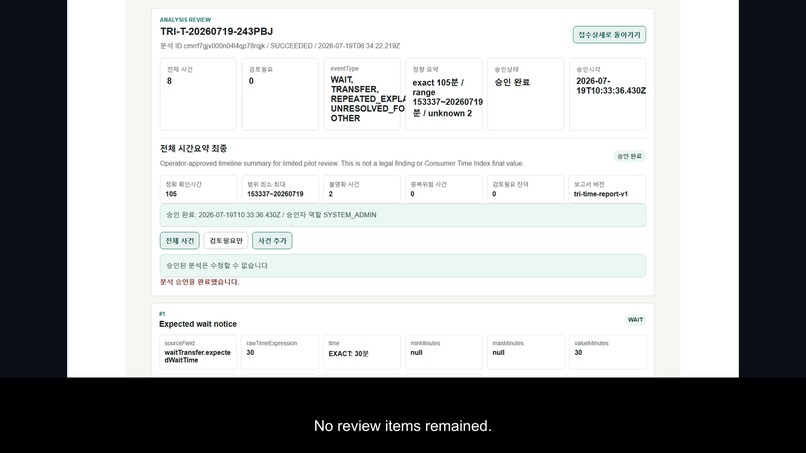
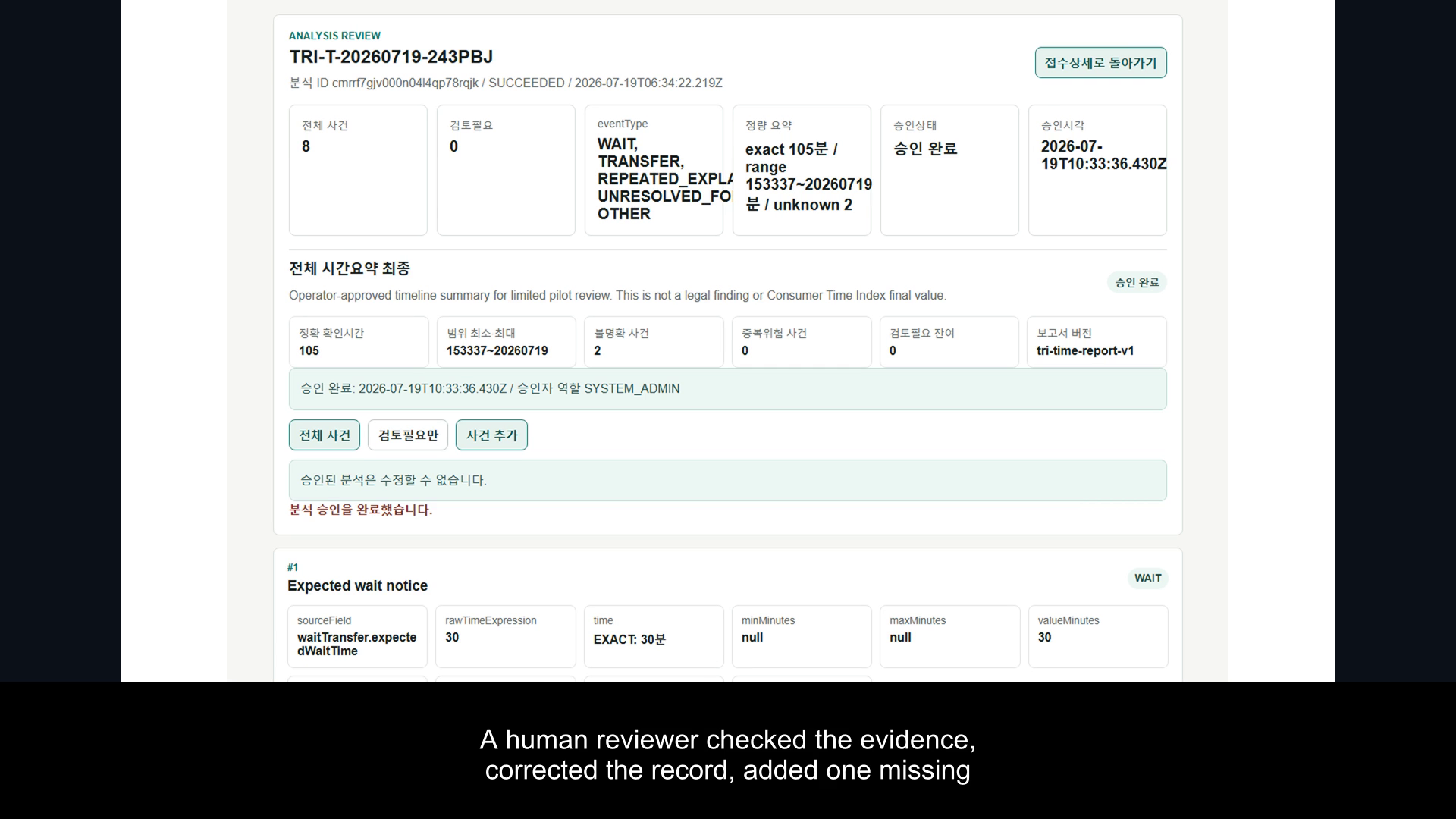
Eight approved events with zero review items remaining.
-
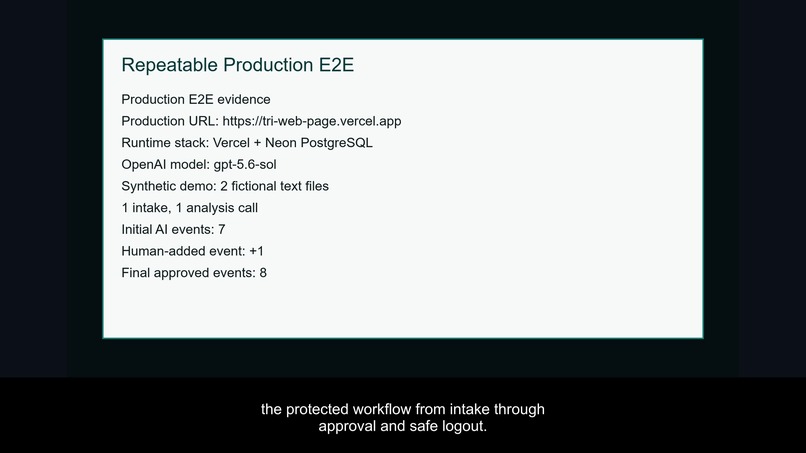
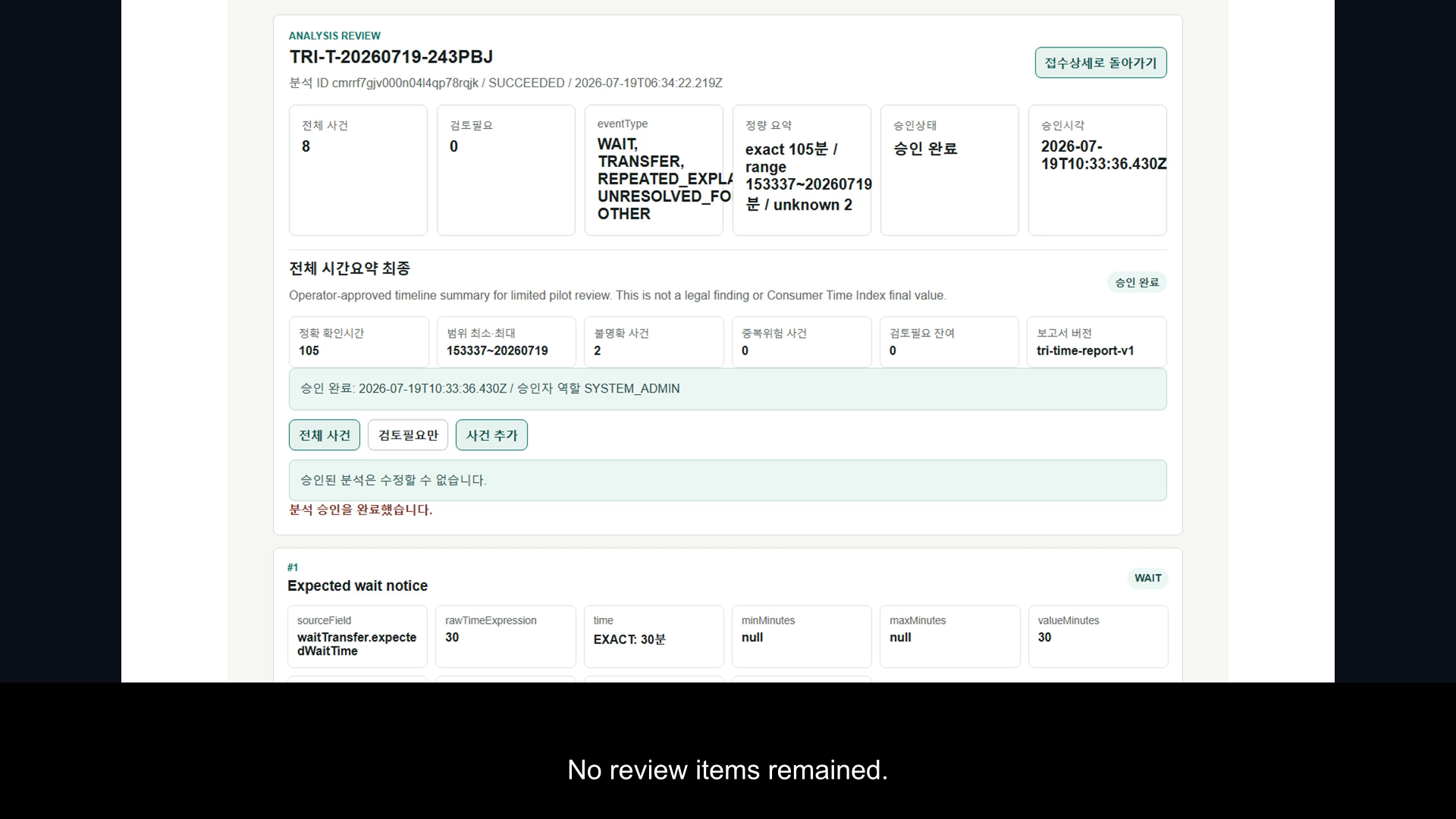
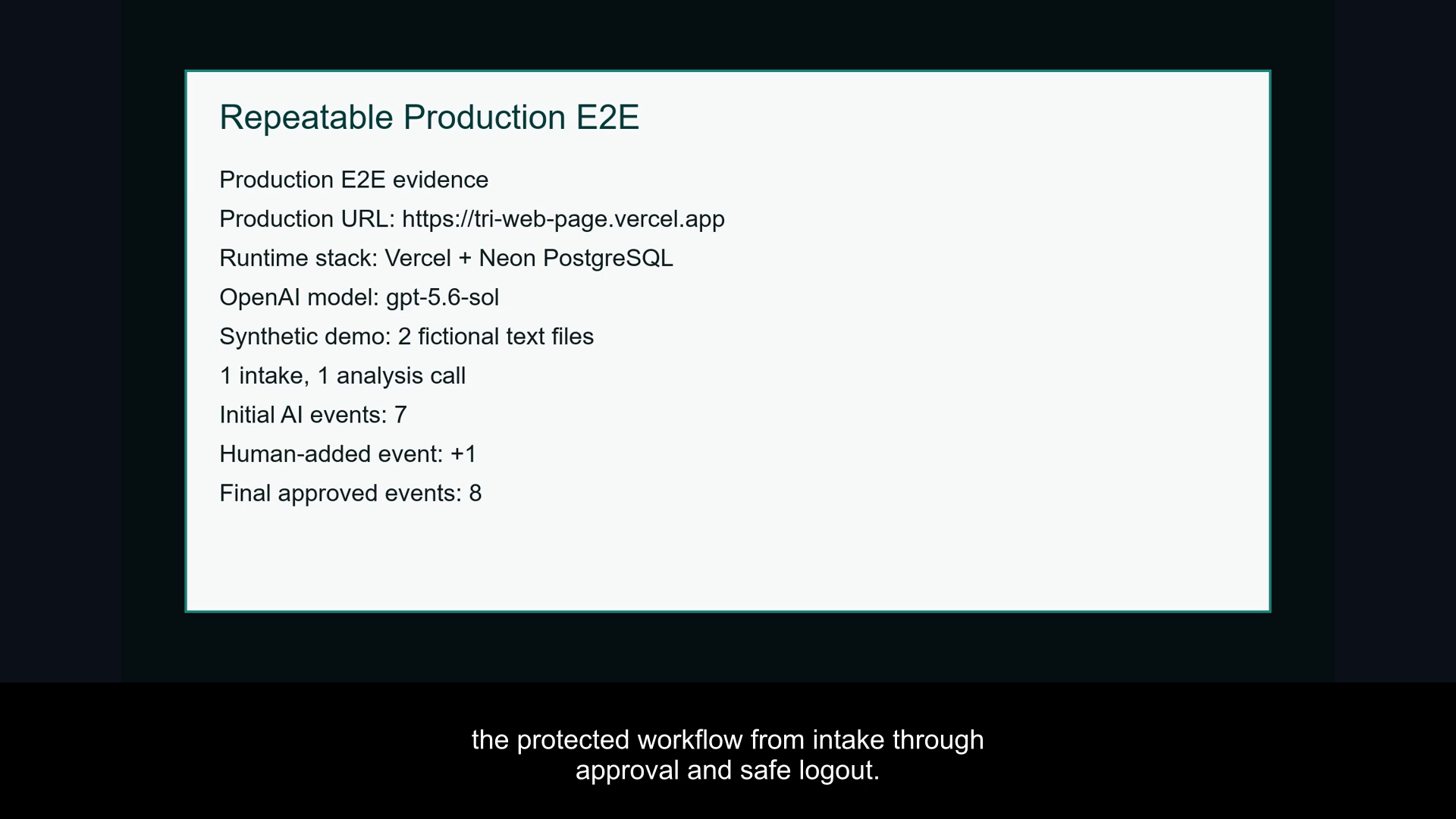
Production end-to-end verification of the protected workflow.
-
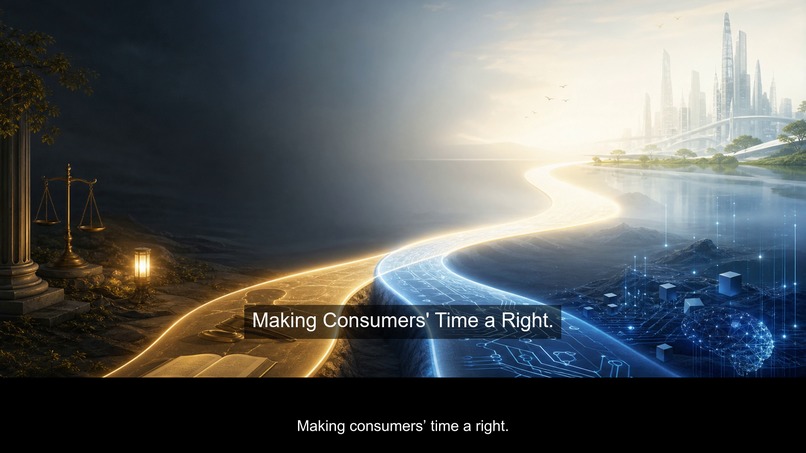
Making Consumers’ Time a Right.

Inspiration
Consumers often lose time while waiting, calling again, being transferred, and repeating the same explanation. Yet this time loss usually remains invisible because it is not captured as a structured, reviewable record.
TRI Evidence-to-Timeline Copilot was created to turn that invisible loss into an evidence-linked timeline that humans can review, correct, and approve.
What it does
TRI receives fictional customer-service case materials and uses AI to propose a structured timeline of time-related events.
Each proposed event can include:
- the source field
- the supporting evidence sentence
- a normalized time
- a time type such as exact, approximate, range, or unknown
- a certainty level
- a human-review flag
A human reviewer can then verify the evidence, correct an event, add a missing event, and approve the final timeline.
The final result includes an approved timeline, supporting evidence, and a measurable summary of consumer time loss.
How we built it
TRI was built as a web application with a protected administrative review workflow.
The Build Week implementation includes:
- GPT-5.6 analysis
- OpenAI Responses API
- Structured Outputs
- strict JSON Schema
- server-side validation and canonicalization
- evidence-linked timeline events
- human review, correction, event addition, and approval
- time-loss summaries
- traceable final reports
- administrator authentication
- audit records
- concurrency protection
- safe logout
- production end-to-end verification
The project was implemented and tested with Codex-assisted development.
Human-in-the-loop design
TRI does not treat AI output as the final decision.
AI proposes. Humans verify, correct, and approve.
In the verified production test:
- one fictional case was submitted
- two fictional text files were included
- GPT initially proposed seven timeline events
- a human reviewer added one missing event
- eight events were approved in total
- zero review items remained
- the final status was APPROVED
Public demonstration materials
This public demonstration uses fictional materials created specifically for the project:
- a written customer-service call transcript
- a supporting case note
- fictional case information
- fictional follow-up information
These are not anonymized customer records and contain no real personal data or real call recording.
Challenges we faced
The main challenges were:
- converting narrative evidence into traceable timeline events
- representing uncertain time expressions without pretending they were exact
- linking every proposed event to its supporting evidence
- preventing AI output from bypassing human review
- protecting the administrative workflow
- maintaining consistent results during repeated or concurrent requests
- creating a public demonstration without using real customer information
We also rebuilt the demonstration video around one continuous narration so that the screen timing follows the actual voice timing rather than forcing the narration into fixed slide durations.
Accomplishments that we are proud of
We completed a working production flow from fictional intake through AI analysis, human review, approval, final reporting, and safe logout.
The final verified case demonstrated the distinction between AI assistance and human responsibility:
- seven events proposed by GPT
- one missing event added by a human
- eight final approved events
- zero remaining review items
What we learned
We learned that useful AI analysis requires more than a summary.
For an accountable workflow, the system must preserve:
- the original evidence
- the connection between evidence and events
- uncertainty
- human corrections
- approval status
- an auditable final result
The project reinforced a central principle:
AI should support judgment, not replace responsibility.
What's next for TRI
Future work may include:
- broader testing with additional fictional case patterns
- independent technical review
- usability testing with service-quality professionals
- improved institutional reporting
- comparison of time-loss patterns across multiple cases
- research into consumer time rights and organizational accountability
TRI's long-term purpose is to help make consumer time loss visible, measurable, reviewable, and accountable.
Making Consumers' Time a Right.
Built With
- codex
- ffmpeg
- gpt-5.6
- next.js
- node.js
- openairesponsesapi
- playwright
- postgresql
- prisma
- react
- structuredoutputs
- typescript
- vercel
- vitest

Log in or sign up for Devpost to join the conversation.