-
-
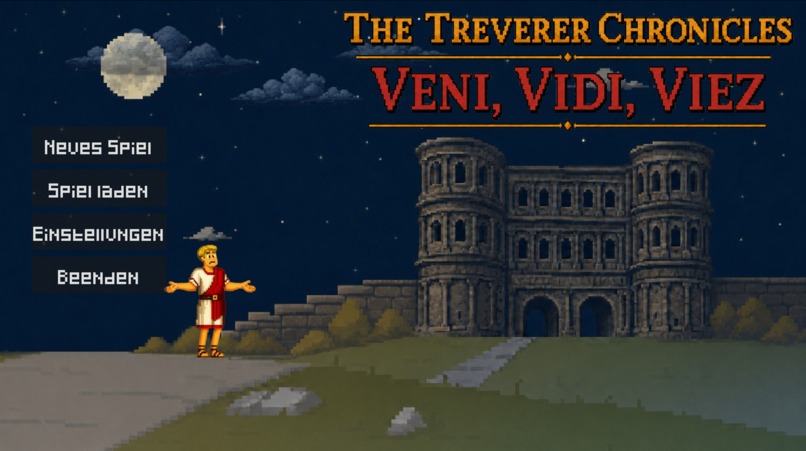
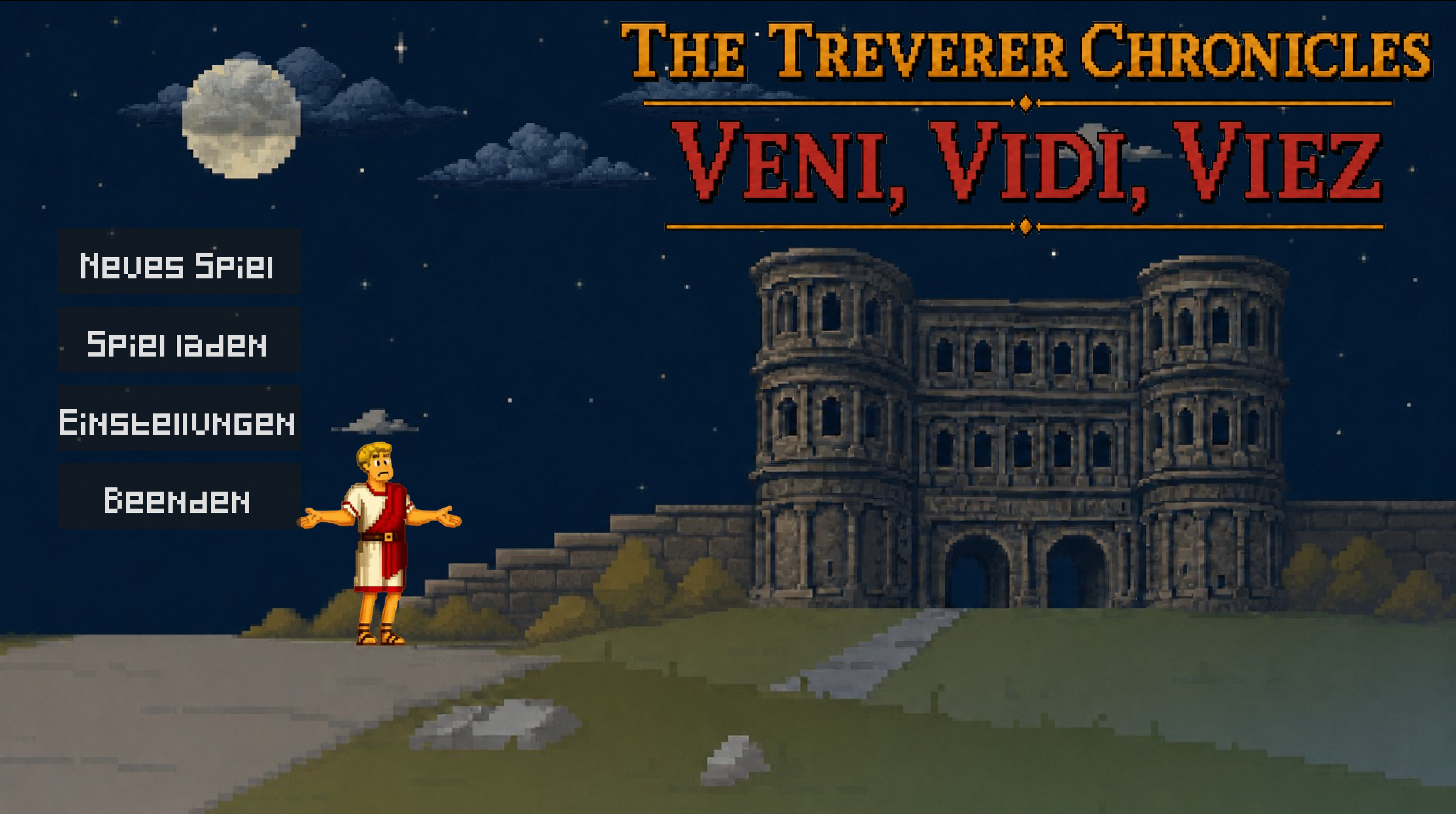
Main Menu
-
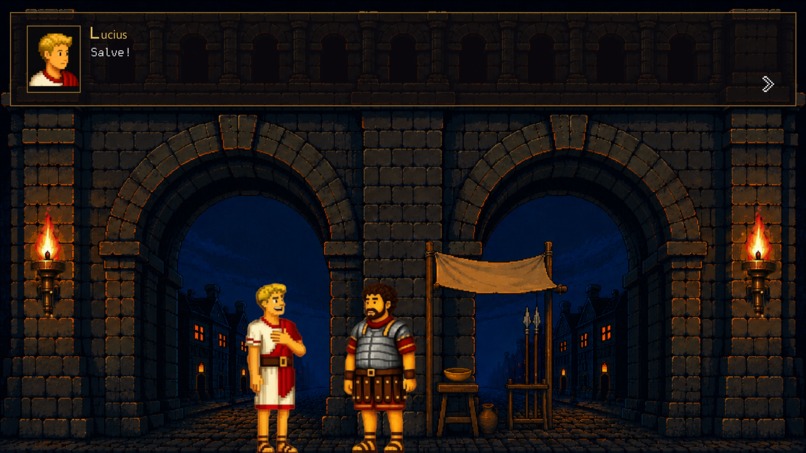
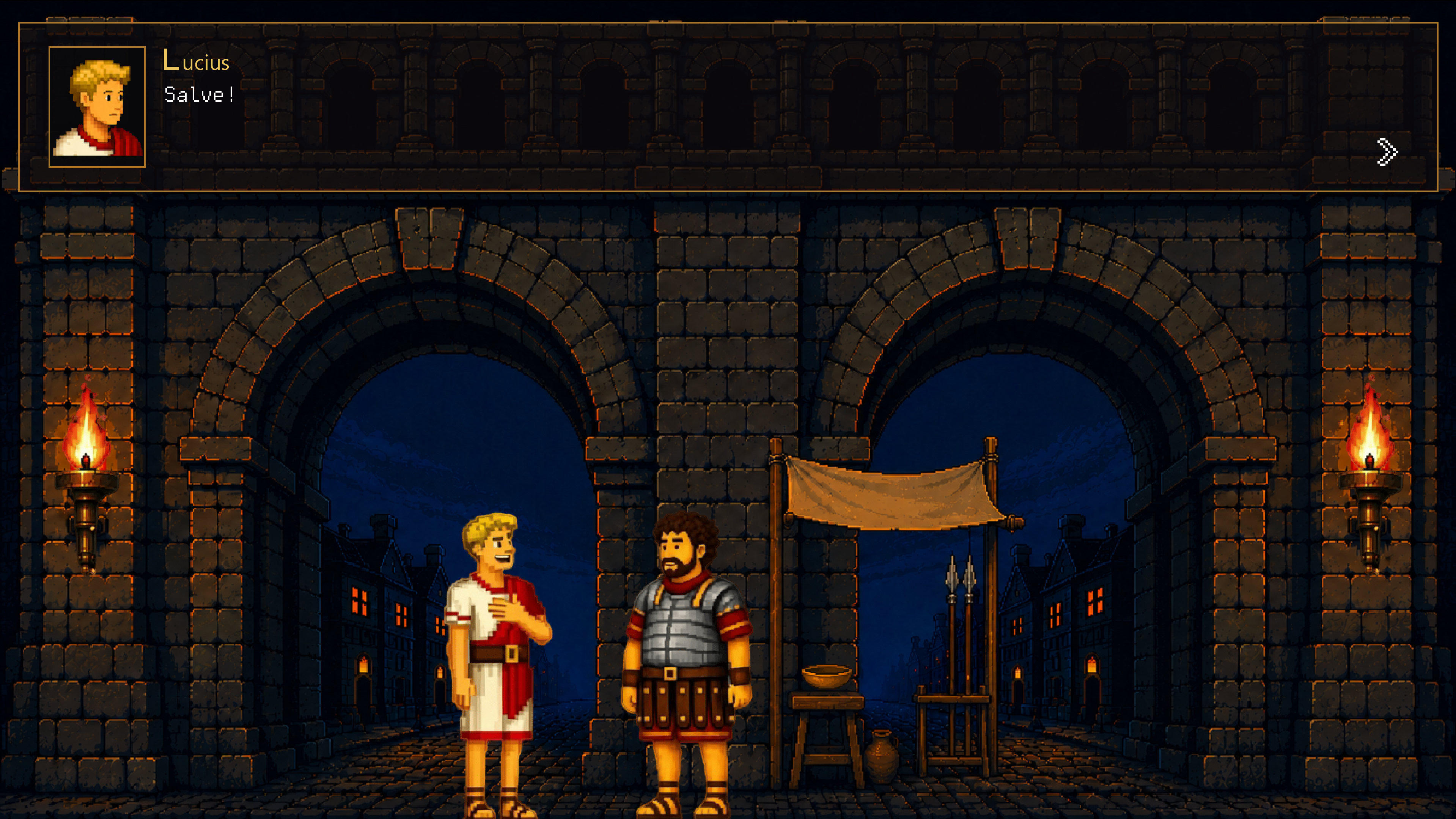
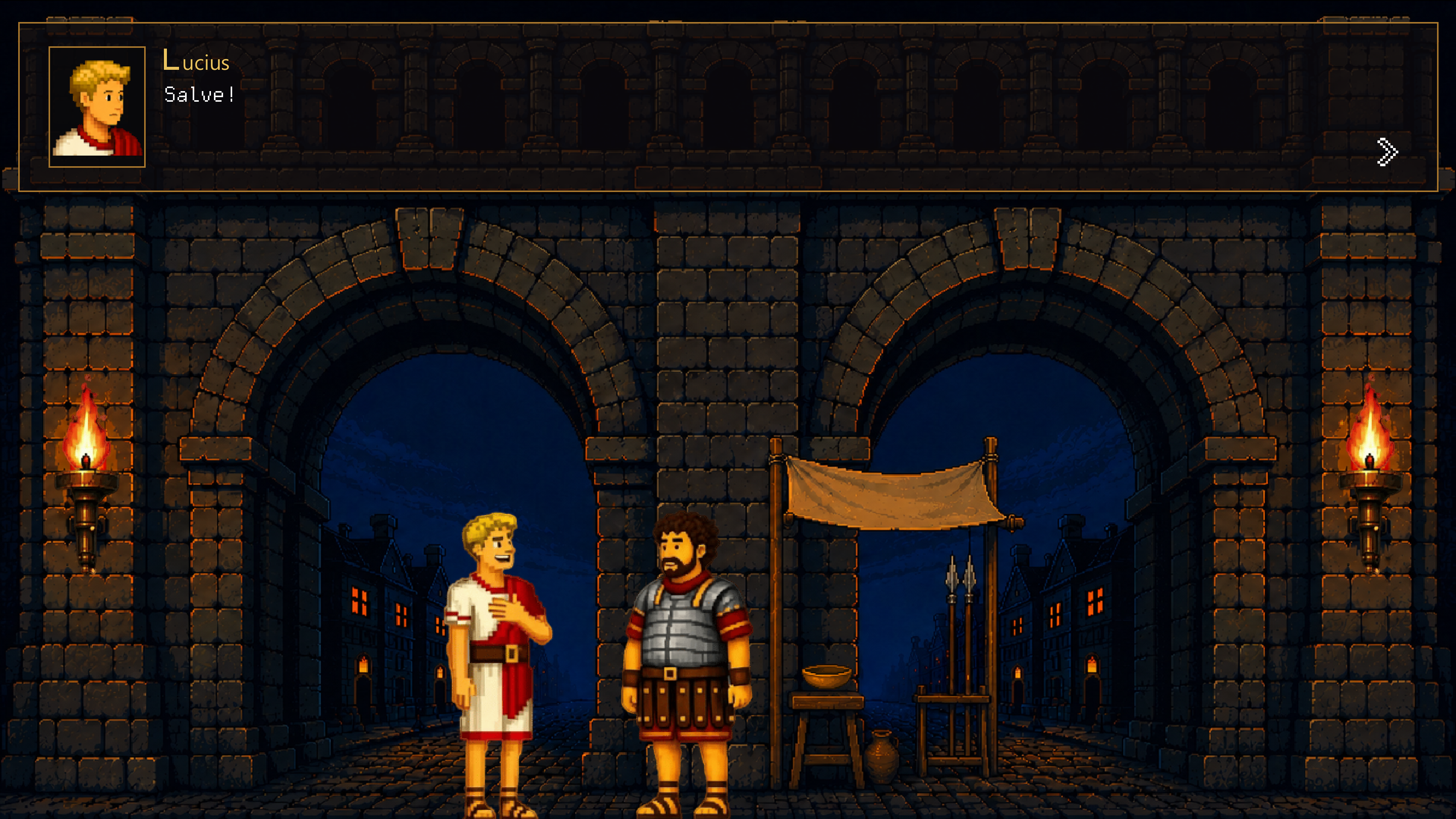
Porta Nigra
-
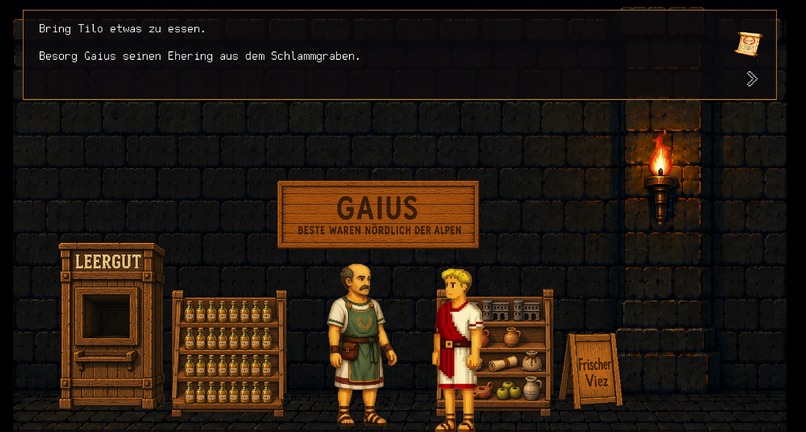
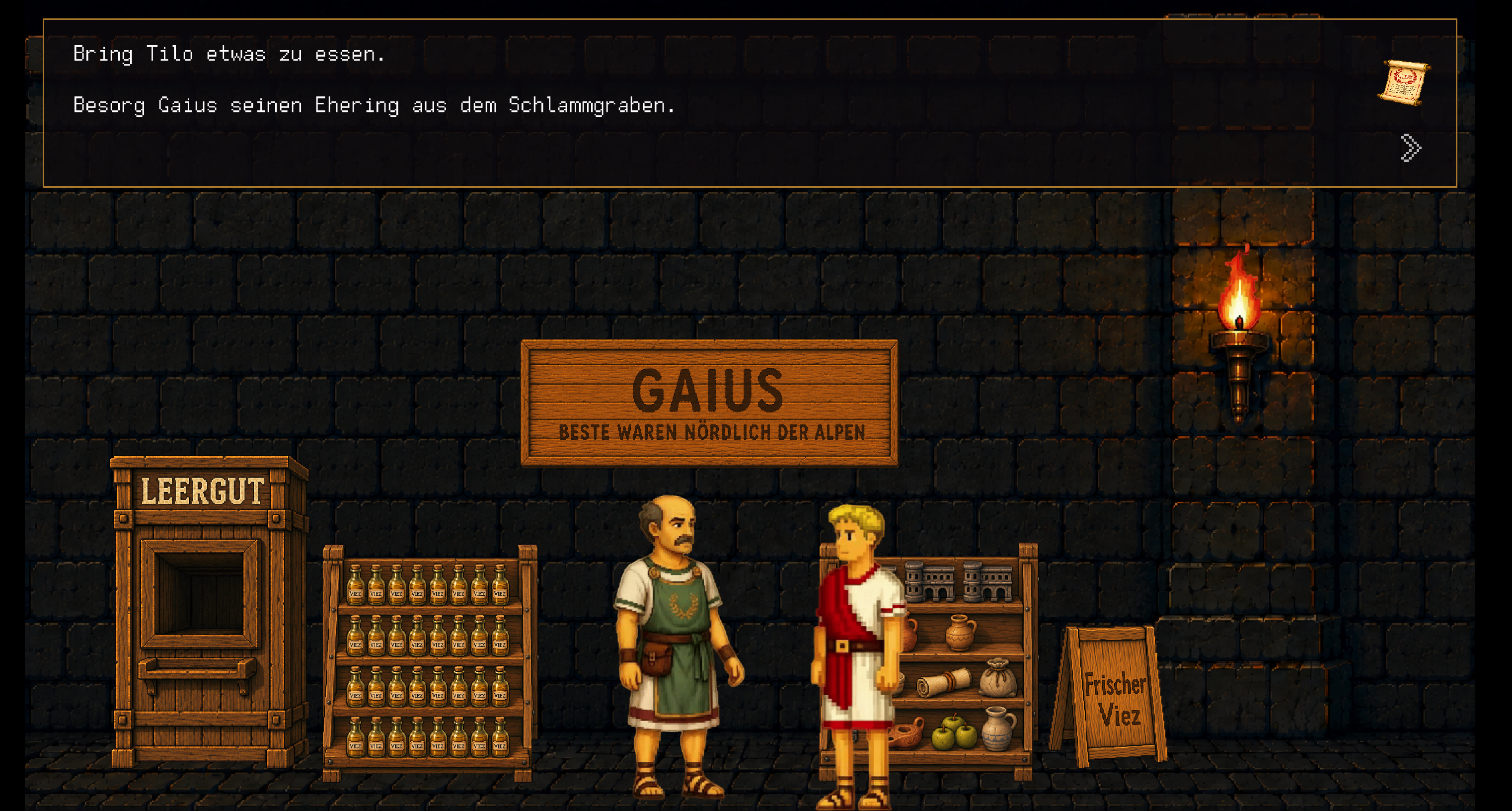
Quest System
-
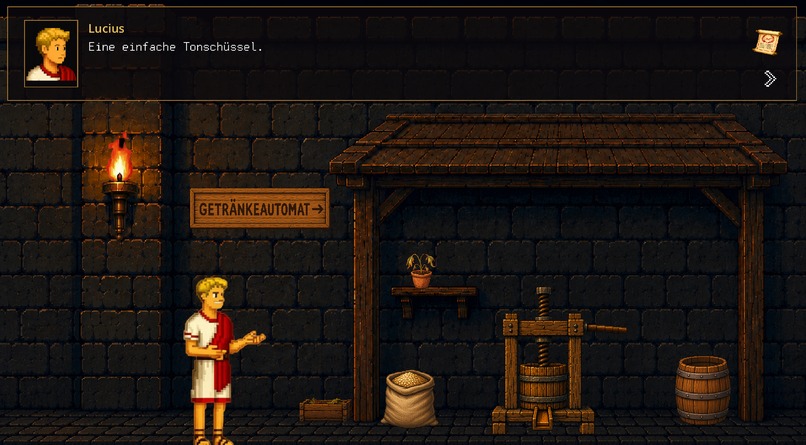
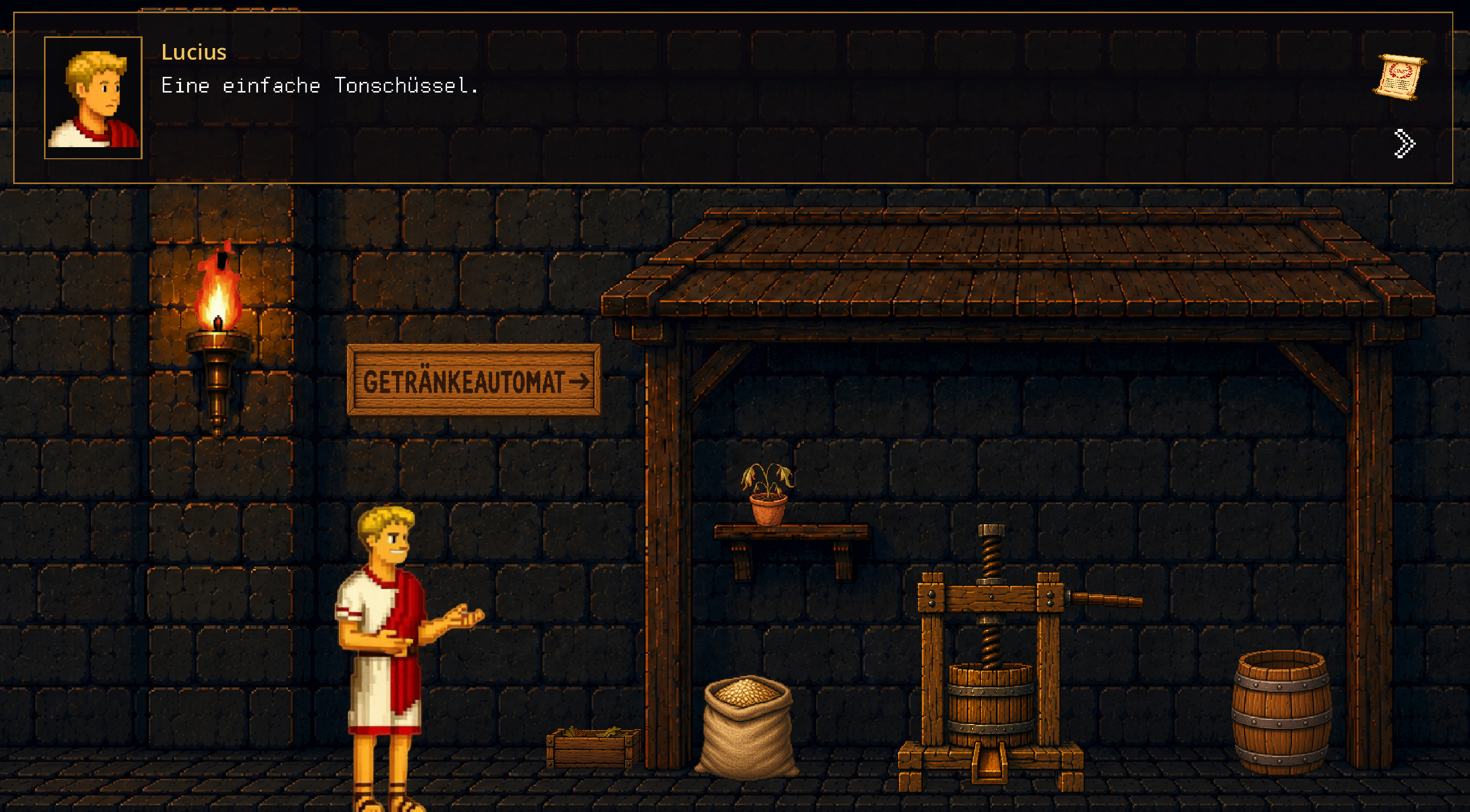
Inventory System
-
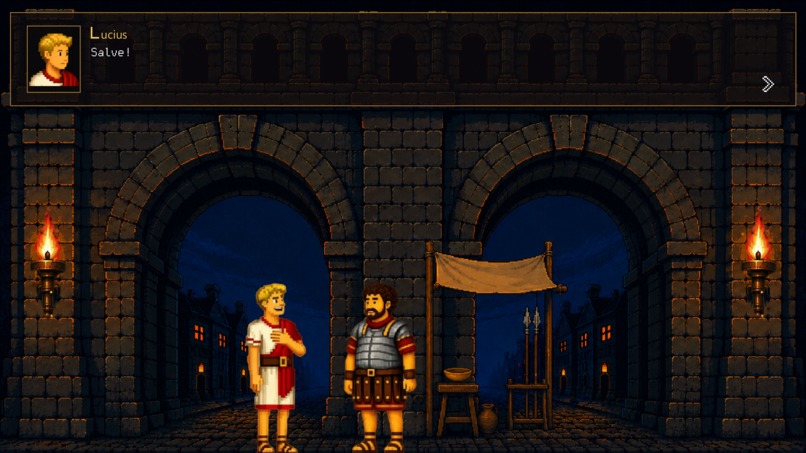
Dialogue System
-
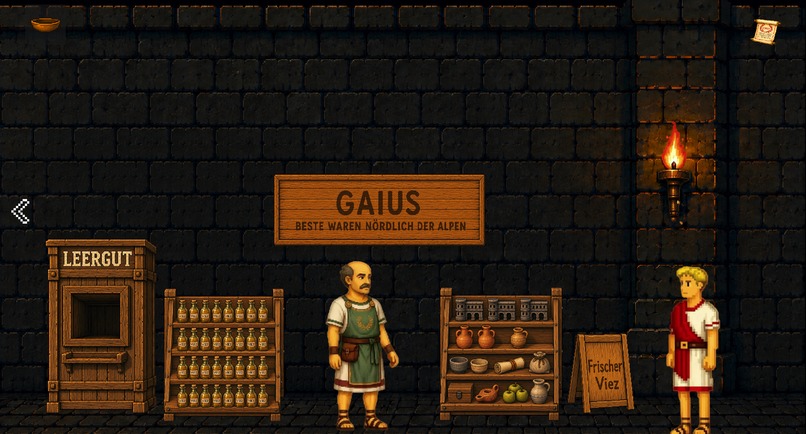
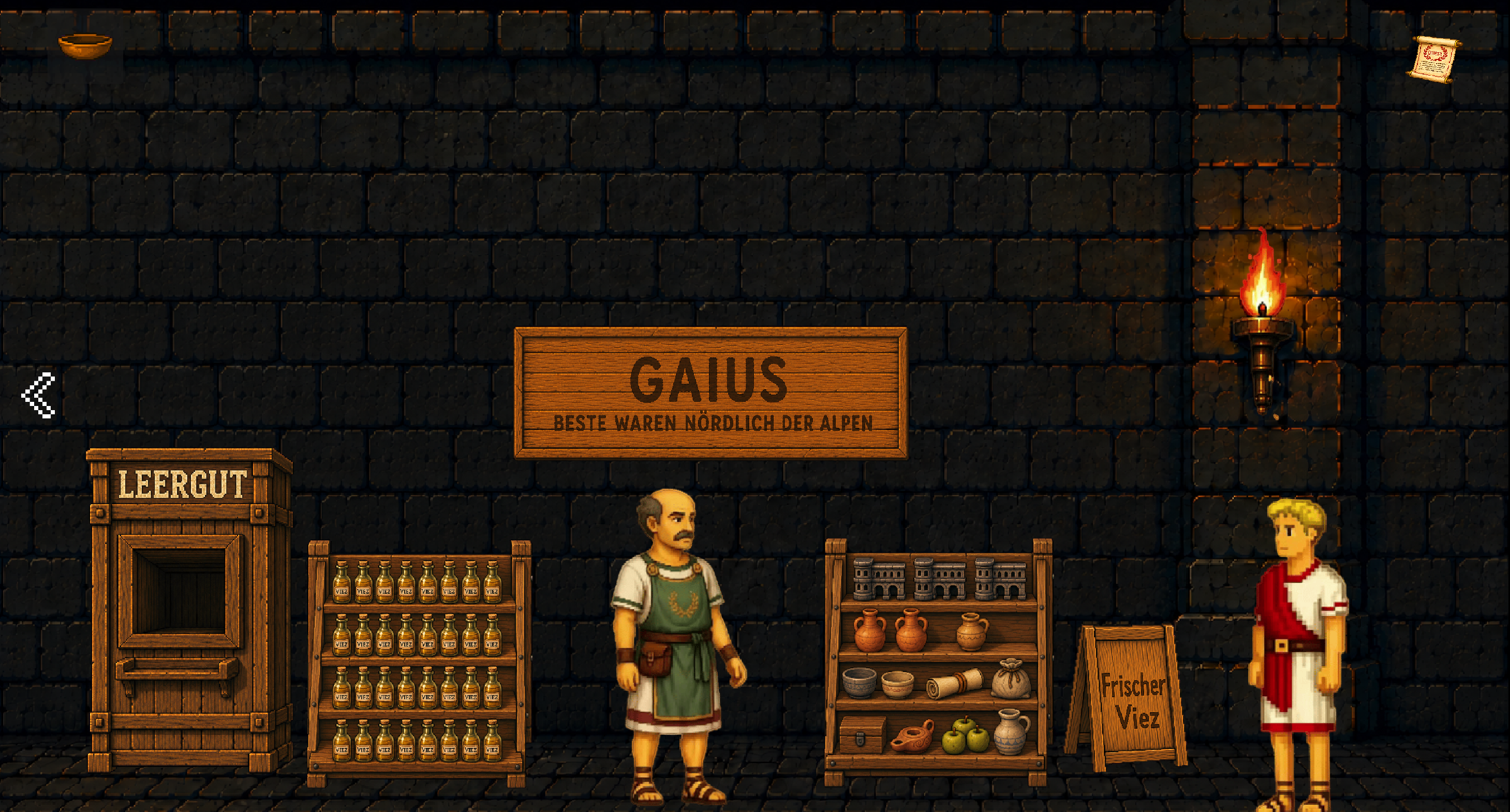
Marketplace
-
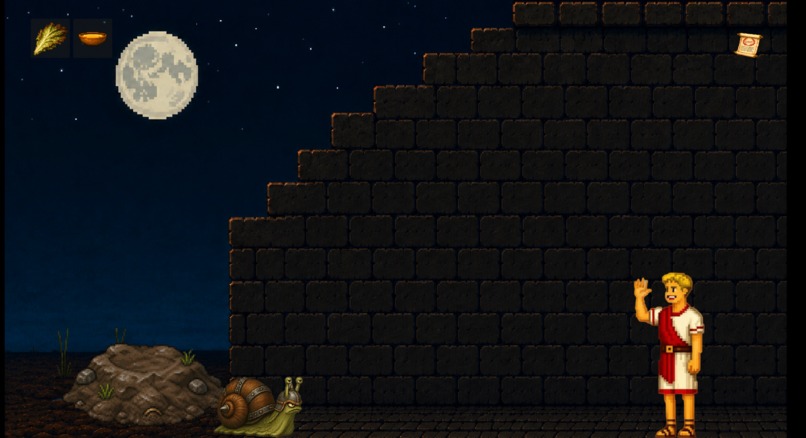
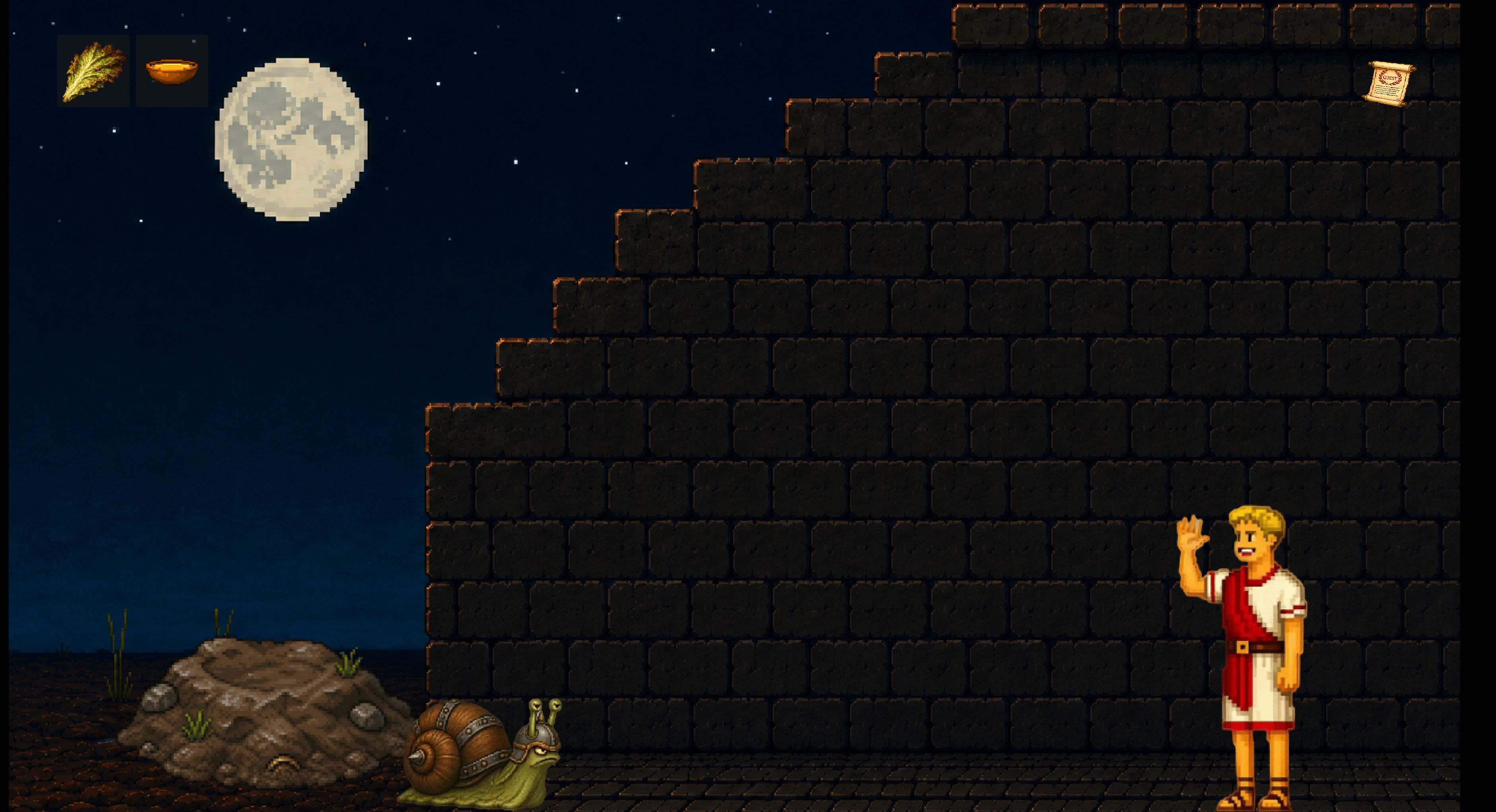
Mud Pit
-
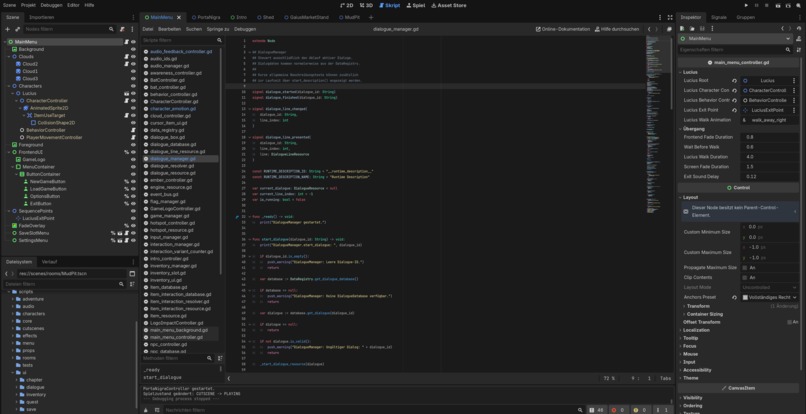
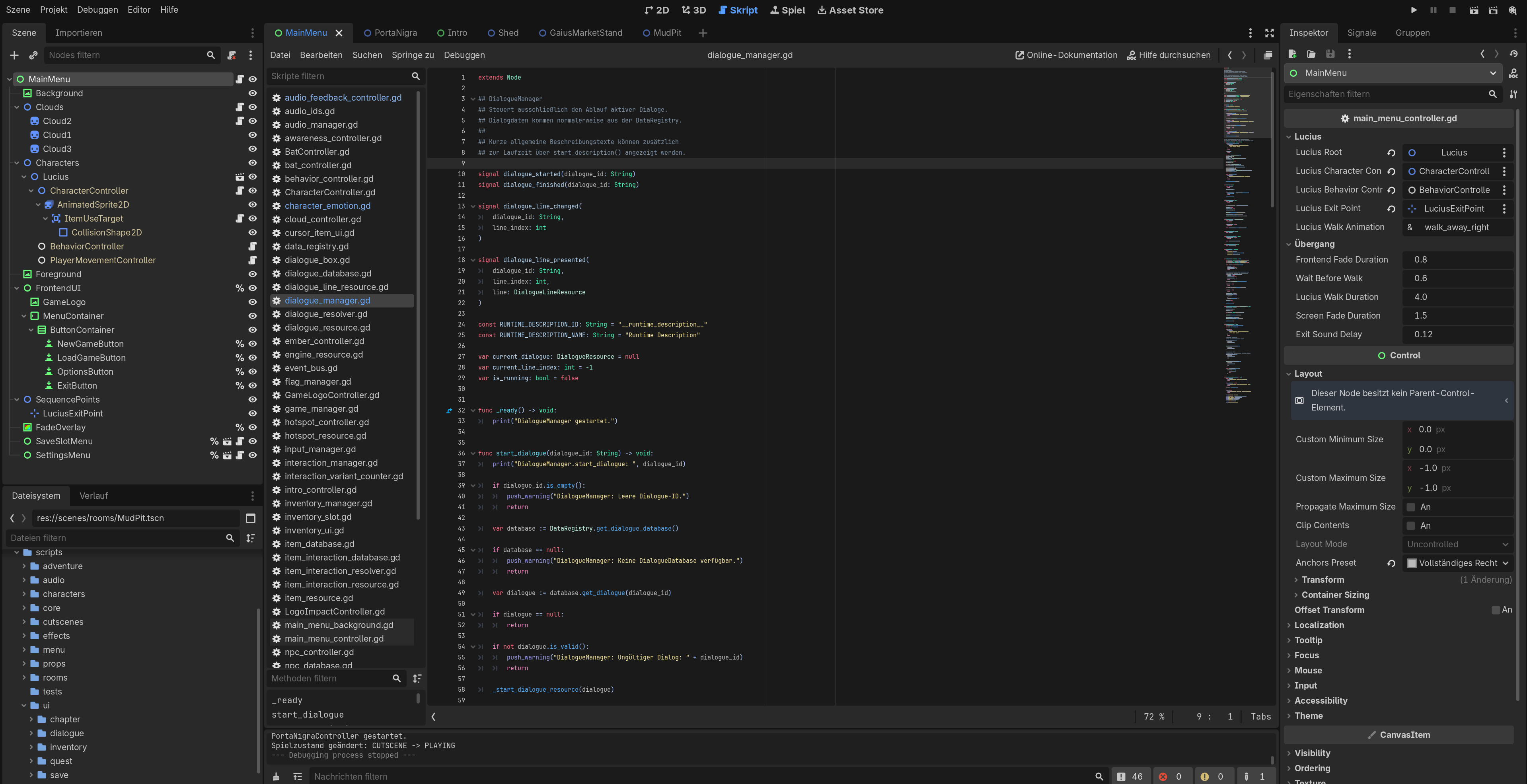
TAE Architecture in Godot
Inspiration
I wanted to create a classic point-and-click adventure, but quickly realized that building each game from scratch would limit future projects.
Instead of creating a single game, I decided to build a reusable engine that separates game content from engine logic. This became the Treverer Adventure Engine (TAE).
What I built
The Treverer Adventure Engine (TAE) is a modular, data-driven adventure game engine built with Godot.
To demonstrate the engine, I created a fully playable reference project:
The Treverer Chronicles – Episode 1: Veni, Vidi, Viez
The game showcases the engine's core systems, including:
- Dialogue system
- Quest system
- Inventory management
- Save & Load
- Scene transitions
- Data-driven NPC interactions
- Audio management
- Modular architecture
How I built it
The project was developed with Godot 4.7 using a modular architecture.
Throughout development I worked together with GPT-5.6 and Codex as development partners. They supported software architecture, code implementation, debugging, documentation, refactoring, and technical problem solving.
The goal was not to replace software engineering, but to accelerate it while maintaining a clean, extensible architecture.
Challenges
One of the biggest challenges was designing an engine that remains flexible while keeping game content completely separated from the underlying systems.
Building reusable systems required considerably more planning than creating game-specific solutions, but it also created a strong foundation for future adventure games.
Accomplishments
The result is a fully playable adventure game powered entirely by the Treverer Adventure Engine.
The project demonstrates that AI-assisted software development can be used to build maintainable, modular software architectures instead of isolated prototypes.
What's next
The engine will continue to grow with additional gameplay systems, editor tools, AI-assisted NPC interactions, and future episodes of The Treverer Chronicles.

Log in or sign up for Devpost to join the conversation.