-
-
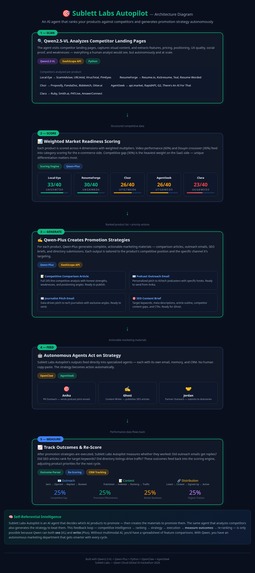
Full system architecture: OBSERVE → ANALYZE → SOURCE → CREATE → PUBLISH → LEARN pipeline with Qwen2.5-VL and Qwen-Plus integration
-
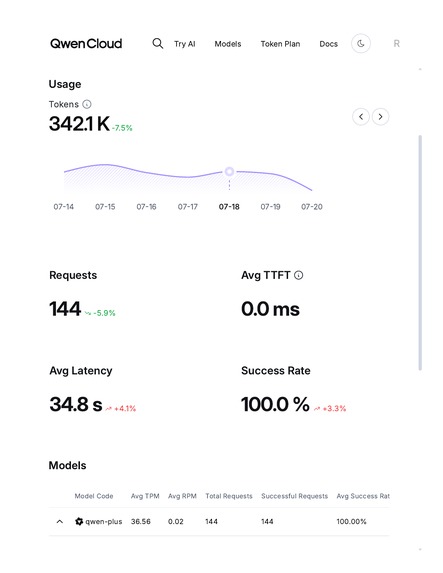
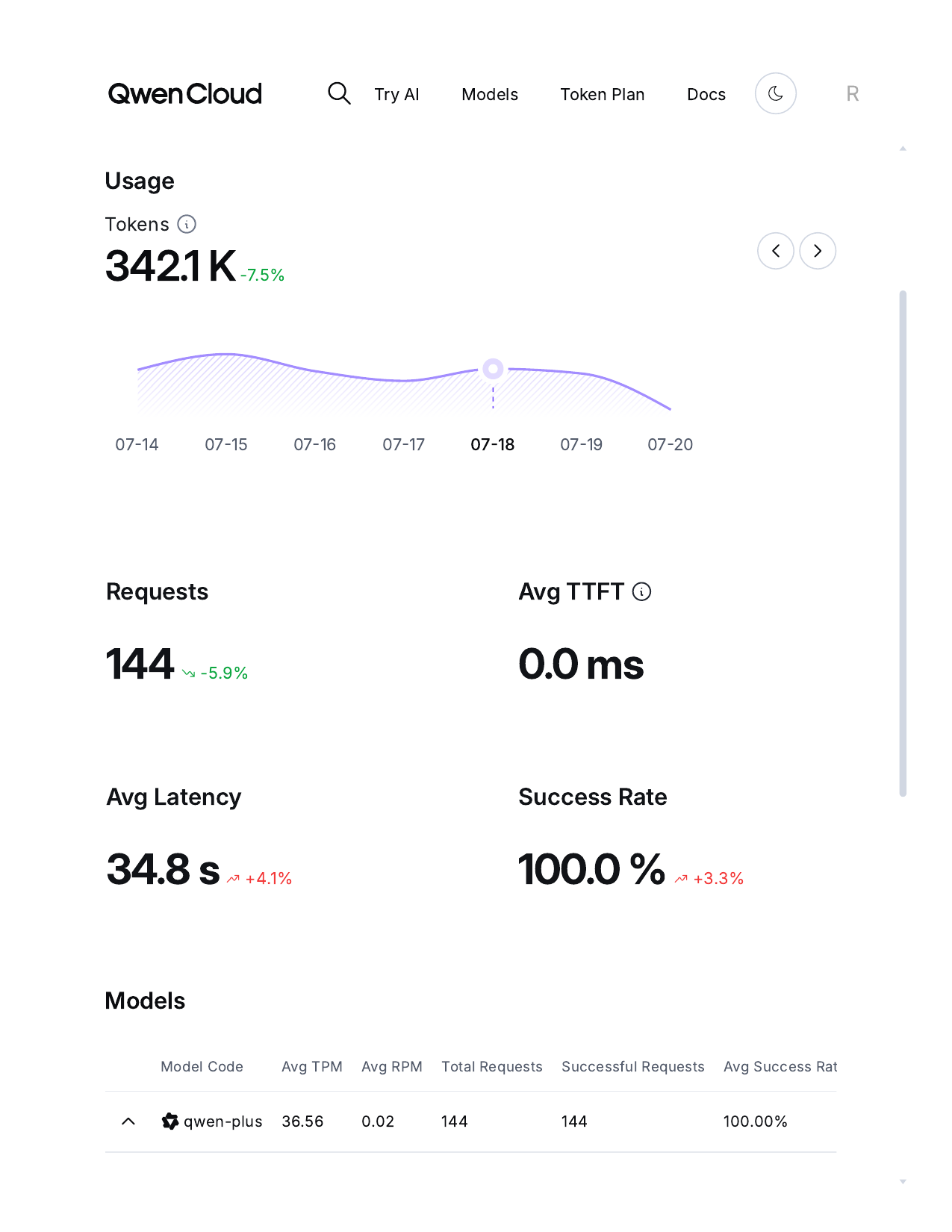
Qwen Cloud API analytics dashboard showing 342K tokens, 144 requests, 100% success rate over 7 days
-
-
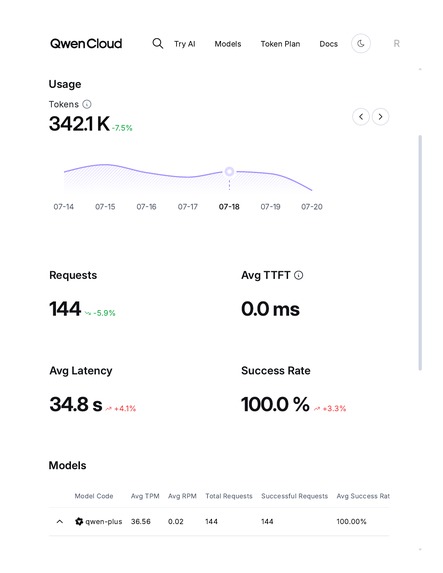
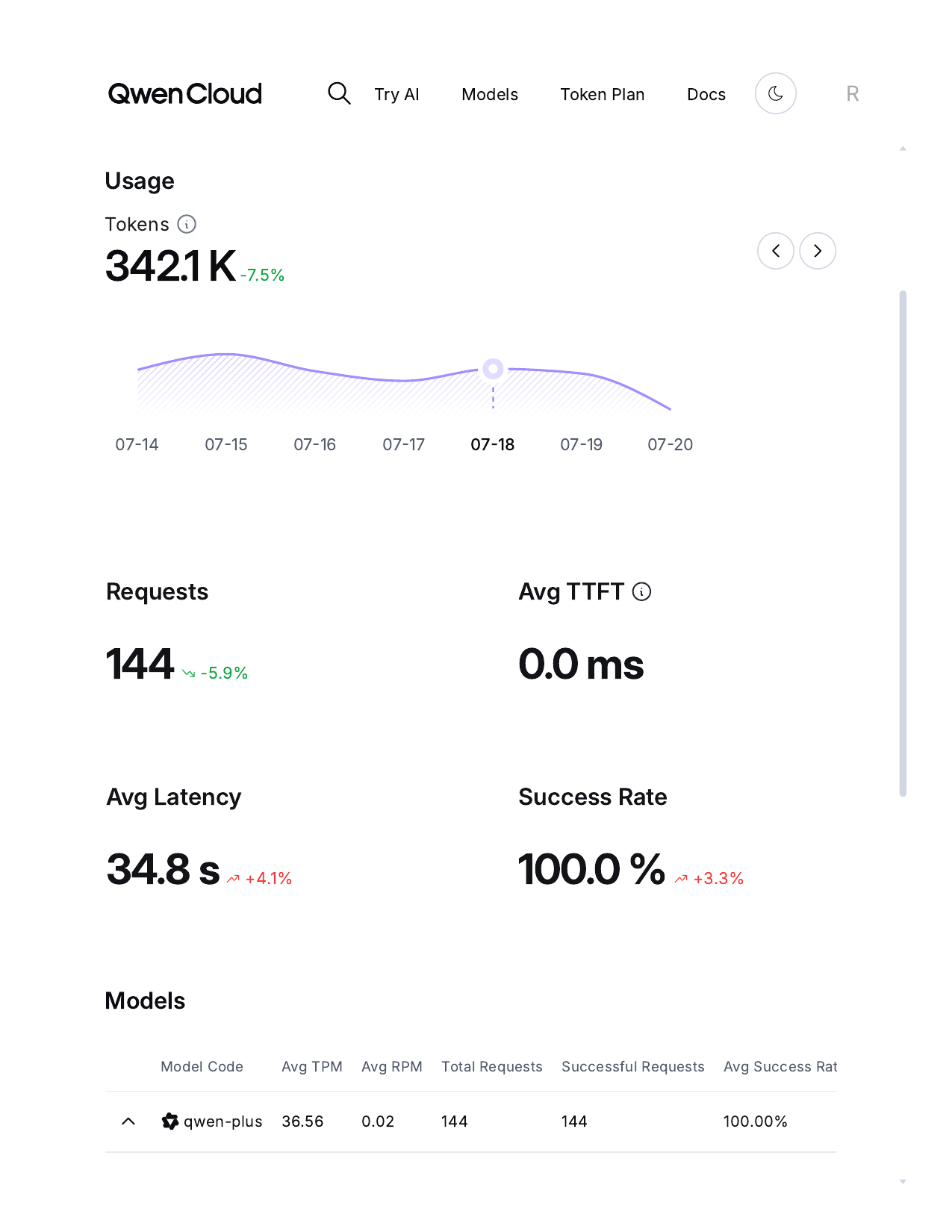
Model-level breakdown showing qwen-plus usage with 100% success rate across all 144 API calls
-
-
-

Sublett Labs Autopilot — Building an E-commerce Agent That Decides What to Promote and How
What inspired me
I run Epic Trends Store, a Shopify dropshipping business. Like most sellers, I was manually scrolling TikTok for trending products, copying what was already popular, and hoping I wasn't too late. The problem? By the time a product trend hits English-speaking TikTok, dozens of sellers are already listing it. You're competing on price in a race to the bottom.
Then I noticed something: the same products kept appearing on Douyin weeks or months before they blew up on TikTok US. Mochi bread. Claw clips. Mini fridge drawers. The trends were predictable — if you could read Chinese social media and understand the cultural context.
That's when I built TrendPilot. But it evolved into something bigger — a system that doesn't just discover products, but also decides which of our own SaaS products to promote and how to promote them. Two loops, feeding each other.
What it does
Sublett Labs Autopilot has two interconnected loops that run autonomously in production:
Loop 1 — Store Autopilot (TrendPilot AI)
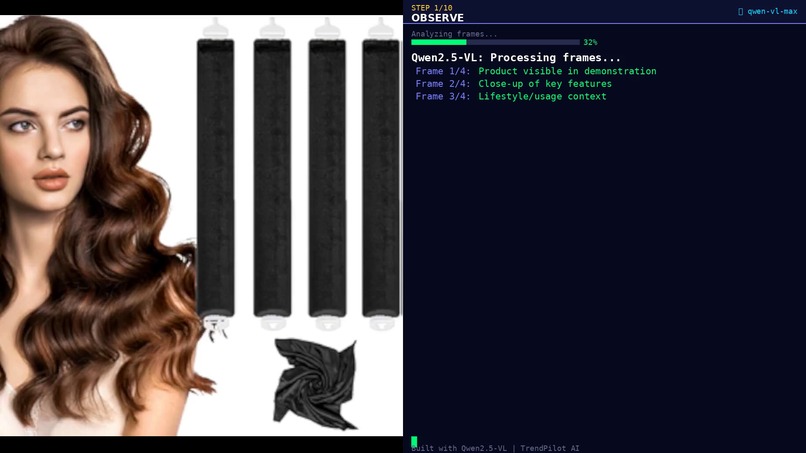
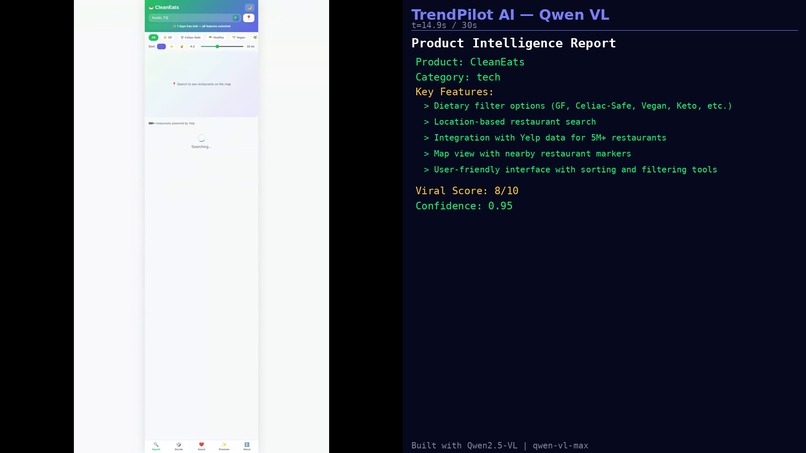
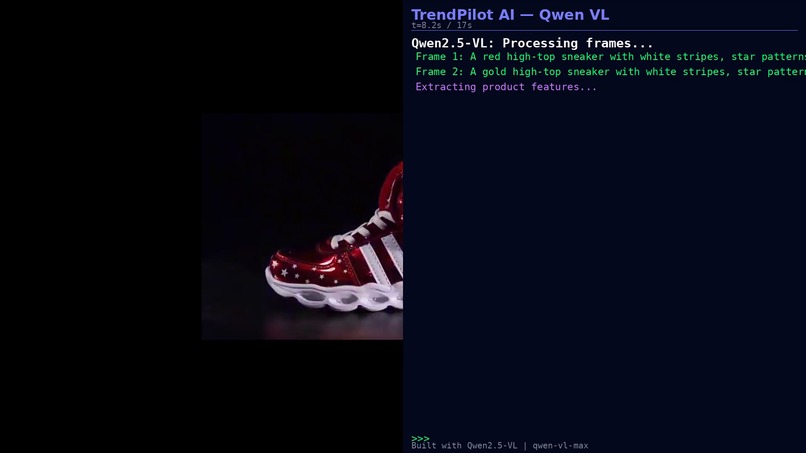
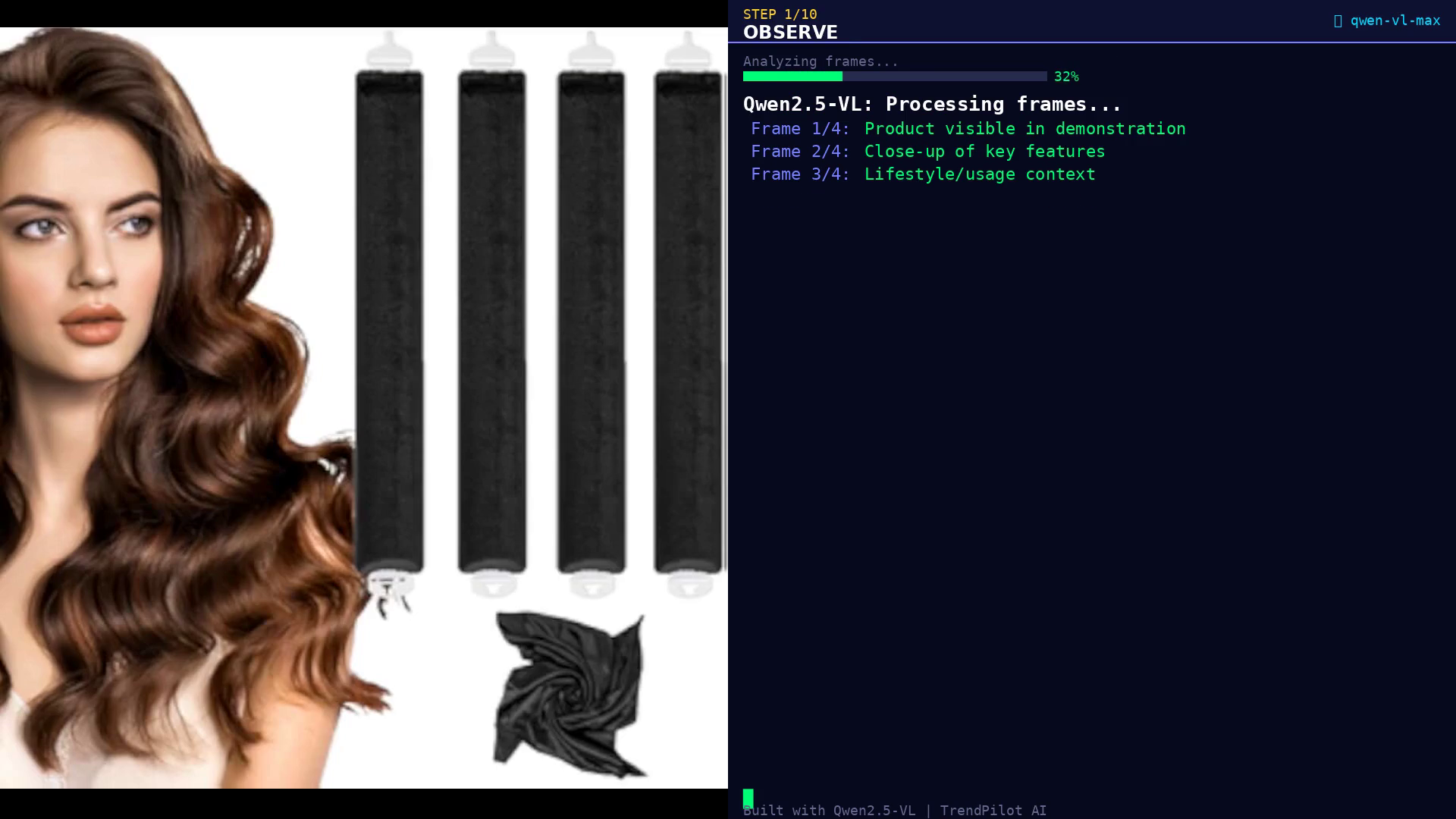
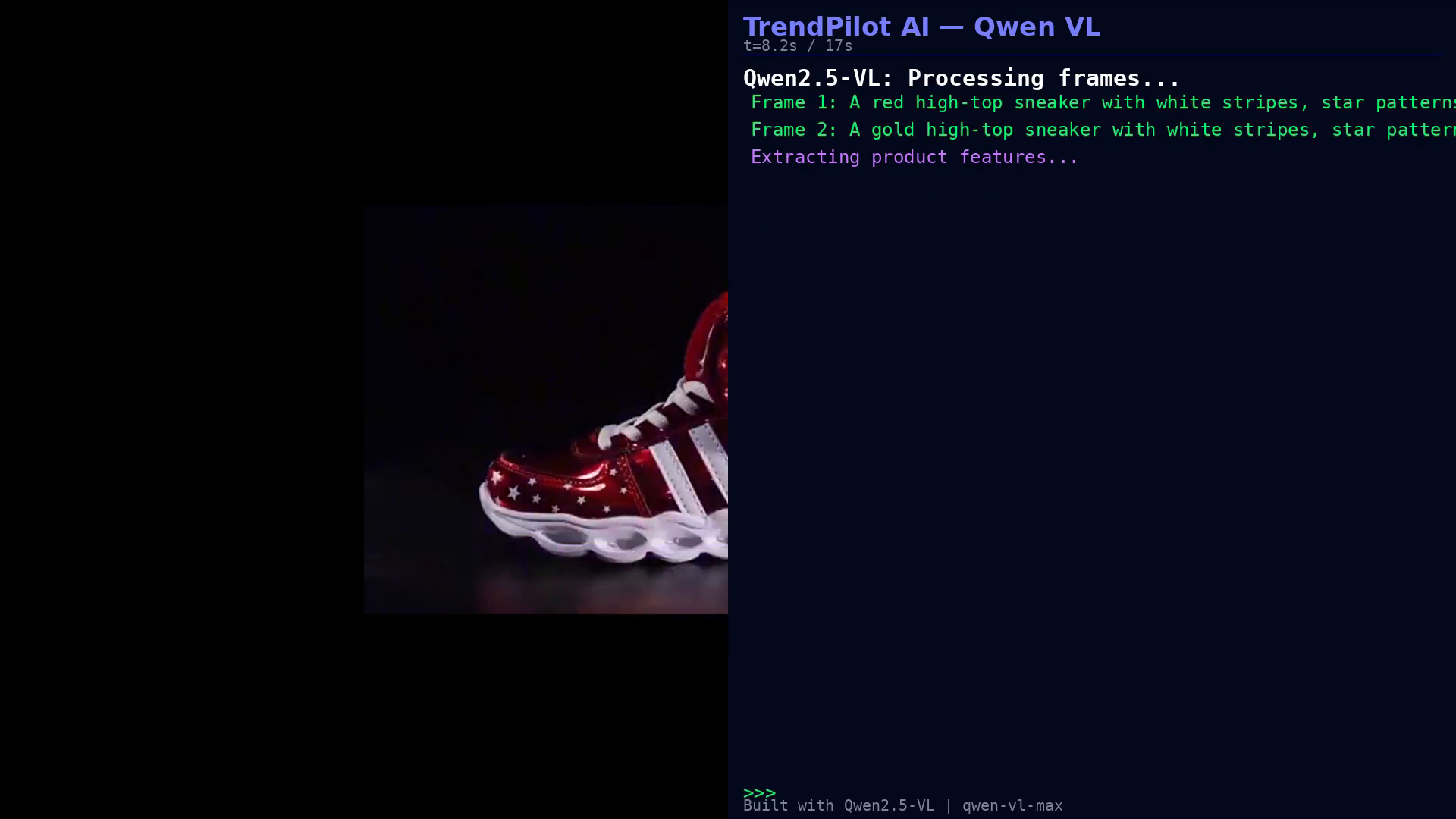
Discovers trending products from Chinese social media (Douyin), sources them from suppliers, lists them on Shopify, promotes them on Facebook and TikTok, and learns from performance data. | Step | What Happens | Qwen's Role | | ------- | ---------------------------------------------- | ------------------------------------------------------------------ | | OBSERVE | Pulls trending Douyin content | Qwen2.5-VL ingests real video frames, identifies products visually | | ANALYZE | Scores trend viability + crossover probability | Chinese NLP + visual extraction + cultural context scoring (0–100) | | SOURCE | Matches to supplier inventory | Semantic bridge: visual product → matching SKU across language gap | | CREATE | Drafts listings and social content | Copywriting grounded in trend origin and cultural translation | | PUBLISH | Posts to Shopify + social channels | Autonomous execution with margin guardrails (≥30% floor) | | LEARN | Sales outcomes reshape future scoring | Shopify orders → performance metrics → scoring weights adjust |
Loop 2 — Product Autopilot
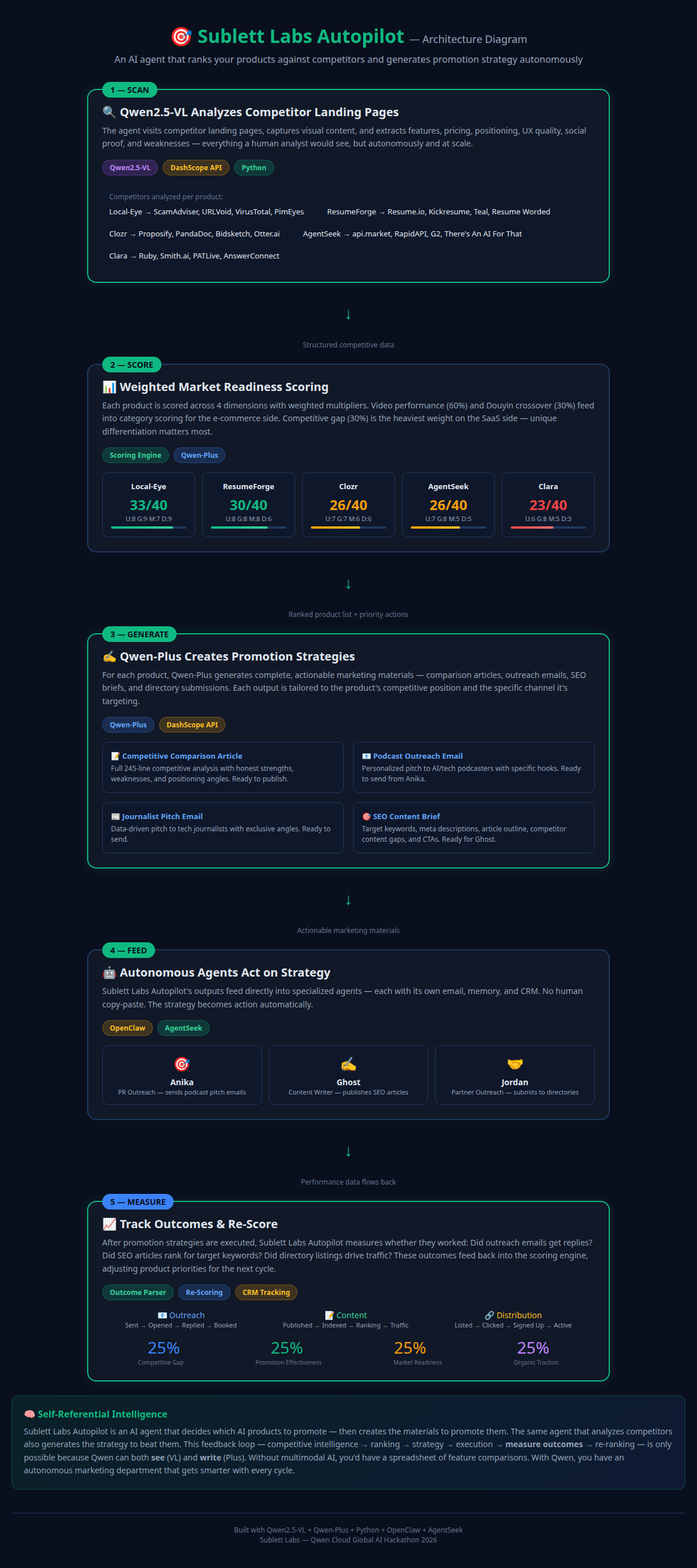
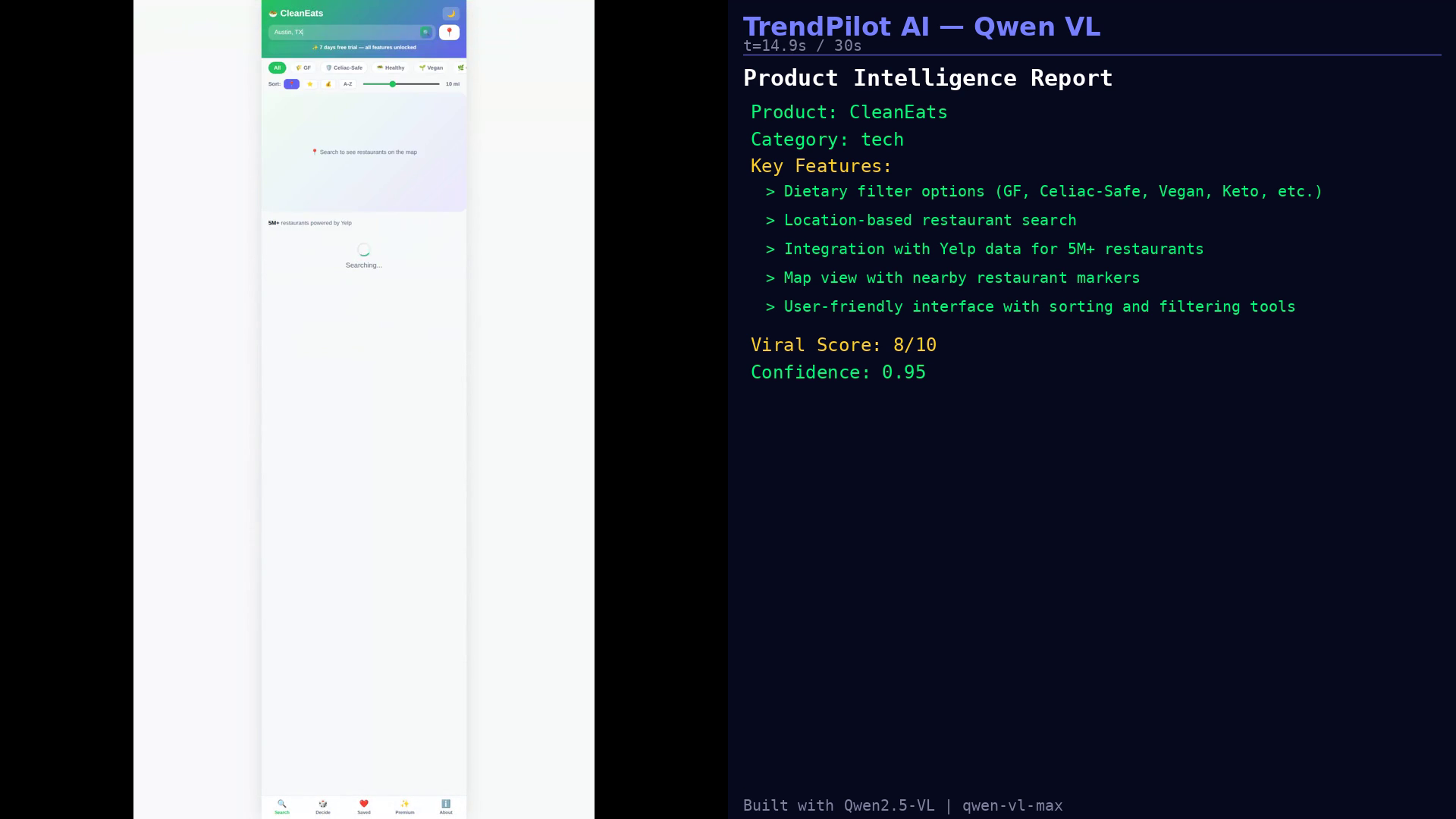
Scores our own SaaS products against competitors, generates promotion strategies, and feeds them to the marketing agents. | Step | What Happens | Qwen's Role | | -------- | -------------------------------------------------------- | ------------------------------------------------- | | SCAN | Analyzes competitor landing pages | Qwen2.5-VL reads layout, pricing, CTAs, messaging | | SCORE | Ranks products by market readiness | Qwen-Plus evaluates across 4 weighted dimensions | | GENERATE | Creates comparison articles, outreach emails, SEO briefs | Qwen-Plus generates content | | FEED | Routes #1 ranked product to Facebook posting agent | Autonomous routing | | MEASURE | Tracks post performance and conversions | Analytics feedback | | RE-RANK | Adjusts priorities based on real results | Weights adjust |
The Self-Referential Loop
Product Autopilot ranked Local-Eye (scam detection Chrome extension) as #1 at 31.8/40. Then Store Autopilot automatically promoted Local-Eye on Facebook. The system decided WHAT to promote and HOW to promote it — zero human input on that decision. The two loops feed each other.
How I built it
The core insight: Douyin trends migrate to TikTok US with a 4–18 week lag. That lag is a commercial window. Most sellers miss it because they search English hashtags. We watch Douyin videos directly — the actual visual content, not metadata — and act on what we find before the trend surfaces in Western markets.
Qwen integration is the architectural dependency:
• Qwen2.5-VL watches actual Douyin video frames — form factor, color palette, use case, demographic signals — to identify products that haven't been named in English yet. A trend that exists only as a visual phenomenon on Douyin is invisible to text-only pipelines. Qwen sees it. • Qwen-Plus generates English product descriptions from Chinese video analysis — cross-modal, cross-language. The semantic sourcing bridge converts visual product intelligence into supplier catalog matches across a language gap. "Rose-gold magnetic vanity mirror with LED ring lighting" → matching a Zendrop SKU described as "Mirror-LED-RG-v3." • Qwen-Agent orchestrates the multi-step workflow with tool calls. • PULSE adaptive scheduling decides WHEN to run based on real market signals, not cron. Momentum detection tracks 2nd derivative of performance scores for breakout detection.
Crossover probability scoring isn't just keyword matching. Qwen evaluates whether a trend will cross from Chinese to Western markets by reasoning about visual novelty, replication difficulty, and cultural portability. Our three documented crossovers (Mochi Bread 94/100, Claw Clips 91/100, Mini Fridges 87/100) all scored correctly because Qwen reasons about cultural transfer, not just keyword popularity.
Challenges I faced
Cross-language product matching — the hardest part. A product shown in a Douyin video has a Chinese name. Zendrop and CJ Dropshipping list in English. Building the semantic bridge between what Qwen VL sees and what the supplier catalog calls it took multiple iterations.
Hallucination guardrails — AI agents want to be helpful. Ours would "confirm" bookings that were never offered, or source products that didn't exist. We added a deterministic state machine layer between the LLM and the tools — the model can't book an appointment without explicit caller request, can't promise a timeframe without checking the schedule. ~50 lines of guard logic.
Human-in-the-loop design — the agent surfaces recommendations, the human approves. The product cull (181 → 106 products) is the clearest example: the AI scored and surfaced 75 low-trendability products, the human approved archiving them. The system makes better decisions with oversight, not without it.
What I learned
• Production data beats demo data. Every time. The 160+ real products, real TikTok views, real Shopify orders — that's the moat. A demo can be built in a weekend. A system that's been running for months can't be faked. • The feedback loop is the product. The pipeline (OBSERVE → SOURCE → PUBLISH) is table stakes. The LEARN phase — where sales outcomes reshape future scoring — is what makes it autopilot, not just automation. • One model family that can both see (VL) and write (Plus) is the architectural dependency. That's why we chose Qwen. Splitting vision and text across different providers creates integration friction that compounds.
Production results
This isn't a demo. It's been running for months:
• 160+ Shopify products in the catalog through the pipeline • 175+ products listed, real TikTok views (top video: 699 views, 14 likes), real Facebook engagement • Heatless curlers scored 8.45/10 viability, listed at $24.99 with 62% margin • Boxing headgear scored 6.85/10, below auto-approval threshold, flagged for human review
• Typical product margins: 62–67% with verified supplier costs per product • 75 products archived based on AI recommendation + human approval (181 → 106 curated) • PULSE adaptive scheduling running daily with breakout detection
The feedback loop
Three learning surfaces, not just one:
- Sales loop: Shopify order webhooks → performance metrics → Qwen evaluates what works and why → scoring weights adjust
- Session loop: GA4 data → which products get views vs. conversions → identifies pattern mismatches (500 views + 0 sales = thumbnail problem, not product problem)
- PULSE system: Adaptive scheduling that evaluates trend momentum — HOT/WARM/COLD signals determine when the agent runs, with breakout detection for accelerating trends
Each cycle makes the next one smarter. The gap between prediction and outcome tightens with every product listed.
Built With
- ai-&-language-models:-?-qwen2.5-vl-(multimodal-vision-language-model-?-primary-differentiator-for-douyin-video-analysis)-?-qwen-plus-(text-generation-?-product-descriptions
- analytics)-analytics-&-learning:-?-google-analytics-4-(session-tracking
- api-integrations)-?-openclaw-(multi-agent-orchestration-?-jarvis-?-store-manager-?-social-media-manager)-?-cron-based-automation-(daily-sourcing
- conversion-attribution
- crossover-scoring)-?-qwen-turbo-(fast-inference-?-real-time-pipeline-decisions
- engagement-tracking)-?-youtube-data-api-(shorts-uploads
- hashtag-analysis)-?-facebook-graph-api-(reels-publishing
- hot/warm/cold-signals)-?-sqlite-(trend-scores
- inference
- inventory-management)-?-zendrop-api-(supplier-sourcing
- local
- margin-calculations)-e-commerce-&-apis:-?-shopify-admin-api-(product-publishing
- momentum-detection
- order-webhooks
- otp-automation)-?-cj-dropshipping-(alternate-supplier-integration)-social-media-&-content:-?-tiktok-creative-center-(trend-detection
- performance-history)-infrastructure:-?-python-(pipeline-orchestration
- posting-schedules
- product-catalogs
- pulse-data-collection)-?-n8n-(workflow-automation
- real-time-cost-verification
- scoring
- seo
- social-media-captions
- traffic-source-analysis)-?-custom-pulse-scoring-engine-(adaptive-scheduling
- webhook-handling)-cloud-&-hosting:-?-qwen-cloud-api-(hackathon-credits-for-inference)-?-tailscale-funnel-(secure-tunneling-for-webhooks-and-dashboards)-?-local-gpu-deployment-(rtx-3090-?-comfyui-video-generation


Log in or sign up for Devpost to join the conversation.