-
-
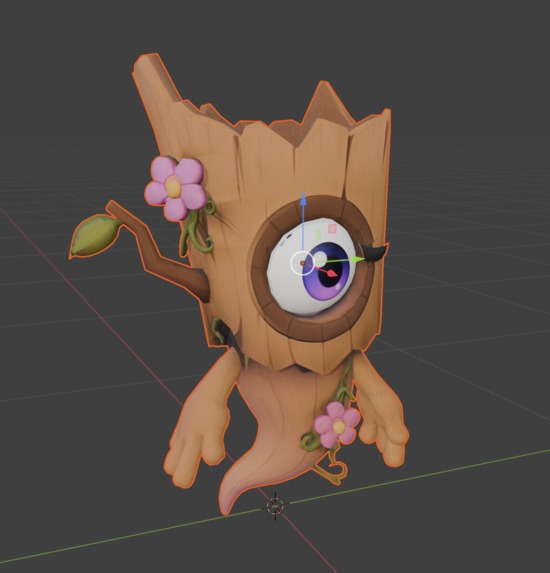
3D model of Pepper the Tree Sprite
-
Logo
Inspiration
As makers, educators, and XR creators, we're always looking for ways to bridge the gap between the digital and physical worlds. We were inspired by the idea that a simple object—like a tree—could become an interactive portal for learning, storytelling, and exploration through augmented reality.
We wanted to create an experience that demonstrated how spatial computing can transform everyday environments into immersive experiences. By combining 3D modeling, physical fabrication, and AR interaction, we explored how digital content can be anchored to real-world objects in a meaningful way.
The project was developed as part of the Snapchat Spectacles Hackathon, giving us an opportunity to experiment with wearable AR technology and build an experience designed specifically for hands-free interaction.
What it does
Tree XR transforms a physical tree model into an interactive augmented reality experience.
When viewed through Snapchat Spectacles, users can see digital content layered directly onto the tree. Interactive elements appear around the branches and canopy, creating a mixed-reality experience that blends physical craftsmanship with digital storytelling.
The project demonstrates how physical models can serve as anchors for immersive educational experiences, museum exhibits, public art installations, and community storytelling projects. Rather than viewing AR as something that exists only on a screen, Tree XR encourages users to engage with digital content as part of the real world around them.
How we built it
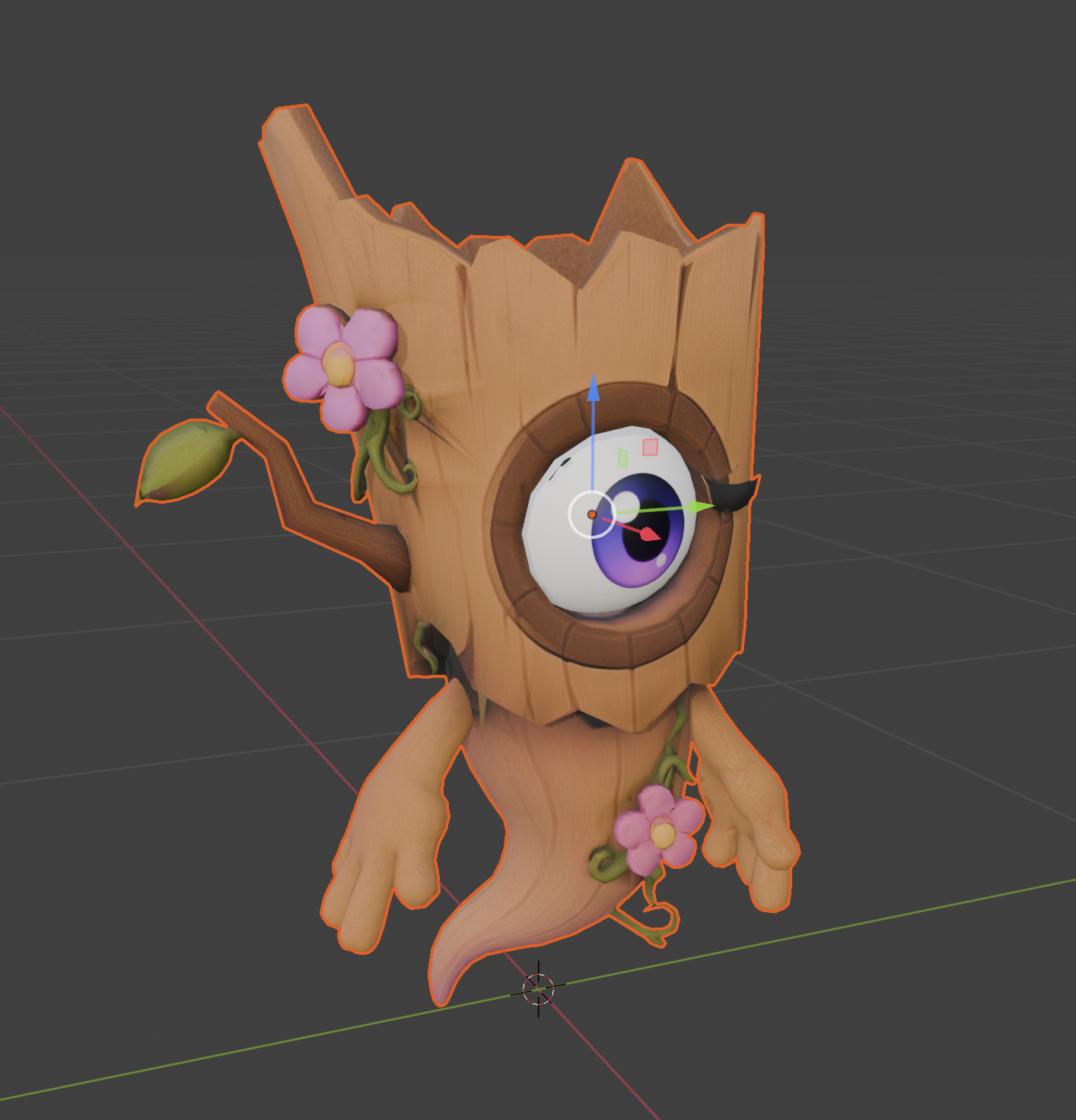
We began with concept sketches to establish the visual direction of the tree, its characters, and the overall interactive experience. Those early drawings guided every part of the project, from structure to storytelling. Using Trippo AI, we translated our sketches into a 3D model of Pepper, our main character, and used AI tools to generate supporting assets such as the leaves, directly informed by our hand-drawn designs.
For the physical build, we created a lightweight, travel-ready prototype of a birch tree designed specifically for the hackathon presentation. The structure was assembled from multiple 8.5" × 11" printed segments mounted onto cardboard and attached to a portable coat stand, allowing it to be easily packed and transported on a plane. We also built physical cutouts of the owl and bird characters, mounting them onto cardboard so the full scene could be clearly presented during demos.
After finalizing the physical installation, we developed the augmented reality experience in Lens Studio for Snapchat Spectacles. Using spatial anchoring, we aligned digital content precisely with the physical tree so that virtual elements appeared fixed to specific branches and areas of the structure. Through continuous testing and iteration, we refined both the physical setup and the AR interactions, ultimately creating a cohesive mixed-reality experience that combined handcrafted fabrication, AI-generated assets, and wearable augmented reality.
Challenges we ran into
We had a hard to work at learning Lens Studio for the first time. Time management was challenging with full time jobs on the side.
Accomplishments that we're proud of
We came together to create an amazing idea through storytelling, education and fun. We discovered a great intersection between storytelling, education and environmentalism.
What we learned
We learned that exploring the ecosystem around trees can be fun and exciting.
What's next for Tree XR
We have several ideas on how to expand this project with more animation, a connected virtual forest that will make this project multiplayer and getting more people excited about conservation and the ecosystem.


Log in or sign up for Devpost to join the conversation.