-
-
AR Treasure Quest (1)
-
AR Treasure Quest (2)
-
Cover art ideas (1)
-
Cover art ideas (2)


Inspiration
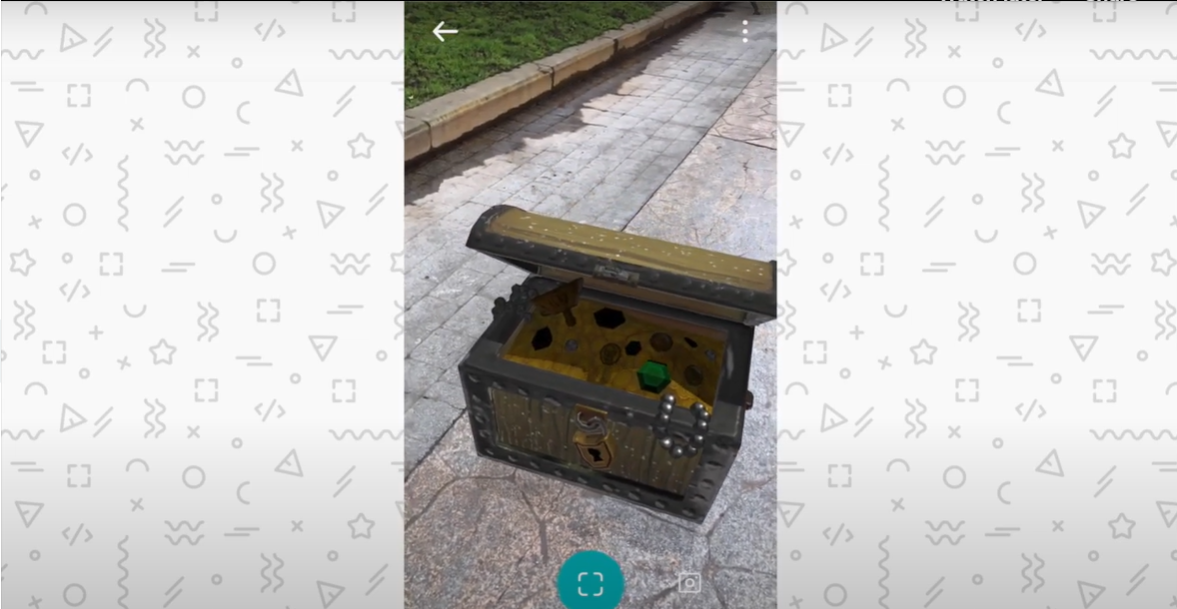
We took inspiration to Pirate Treasure hunt films and video games. Everybody love travelling adding augmented reality with it for a Treasure Hunt could make your travels and the use of GPS more enjoyable and entertaining!
What it does
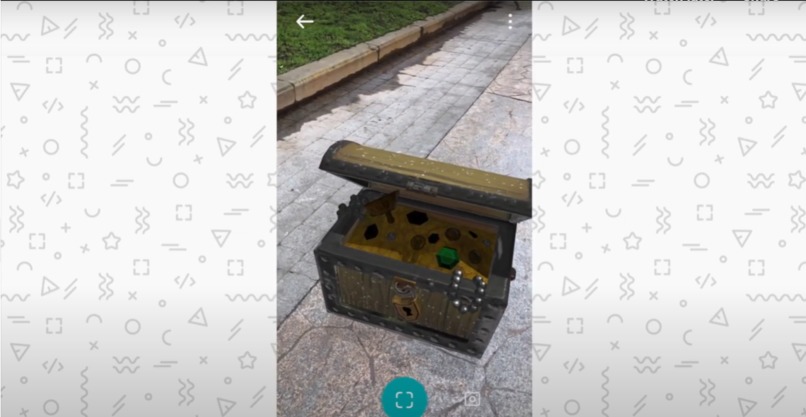
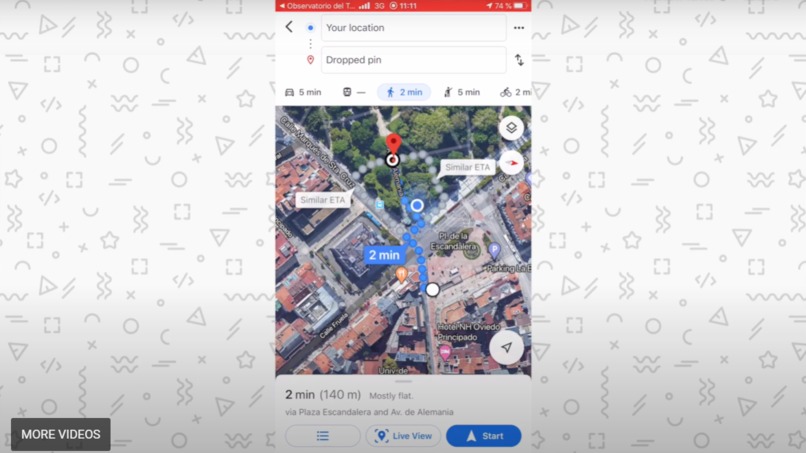
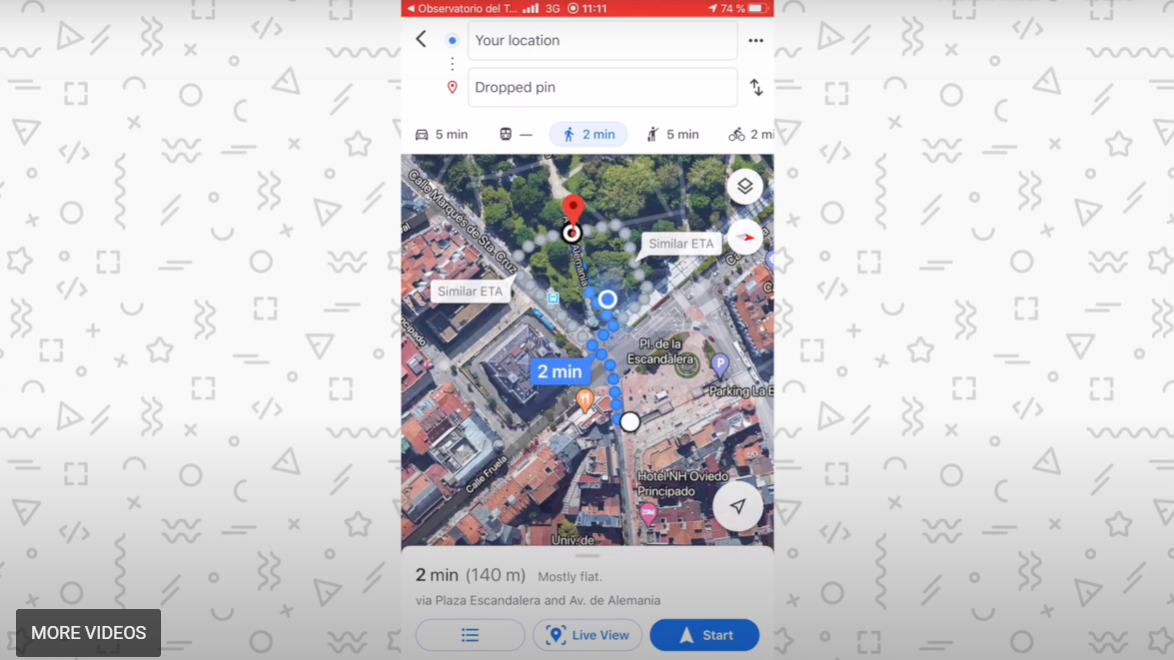
An AR treasure hunt game that guides the user to different locations to find virtual treasures. The application could use the Geospatial API to anchor AR objects to specific locations on a map, and display a clue or hint to the user when they are near the location of a treasure.
How we built it
The application could use the Geospatial API to anchor AR objects Uses ARCore's Session and Frame classes to set up an AR session and track the device's location. Include interactive elements or mini-games that the user must complete in order to progress to the next location. For example, you could have the user solve a puzzle or complete a physical challenge (such as a balancing task or a memory game) in order to reveal the next clue.
Adding different types of treasures or collectibles that the user can find throughout the game. For example, you could have rare or valuable items that are harder to find, or have the user collect a set of items in order to unlock a special reward.
Incorporating augmented reality features beyond just placing 3D models on the map. For example, you could use ARCore's image recognition feature to allow the user to scan real-world objects and trigger special events or interactions, or use ARCore's face tracking feature to allow the user to customize and animate virtual masks or hats.
Adding multiplayer elements to the game, such as leaderboards or challenges that users can compete in with their friends. This could add an element of competition and social interaction to the game.
Challenges we ran into
Ensuring accurate location tracking: One of the key challenges of building an AR treasure hunt game is ensuring that the AR objects are displayed at the correct locations on the map. This requires accurate tracking of the device's location, which can be affected by factors such as GPS accuracy, internet connectivity, and the availability of visual features in the environment. To address these issues, you may need to implement techniques such as filtering, prediction, and dead reckoning to improve the accuracy of the location tracking.
Designing engaging gameplay: Another challenge is designing gameplay that is engaging and challenging for users. This may involve creating interesting and varied clues and challenges, as well as balancing the difficulty of the game to keep it enjoyable for players of all skill levels.
Optimizing performance: AR applications can be resource-intensive, and it's important to ensure that your game runs smoothly on a wide range of devices. You may need to optimize the performance of your game by reducing the complexity of the AR models and effects, and by using efficient algorithms and data structures.
Ensuring a seamless user experience: Finally, it's important to ensure that the user experience of your game is seamless and intuitive. This may involve designing a user interface that is easy to use and navigate, and providing clear instructions and feedback to the user throughout the game.
Accomplishments that we're proud of
The working innovative ideas we are proud of and also the simple coding/program for it to run too using remote assets in the Geospatial API. We are proud of Augmented Reality video game created with Geospatial API that is entertaining and breathtaking!
What we learned
ARCore and the Geospatial API: You'll learn how to use ARCore and the Geospatial API to create AR experiences that are anchored to specific locations on a map. You'll also learn about features such as plane detection, light estimation, and image recognition, and how you can use these features to create more immersive and interactive AR experiences.
Location tracking: You'll learn about techniques such as filtering, prediction, and dead reckoning, and how you can use these techniques to improve the accuracy of location tracking in your AR game.
Game design: You'll learn about the principles of game design, including how to create engaging gameplay, how to balance difficulty, and how to design a user interface that is easy to use and navigate.
Performance optimization: You'll learn about ways to optimize the performance of your AR game, including techniques for reducing the complexity of AR models and effects, and using efficient algorithms and data structures.
User experience design: You'll learn about the importance of designing a seamless and intuitive user experience, and how to create a user interface that is easy to use and navigate.
What's next for Treasure Hunt
Add more levels or stages to the game, each with its own set of clues and challenges. This will give players more content to explore and keep them engaged with the game.
Incorporate more AR features and mini-games to add depth and variety to the gameplay. For example, you could use ARCore's image recognition feature to allow players to scan real-world objects and trigger special events or interactions, or use ARCore's face tracking feature to allow players to customize and animate virtual masks or hats.
Add multiplayer elements to the game, such as leaderboards or challenges that players can compete in with their friends. This could add an element of competition and social interaction to the game.
Optimize the performance of the game by reducing the complexity of the AR models and effects, and by using efficient algorithms and data structures.
Continuously improve the user experience by gathering feedback from players and making updates and improvements based on that feedback.
Built With
- android-studio
- ar
- arcore
- augmented-reality
- gamemaker
- geospatial
- github
- javascript
- visual-studio


Log in or sign up for Devpost to join the conversation.