
Inspiration
I built Travl because I got tired of manually tracking visa days and worrying that one missed deadline could turn into an expensive mistake.
By 21, I'd traveled to more than 13 countries and spent a lot of time living abroad as a digital nomad.
I was constantly checking passport stamps, Googling changing visa rules, counting days, and setting reminders for dates I couldn't afford to forget.
Then in Bali, I nearly missed my visa extension because immigration offices were closing for a national holiday. I knew when my visa expired, but that didn't matter much if the office I needed was closed before I could extend it.
That experience exposed the bigger problem.
Travelers don't just need to know a country's visa limit. We need to know:
How many days do I have left?
When do I need to leave?
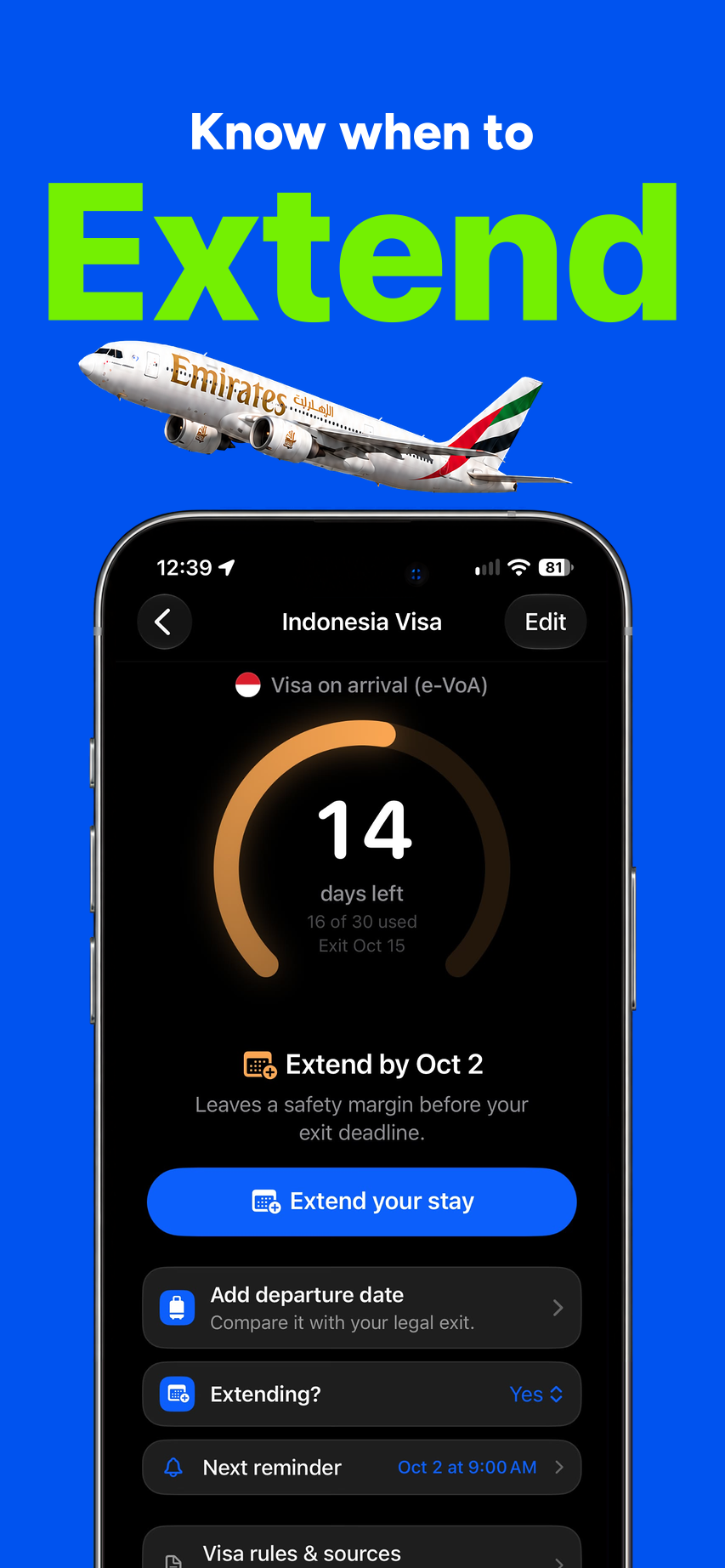
When should I extend?
Is there anything that could make me act sooner?
Nearly every nomad or expat I know has either dealt with an overstay or knows someone who has. It's surprisingly common for something that can lead to fines, immigration complications, disrupted travel plans, and a lot of unnecessary stress.
We have apps that automatically track our flights, spending, sleep, and screen time.
Why are travelers still manually counting the days they're legally allowed to stay somewhere?
So I built the solution to my own problem.
Travl answers the question I kept asking myself: How many days can I legally stay right now?
What it does
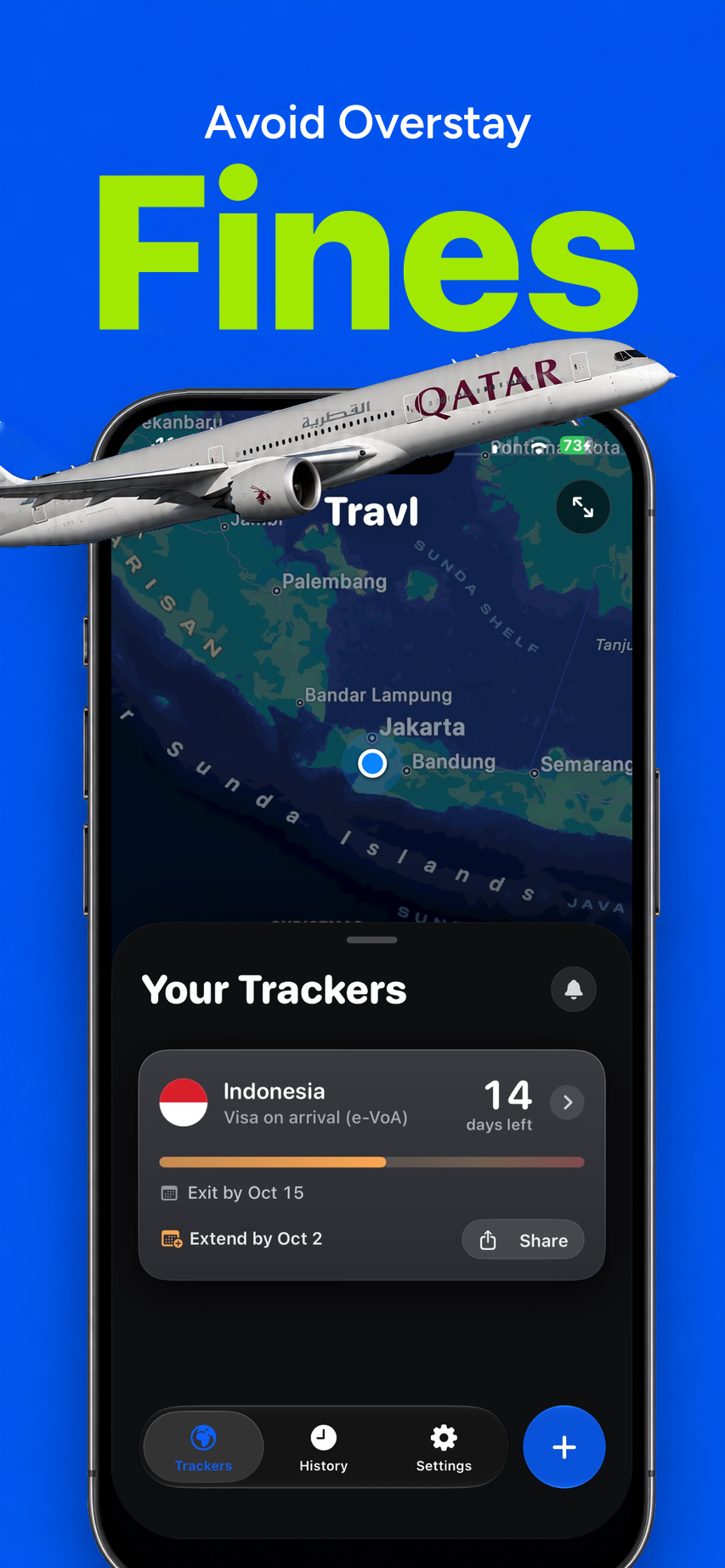
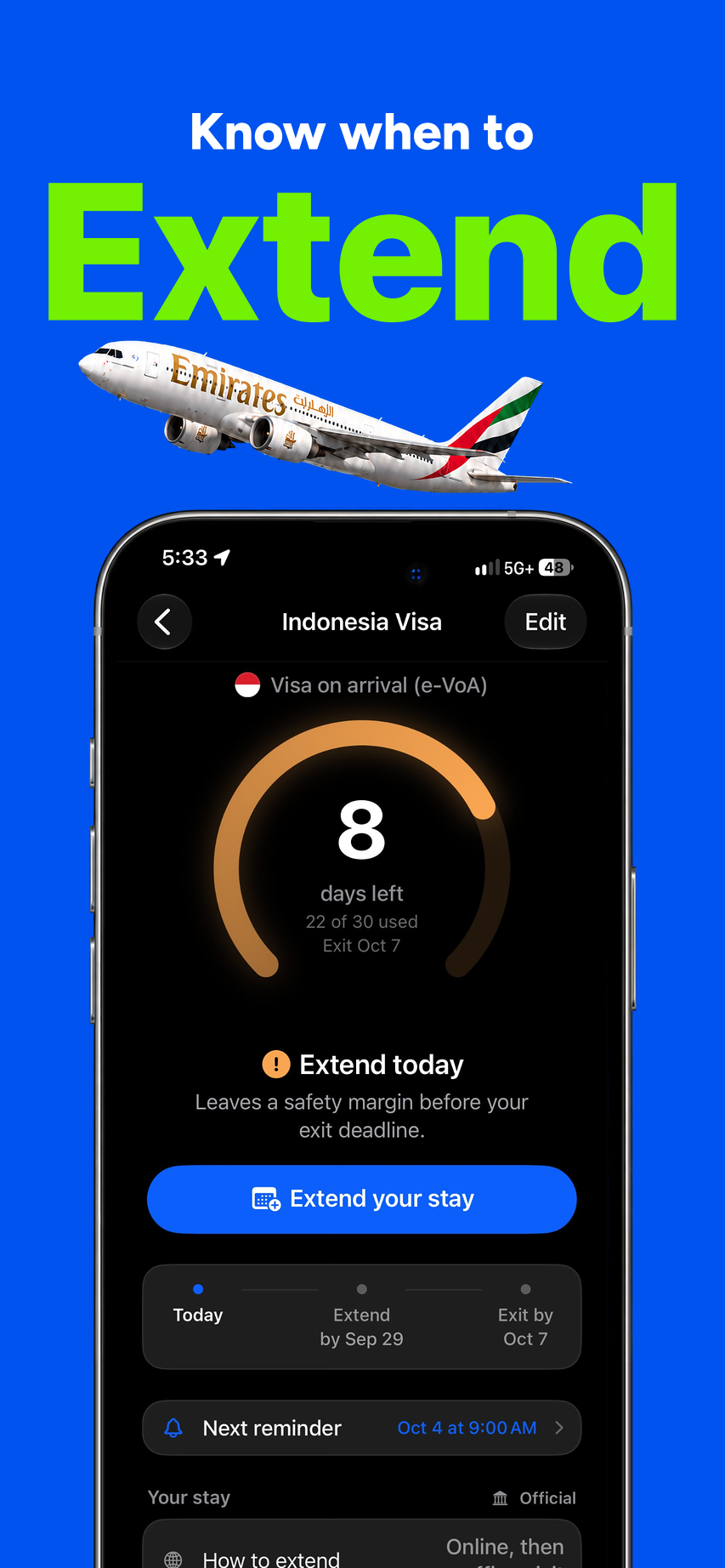
Travl turns messy travel compliance into a simple answer you can understand in seconds.
It brings visa and permitted-stay tracking, country days, Schengen 90/180 calculations, tax-residency thresholds, passport deadlines, and travel history into one place.
Instead of just showing where you've traveled, Travl focuses on what you need to know next.
For example:
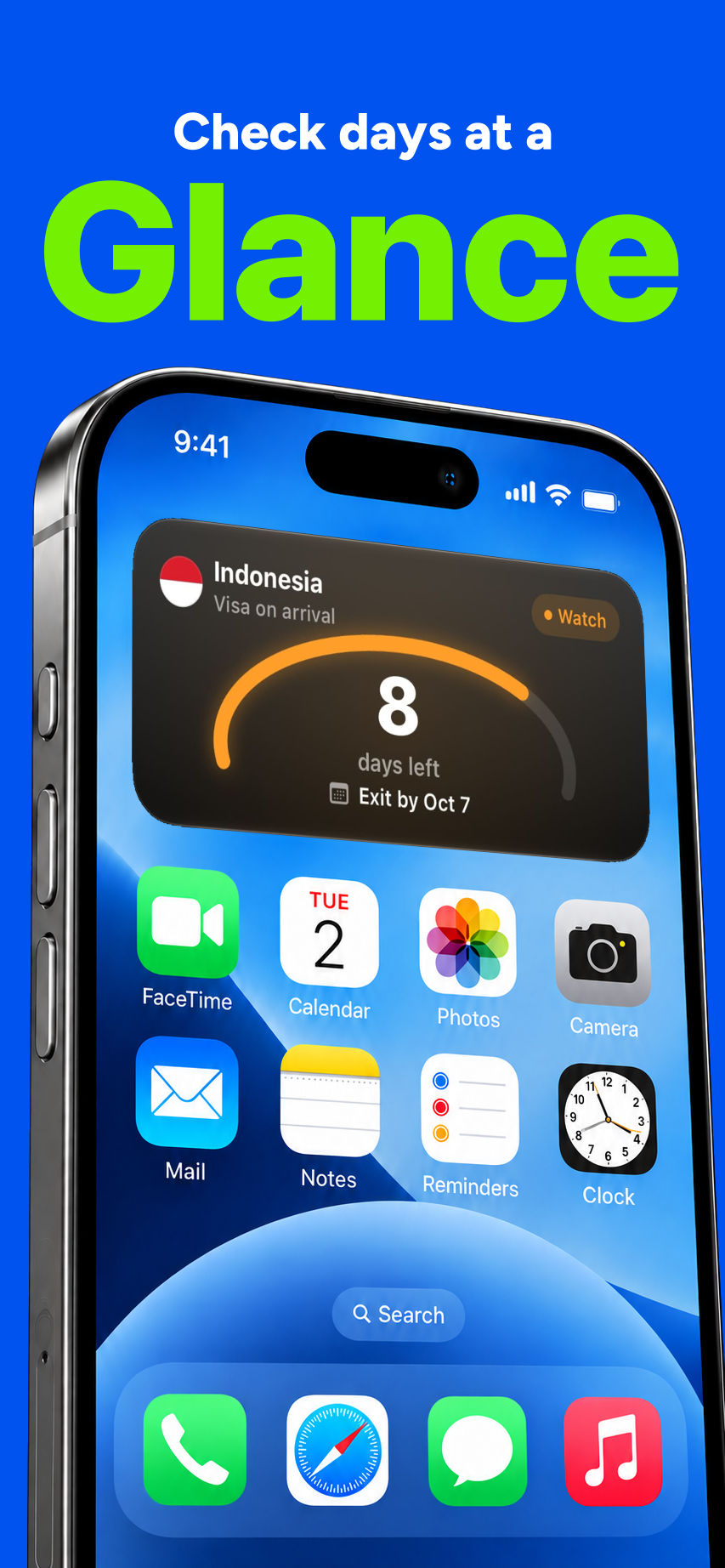
25 of 30 days used.
6 days left.
Exit by September 9.
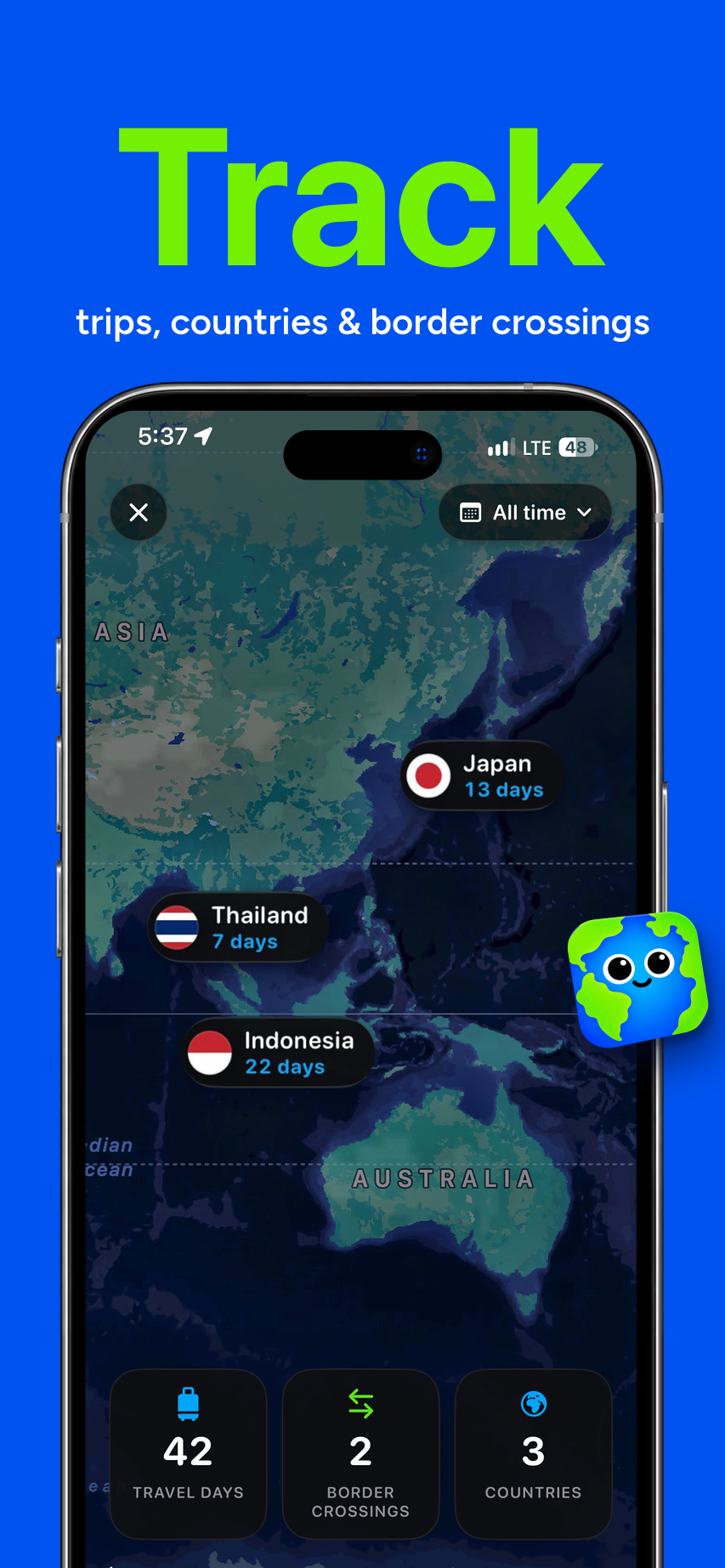
With permission, Travl can detect country changes and help maintain your travel history automatically. It can also:
- Track days used and remaining
- Calculate rolling Schengen 90/180 stays
- Monitor presence-based tax-residency thresholds
- Track passport validity and important deadlines
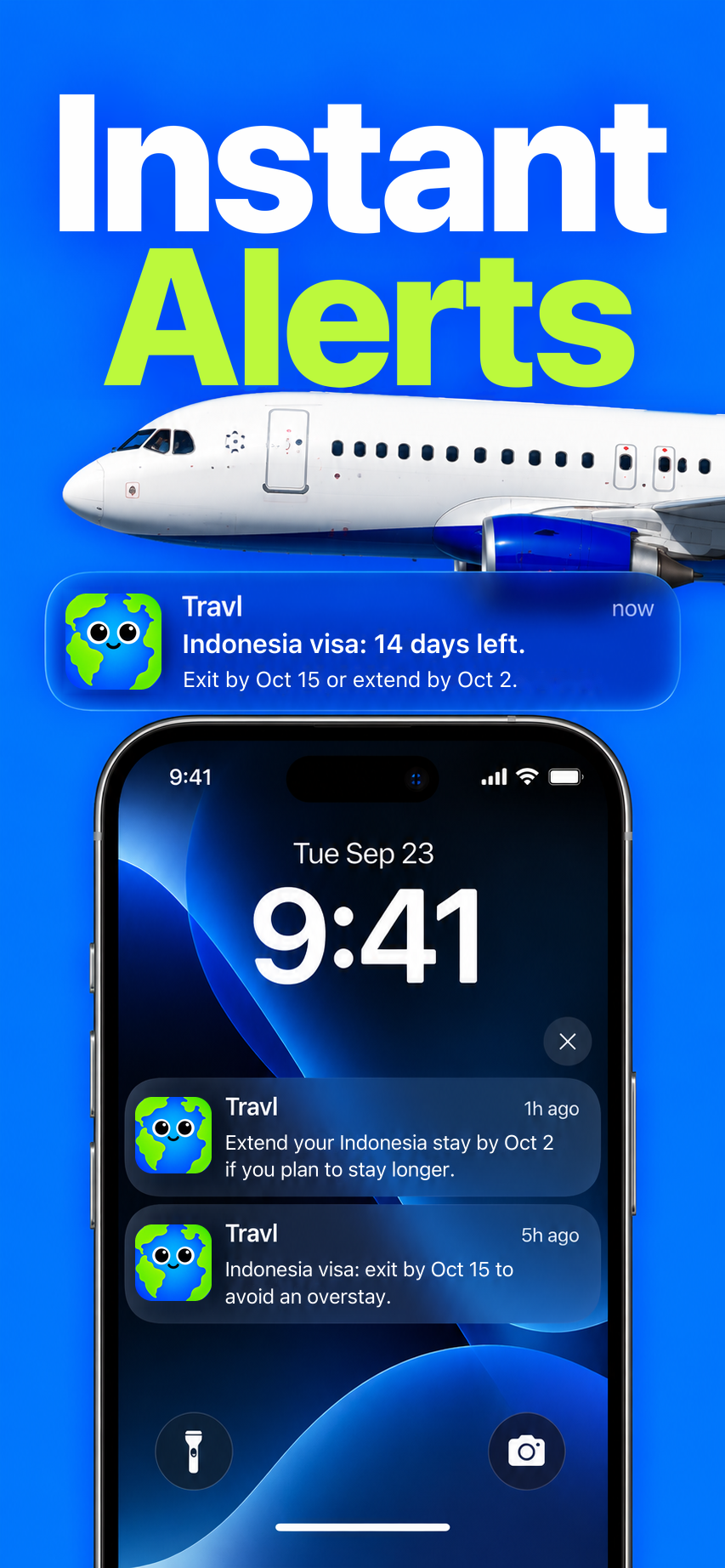
- Surface extension windows and upcoming actions
- Send reminders before important travel deadlines
- Maintain travel history and border crossings
- Export travel records when needed
The problem Travl solves isn't a lack of immigration information. There's plenty of information online.
The problem is turning that information into something personal, understandable, and actionable before a traveler makes an expensive mistake.
No spreadsheets.
No manually counting passport stamps.
No realizing at immigration that you should have left three days ago.
How I built it
Travl is a native iOS app built with Superapp, an AI-powered no-code iOS builder that generates the app in SwiftUI.
As a solo founder, I designed and built the product end-to-end: the product concept, UX/UI, tracking experience, compliance logic, backend integrations, subscriptions, notifications, and App Store release.
I used Superapp to build the interface and core native iOS experience, with Superapp Cloud handling backend infrastructure and server-side logic.
For travel-compliance data, Travl integrates the Travel Buddy API to retrieve visa requirements and stay-rule data. Travl then uses its own tracking logic to turn that structured information into personalized deadlines and calculations.
The OpenAI API powers AI-assisted experiences within Travl, while compliance calculations are grounded in structured travel-rule data rather than generated assumptions.
RevenueCat handles Travl Premium, including subscriptions, entitlements, and access to paid features.
Built with
- iOS + SwiftUI — native app experience
- Superapp — AI-assisted no-code development
- Superapp Cloud — backend infrastructure
- Travel Buddy API — visa and travel-requirement data
- OpenAI API — AI-assisted product experiences
- RevenueCat — subscriptions and entitlements
This stack let me take a problem I'd personally experienced while traveling and turn it into a real native iOS product that's now live on the App Store.
Challenges I ran into
The funny thing about building a country-days tracker is that counting days is the easy part.
The rules behind those days are not.
A traveler's situation can depend on their destination, passport, arrival date, visa or entry type, permitted stay, previous travel, extensions, and other conditions.
Schengen adds a rolling 90-day period within the previous 180 days.
Tax residency introduces completely different thresholds.
Extensions have their own rules and deadlines.
Passports expire.
Immigration rules change.
Then there are real-world edge cases, like the one that almost caught me in Bali. A deadline on paper doesn't necessarily tell you the last practical day you should act.
One of the hardest parts wasn't figuring out how to put more information into Travl.
It was deciding what information I could remove while still giving someone enough context to make the right decision.
I kept coming back to one test:
If I'm exhausted after a flight and open Travl for five seconds, can I tell whether I'm okay?
If not, it still wasn't simple enough.
Another challenge was making all of this complexity feel invisible.
The backend can be complicated. The user's answer shouldn't be.
Accomplishments that I'm proud of
I'm proud that Travl shipped.
It isn't a concept built just for a hackathon. It's a real product available on the App Store today, built around a problem I've personally experienced while traveling.
I went from nearly missing an immigration deadline in Bali to designing the product I wished I'd had in that moment, building the tracking experience, integrating RevenueCat, working through App Store review, and putting Travl into the hands of other travelers.
I built it as a solo founder and took it from an idea to a shipped iOS product.
That feels especially meaningful because the problems Travl is trying to prevent are real.
If Travl reminds someone to extend before a deadline, catches an approaching Schengen limit, or simply prevents one traveler from paying an avoidable overstay fine, then the app has done something genuinely useful.
What I learned
The biggest thing I learned is that travelers don't need more immigration information.
They need clarity.
A government website might tell you that you're permitted to stay for 30 days.
That can still leave you figuring out:
- When does day one start?
- What day am I on now?
- How many days do I have left?
- When do I need to leave?
- Can I extend?
- When should I start that process?
- Is another rule or threshold approaching?
Most travelers don't want to become experts in immigration calculations.
They want four answers:
How many days have I used?
How many do I have left?
When do I need to leave?
Do I need to do anything before then?
Building Travl also reinforced why I love building for a community I'm actually part of.
This product didn't start with a trend report or a TAM slide.
It started with passport stamps, border crossings, visa runs, reminders, immigration offices, and conversations with other travelers dealing with the same problems.
It's an app for nomads, built from actually being one.
What's next for Travl
There are already apps that can count how many days you've spent in a country.
I don't want that to be where Travl stops.
My goal is to move Travl from country-day tracking to proactive travel compliance.
Instead of asking travelers to understand every rule and configure every counter themselves, I want Travl to increasingly understand the context around a trip: where you're traveling, how long you've been there, what you're tracking, which deadlines are approaching, and what deserves your attention first.
That means:
- Deeper visa and permit tracking
- Broader country and passport coverage
- Smarter extension and deadline alerts
- More personalized tax-residency tracking
- Better rule-change monitoring
- Increasingly automatic travel history
- More proactive guidance before important deadlines
I also want Travl to evolve alongside new Apple hardware and interfaces rather than simply stretching today's iPhone experience onto tomorrow's devices.
The goal is for Travl to become especially useful in the moments it was built for: crossing a border, sitting in an airport, planning the next country, extending a stay, or standing at an immigration office.
Long term, I don't want Travl to be another app that tells you where you've been.
I want it to tell you what you need to know next.
The ideal version of Travl quietly keeps track in the background and gets your attention before something becomes a problem.
So wherever you land, the question that started Travl should already have an answer:
How many days can I legally stay right now?
Redeem code: FREETRAVL for free access to test out Travl app!
Built With
- ios
- openai
- revenuecat
- swiftui



Log in or sign up for Devpost to join the conversation.