-
-
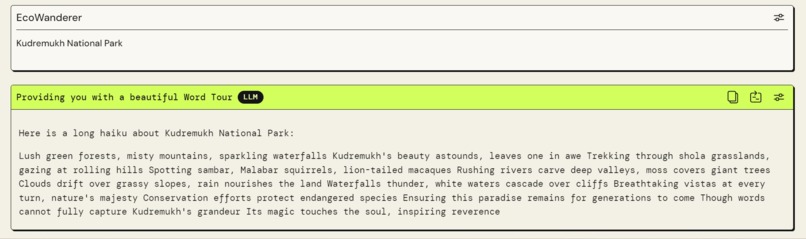
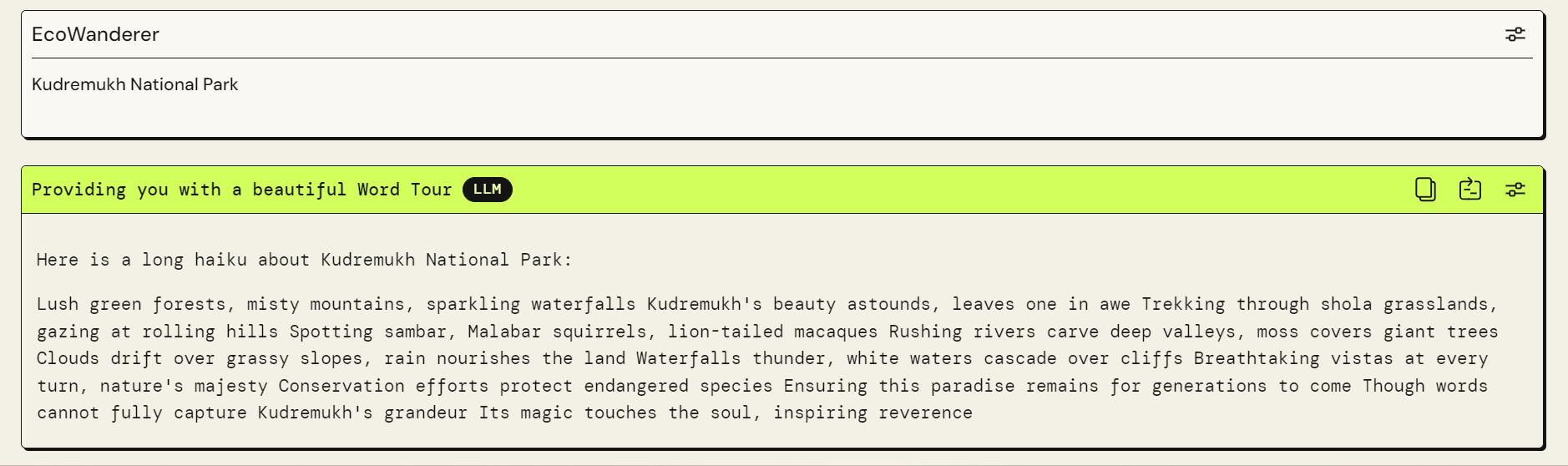
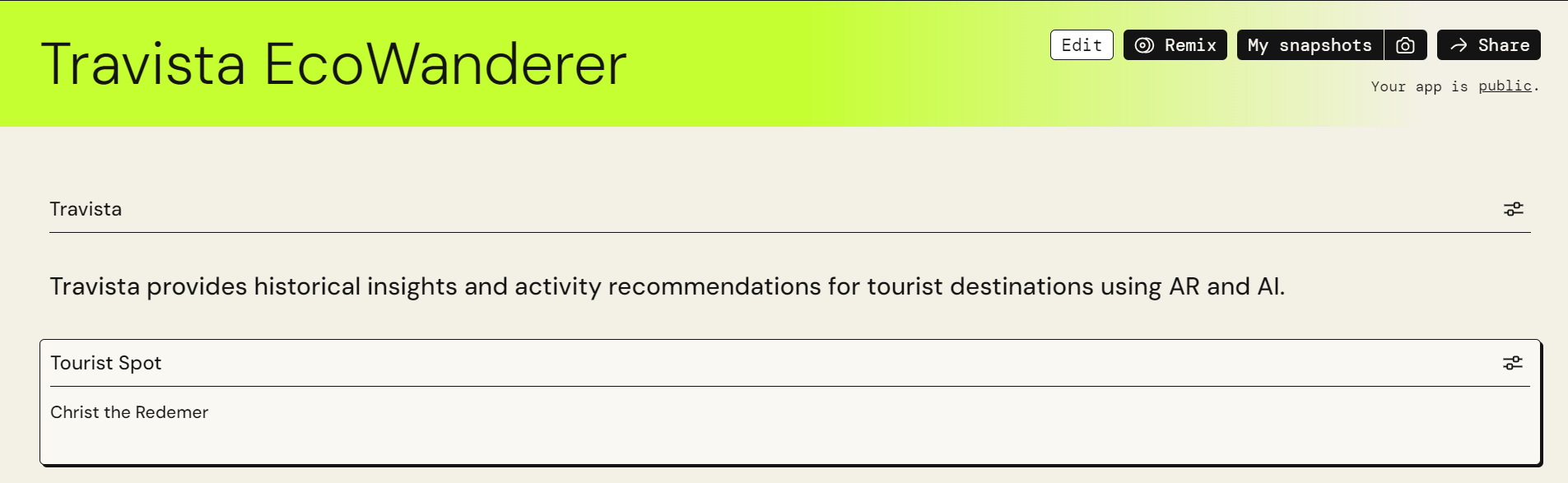
The EcoWanderer feature of this app takes the input from user of the ecological spot the user wants a virtual tour of along with a haiku
-
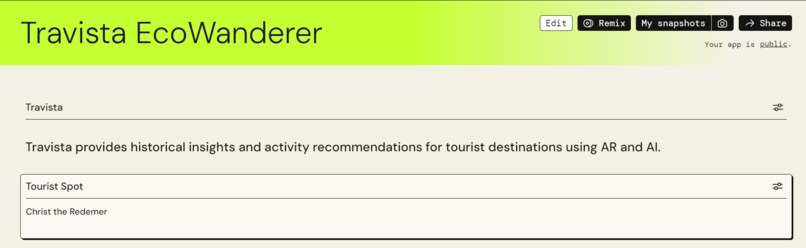
Takes input of tourist location the user wants to visit or is visiting and wants more information to soak in the spirit of the destination
-
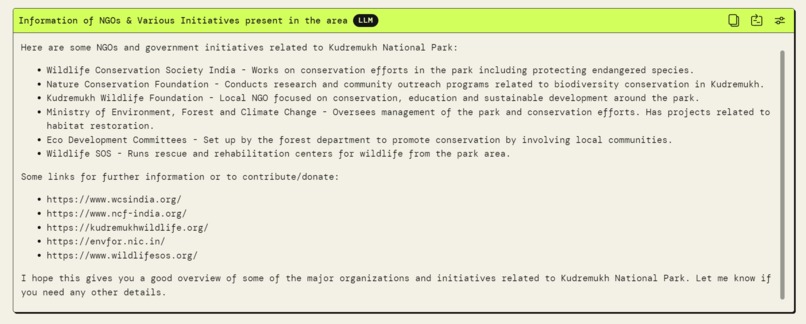
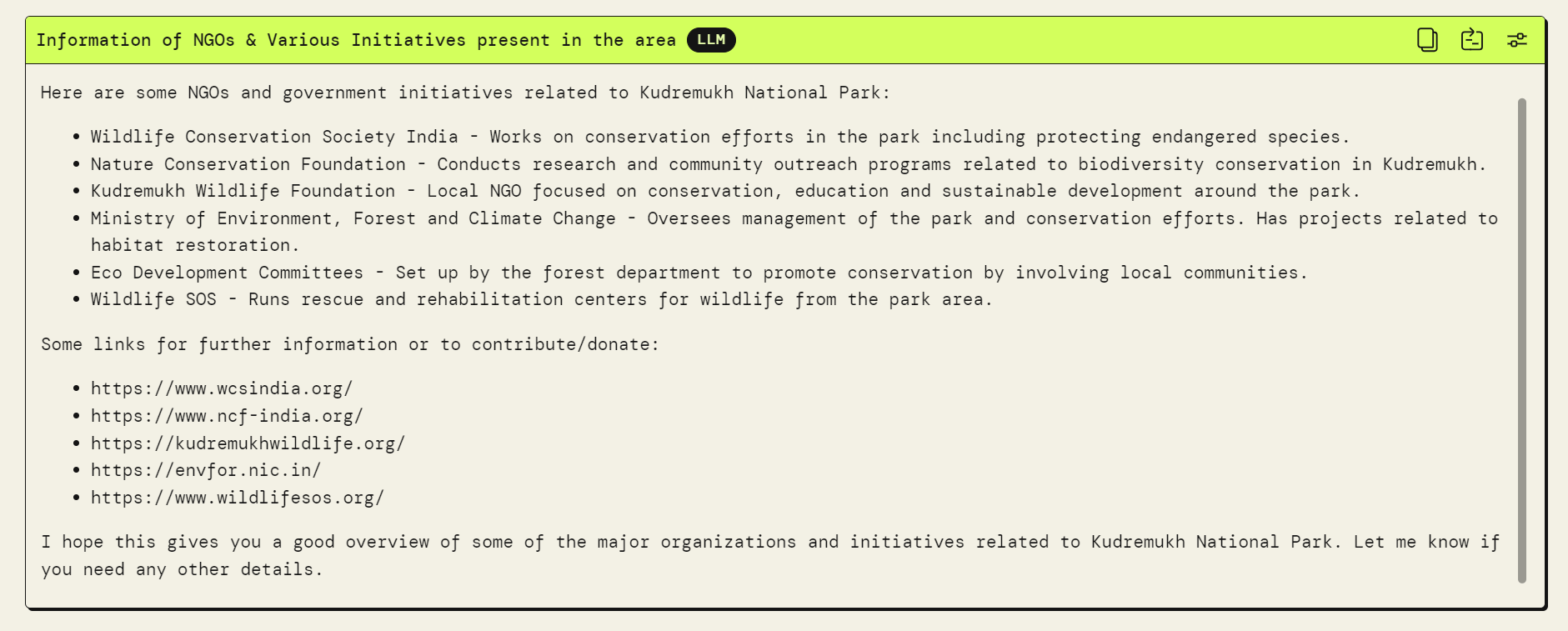
Information about & Links to NGO's and Government Initiatives taken up to preserve anything in the area is generated so user can contribute
-
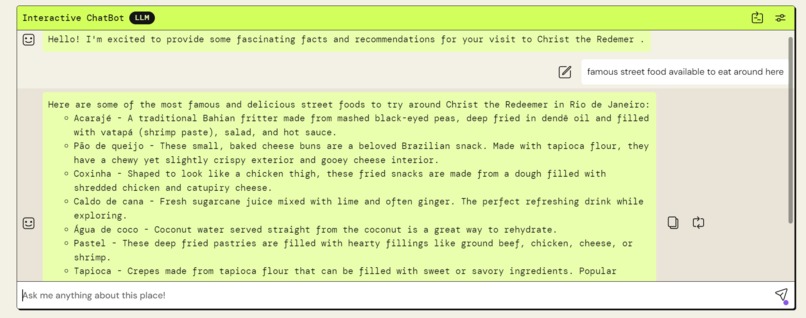
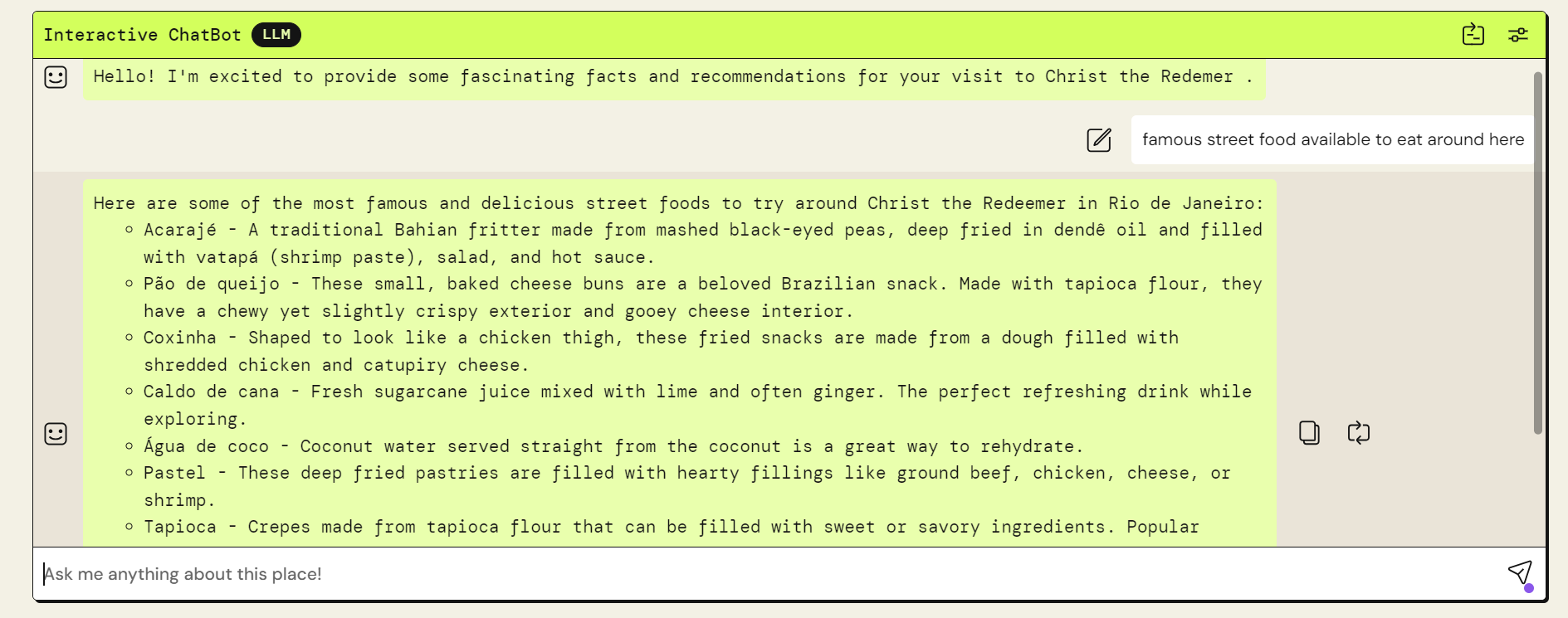
An interactive chatbot answers all kinds of questions about the tourist place you'd like to ask
-
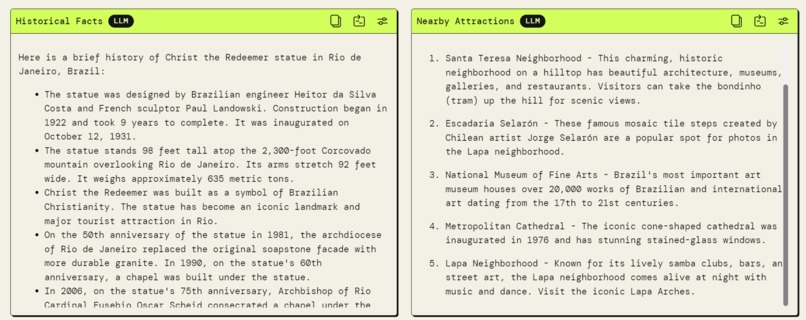
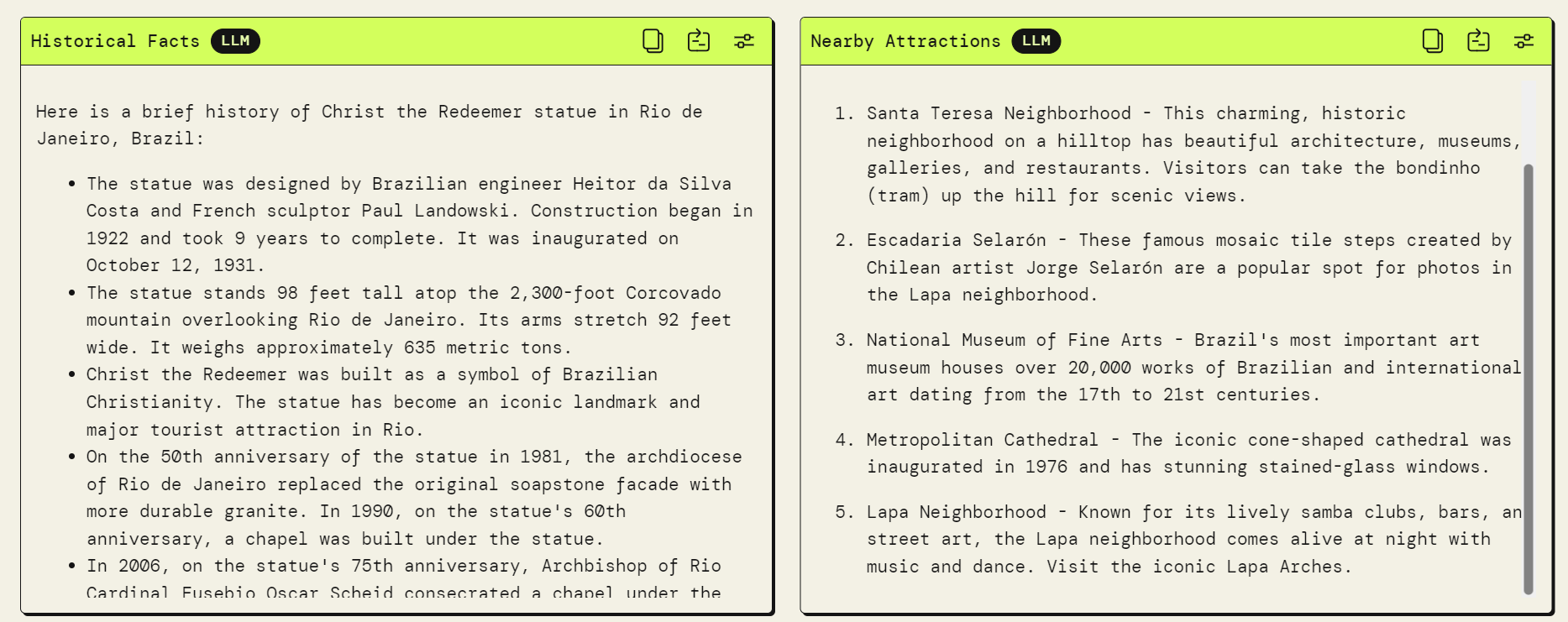
Generates historical information about the place and a list of thingsthat can be done around the famous spots.
-
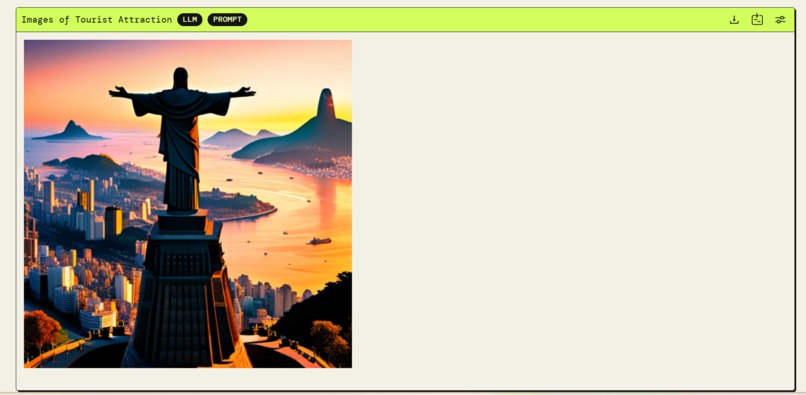
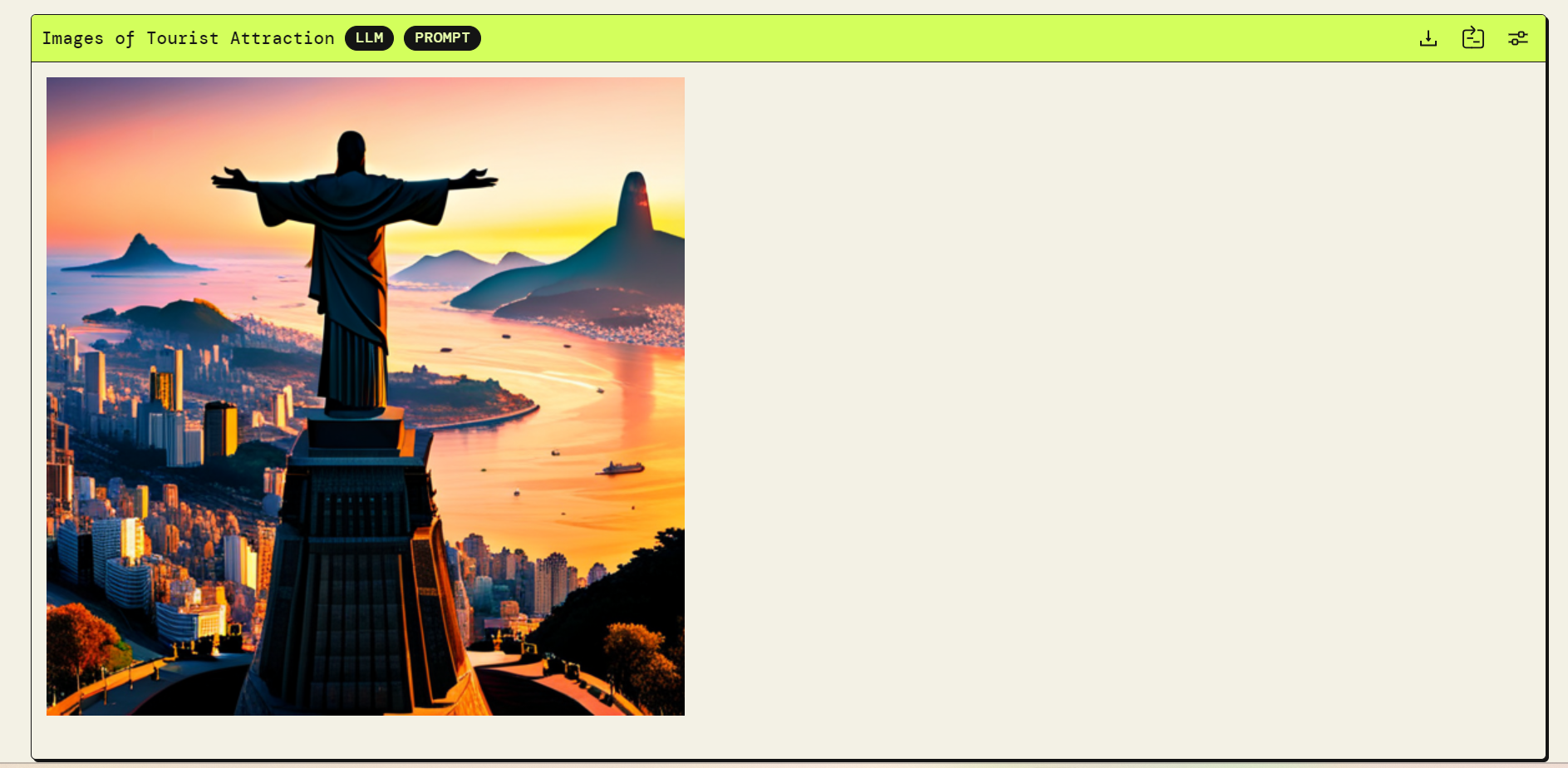
Image of the Tourist Spot is Generated in a 3-D Model style
-
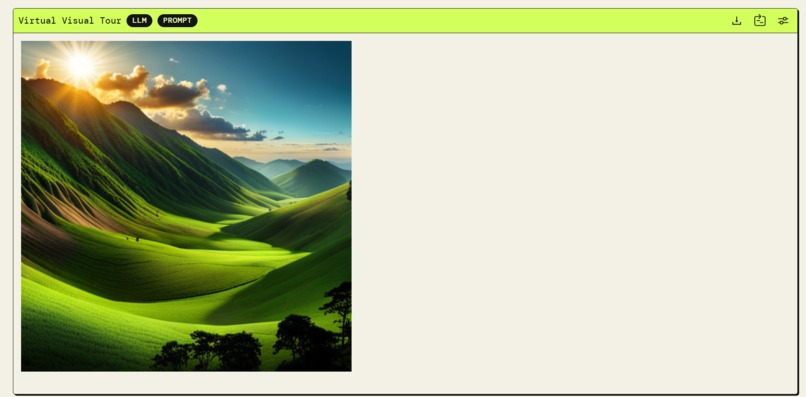
Image of the ecological area that takes the user into a virtual tour

Inspiration
The inspiration behind Travista struck when reflecting on the limitations of traditional travel experiences. As an avid explorer who has a strict and hectic work life and have hectic schedules that doesn't allow me and a plathora of other people to follow our passion for travelling, we craved a deeper connection with historical sites and sought to enhance the way people engage with their surroundings. The potential of augmented reality (AR) and artificial intelligence (AI) to revolutionize travel experiences became evident. I envisioned a platform that seamlessly integrates technology with wanderlust, offering users an immersive journey through time and knowledge.
What it does
Travista redefines travel by leveraging AR and AI to provide users with dynamic and interactive learning experiences at tourist spots. The app overlays historical insights when users point their cameras at landmarks, offers interactive virtual guides, suggests personalized to-do recommendations, and facilitates community-driven content sharing. It transforms ordinary sightseeing into a personalized adventure, unlocking the hidden stories behind iconic locations.
How we built it
The foundation of Travista was laid through a collaborative effort that harmonized expertise in AR development, AI algorithms, and user interface design. We employed ARKit for augmented reality features, integrated machine learning models for AI-driven virtual guides, and utilized geolocation data for personalized recommendations. The seamless integration of these technologies demanded a meticulous coding process, UI/UX design iterations, and rigorous testing to ensure a user-friendly and immersive experience. This app however was generated completely with the help of PartyRockers website as a part of this hackathon.
Challenges we ran into
Building Travista came with its set of challenges. Fine-tuning the accuracy of visual recognition technology, creating engaging AI-driven guides, and optimizing the app's performance were persistent hurdles. The complexity of blending multiple technologies while maintaining a smooth user experience required extensive problem-solving and iterative development.
Accomplishments that we're proud of
Despite the challenges, we're proud to have created an app that goes beyond traditional tourism. Travista successfully transforms the way users perceive and engage with historical sites. The seamless fusion of AR and AI has resulted in an innovative and user-centric platform that encourages exploration, learning, and community participation.
What we learned
Throughout the development of Travista, we deepened our understanding of the intricate interplay between AR and AI. The project provided valuable insights into optimizing visual recognition algorithms, creating compelling virtual guides, and tailoring user experiences. Collaborating on this project honed our teamwork skills and reinforced the importance of iterative development.
What's next for Travista
The journey doesn't end here. Travista's future holds exciting possibilities. We plan to expand our database of historical insights, enhance AI-driven interactions, and incorporate user feedback for continuous improvement. Additionally, we aim to explore partnerships with conservation organizations to integrate sustainable travel practices into the app, contributing to both cultural enrichment and environmental preservation. The road ahead is filled with endless opportunities to redefine and elevate the travel experience for users worldwide.
Built With
- amazon-web-services
- arkit
- core-ml
- core-ml-(for-machine-learning-integration)-**platforms:**-ios-**cloud-services:**-aws-(amazon-web-services)-for-hosting-and-processing-ai-models-**database:**-firebase-for-user-data-storage-and-retrieval-**apis:**-google-maps-api-(for-geolocation-data)
- firebase
- github
- google-maps
- openweathermap-api-(for-weather-related-recommendations)-**other-technologies:**-visual-recognition-technology-for-image-identification
- python
- python-(for-ai-algorithms)-**frameworks:**-arkit-(for-augmented-reality-features)
- swift
- unity
- unity-for-creating-immersive-experiences


Log in or sign up for Devpost to join the conversation.