-
-
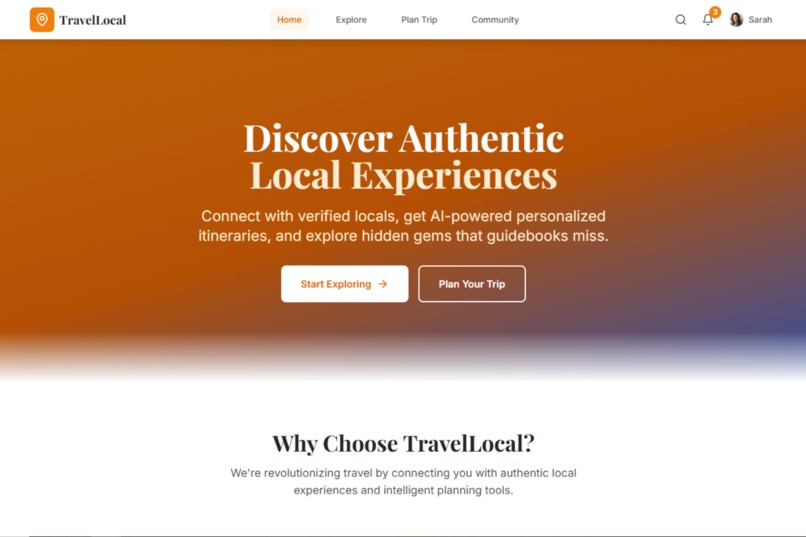
main page
-
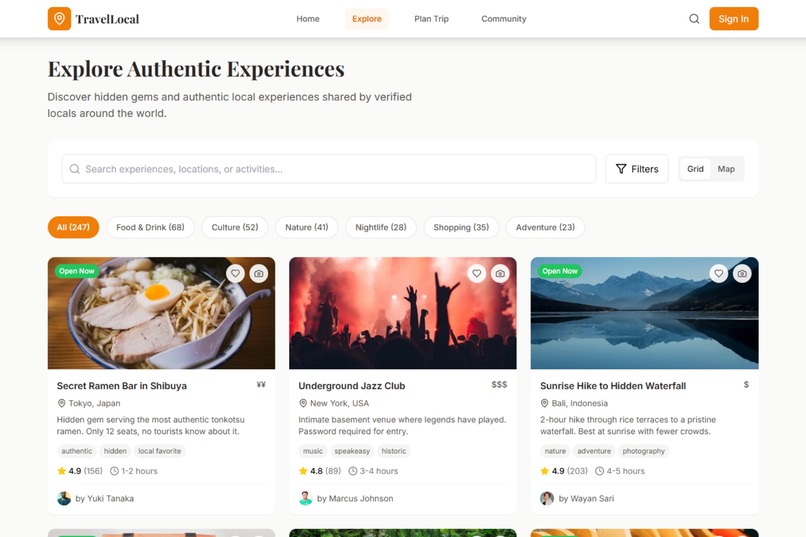
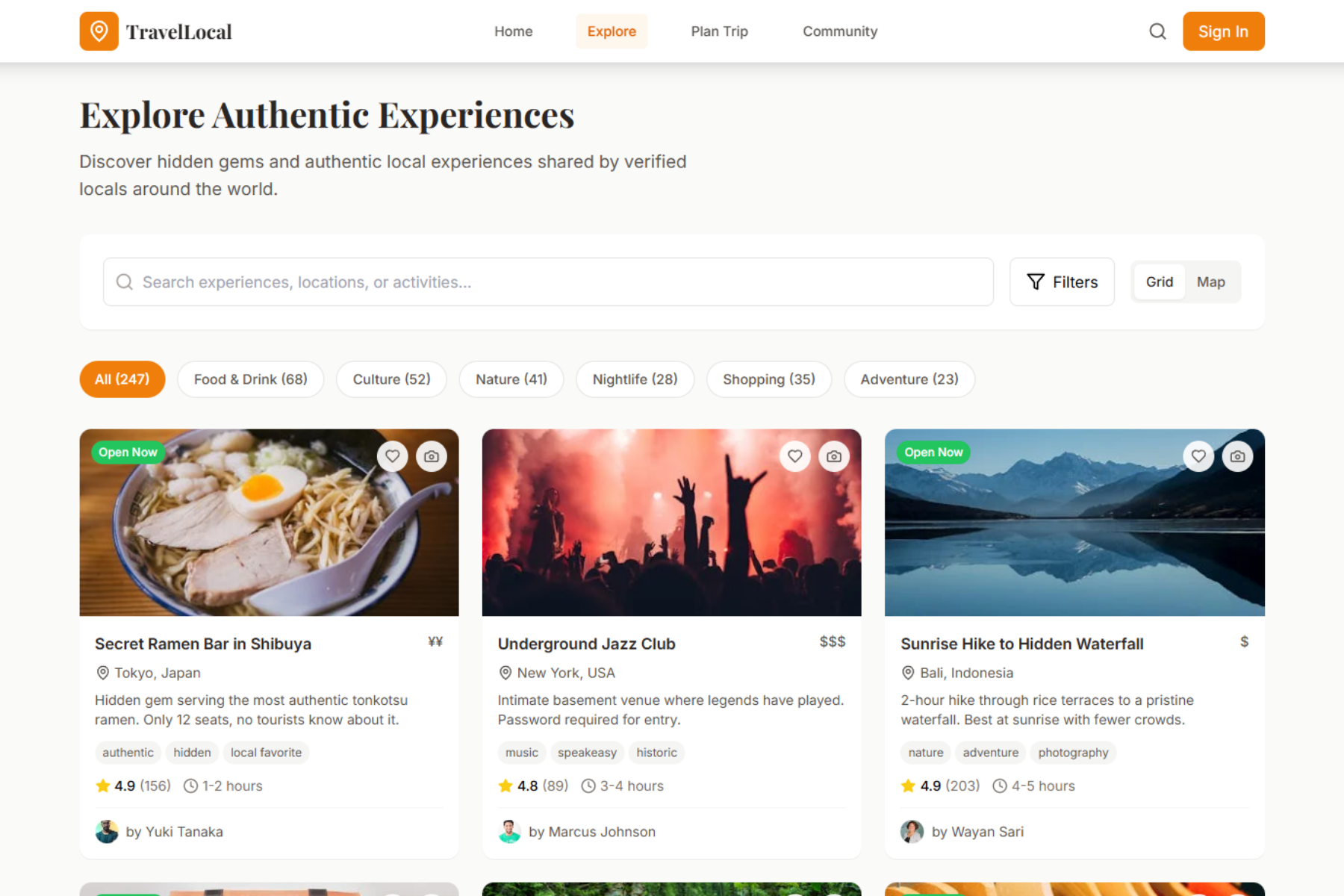
explore
-
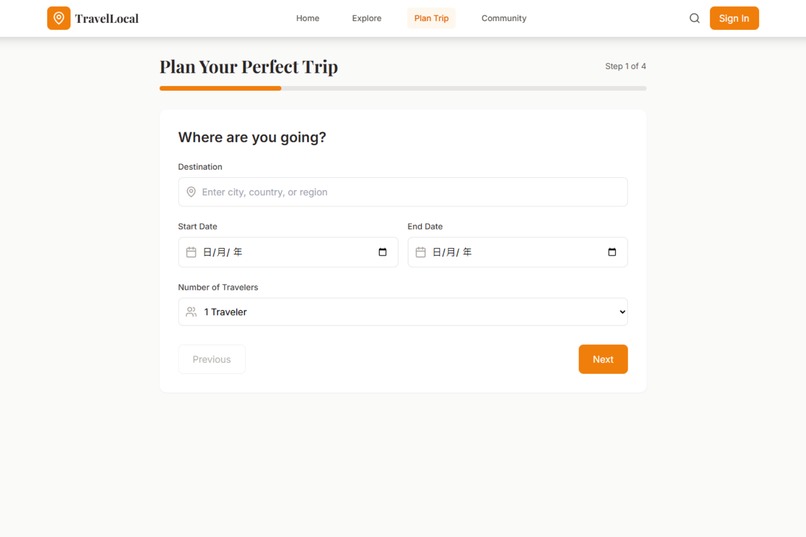
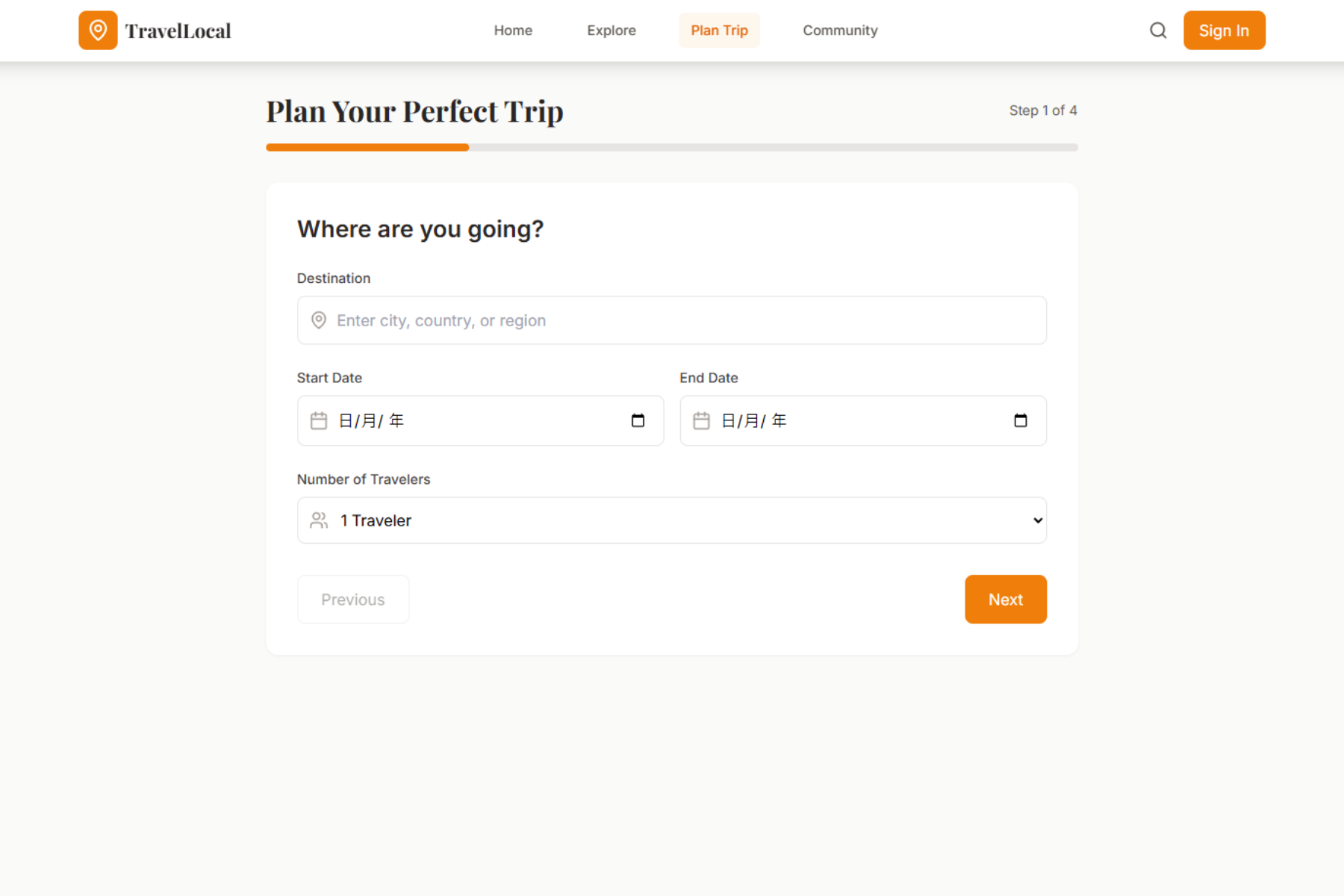
plan trip
-
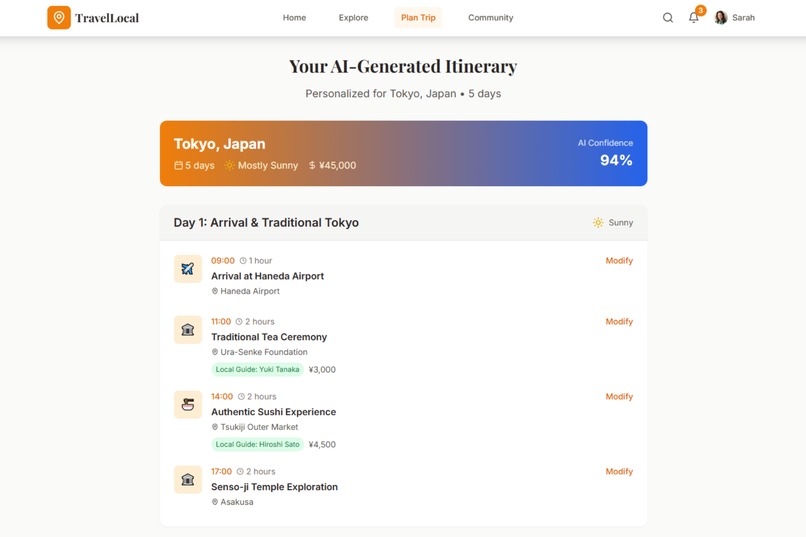
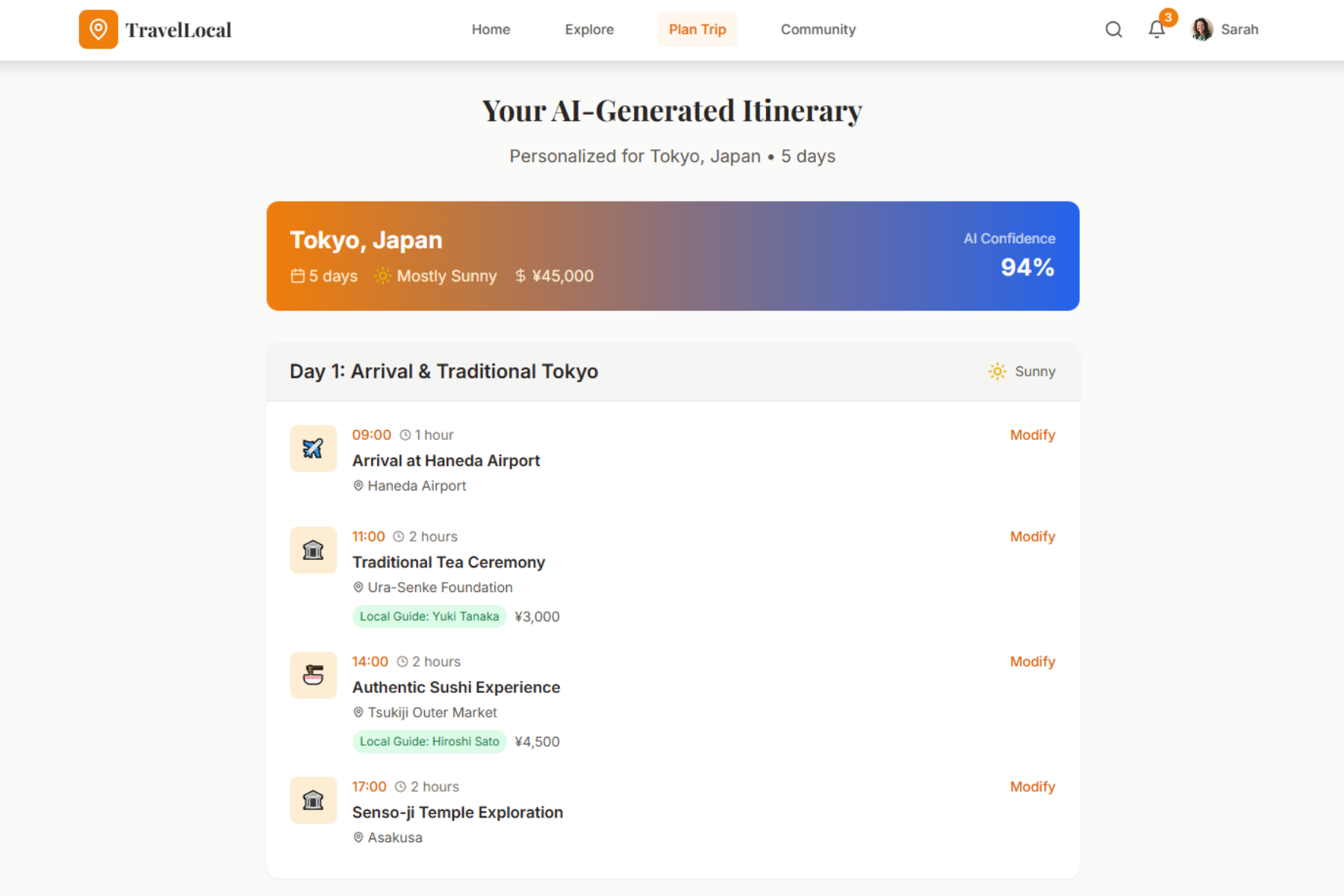
plan trip result
-
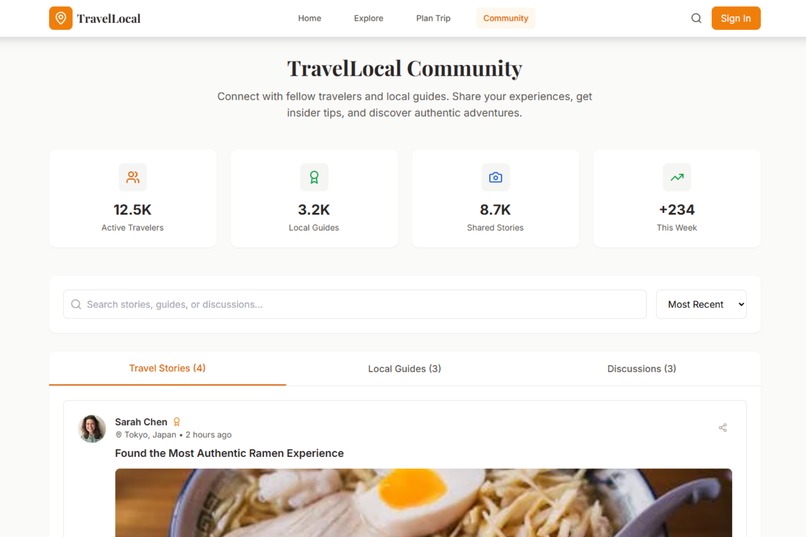
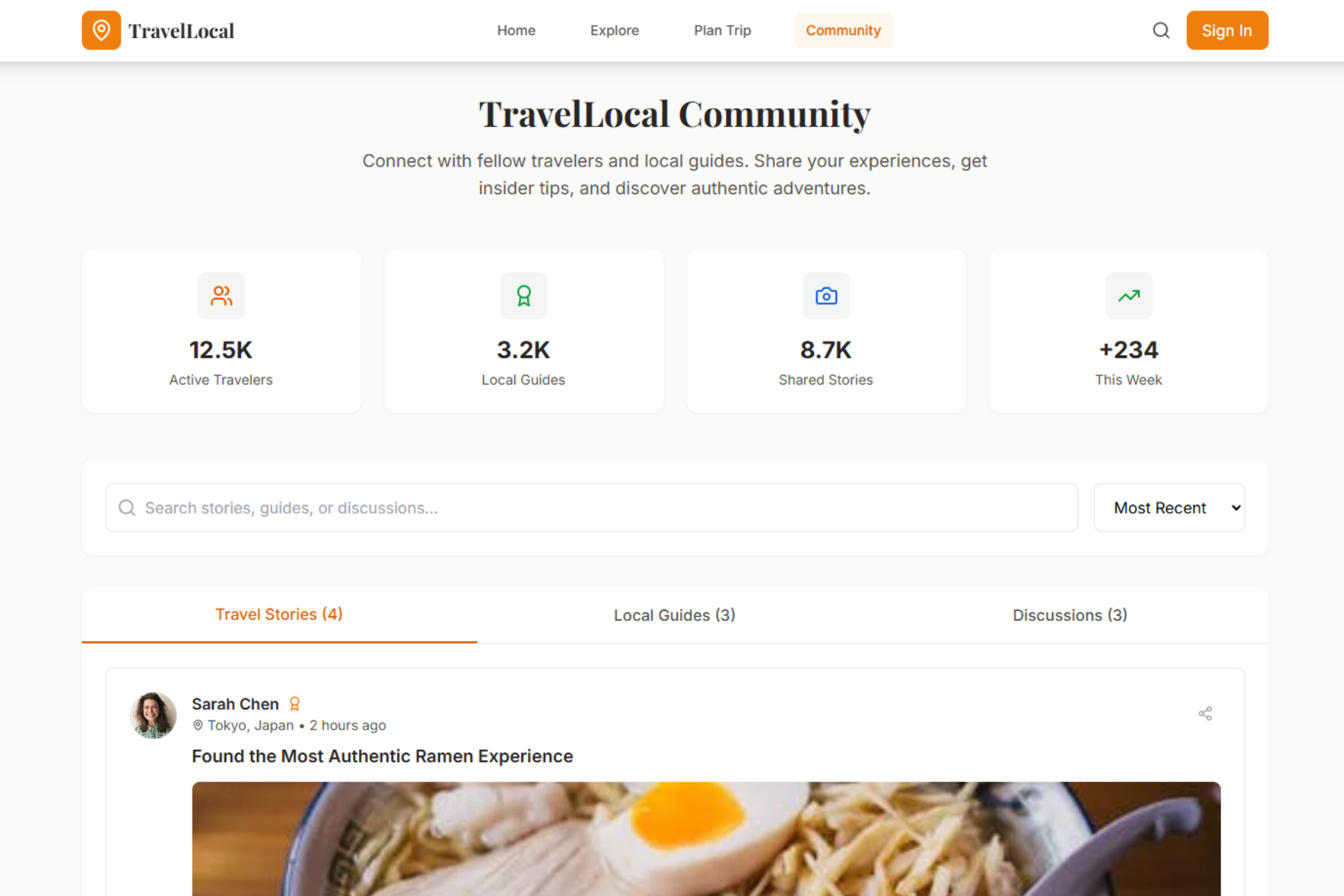
community
-

community post
-
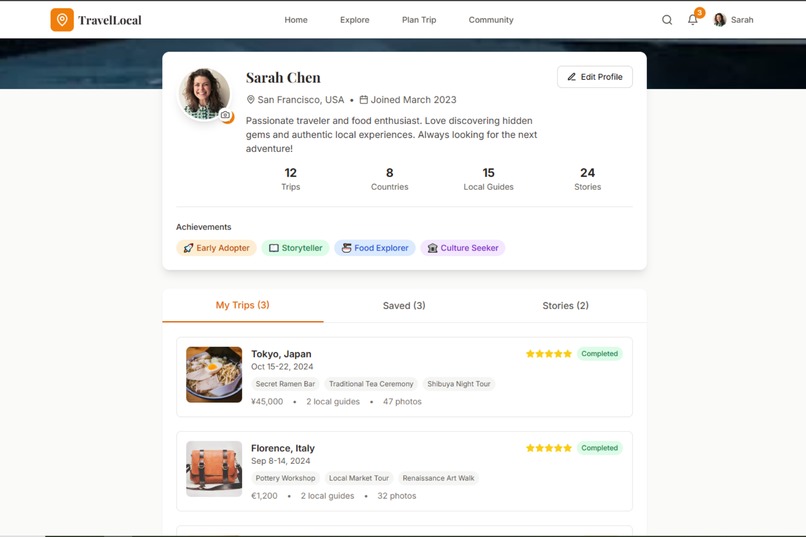
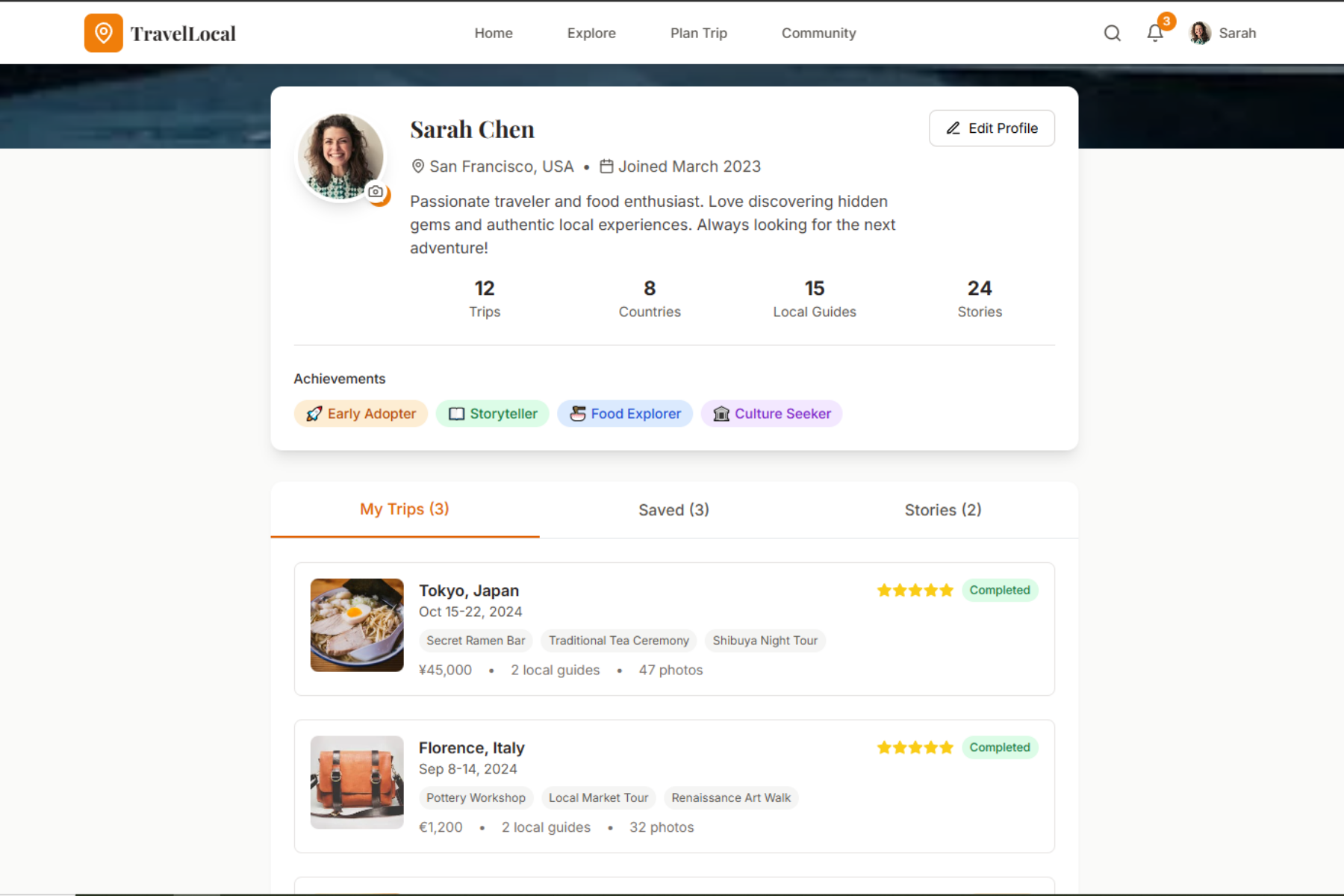
user profile


Inspiration
Growing up, I loved exploring hidden corners of my city, guided by locals who knew the best spots—places no guidebook could capture. Yet, as a traveler, I found platforms like TripAdvisor often pushed commercialized recommendations, missing the soul of a destination. This frustration, coupled with stories of friends stuck with rigid itineraries during unexpected rain or traffic, sparked TravelLocal. I envisioned a platform where locals share authentic experiences, and AI crafts dynamic, personalized itineraries that adapt to real-time changes, making every journey feel alive and true.
What I Learned
Building TravelLocal was a crash course in blending human connection with cutting-edge tech. I deepened my understanding of AI, particularly in recommendation systems and real-time data processing, while mastering map APIs to create seamless user experiences. I also learned the importance of user-centric design—balancing functionality with simplicity to ensure travelers and locals feel empowered. Most importantly, I discovered how technology can bridge cultural gaps, fostering meaningful exchanges between people worldwide.
How I Built It
TravelLocal was built with a modern tech stack to ensure scalability and interactivity:
Frontend: I used React.js with Tailwind CSS to craft a responsive, intuitive interface, featuring interactive maps and itinerary timelines. Backend: Node.js with Express.js handled API requests and real-time chat, while Python powered AI-driven features like itinerary generation and content verification. AI & Data: TensorFlow and Scikit-learn enabled personalized recommendations and dynamic adjustments based on weather (OpenWeatherMap API), traffic (Google Maps API), and user feedback. MongoDB stored user data and local content, with Redis caching real-time data. APIs & Tools: Mapbox provided map functionality, Stripe handled payments, and DeepL supported multilingual content. I deployed on AWS using Docker for scalability, with GitHub Actions for CI/CD.The platform lets verified locals upload hidden gems, which AI verifies for authenticity. Users input preferences to receive tailored itineraries, dynamically updated via WebSocket notifications.
Challenges Faced
The biggest challenge was ensuring content authenticity. I tackled this by combining AI image and text analysis with manual review protocols, though scaling this process remains complex. Integrating real-time data (weather, traffic) without latency was another hurdle—Redis and optimized API calls helped, but required extensive testing. Designing an intuitive UI for diverse users, from tech-savvy travelers to less experienced locals, demanded multiple iterations. Finally, balancing AI complexity with performance on a tight competition timeline pushed me to prioritize ruthlessly, focusing on core features like itinerary adaptation and local engagement. TravelLocal isn’t just a platform; it’s a vision to make travel deeply personal and authentic, powered by technology and human connection.
Built With
- javascript
- netlify
- node.js
- python
- react
- scikit-learn
- supabase
- tailwind
- tensorflow

Log in or sign up for Devpost to join the conversation.