Inspiration
The idea for TravelLens XR was inspired by the desire to make travel more immersive, informative, and interactive. We wanted to combine the power of AI and AR to bridge the gap between technology and exploration, turning every journey into an educational and entertaining adventure.
What it does
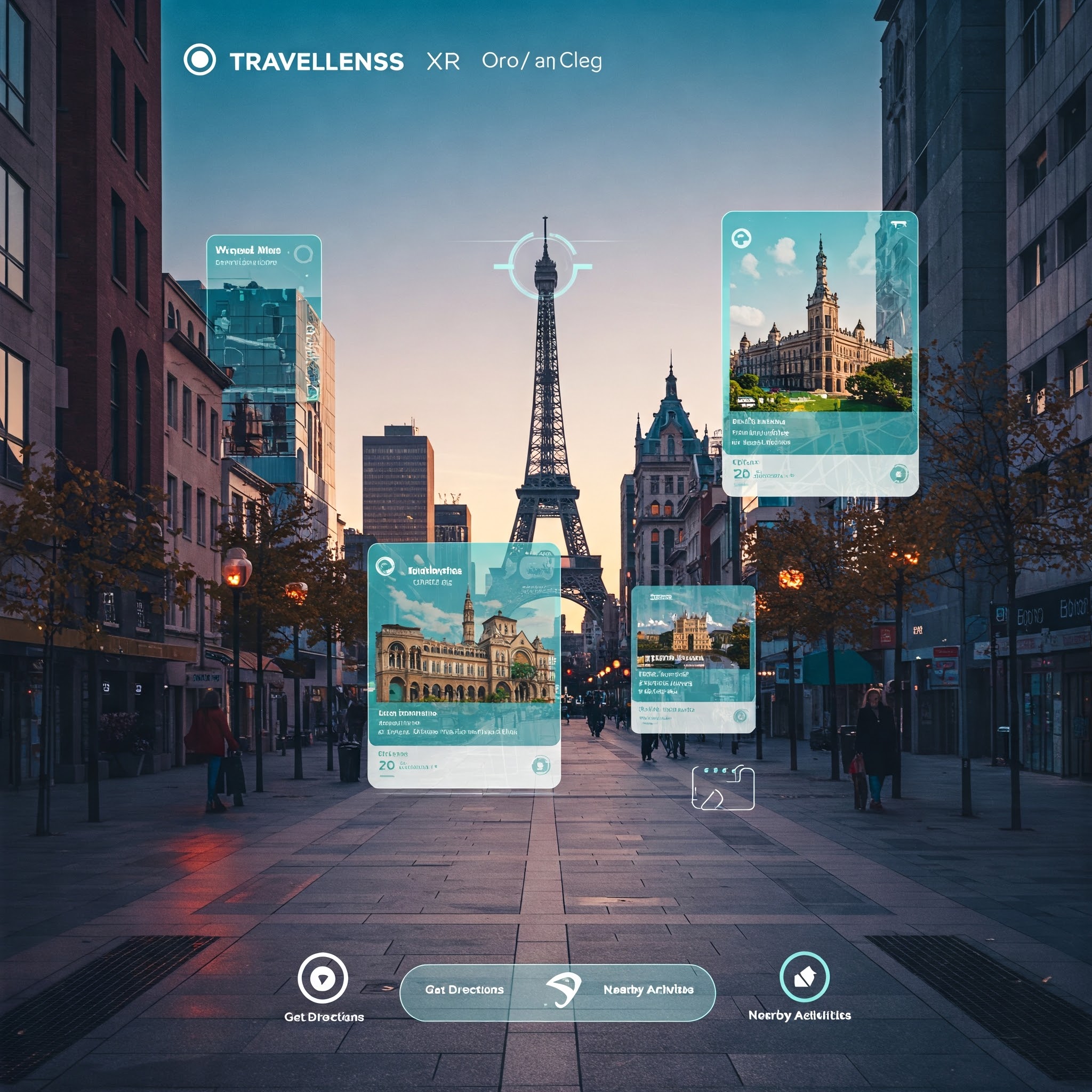
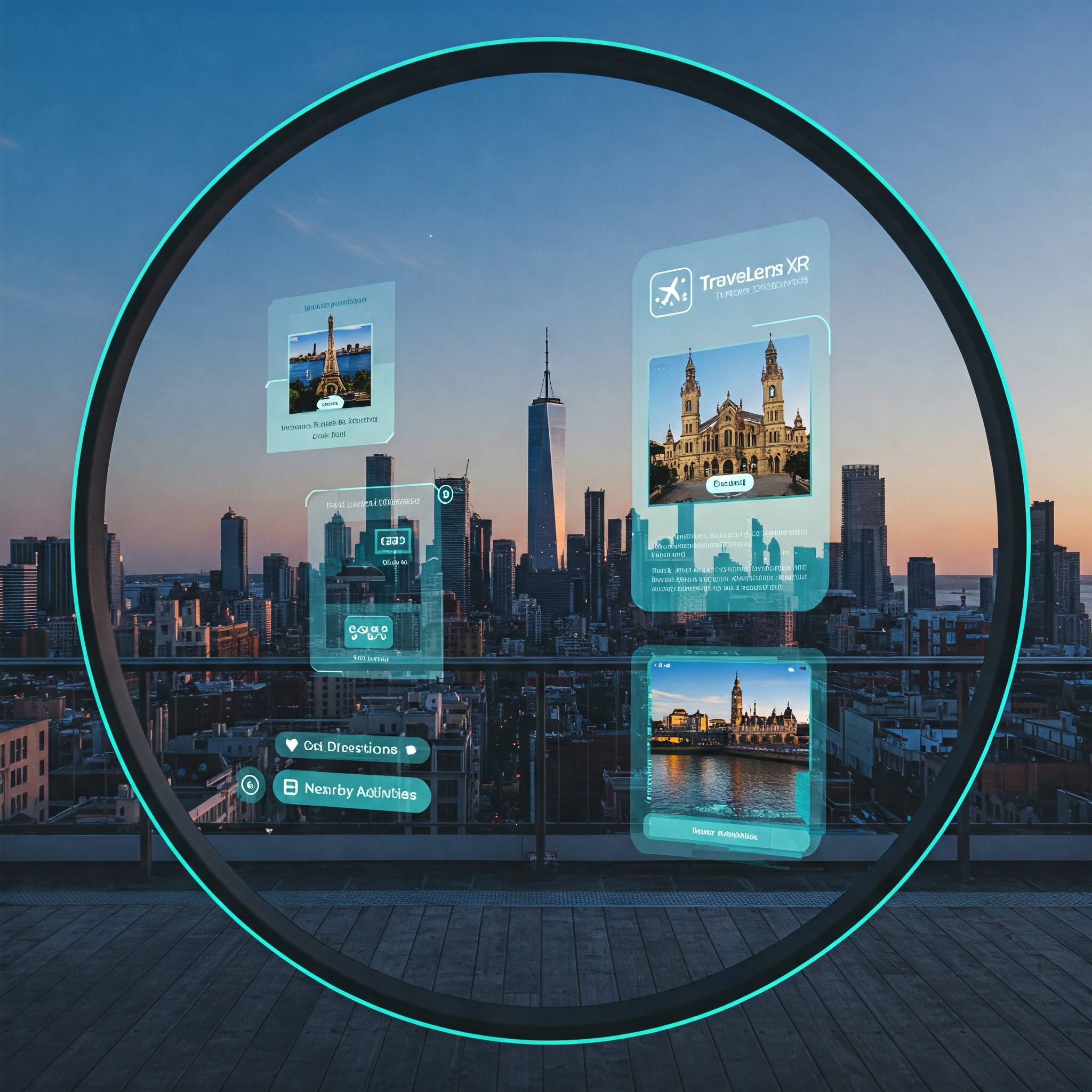
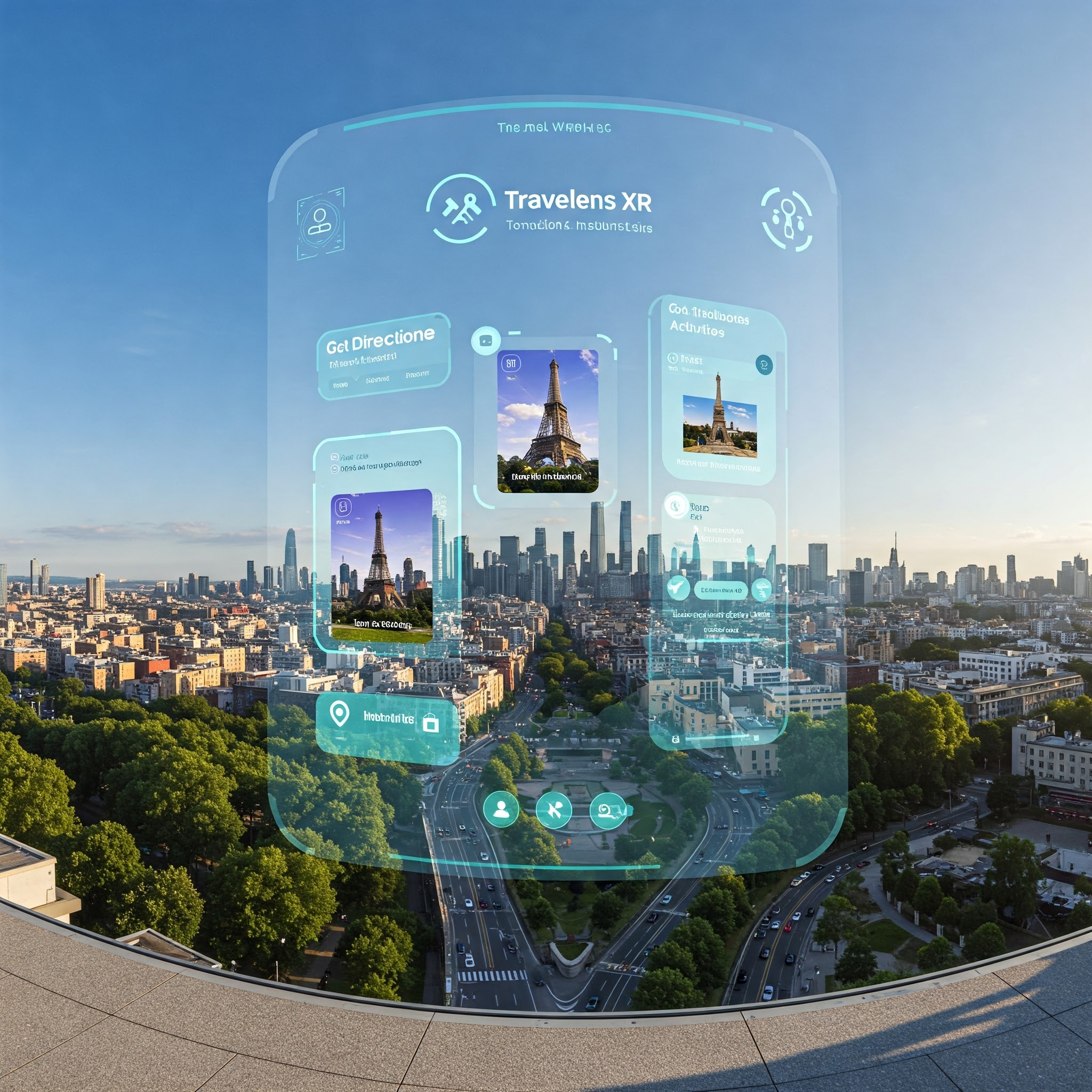
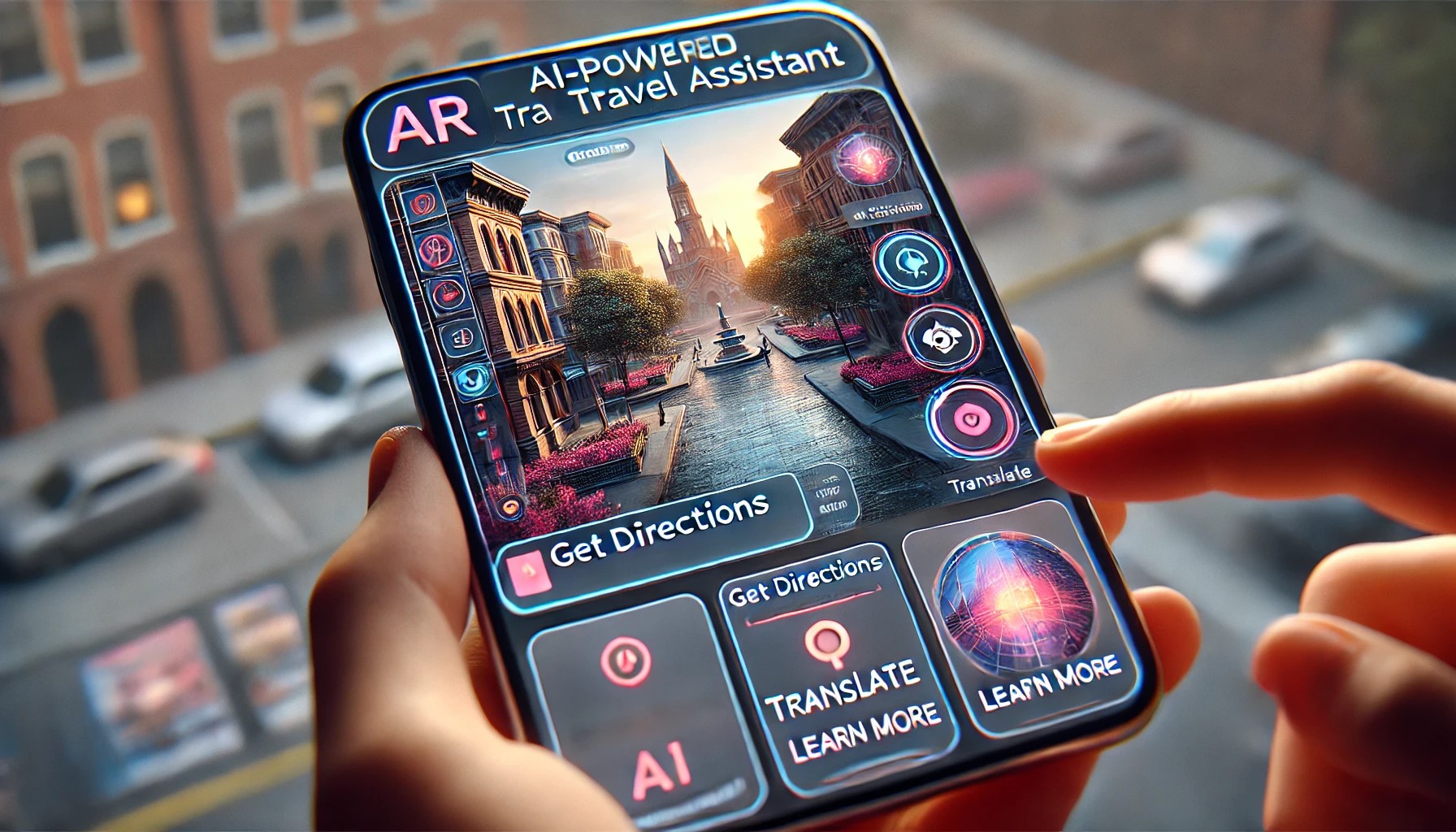
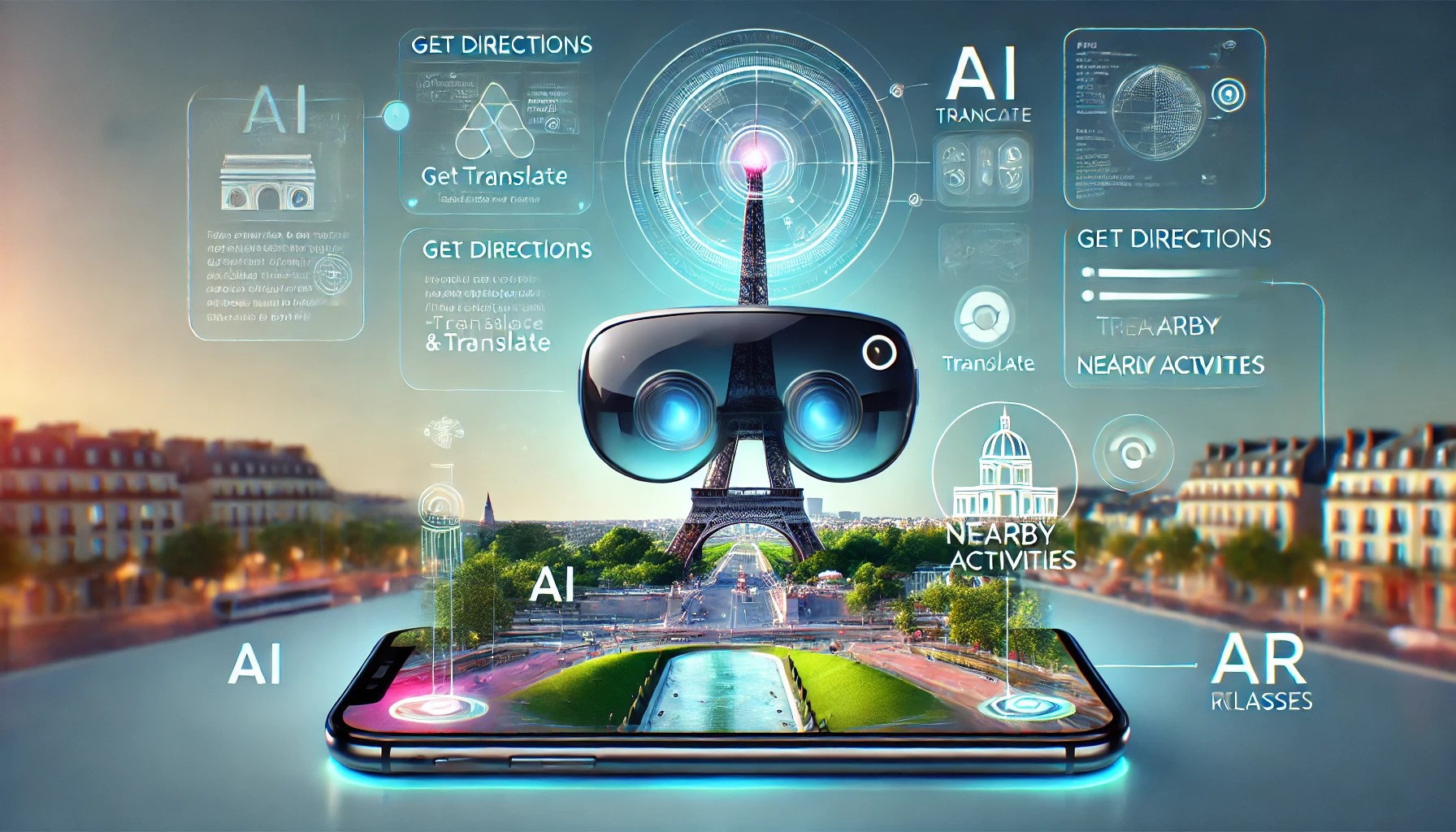
TravelLens XR uses AR and AI to enhance the travel experience. Users can point their camera at landmarks, objects, or signs, and instantly receive contextual information, historical facts, and tips. Interactive widgets allow users to explore nearby activities, get directions, or translate content, all in real-time.
How we built it
TravelLens XR is an innovative concept that we aim to develop using advanced AR and AI tools. While we haven't fully implemented it yet due to a lack of hardware like AR controllers, we have a clear vision of how to bring it to life:
- Unity or Unreal Engine: These platforms will be key for creating the immersive AR experience. Both provide robust frameworks for developing XR applications with features like real-time rendering and device compatibility.
- AI Integration: The design incorporates the use of APIs like OpenAI to generate real-time contextual data for landmarks and translate content dynamically.
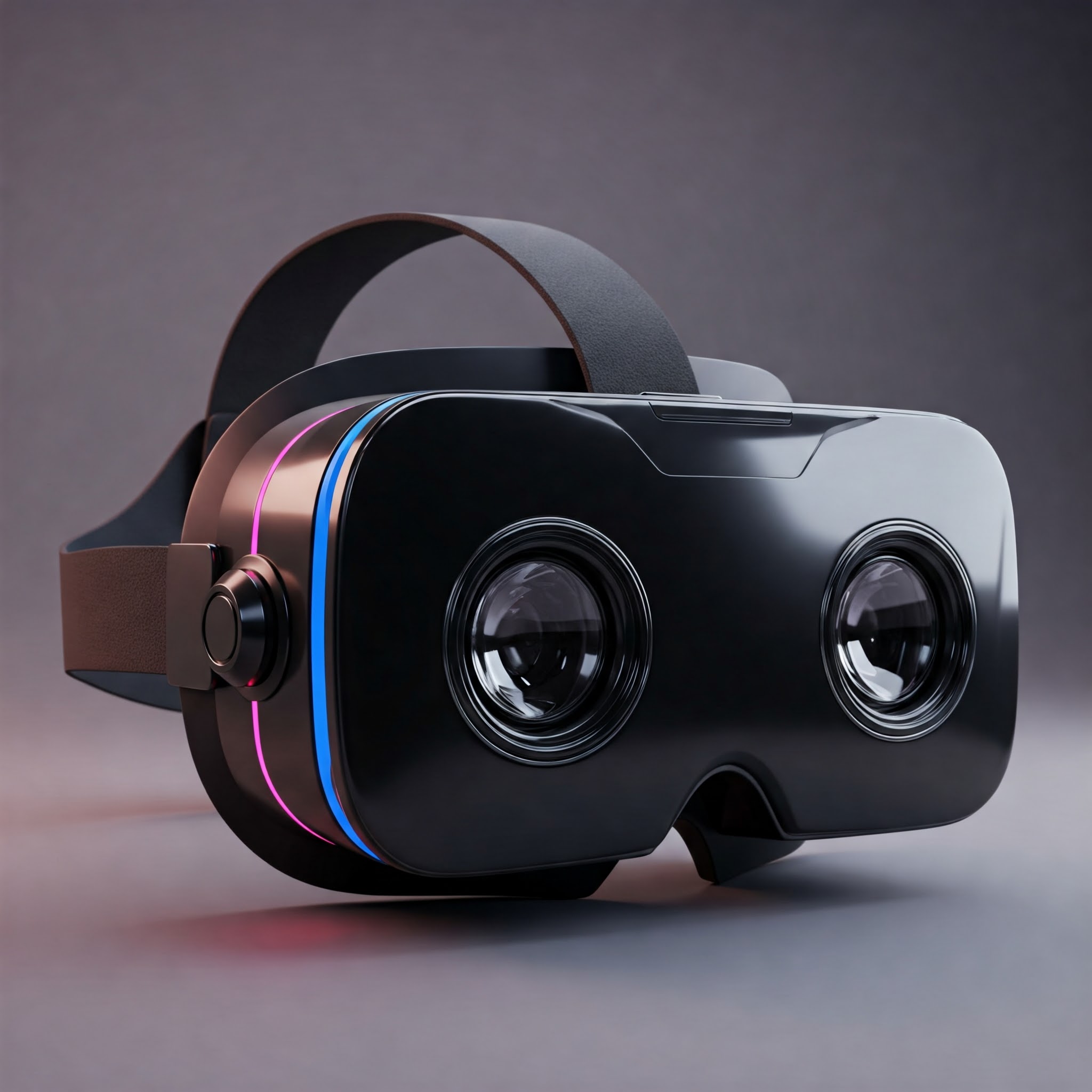
- Visual Mockups: For now, we’ve created conceptual designs to showcase the app's potential, providing a blueprint for future development.
This concept is a stepping stone toward building a fully functional app once we have the necessary resources and hardware.
Challenges we ran into
- Designing an intuitive interface that balances functionality and aesthetics.
- Simulating dynamic AI content in a purely visual prototype.
- Fitting a broad concept into a time-constrained hackathon while maintaining quality.
Accomplishments that we're proud of
- Creating a polished, engaging design that highlights the potential of AI and AR in travel.
- Developing a seamless flow for user interactions with intuitive widgets.
- Crafting an innovative idea that can inspire future XR applications.
What we learned
- The importance of user-centric design in XR applications.
- How to blend AI-driven content with AR interfaces to create a compelling experience.
- The potential of XR technologies to transform everyday activities into immersive experiences.
What's next for TravelLens XR
- Development: Build a working prototype using Unity and AR Foundation.
- AI Enhancement: Integrate real-time AI services for dynamic content generation.
- Testing: Pilot with real users to refine usability and features.
- Expansion: Add gamified elements, multi-language support, and offline capabilities for travelers in remote areas.
Built With
- c++
- gemini-ai
- google-maps
- google-translate
- mongodb
- shapesxr
- unreal-engine


Log in or sign up for Devpost to join the conversation.