


What it does
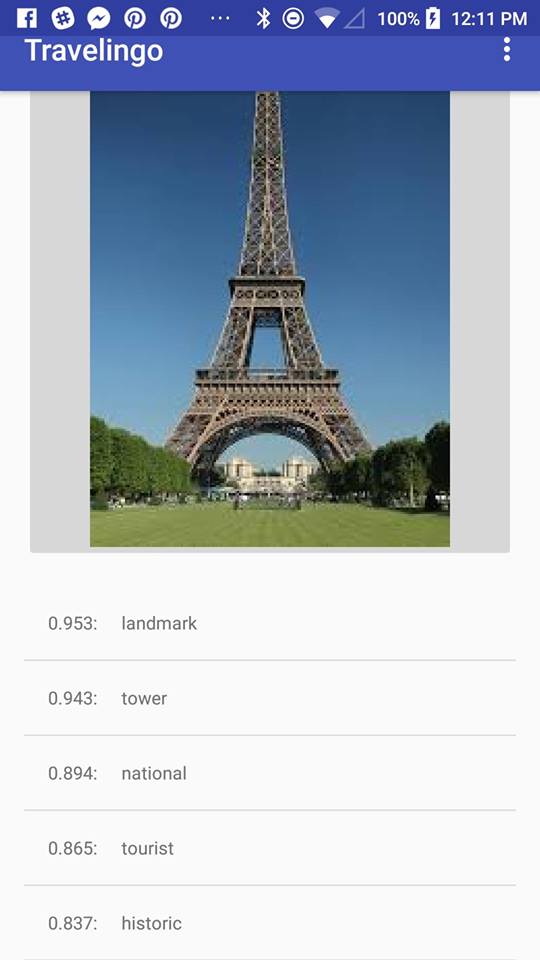
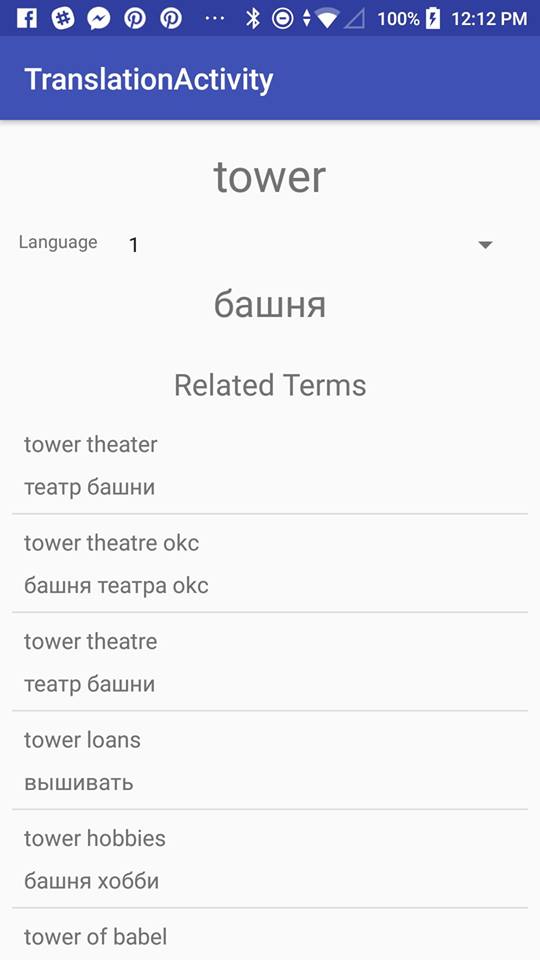
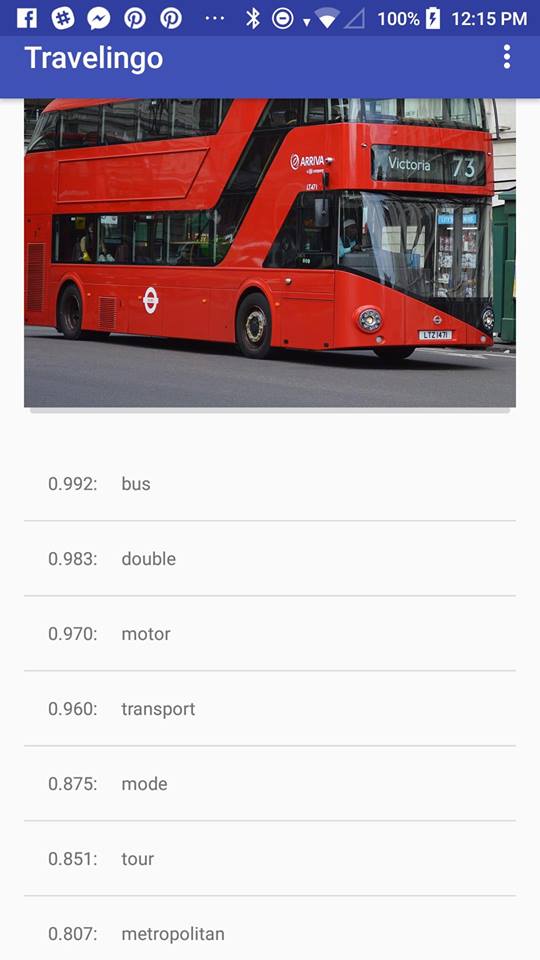
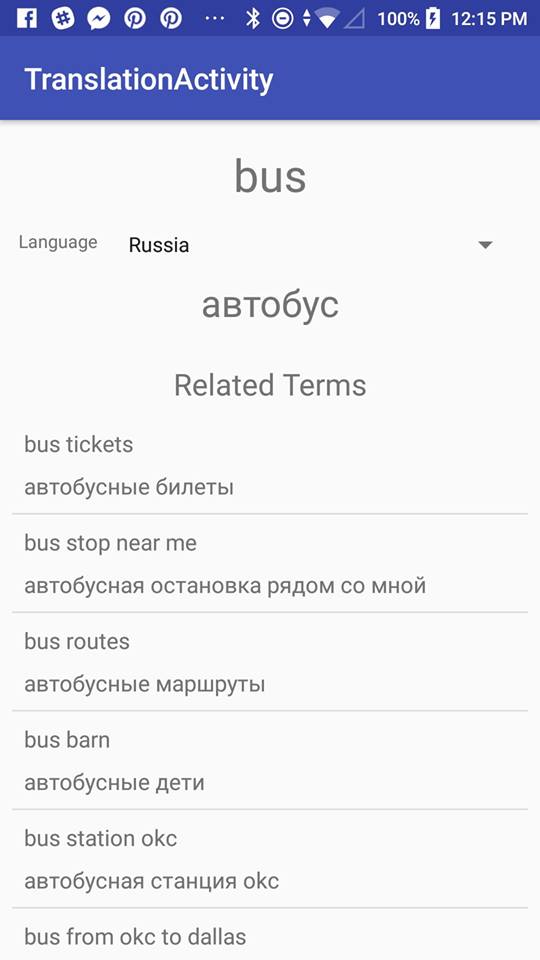
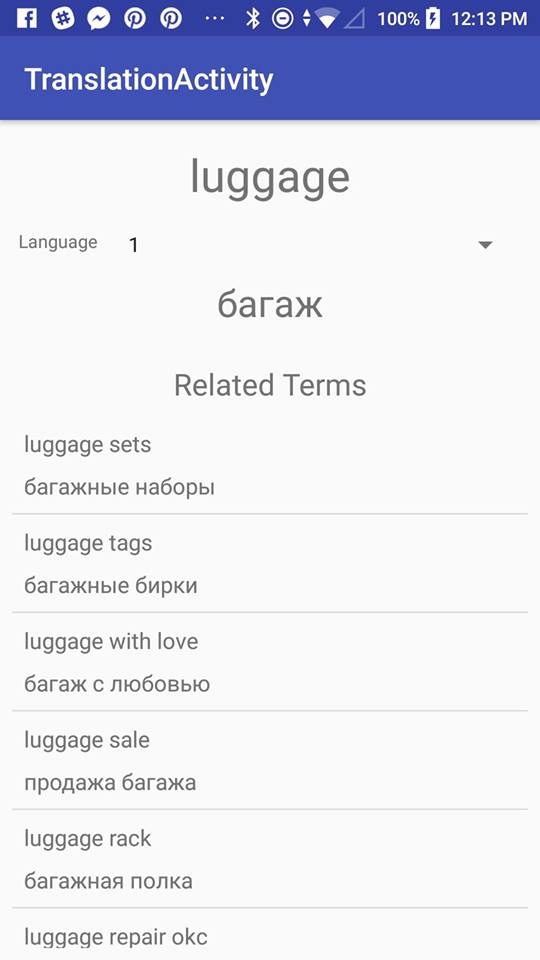
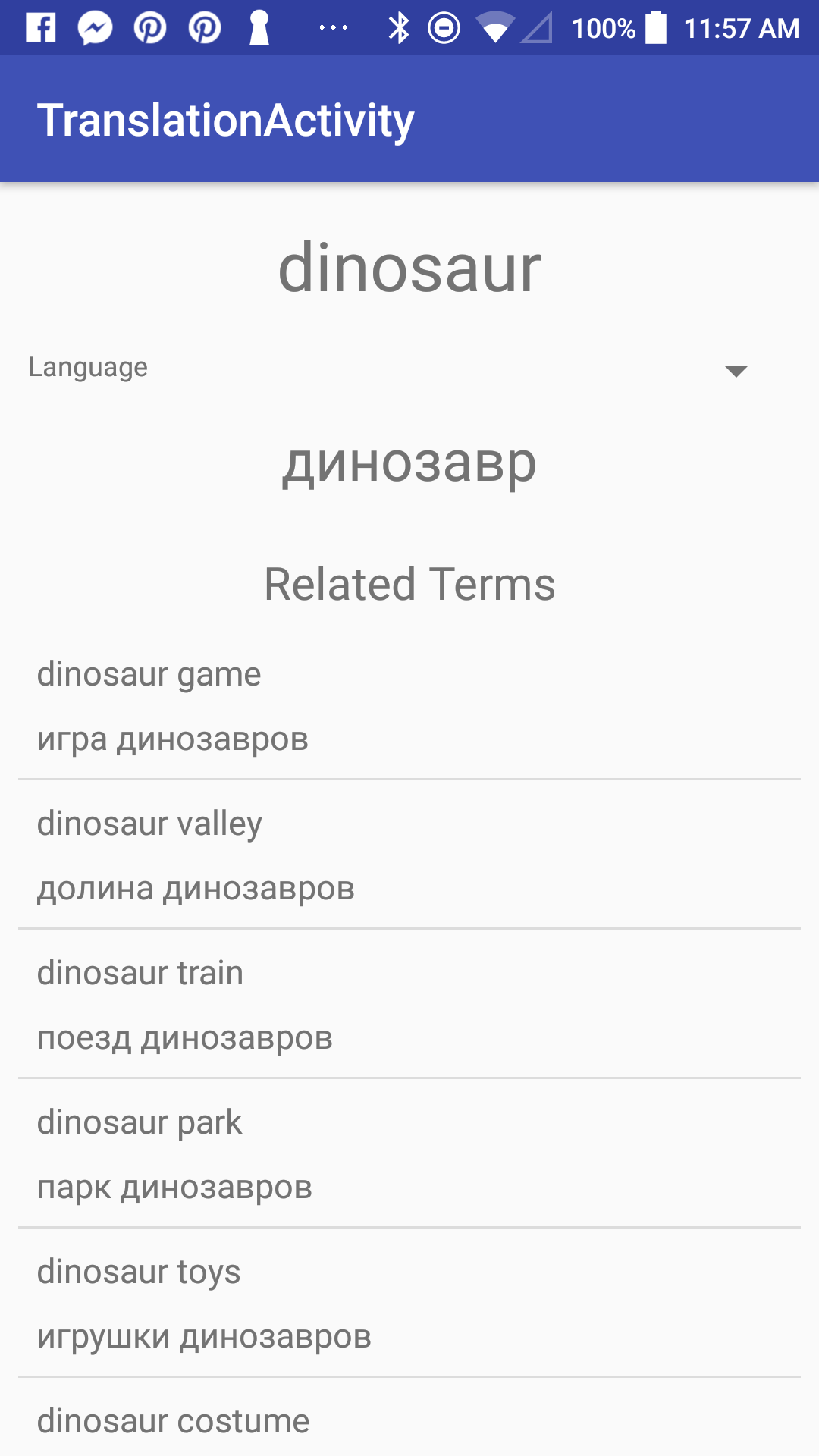
Travelingua uses image recognition to tag features in a photo, which, when clicked on, display a list of relevant queries. Those are then translated into the language of the country the user is currently in, providing useful suggestions.
How we built it
The Android app connects to Google Cloud Vision API by sending pictures from the camera or photo gallery. It sends back a list of the attributes it recognizes in the image. When any of those are clicked on, a page will come up with recommended phrases containing that attribute from Google Autocomplete, which are also translated using Google Translate. The app was made in Android Studio and written in Java.
Challenges we ran into
Only one of us had prior Android development experience, so there were some difficulties getting everything to work, but in the end, everything came together. Some of the data was formatted inconsistently, which required the use of regex
Accomplishments that we're proud of
Travelingua was a multi-part project that required the combined efforts and expertise of the entire team. We’re really proud of our ability to pull multiple components together into one cohesive application that augments our target users’ traveling experiences. What we’ve done here at HackUTD pulls the best of existing technologies and then some more. By harnessing image recognition, machine-learning backed translation, and advanced prediction algorithms we’ve built an experience like no other. We are able to make international travel less intimidating for all.
What we learned
Travelingua was our first Android development experience. While we had one teammate with Android development experience, we tackled a bigger challenge and implemented new ideas and APIs to make a robust and unique app. Image recognition and our UI presented new challenges but made our development experience exciting nonetheless. We didn’t meet all of our reach goals but we still learned a lot about the way Android works while attempting to implement location and speech synthesis in our app.
What's next for Travelingua
Part of the project was to gather data on the most-used languages in each country, which we would have used in conjunction with the in-app location services, to suggest languages based on the user's current location. Most of this was functional excluding the full integration of location services into the app. We also plan to add text-to-speech capabilities to help the user communicate better with locals.


Log in or sign up for Devpost to join the conversation.