-
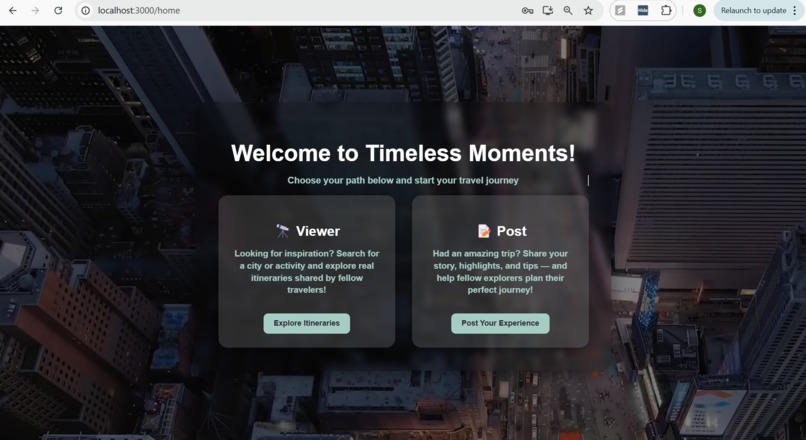
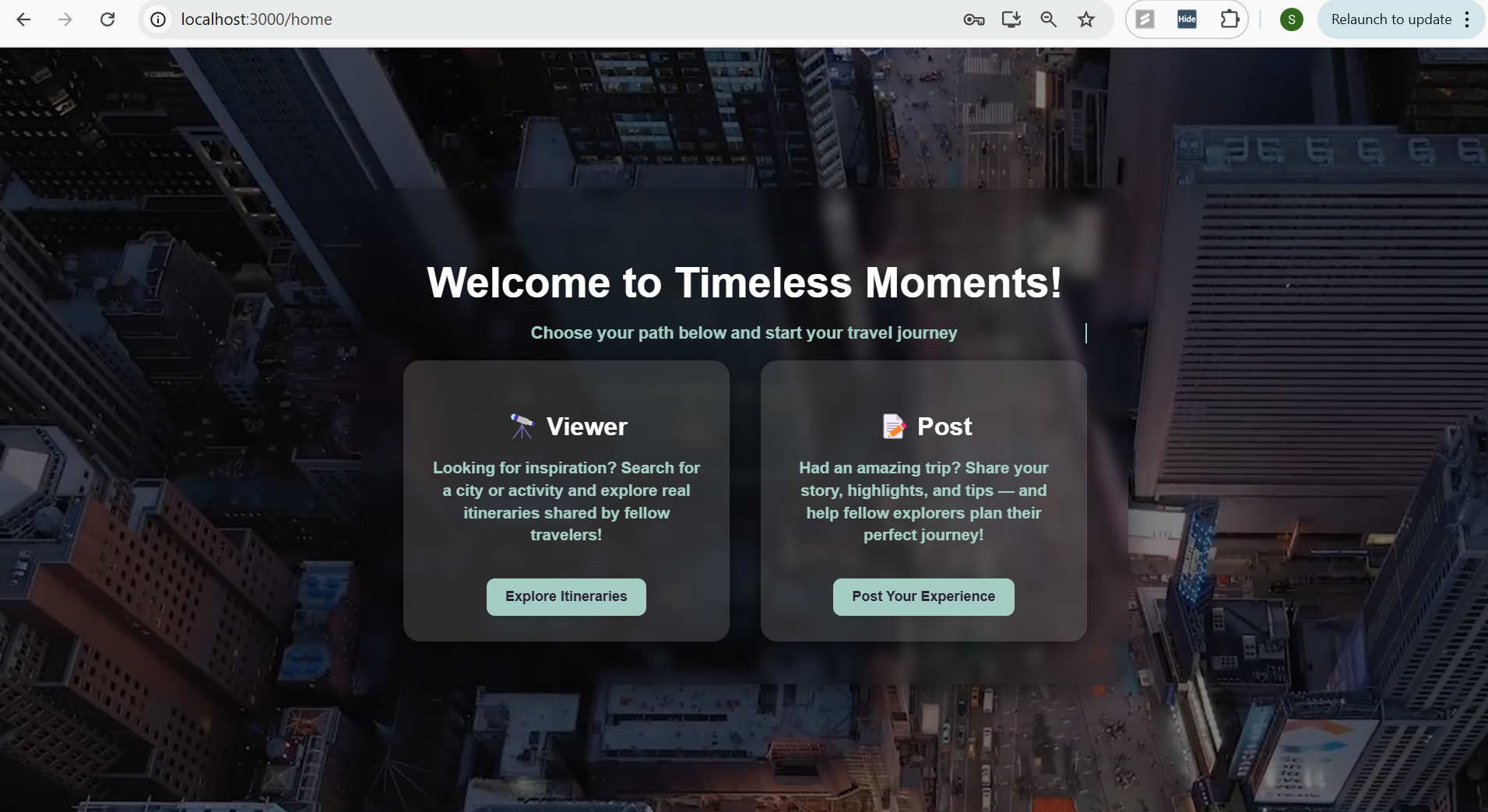
HomePage
-
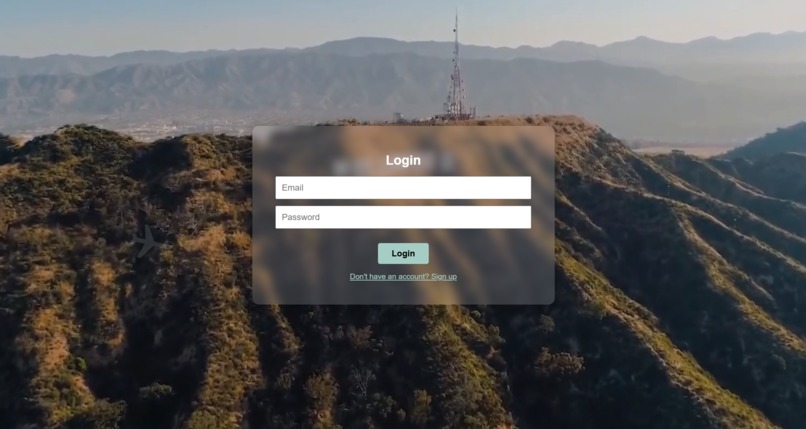
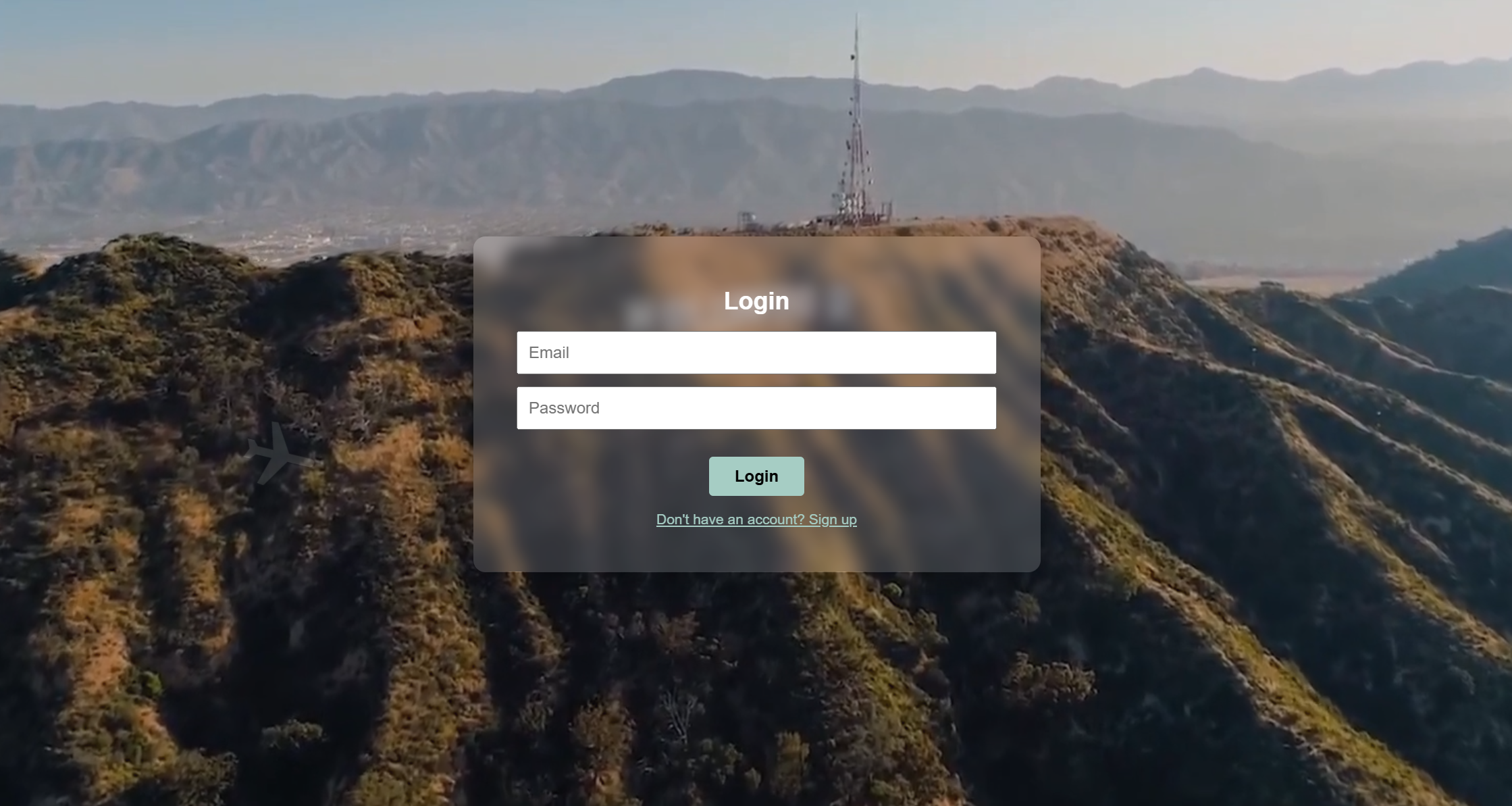
Login-SignUp Page
-
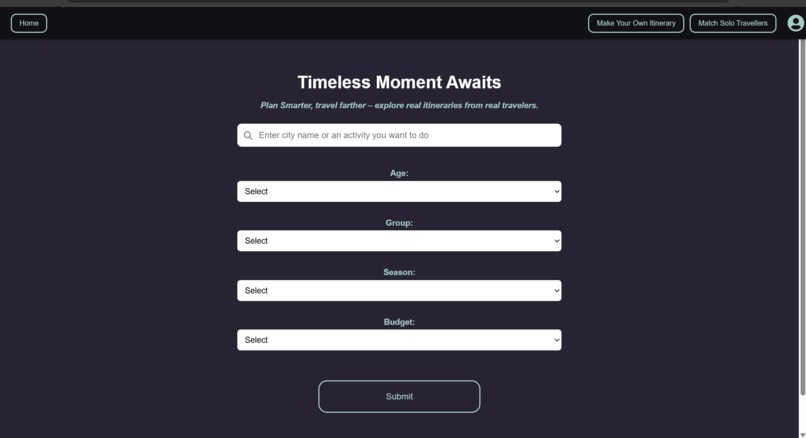
Search&Filters Page
-
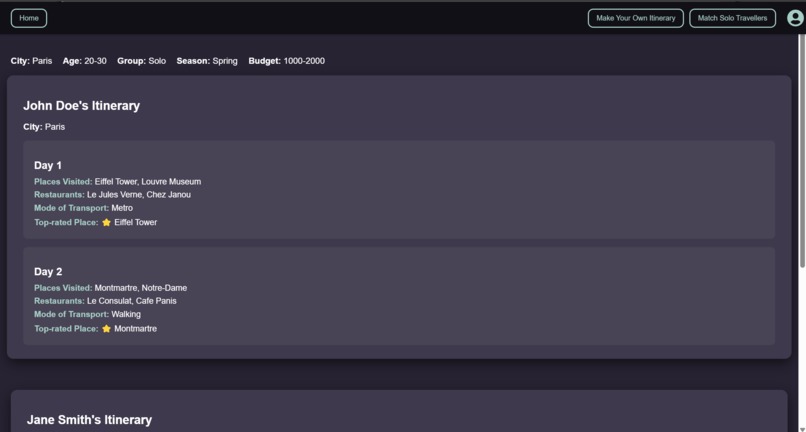
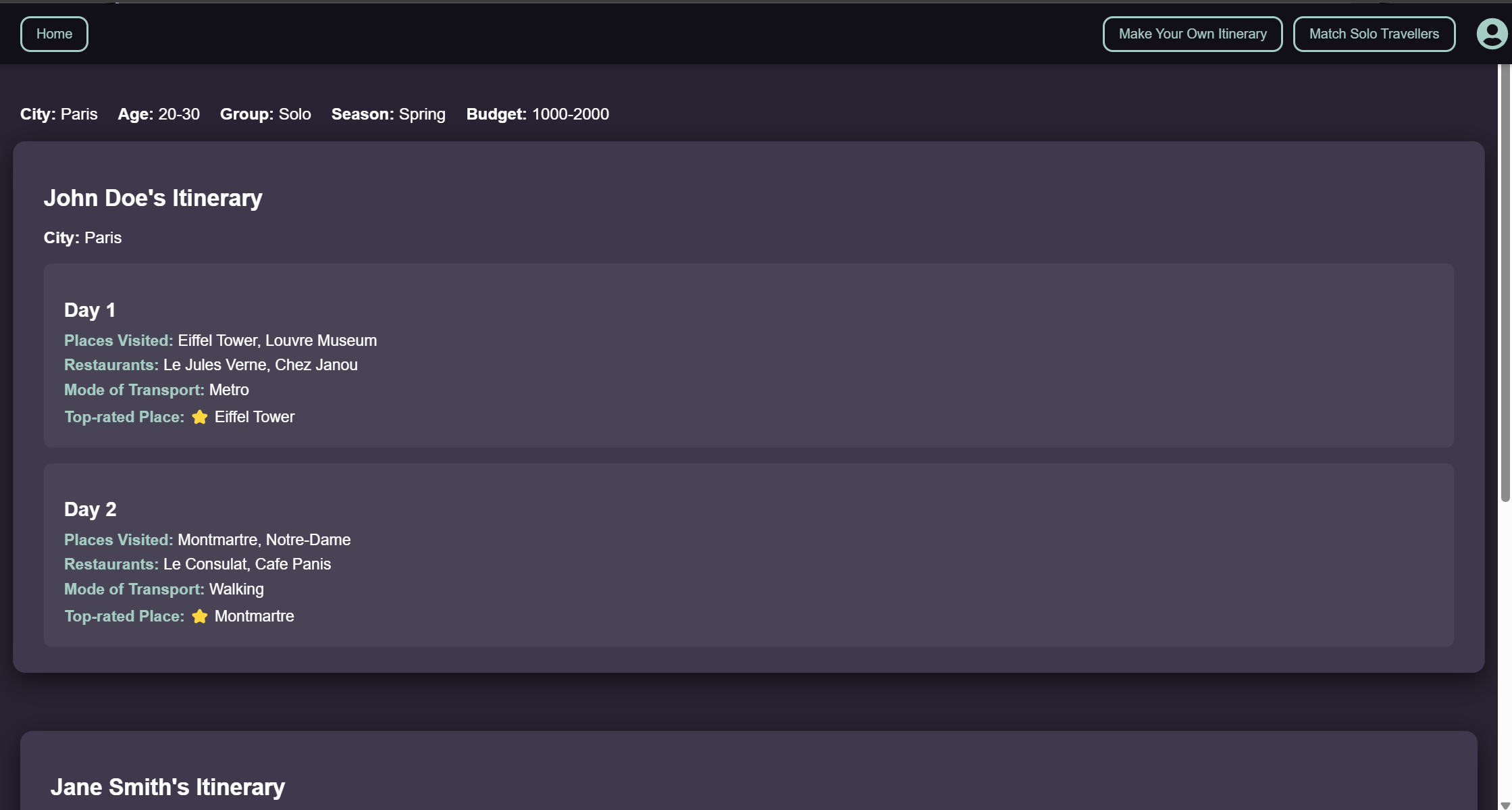
ViewPost Page
-
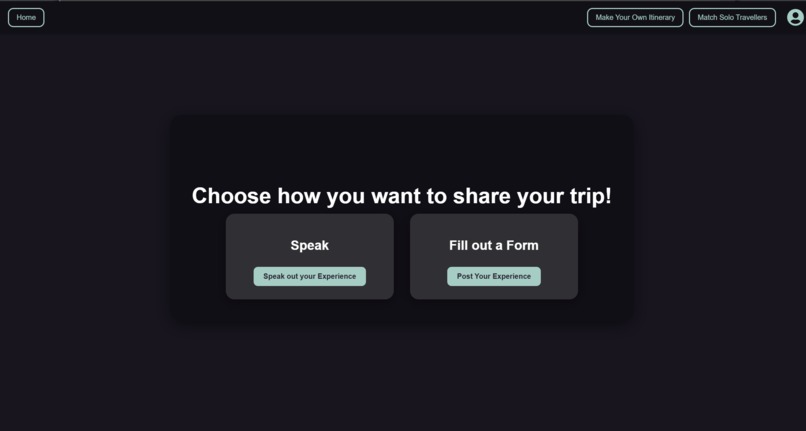
Post Page
-
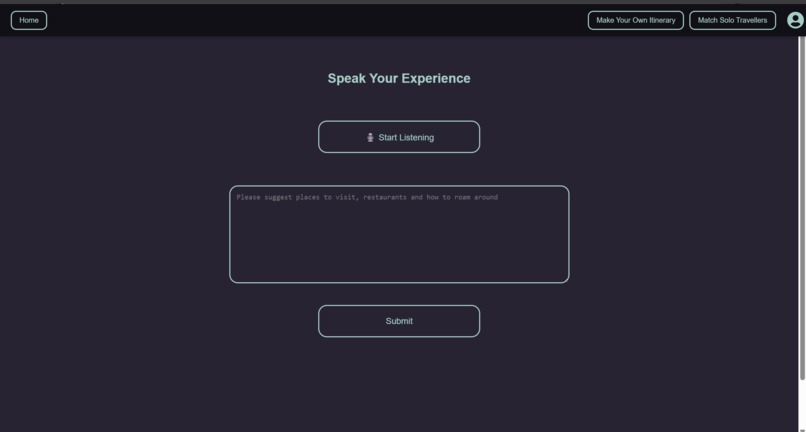
SpeechtoText Page
-
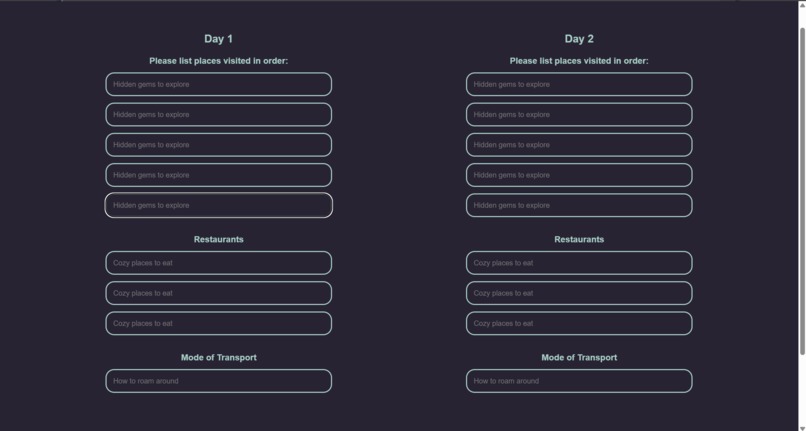
FormsInput Page
-
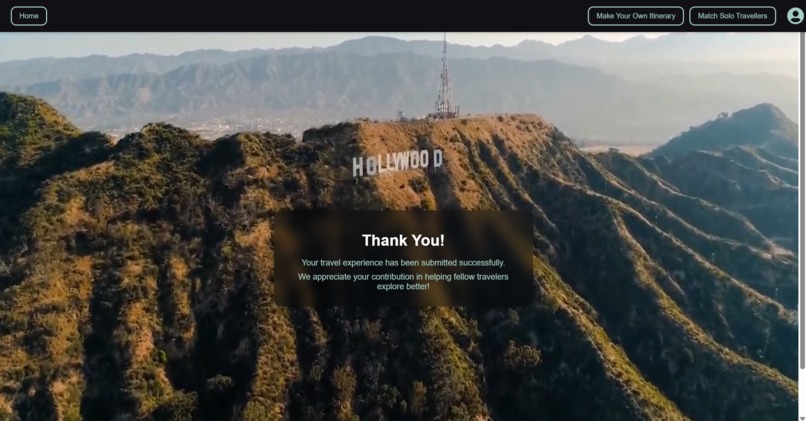
ThankYou Page
-
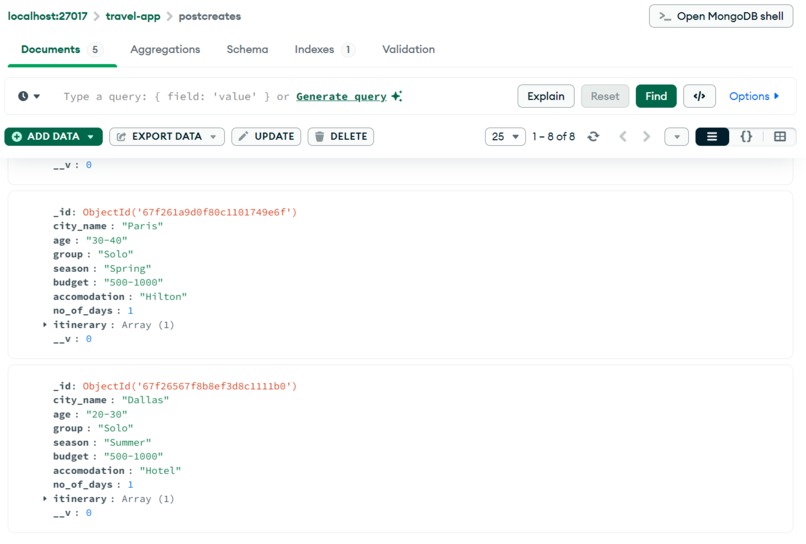
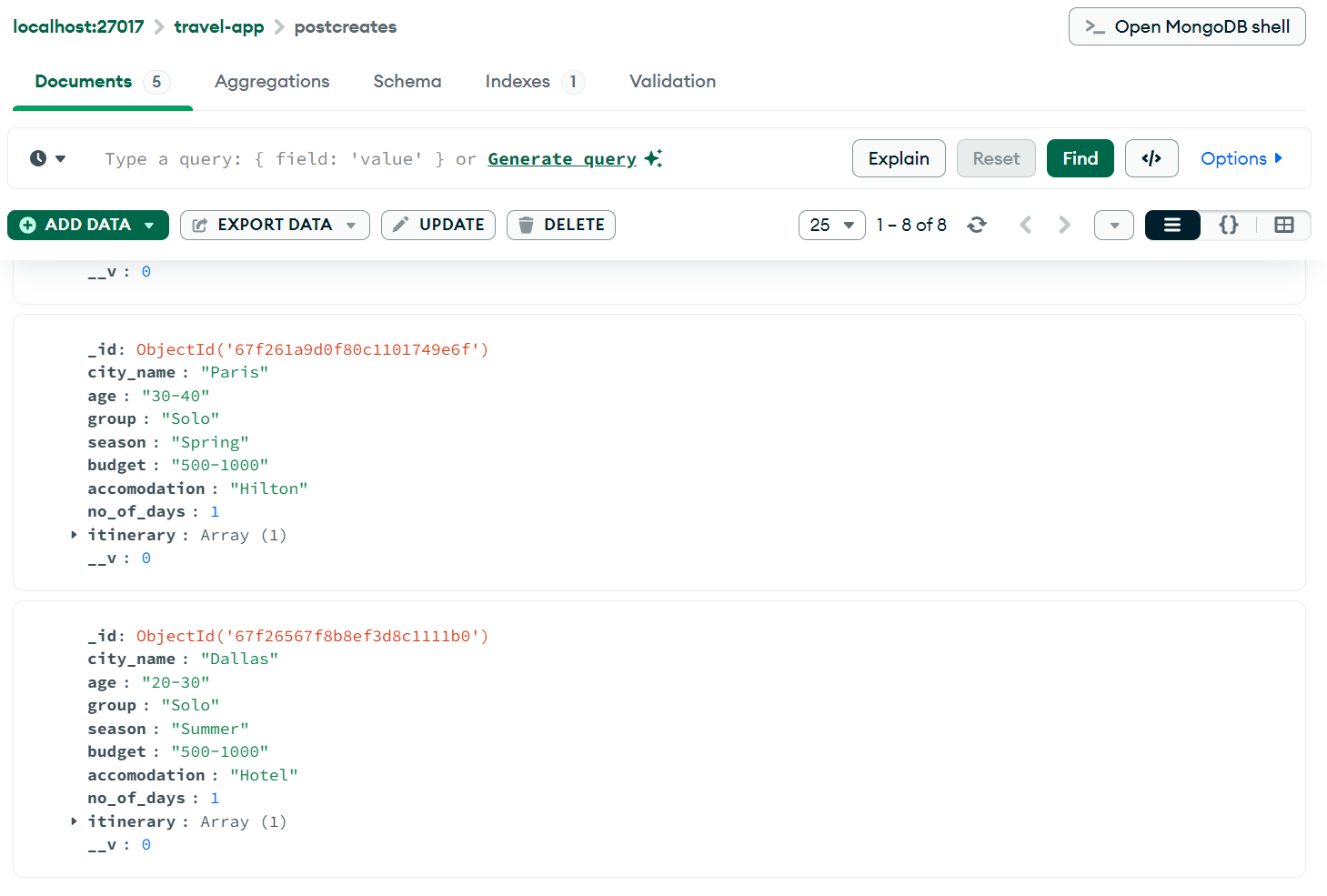
DataBase

Inspiration
With so many experiences scattered across social media and scattered blogs, we wanted to create a centralized platform that makes it easy to discover, plan, and capture meaningful travel journeys. Inspired by the theme “Timeless Moments Await”, we aimed to build an app that bridges past experiences, present exploration, and future plans — helping people relive special moments and inspire new adventures. That’s how ChronoRoam was born — a platform that goes beyond planning, designed to spark connections, share hidden gems, and fuel wanderlust in every season of life.
What it does
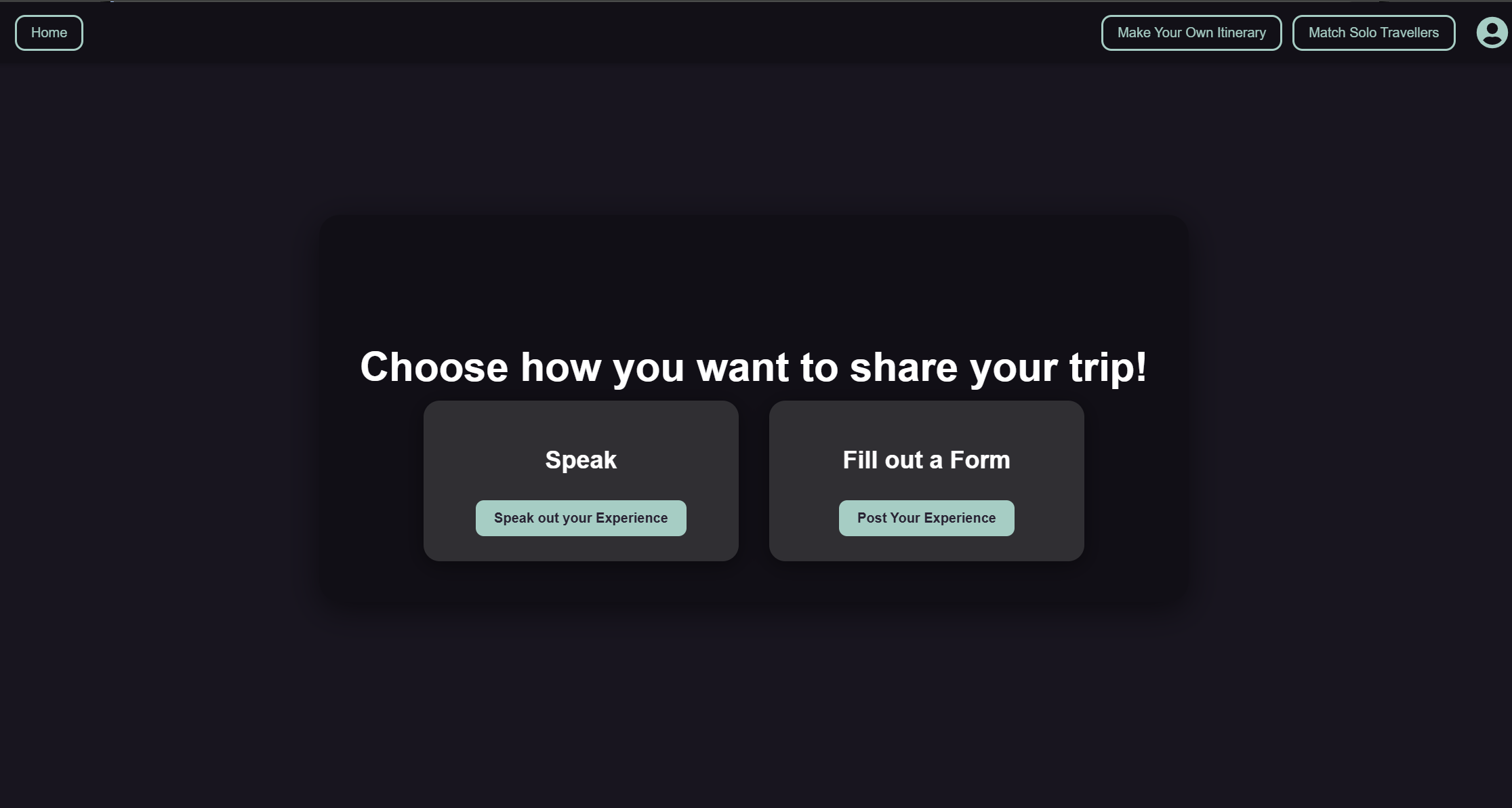
ChronoRoam is a platform where stories shape journeys. It caters to two types of users — those who are seeking inspiration (Viewers) and those who want to share their adventures (Posters).
🔎 For Viewers:
- Users can search real, crowd-sourced itineraries by city name.
- They can refine their results using smart filters — age group, travel season, group type (solo, family, work), and budget range — ensuring that the journeys they explore are relevant to their lifestyle and preferences.
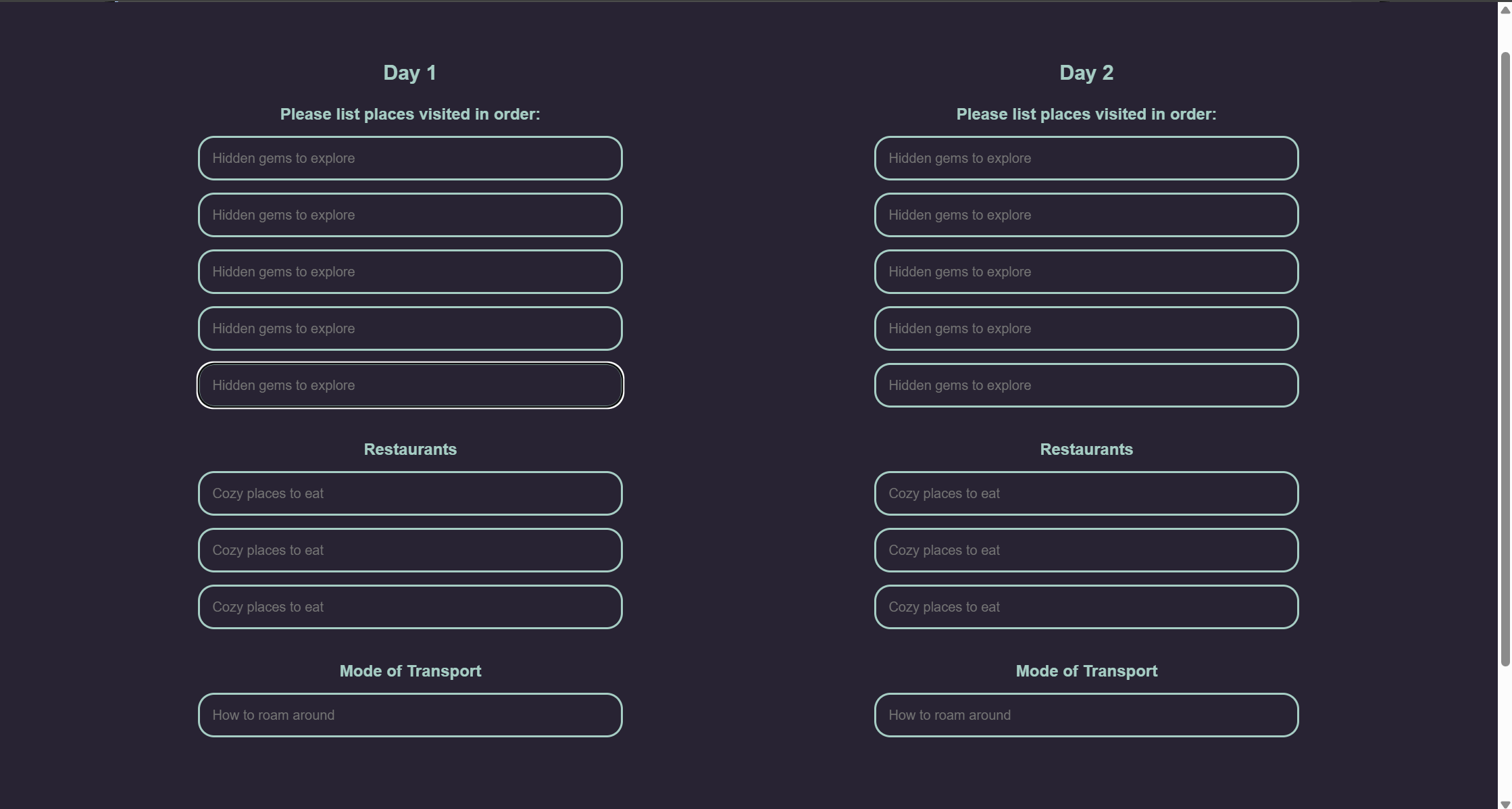
- Each result showcases a full day-by-day breakdown of: 1.📍Places visited 2.🍽️ Restaurants explored 3.🚗 Modes of transport
This viewer section is like a digital guidebook, filled with authentic, real-world travel experiences — not just tourist checklists but emotionally driven journeys from people like you.
📝For Posters:
- Users are encouraged to document and relive their timeless travel memories by submitting itineraries.
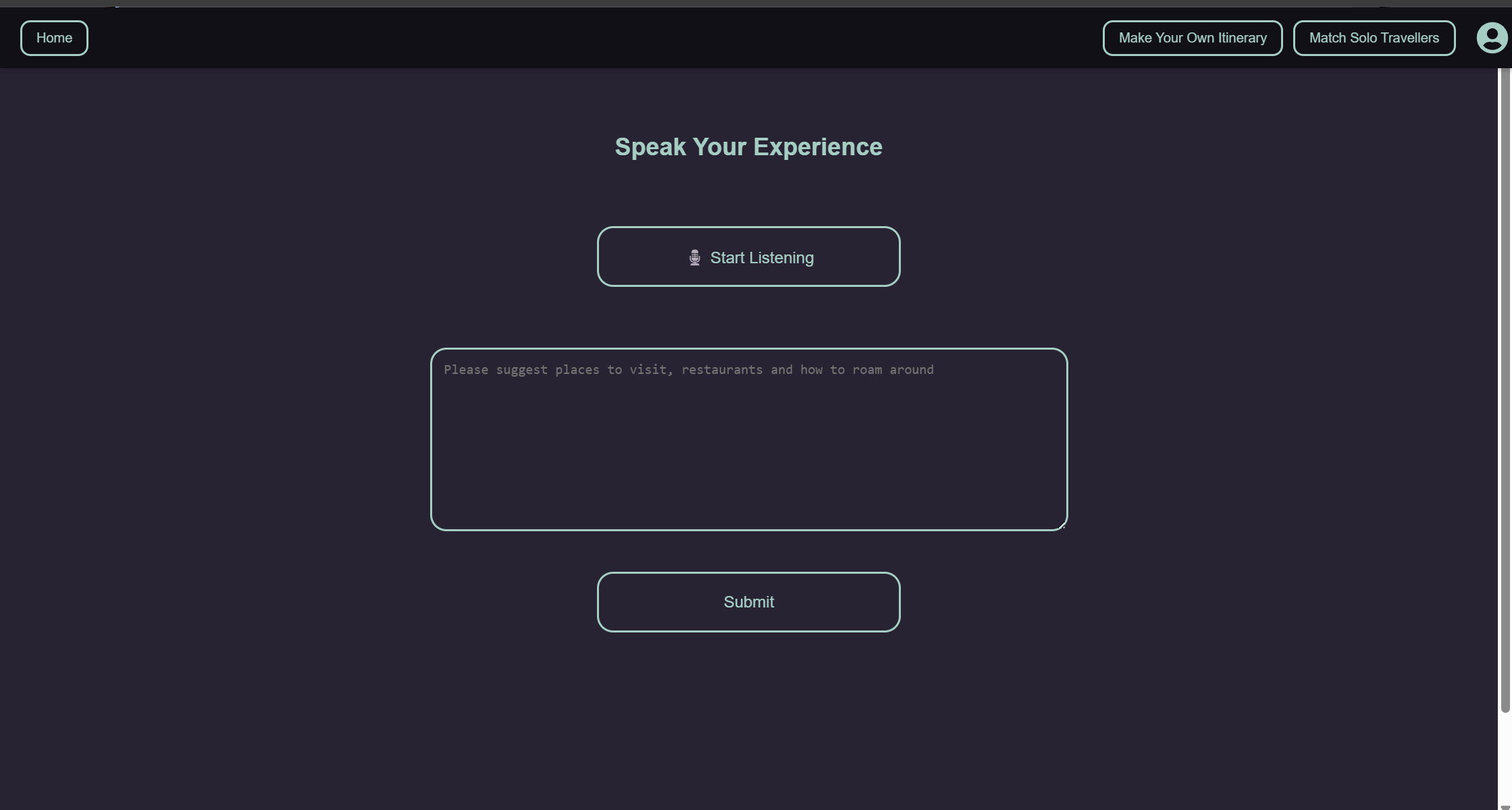
- We offer two intuitive options for submission: 1.🧾 Form-based input, where users can enter day-wise plans with details like places visited, restaurants, transport modes, etc. 2.🎙️ Speech-to-text integration (experimental), enabling users to speak their journey aloud — great for storytellers or those on the go. -The form is interactive and dynamic — it adapts to the number of travel days selected and captures input in a structured yet personalized format.
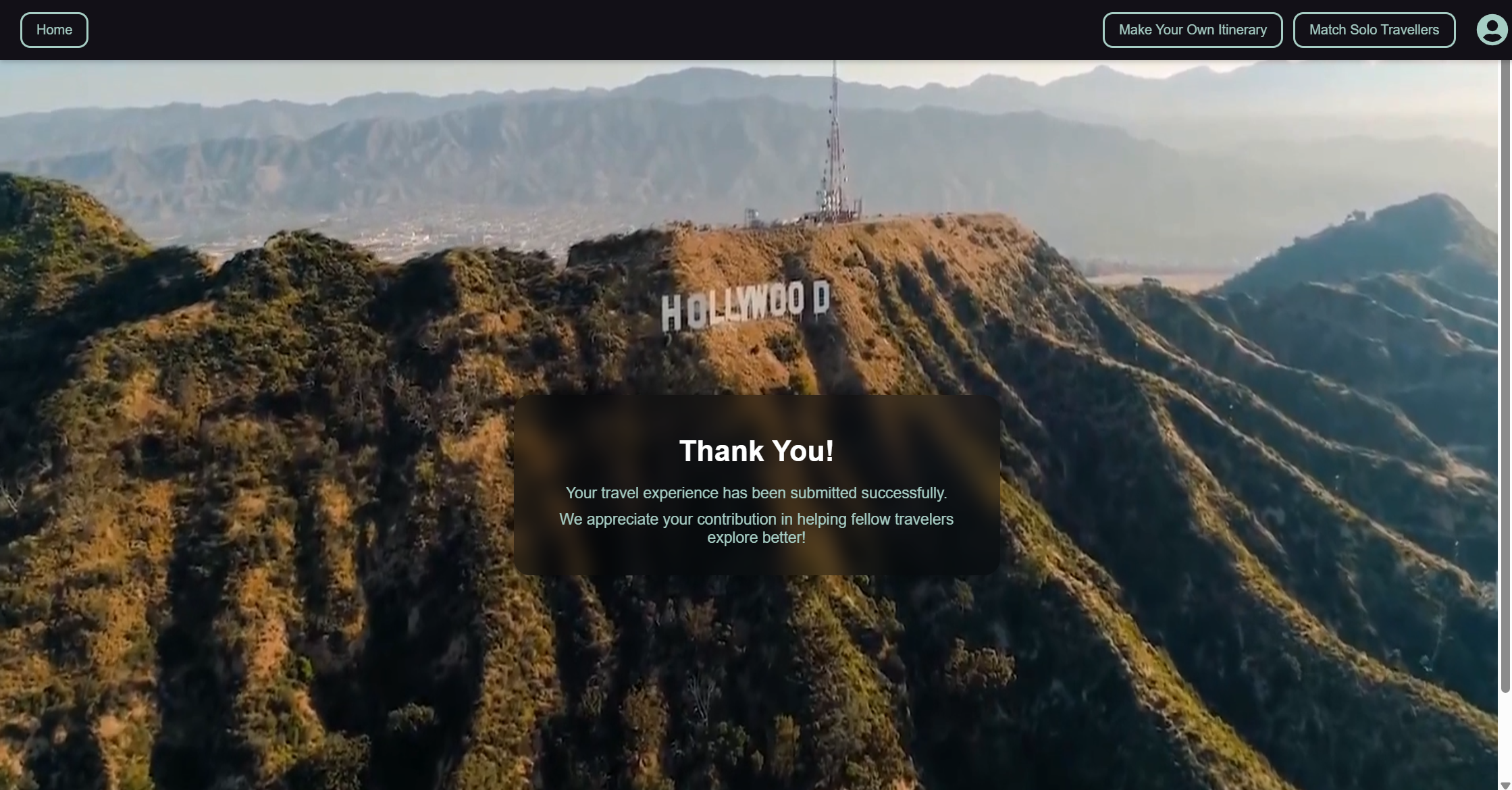
Each itinerary shared adds value to the growing community. ChronoRoam turns experiences into inspiration — making travel not just about destinations but stories that connect us across time.
How we built it
We used the MERN Stack to deliver a full-stack web app:
- Frontend: React.js for dynamic UI and responsive design
- Backend: Node.js + Express for clean API routing and modular logic
- Database: MongoDB to store itineraries and user data flexibly
- Voice Recognition: Web Speech API
- Styling: Custom CSS with themed gradients and smooth transitions to match the brand's feel
- Routing: React Router for seamless user navigation
- Version Control: GitHub with a well-managed branching strategy to avoid conflicts during collaboration
Challenges we ran into
- Implementing dynamic filtering logic for search results while keeping queries efficient
- Aligning frontend and backend data structures, especially with nested day-wise itinerary formats
- Integrating speech-to-text and form-based input seamlessly in the post submission flow
- Ensuring a smooth user experience across different screen sizes and interactive components
Accomplishments that we're proud of
- Built and deployed a complete MERN app within the hackathon timeframe
- Successfully integrated authentication and page transition
- Crafted an intuitive and elegant interface that’s accessible and fun to use
- Designed a feature-rich filtering system to personalize itinerary searches
- Established backend connectivity, creating a solid foundation for future scaling
- Enabled collaboration between frontend and backend seamlessly across branches
- Demonstrated effective teamwork under time pressure — from ideation to deployment
What we learned
- How to architect a scalable MERN app and connect backend routes to frontend components
- The power of component-based design for speed and clarity
- The importance of UX/UI planning for keeping users engaged
- React Router DOM for routing across pages
- Handling async flows between user actions and database responses
- Setting up real-world dev tools like GitHub workflows, .env configs, and API testing via Postman
- Efficient team collaboration using GitHub branches and pull requests
What's next for TravelApp
- Enable photo uploads and travel journals for more engaging content
- Let users save, like, and rate itineraries for better discovery
- Enable saving favorite trips and creating custom itineraries
- Integrate AI-based itinerary suggestions based on preferences and current trends
- Launch the “Match Solo Travelers” feature to connect explorers with similar interests
- Add user profiles and privacy settings for a personalized experience
Built With
- css3
- express.js
- font-awesome
- git
- github
- javascript
- mongodb
- mongoose
- node.js
- react-router-dom
- react.js
- vs-code
- web-speech-api

Log in or sign up for Devpost to join the conversation.