Inspiration
Unlike in the old times, we now live in a globalized world where international travel has become significantly more accessible. Wander maximizes the travel experience for everyone. Over 1.5 billion people traveled internationally in 2025, according to the UN Tourism.
In the past, Azaa, our team member, encountered difficulties while traveling abroad and found out that travel planning is crucial. From transportation and accommodation to cultural guidance and budgeting, various factors can harm the travel experience. Thus, we sought out a solution that maximizes everyone's wandering experience.
What it does
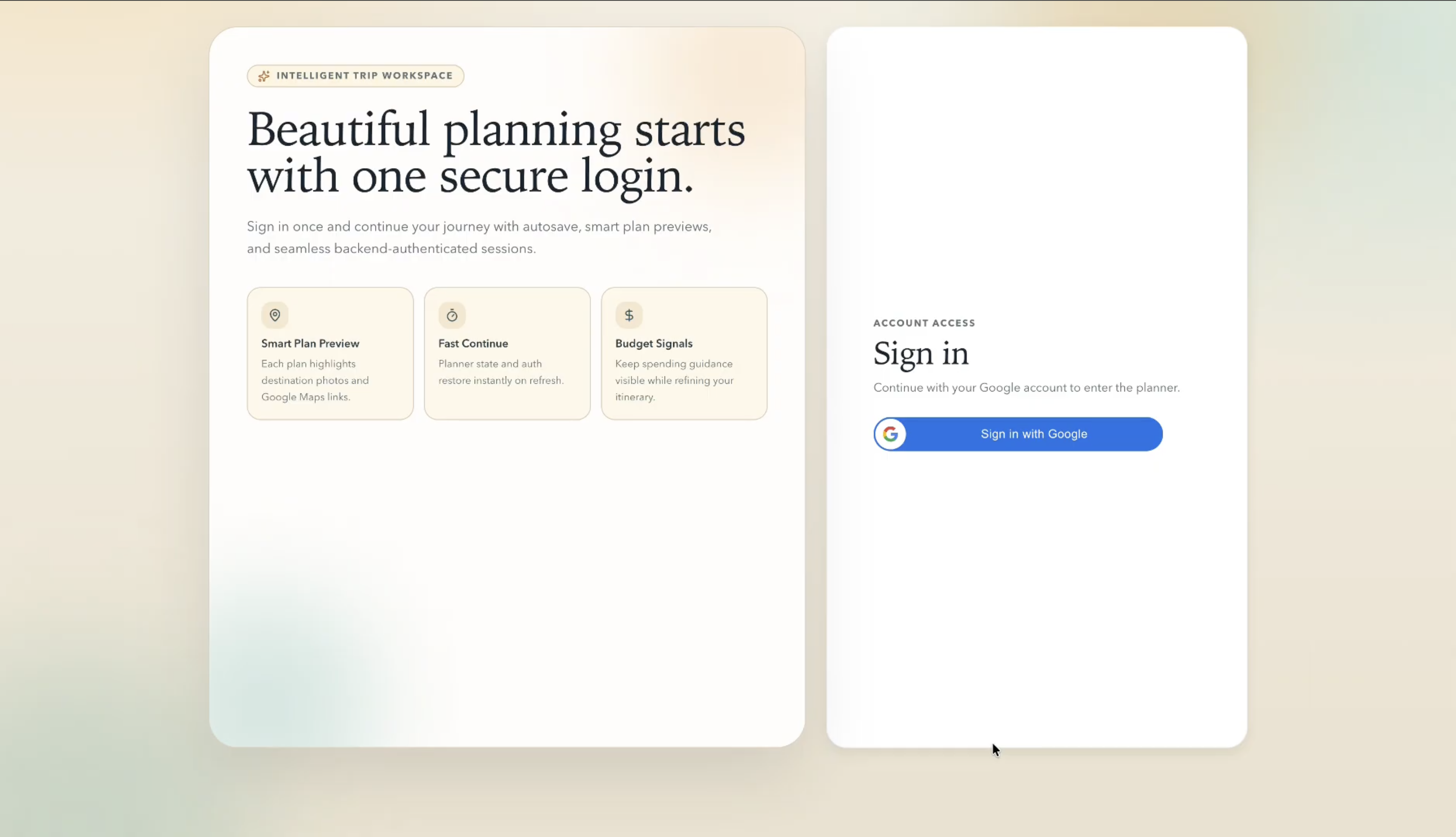
Wander creates a personalized travel plan from your profile and trip context, then turns it into an interactive travel dashboard.
It supports people who are still planning, already booked, and are traveling.
Key things it does:
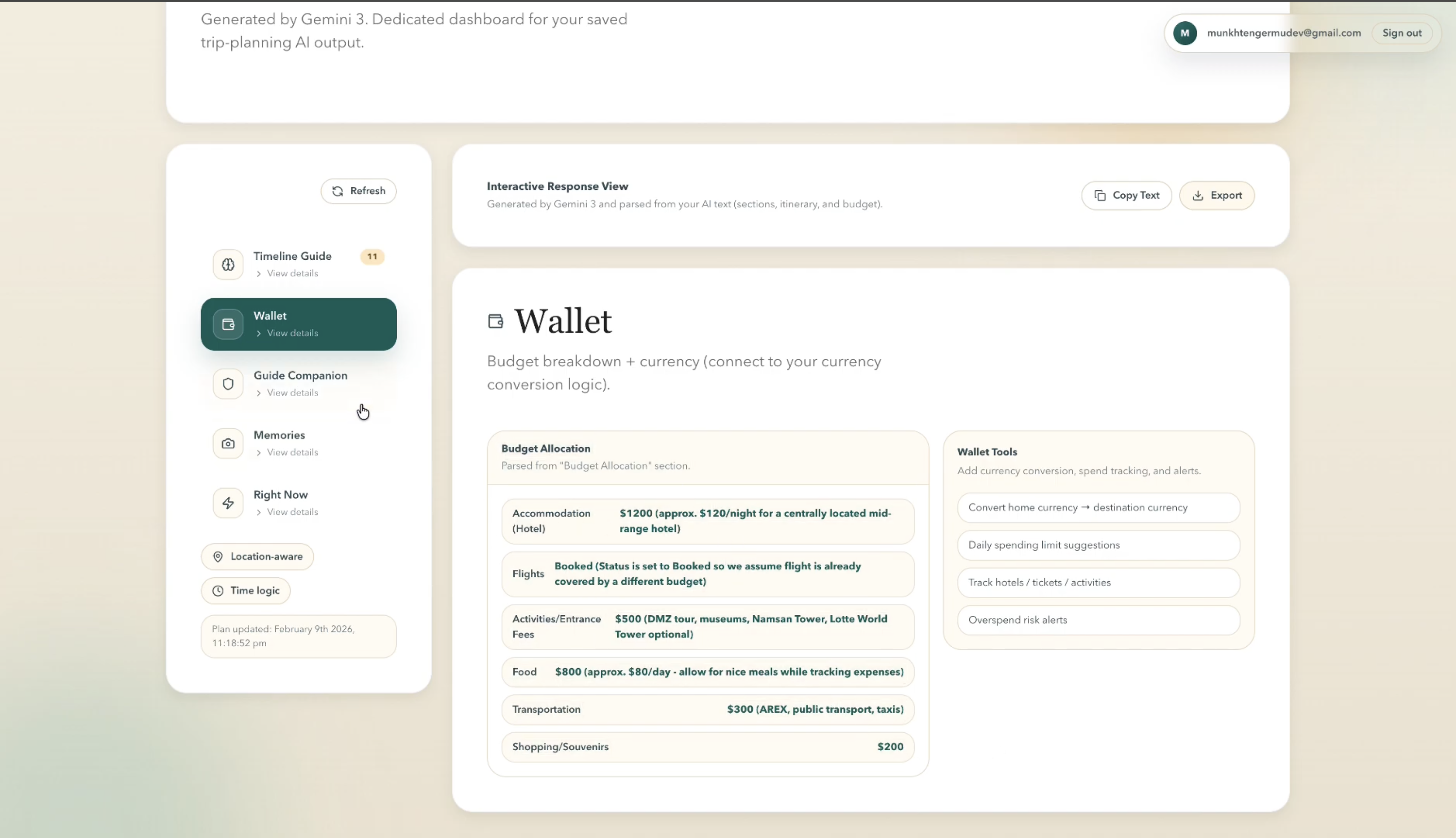
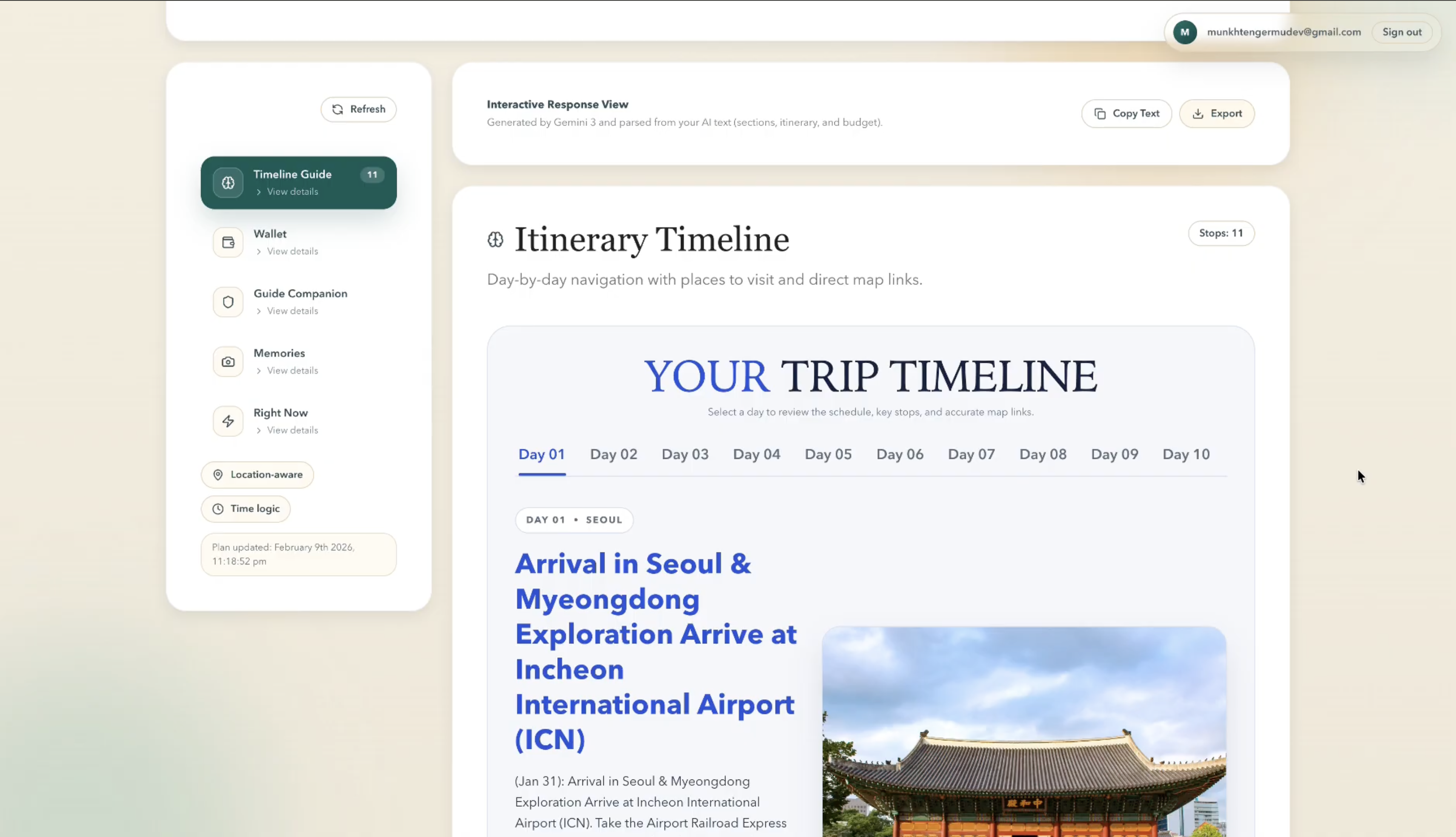
- Generates a structured day-by-day itinerary with strategy, budget allocation, logistics, and risk alternatives.
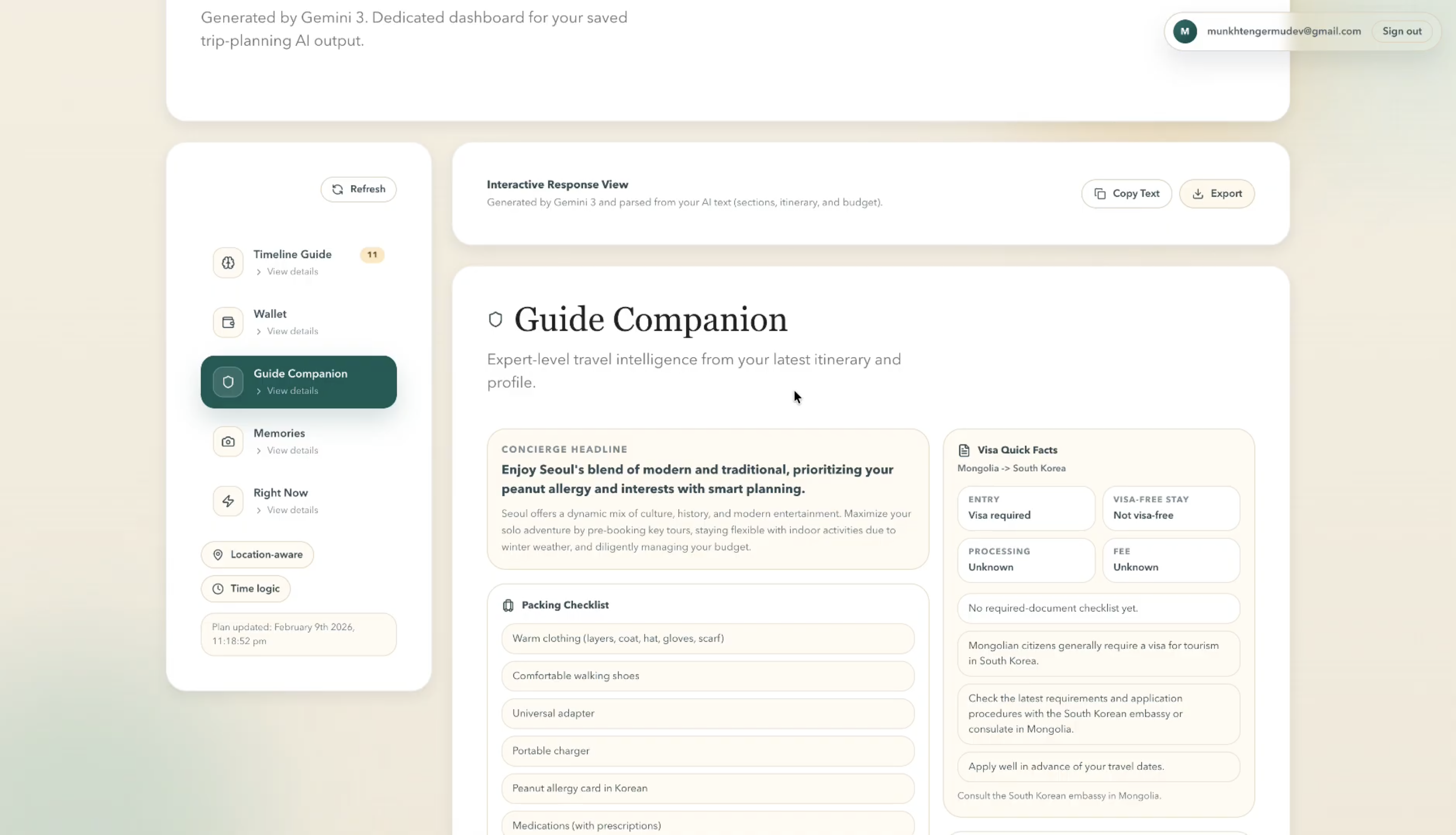
- Gives smart Guide Companion insights: safety, etiquette, packing, money tips, food missions, booking strategy, hidden gems, and visa quick facts.
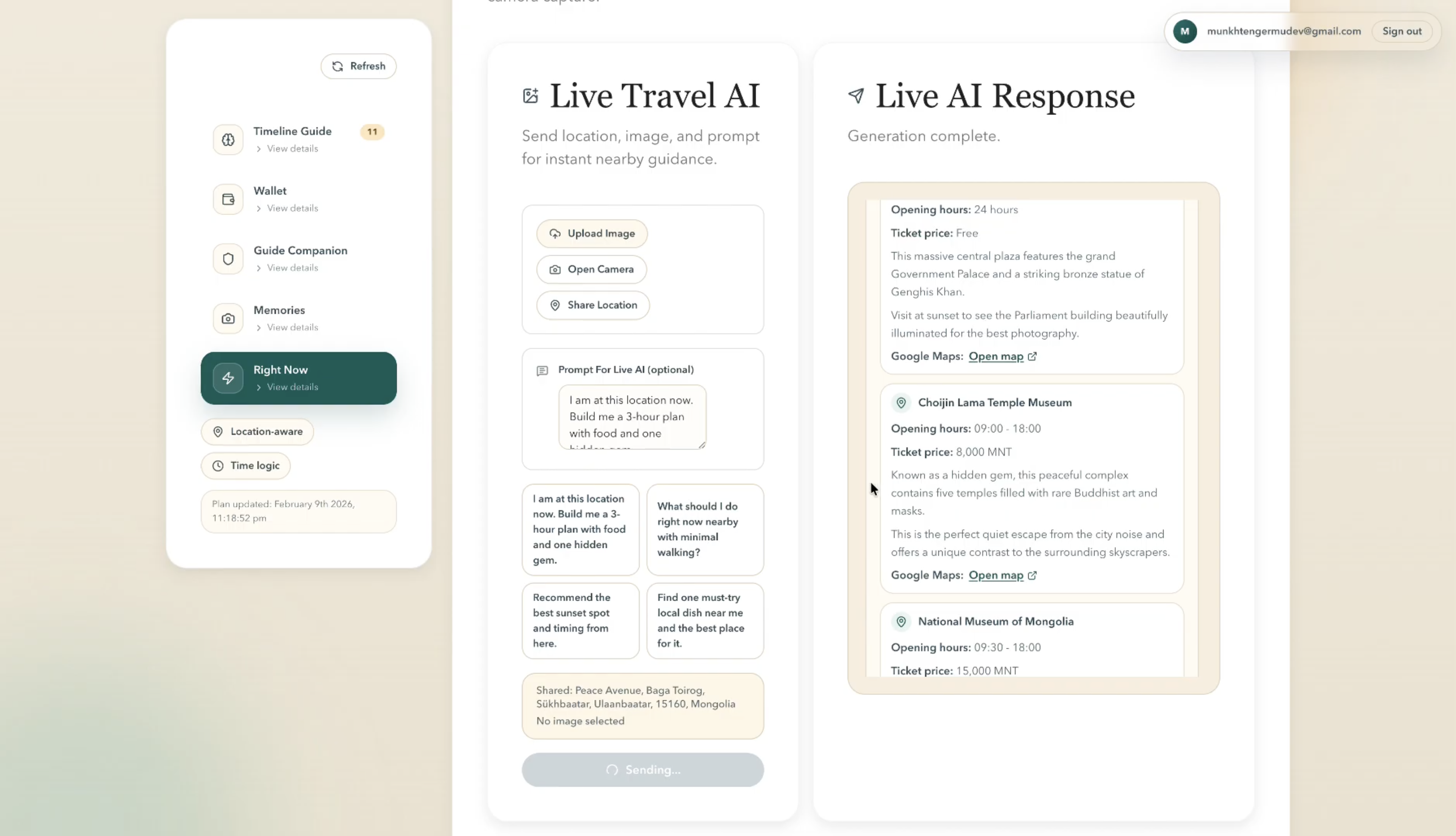
- Provides a live Right Now assistant using prompt + location + photo/camera context.
- Includes Budget Intelligence with home-country currency sync and manual currency override.
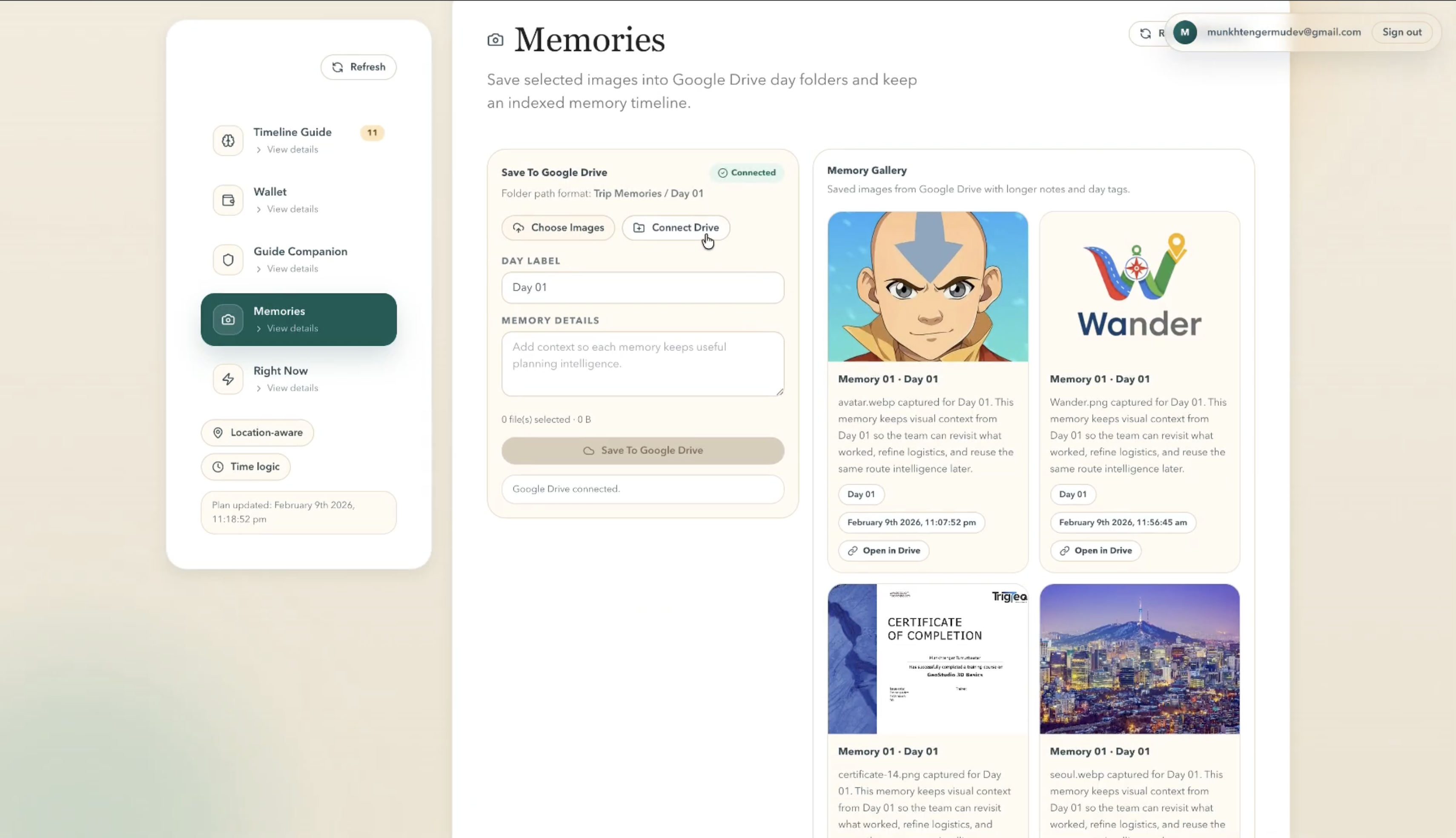
- Saves travel memories to Google Drive and organizes them by day.
How we built it
- Frontend: React + Vite.
- Backend: Node.js + Express APIs for auth, preferences, trip generation, and guide companion.
- AI: Gemini–3-flash-preview for faster response.
- Data: MongoDB for user profiles, preferences, plans, and memory metadata.
- Integrations: Google Sign-In, Google Maps context, geolocation, and Google Drive memory uploads.
Challenges we ran into
- Trying to make it useful.
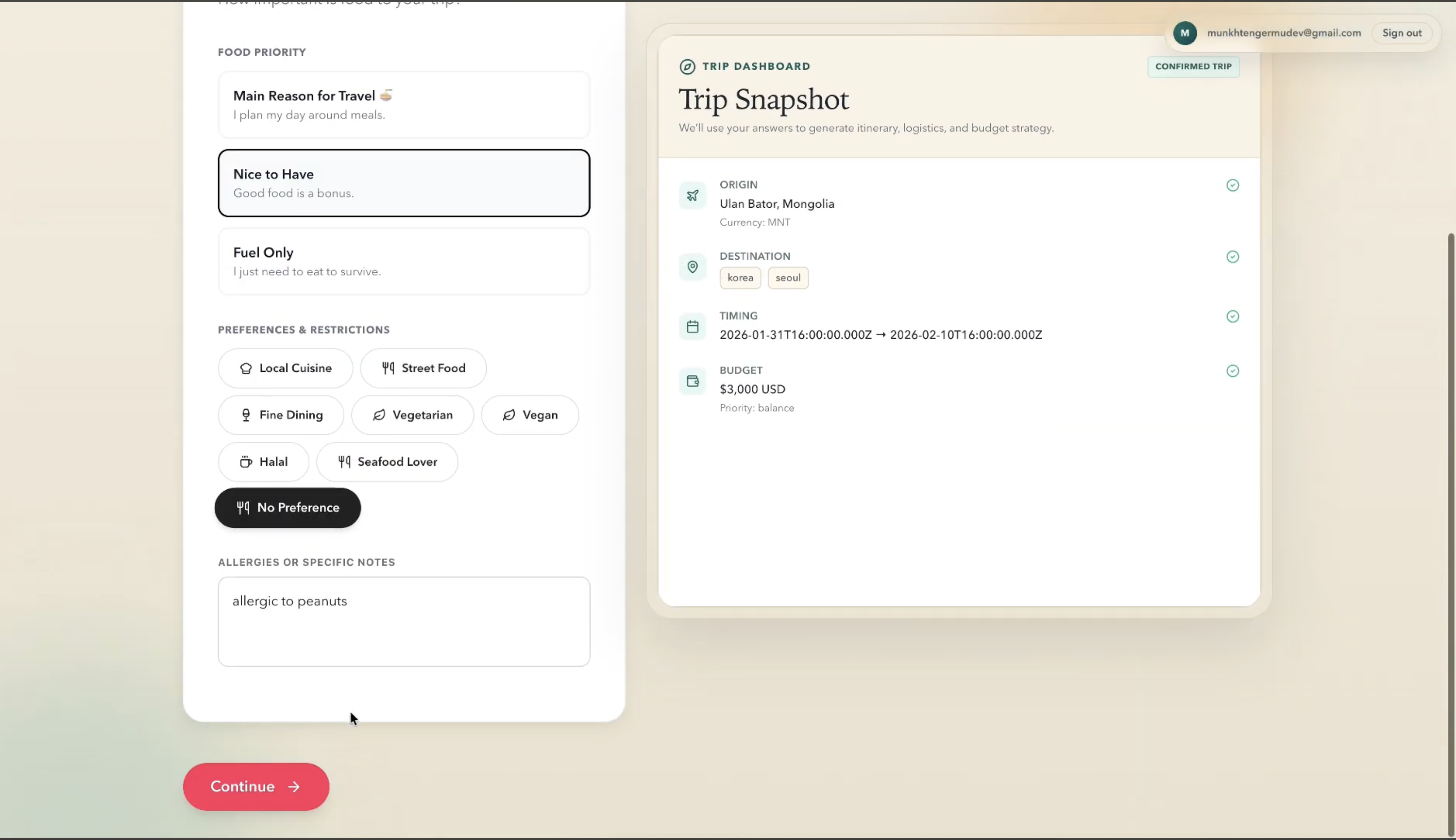
- Turning free-form onboarding data into reliable AI outputs with consistent structure.
- Keeping planning mode and booked mode both useful without bloating the form.
- Handling third-party integration edge cases (permissions, API load failures, geolocation, currency lookup).
- Maintaining UX quality while syncing related fields (like context currency and budget display currency).
Accomplishments that we're proud of
- Built a complete end-to-end flow from sign-in to plan generation to live in-trip support.
- Combined long-horizon planning and real-time assistance in one product.
- Delivered structured, practical AI outputs instead of generic travel text.
- Added meaningful quality-of-life features: visa quick facts, editable budget currency, and Drive-based memory timeline.
- Created a clean, multi-tab dashboard that makes AI plans actionable.
What we learned
- Prompt engineering is much stronger when combined with strict output schemas.
- Good travel AI needs both personalization depth and operational reliability.
- Small UX decisions (defaults, syncing, clear fallback states) have a huge impact on trust.
- Integrating multiple Google services requires careful error handling and state management.
What's next for Wander
We aim to keep improving Wander to truly maximize the travel experience for everyone around the globe. Our focuses are on:
- Adding Agent Development Kit
- Adding real-time flight/train/hotel price integrations and alerting.
- Improving the smart budget tracking against actual spend during the trip.
- Adding collaborative trip planning for groups.
- Adding multilingual local guidance and deeper cultural context.
- Improving the offline/travel-mode support for low-connectivity environments.
- Adding an option to book flight tickets, hotels, etc.


Log in or sign up for Devpost to join the conversation.