-
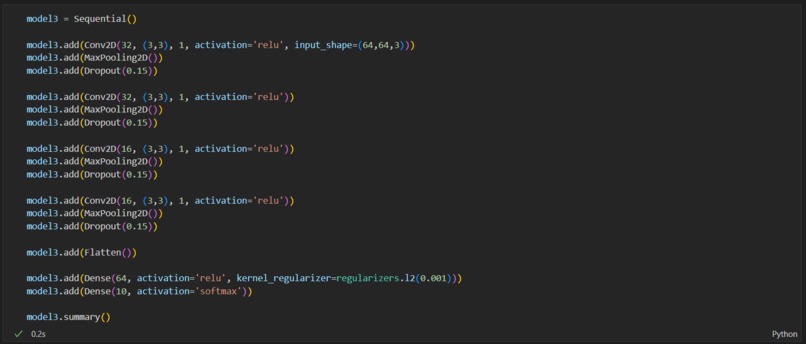
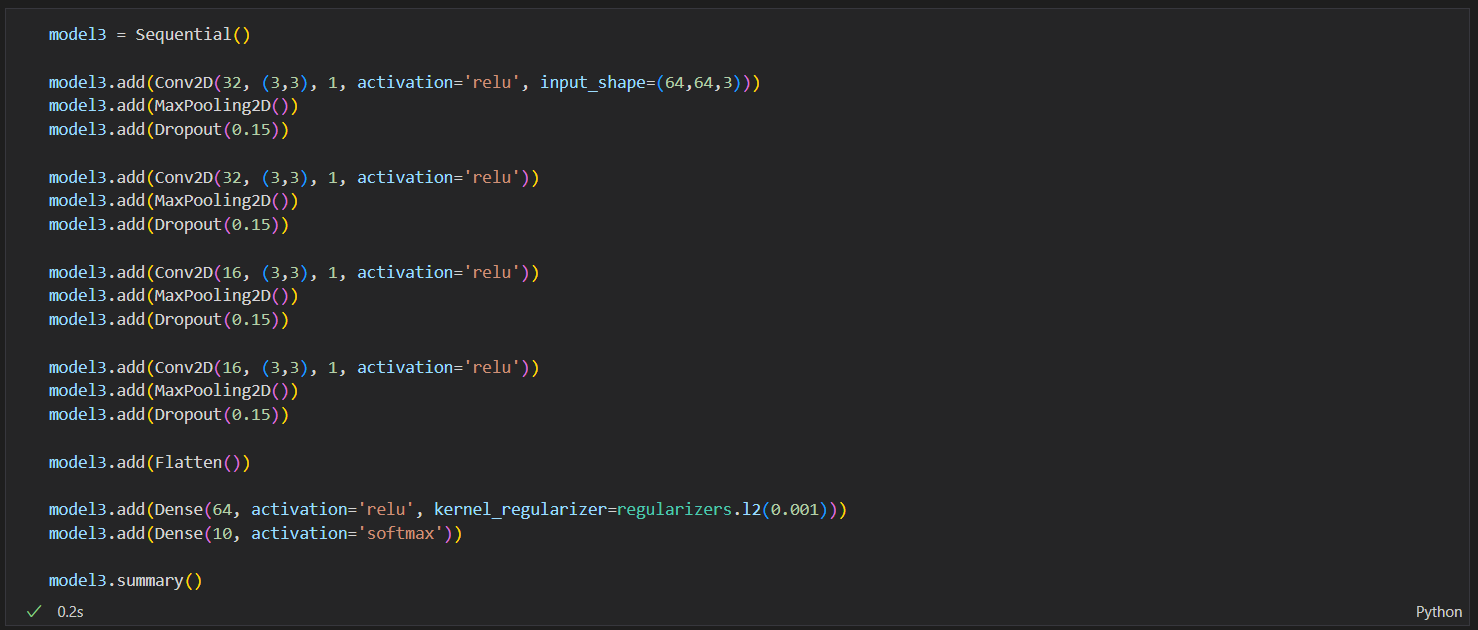
CNN Architecture
Inspiration
Taking a walk outside should be nothing short of a peaceful experience, yet the enormous amount of trash lining our streets is a huge obstacle. It is heartbreaking to see the widespread effects of litter everywhere from big cities to our neighborhood playgrounds. The U.S. alone produces over 590 BILLION POUNDS of trash every year. The U.S. spends an additional 48 BILLION dollars at clean up sites every year. If every American picked up a pound of trash ONCE a year, we'd pick up over 330 million pounds of trash that would otherwise be littering our streets, not only being unsightly but even causing hazards to children and ecosystems.
What TrashSpot does
Our project leverages the power of the people through crowdsourcing and volunteers cleaning trash in their neighborhoods. Anyone can take a photo of a TrashSpot (trash they spot), and the photo is entered into a machine learning algorithm, which classifies the trash by severity, type, and more! If the photo is trash, a marker is uploaded to a map, where volunteers, who are matched to TrashSpots via weighted shortest-path algorithms, can earn both community service hours and points, which lead to rewards, by cleaning up the Trash.
How we built it
We spent the entire hackathon—yes, all 24 hours, training our neural network to be as accurate as possible in Python... on two laptops simultaneously. The frontend UI is built using React.js, HTML, and CSS. They are connected via a database.
Challenges we ran into
None of us knew React coming into this hackathon, so Brendan learned it on the fly as he coded the UI. Mihika and Satvika focused on cleaning the data (nearly 22,000 images!) and optimizing the ML algorithm. Internet speeds, computer memory, and processing power were in short supply, so optimizing the ML algorithm as much as possible was extremely important for the program to even run. Also, bugs. So, many, bugs. Ew!
Accomplishments that we're proud of
We're ecstatic to present our project and hope it may inspire others!
What we learned
A lot. React.js, multiple Python libraries, various ML skills including model architecture and debugging, and juggling!
What's next for TrashSpot
There is a lot of further potential for TrashSpot, and we hope in the future to expand our project's capabilities with more powerful ML, and more! Some ideas include:
- Predicting future occurrences of trash based on prior occurrences (data collected through reports on our site)
- Gamification --> make it fun to clean up with points, quests, and rewards
- Partner with cities and waste management companies to provide additional support for trash removal

Log in or sign up for Devpost to join the conversation.