Inspiration
Walking around my neighborhood, I would see an ample supply of litter. Mostly common waste, plastics and food packaging, but sometimes I would find an e-cigarette/vape thrown away lying in the dirt. At one point, I began seeing so many that I thought to collect them in order to at least throw them away properly. However, I found that they contain a very valuable resource for makers, particularly those on a tight budget; lithium batteries. On top of being rechargeable and able to output a significant amperage under load, these batteries were practically brand new, most if not all having been recharged only a single time when the vape was manufactured. Thus, I thought that such waste would make for an excellent power source for my hobby projects, and this hackathon provided an excellent opportunity to put that idea to the test.
Project
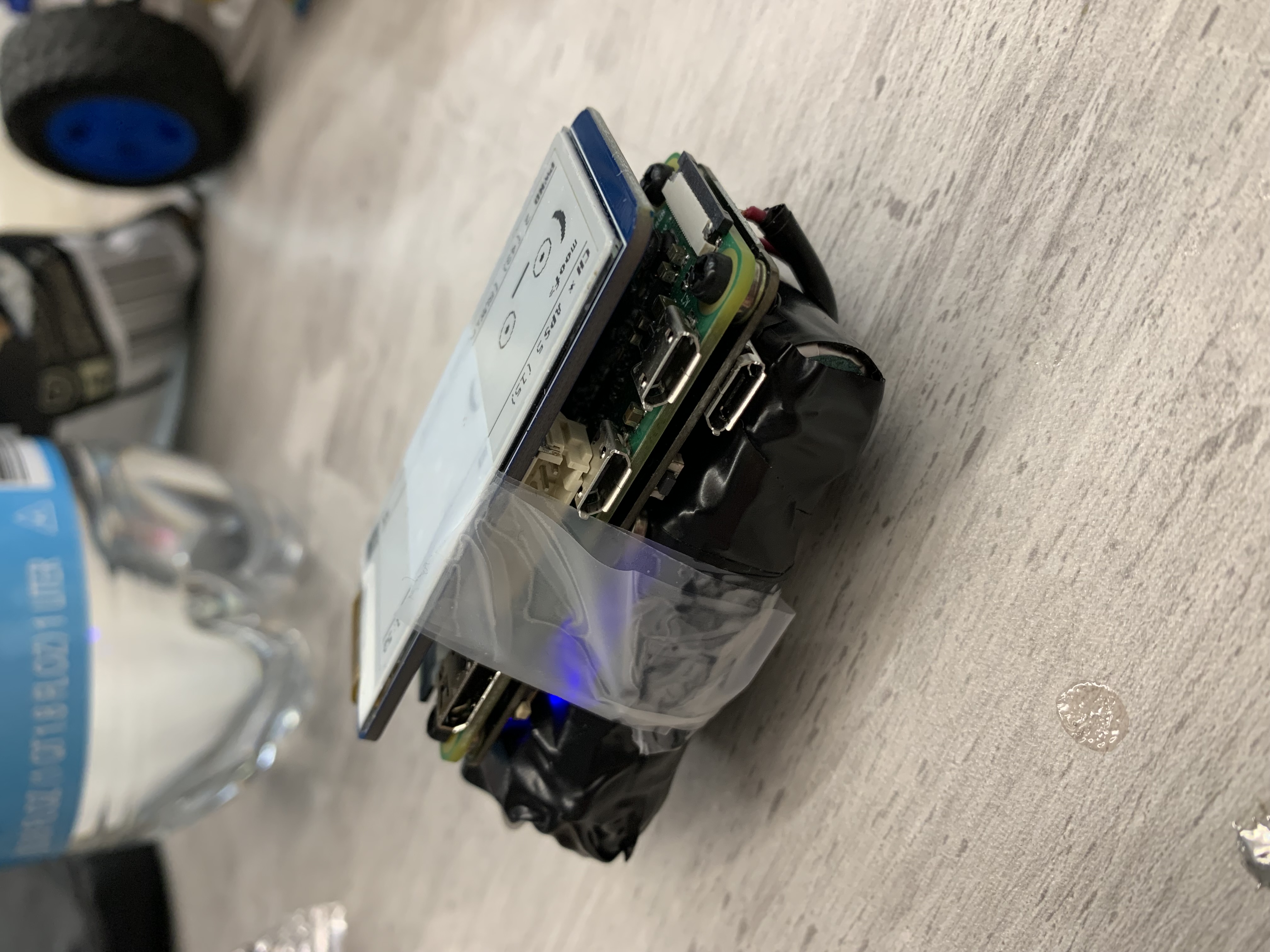
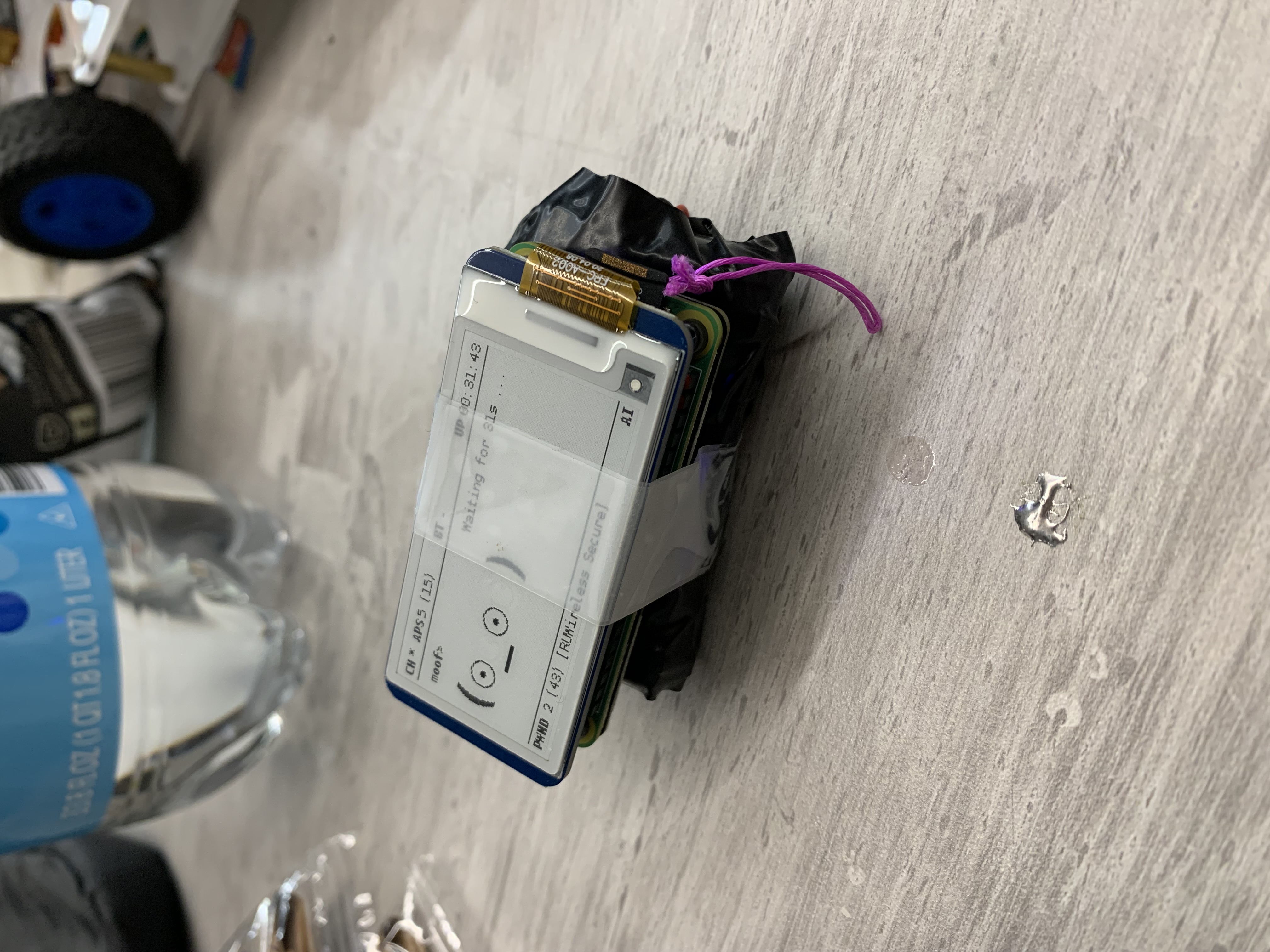
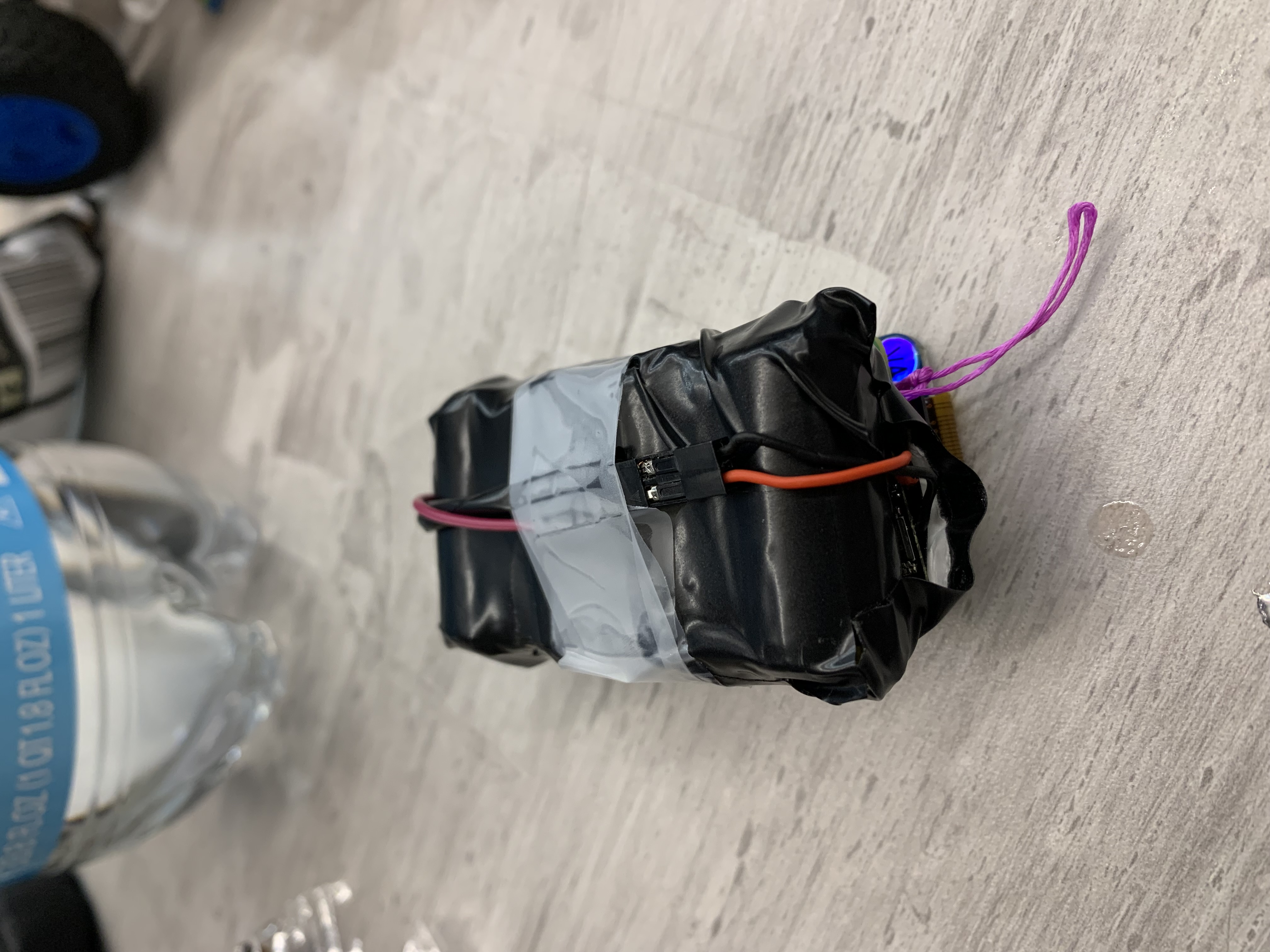
My goal for this hackathon was to assemble a functional battery pack from used up vapes and demonstrate its ability to power a useful device, and I succeeded in accomplishing that goal. The battery was assembled using simple and common hand tools (including soldering), and is almost entirely comprised from parts salvaged out of spent vapes, including the battery protection circuit and the wires. It contains 4 cells, in a 4P1S configuration in order to maximize the capacity, as the device being powered, a Pwnagachi AI (Raspberry Pi Zero with a E-Ink display), only requires 3.7 volts and is optimized for low amperage use. The pwnagachi included a battery and its own recharging circuit, but it was replaced with the one I constructed in order to quadruple its capacity. The device was also left running overnight, as it had been completed at about 10PM and the batteries were recharged using a modified recharging circuit from a rechargable (but not refillable) vape and it had lasted until morning.
Takeaway
I believe that "disposable" vapes are extremely problematic for everyone involved, and that the regulations which created them need to be revisited by legislators in order to prevent unnecessary waste, however I think this project effectively demonstrated how easy it is to recycle these devices into something useful (despite not being particularly applicable to this specific hackathon), although all of the dangers of working with lithium batteries still apply, to an even greater degree.
Notes On Safety
Lithium batteries can be incredibly dangerous when handled improperly, they can catch on fire spontaneously and cannot be put out with water as contact with water will cause an explosion. In any lithium battery, it is essential to include a protection circuit in order to prevent over discharging/charging as well as preventing voltage spikes. When charging it is also essential that a proper charging circuit is used, and battery terminals are not just connected to a power supply, as it provides addition protection and regulates the voltage delivered to the cells. Proper safety precautions were taken where reasonable, such as having a heavy duty steel container nearby at all times to contain any fires, as well as gloves being used to handle the batteries at all times during assembly.
Built With
- electrical
- hardware
- pwnagachi
- raspberry-pi
- wiring

Log in or sign up for Devpost to join the conversation.