-
-
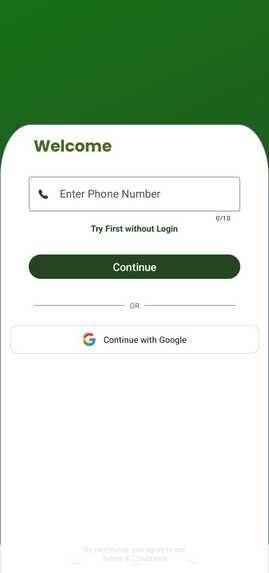
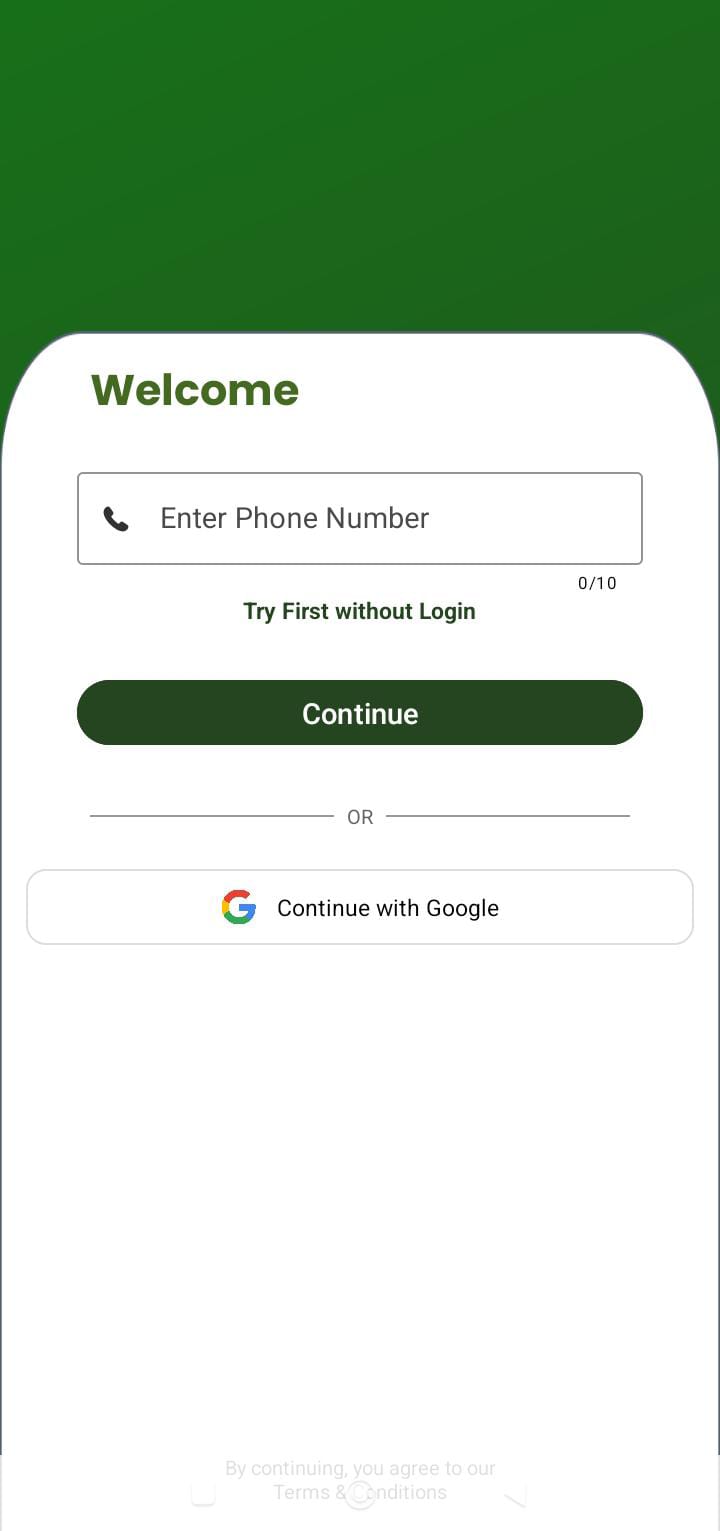
Login Screen
-
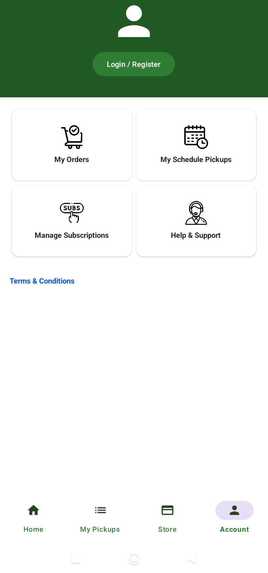
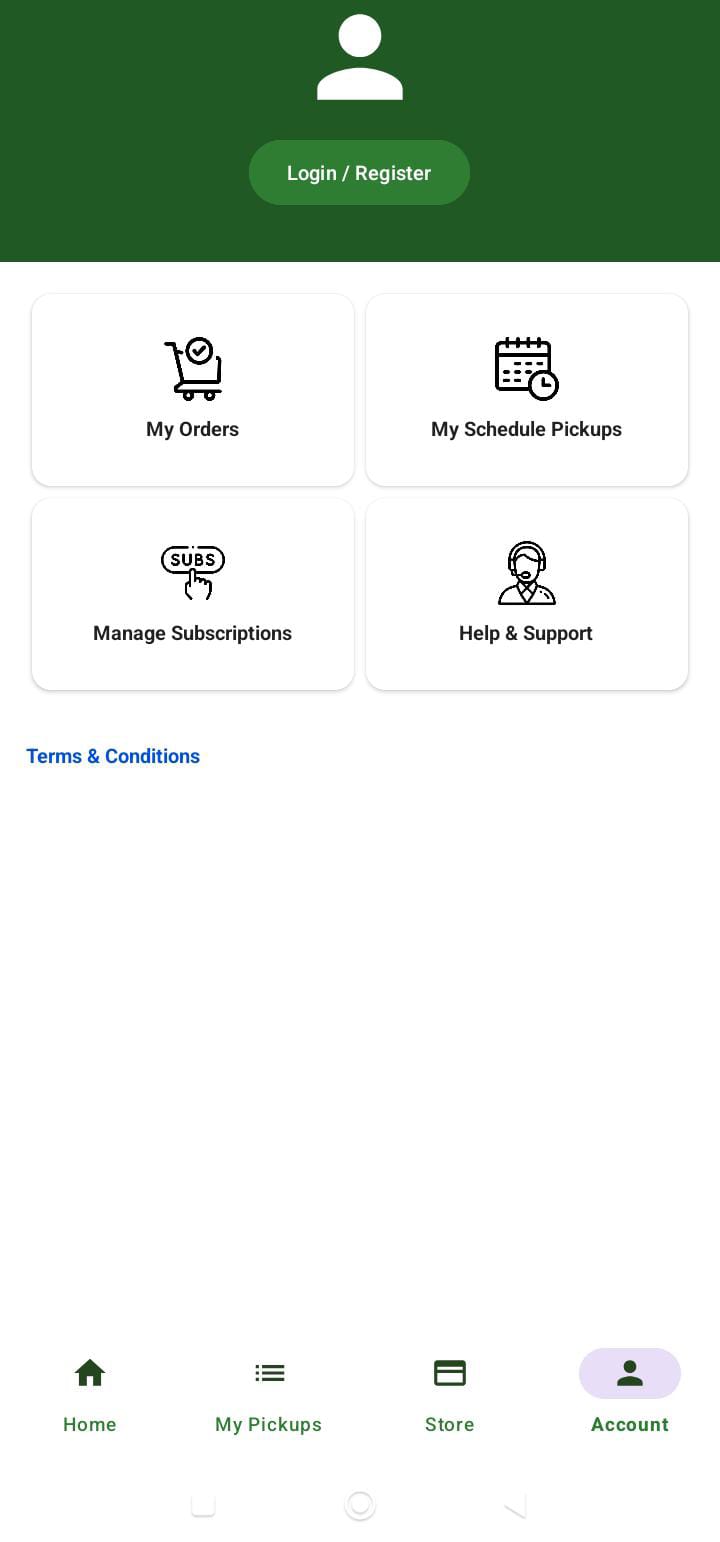
Account Section Page
-
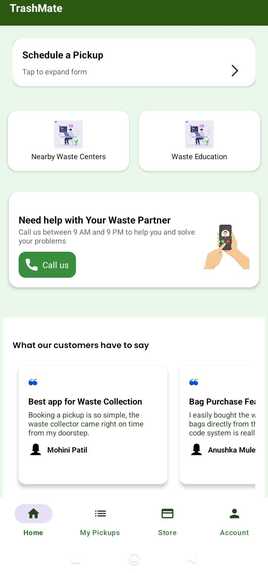
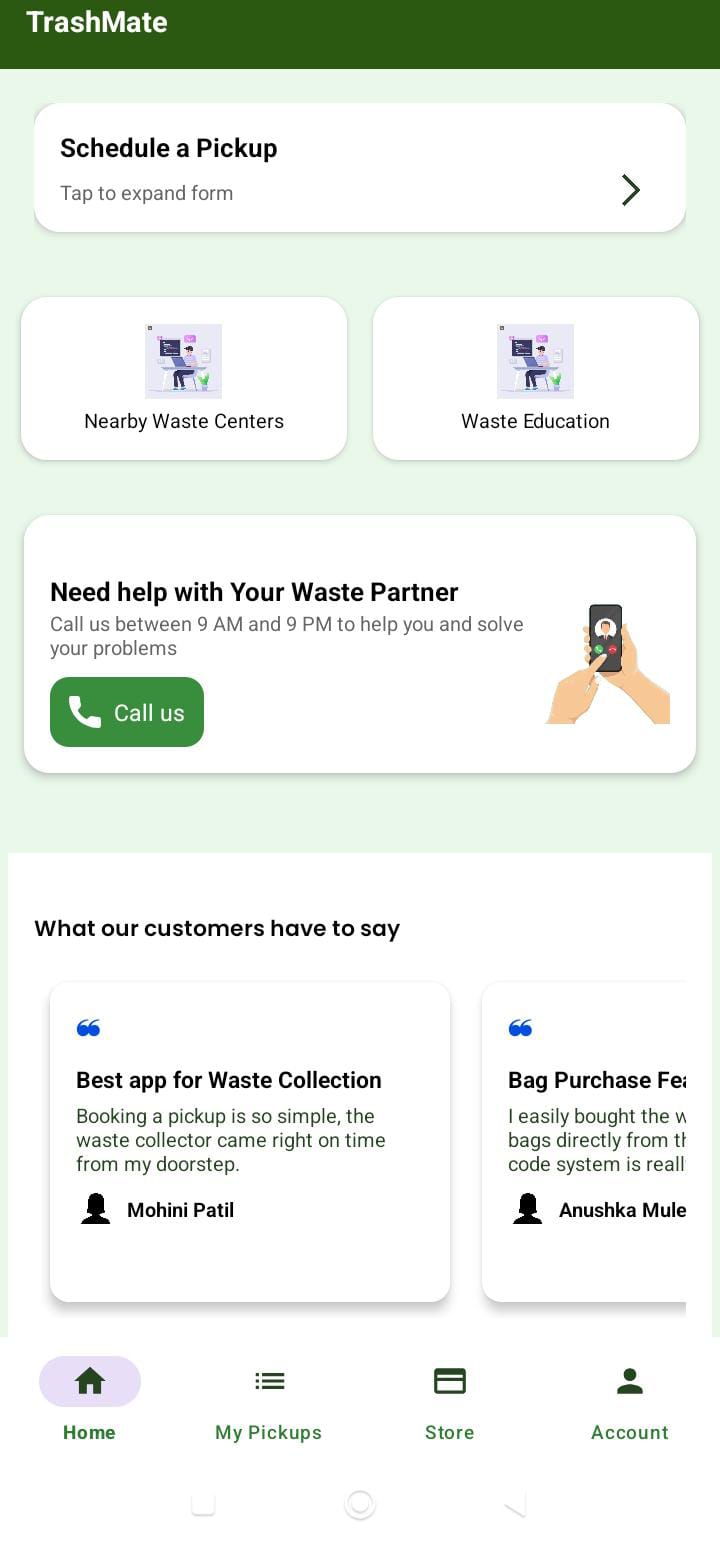
Home Page
-
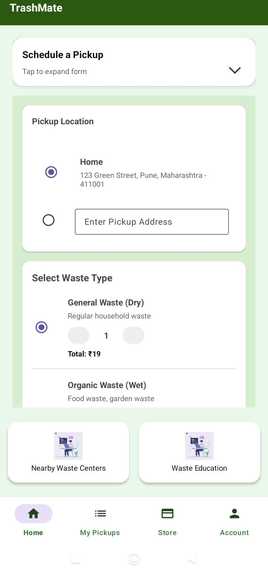
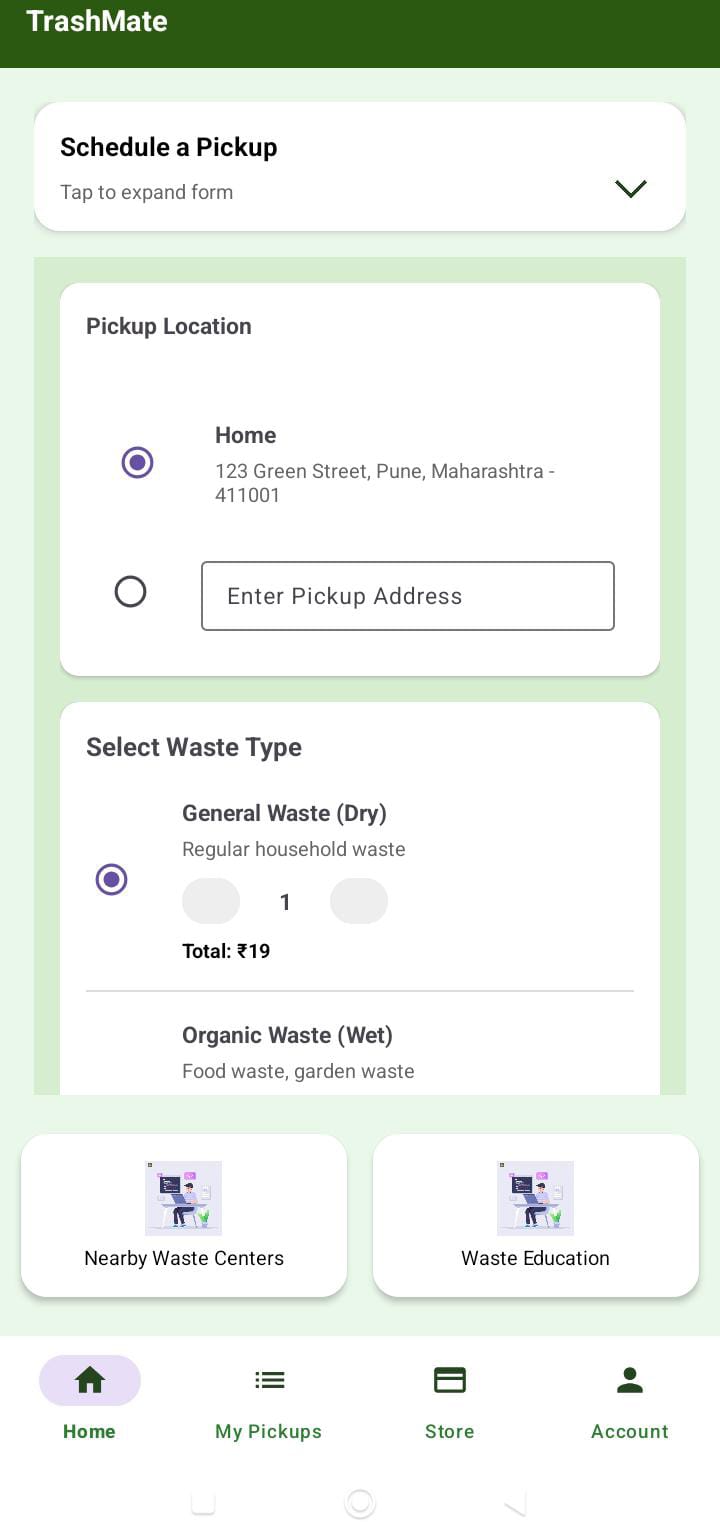
Home Page with Forms
Inspiration
The project was inspired by a simple but urgent observation: despite increasing waste generation, many cities still rely on outdated, manual, and inefficient waste collection systems. Overflowing bins, missed pickups, unverified collections, and poor accountability create frustration for citizens and operational challenges for municipalities.
We realized that waste management doesn’t need more manpower — it needs smarter systems. This insight motivated us to create TrashMate, a smart, AI-enabled waste management platform that connects citizens, collectors, and municipalities through real-time technology.
What it does
TrashMate is a smart waste management platform that modernizes how cities collect, track, and manage waste. It connects citizens, waste collectors, and municipal authorities through a unified, real-time digital system.
Here’s what TrashMate enables: QR-Based Waste Verification Each waste bag is tagged with a QR code. Collectors scan the code during pickup, ensuring every collection is digitally verified—no missed or fake pickups. Smart Citizen App Users can track collector arrival, schedule pickups, report issues, purchase verified waste bags, and receive notifications. Collector App With Optimized Routing Collectors receive app-based routes, digital attendance, QR scans, safety instructions, and work logs—reducing manual errors and improving productivity. Municipal Command Dashboard Real-time monitoring of collection progress, collector locations, complaints, workforce analytics, and service verification. End-to-End Transparency Every pickup is logged with time, location, and collector identity, creating a tamper-proof service record. Data-Driven Insights Cities can access analytics on waste patterns, missed pickups, route efficiency, and citizen behavior to plan better and reduce operational waste.
How we built it
We built TrashMate by combining mobile apps, backend services, and QR/GPS technologies into one connected ecosystem. Our approach focused on rapid prototyping, modular development, and real-time data flow between users, collectors, and municipal dashboards.
System Architecture & Planning We started by mapping the entire waste collection workflow—citizen requests, collector actions, verification steps, and municipal oversight. Using this, we designed a three-tier architecture: Frontend: Citizen app, collector app, and admin dashboard Backend: APIs, authentication, and data processing Smart Layer: QR verification + GPS tracking + notifications This ensured scalability and future AI integration.
Mobile App Development Tech:React Native Built separate interfaces for citizens and collectors Integrated features like: QR scanning Pickup scheduling Real-time GPS tracking Push notifications
Backend & Database Tech: Node.js / Express / Firebase / Supabase Designed APIs for: User auth Waste pickup logs Route assignment Complaint reporting Implemented real-time data sync for location and pickup status.
QR-Based Verification System Generated unique QR codes for each waste bag. Linked each QR to a user profile + pickup history. Enabled collectors to scan and verify every collection digitally.
Municipal Dashboard Tech: React + Chart.js / Next.js Provided tools for: Live tracking Analytics & heatmaps Collector performance Complaint management
Challenges we ran into
Building TrashMate involved several technical and operational challenges that pushed us to adapt quickly and rethink our approach:
Integrating Real-Time GPS Tracking Ensuring smooth and accurate real-time tracking for waste collectors was more complex than expected. We had to manage: Location refresh rates Battery optimization Data synchronization delays This required testing different APIs and optimizing our update logic.
QR Code Linking & Verification Creating a reliable system where each QR code maps to a user and a pickup event was challenging. We struggled with: Ensuring each scan is unique Preventing duplicate or false entries Handling poor network conditions during scans
Accomplishments that we're proud of
Despite the complexity of the system and the time limitations of a hackathon, we achieved several key milestones that brought TrashMate to life:
- Built a Fully Functional Multi-User Prototype We successfully developed: A citizen app A collector app
A municipal dashboard All three connected seamlessly through a unified backend—something we’re extremely proud of.
- Implemented End-to-End QR-Based Waste Verification We created a working QR system where: Each waste bag has a unique code Collectors scan and verify pickups
Real-time logs are generated instantly This significantly boosts transparency and reliability.
What we learned
Participating in this project taught us valuable lessons—not only about technology but also about building solutions that matter in the real world.
- The Power of Simple Technology in Solving Big Problems We realized that major urban challenges like waste collection don’t always require heavy infrastructure— sometimes QR codes, GPS tracking, and clean workflows can create massive impact.
- Designing for Real Users Matters Building apps for both citizens and waste collectors helped us understand: Different levels of digital literacy The need for clear, minimal interfaces How important ease-of-use is in adoption
User-centered design became a major guiding principle.
What's next for TrashMate
While the hackathon prototype demonstrates the core functionality, we see huge potential for expanding TrashMate into a city-scale smart waste management platform. Our next steps include:
Advanced AI-Powered Route Optimization We plan to integrate machine learning to: Predict high-waste zones Optimize collector routes dynamically Reduce fuel consumption and operational costs This will make the entire system faster, smarter, and greener.
Smart Sensors & IoT Integration To automate collection even further, we aim to add: Fill-level sensors for bins Geofencing alerts Auto-generated pickup requests This will enable more proactive and efficient waste management.


Log in or sign up for Devpost to join the conversation.