-
Trash AI
-
Trash tracking
-
Vouchers Page
Inspiration
Classifying trash to recycle is nothing new - hundreds, if not thousands of bins across the country feature separated bins to streamline and promote the process of recycling. However, these systems do not account for the person disposing of trash. Unfortunately, not everyone is responsible, and there will certainly be those who are either too lazy to classify trash or mistakenly place it into the wrong category.
That's why we came up with our idea, the most garbage AI in the industry - TrashAI. It encourages increased purchase of recyclable products by integrating it with an mobile app that has monetary incentives, along with the capability to compete with your friends.
What it does
We incorporate a neural network based on ResNet50 and over 1500~ training images into a physical trash can with a camera and servo-operated doors to correctly classify trash when it is thrown away.
When a user throws a piece of trash into the bin, it is stopped by a trapdoor and photographed by a camera. The image is fed to an API and the machine learning algorithm responds with its prediction of what type of trash it is, being plastic, metal, paper or non-recyclable. The piece of trash is let through the initial door and falls into a corresponding hole that opens up.
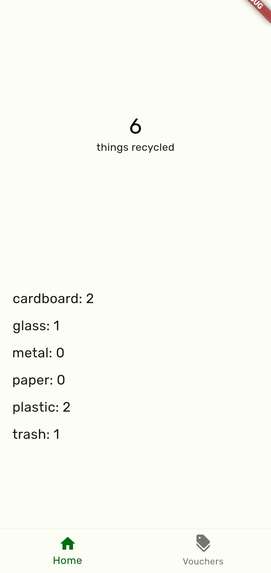
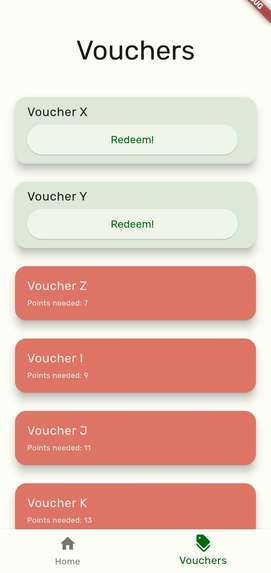
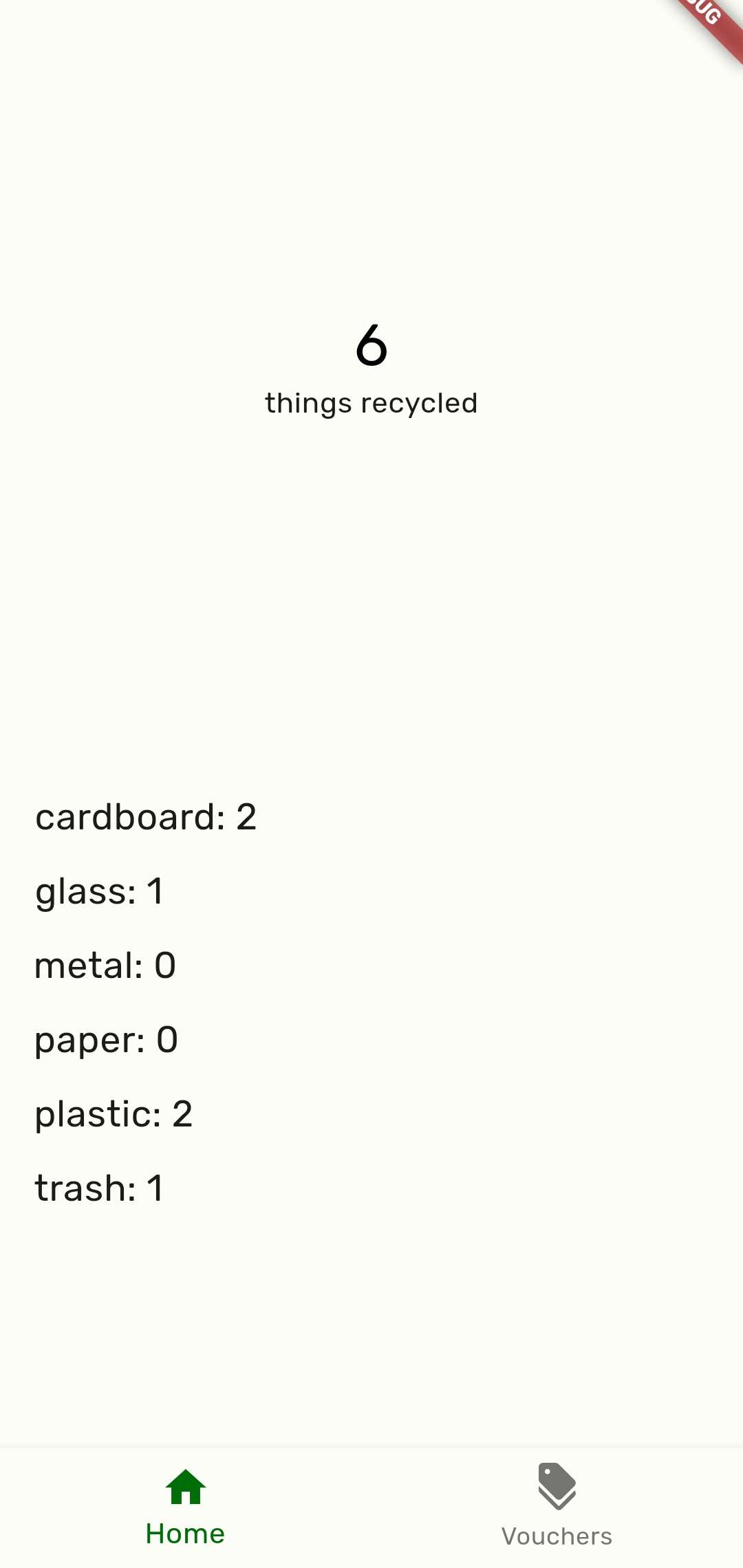
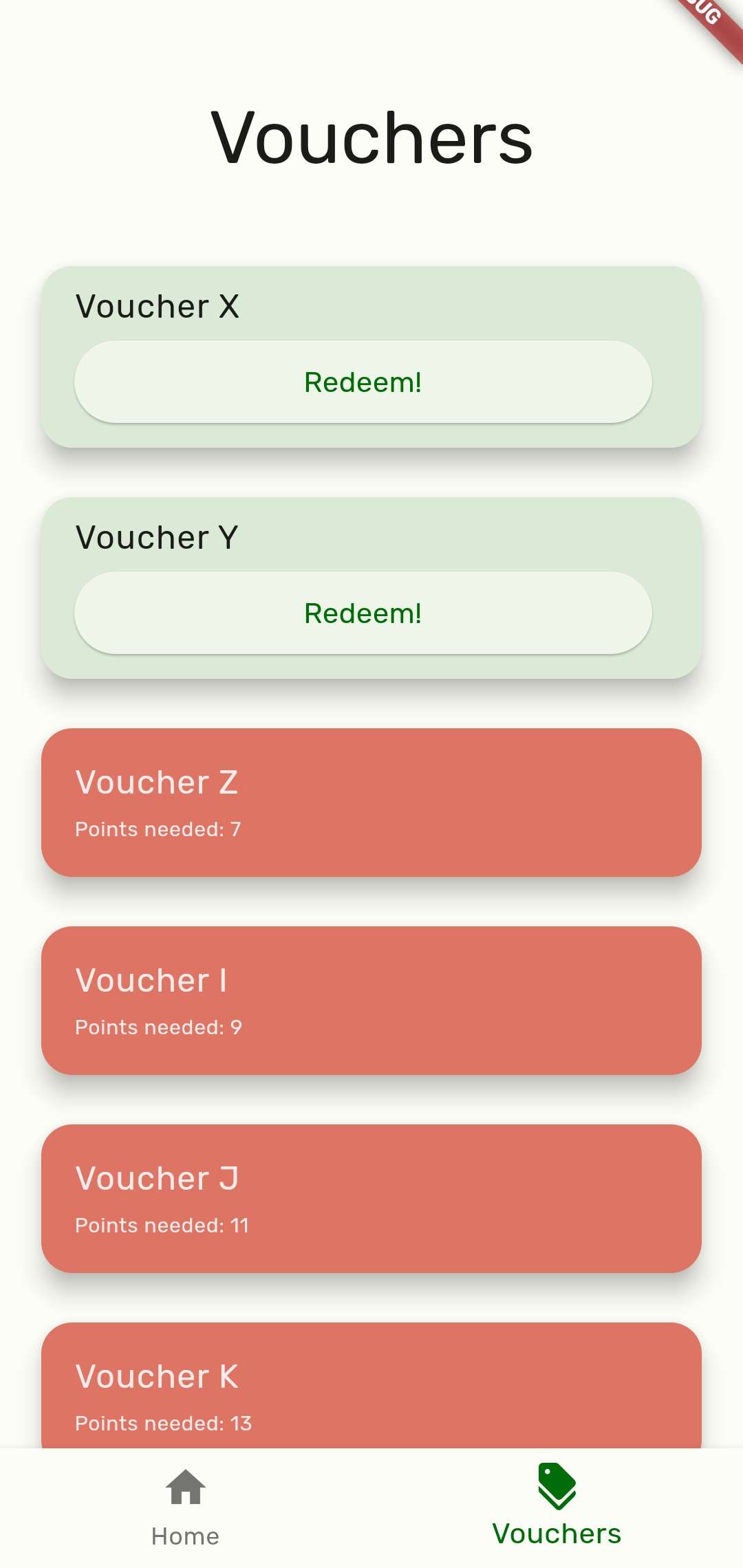
This data is then synced with a mobile application that offers vouchers that can be redeemed based on the amount of trash recycled. You can track the amount of each type of trash thrown in - this can be used to redeem vouchers and compete with friends (future feature), encouraging sustainability.
How we built it
Each one of our members handled different tasks:
- Wrote the ML algorithm and created the API. The algorithm classified the trash into 6 categories: cardboard, glass, metal, plastic, and other trash.
- Handled the hardware calibration and engineering.
- Created a mobile interface that keeps track of how much and the type of trash that was disposed of. We also implemented the voucher page for users to see what vouchers they can redeem, and how many points were needed to redeem a voucher.
Challenges we ran into
During the engineering process, all of the servos intended to move the trapdoors did not work. The machine learning model took an abnormally long time to train which delayed the API creation. Time constraints led to us being rushed to create the physical model of the trash can.
What's next for TrashAI
- Building a friend system that allows users to connect with each other and compete.
- Increasing capability to identify and classify more types of trash.

Log in or sign up for Devpost to join the conversation.