-
-
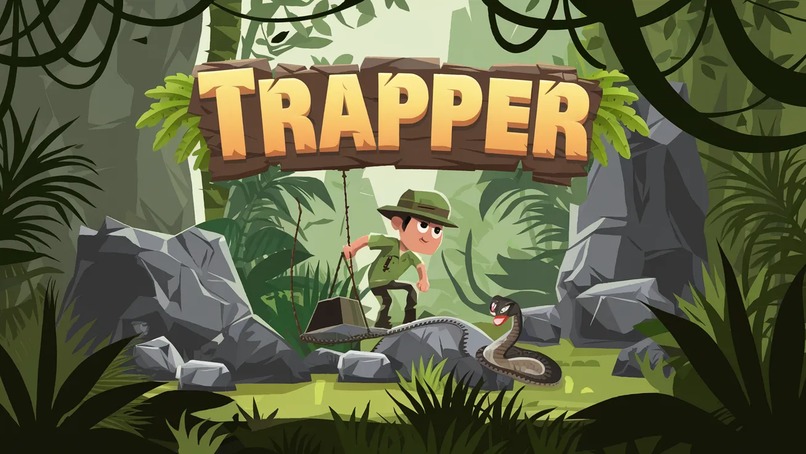
Thumbnail
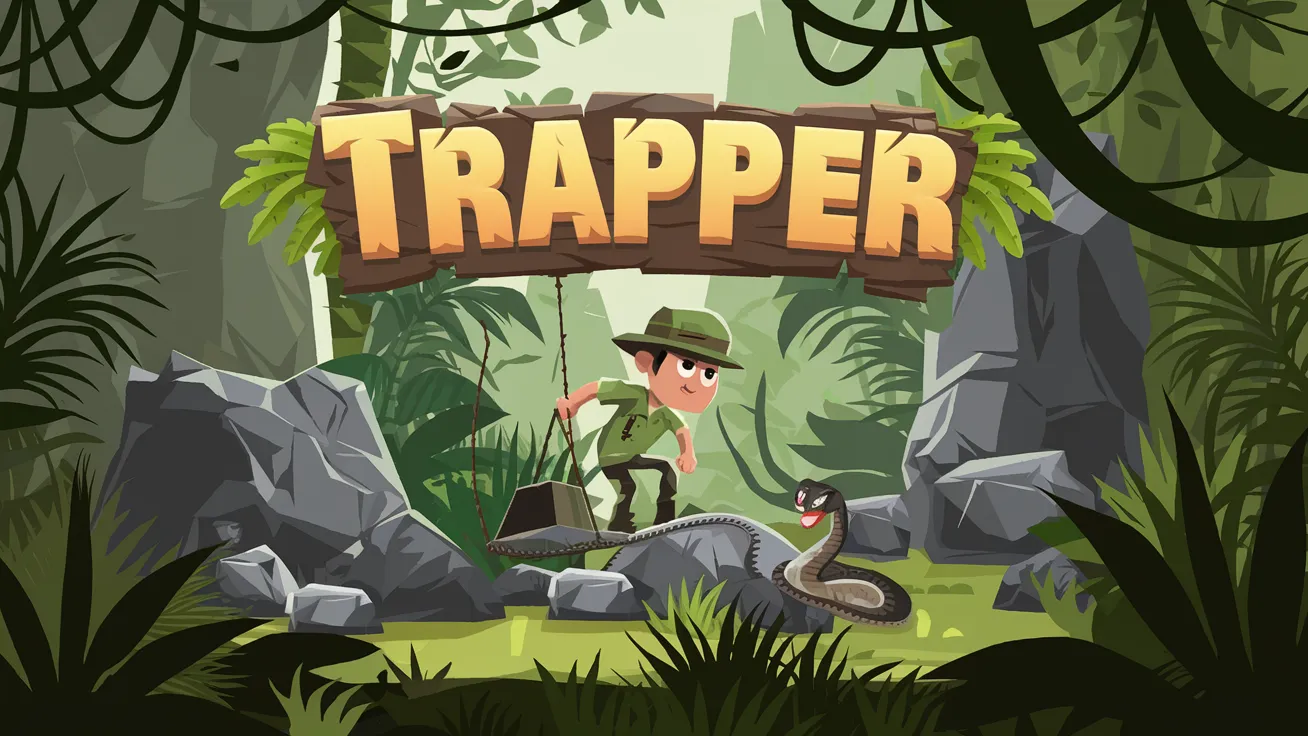
Inspiration
TRAPPER was born from the chaos of childhood Minecraft nights—one friend in a "control room" unleashing traps, the rest scrambling through mazes. We wanted to recreate that magic: the laughs, the narrow escapes, and the unexpected teamwork.
What it does
One player becomes the Trapper—madly pressing buttons to trigger traps, puzzles, and environmental chaos. The others navigate the mayhem. It’s a rowdy mix of escape-room tension and party-game antics where trust is optional.
How we built it
Using Horizon Worlds, we prototyped core mechanics first: button interfaces, trap triggers, and movement. Playtesting was key—balancing the Trapper’s power without overwhelming Navigators took endless tweaks. We kept art playful and sound punchy to match the energy.
Challenges we ran into
Balancing asymmetrical roles. Too many traps becomes too difficult for Navigators; too few becomes difficult for the Trapper. We also fought scope creep, resisting cool-but-unnecessary ideas to stay focused.
Accomplishments that we're proud of
Creating a new game based on what I played in my childhood
What we learned
Designing asymmetrical games is like herding cats—rewarding but messy. Playtesting is essential.
What's next for TRAPPER
More traps, rooms, and puzzles to keep the madness fresh.
New modes: Trapper vs. Trapper battles? Co-op survival? Maybe both.
TRAPPER is an ode to my childhood gaming—a little strategy, a lot of laughter, and zero trust.
Built With
- horizon
- worlds


Log in or sign up for Devpost to join the conversation.